

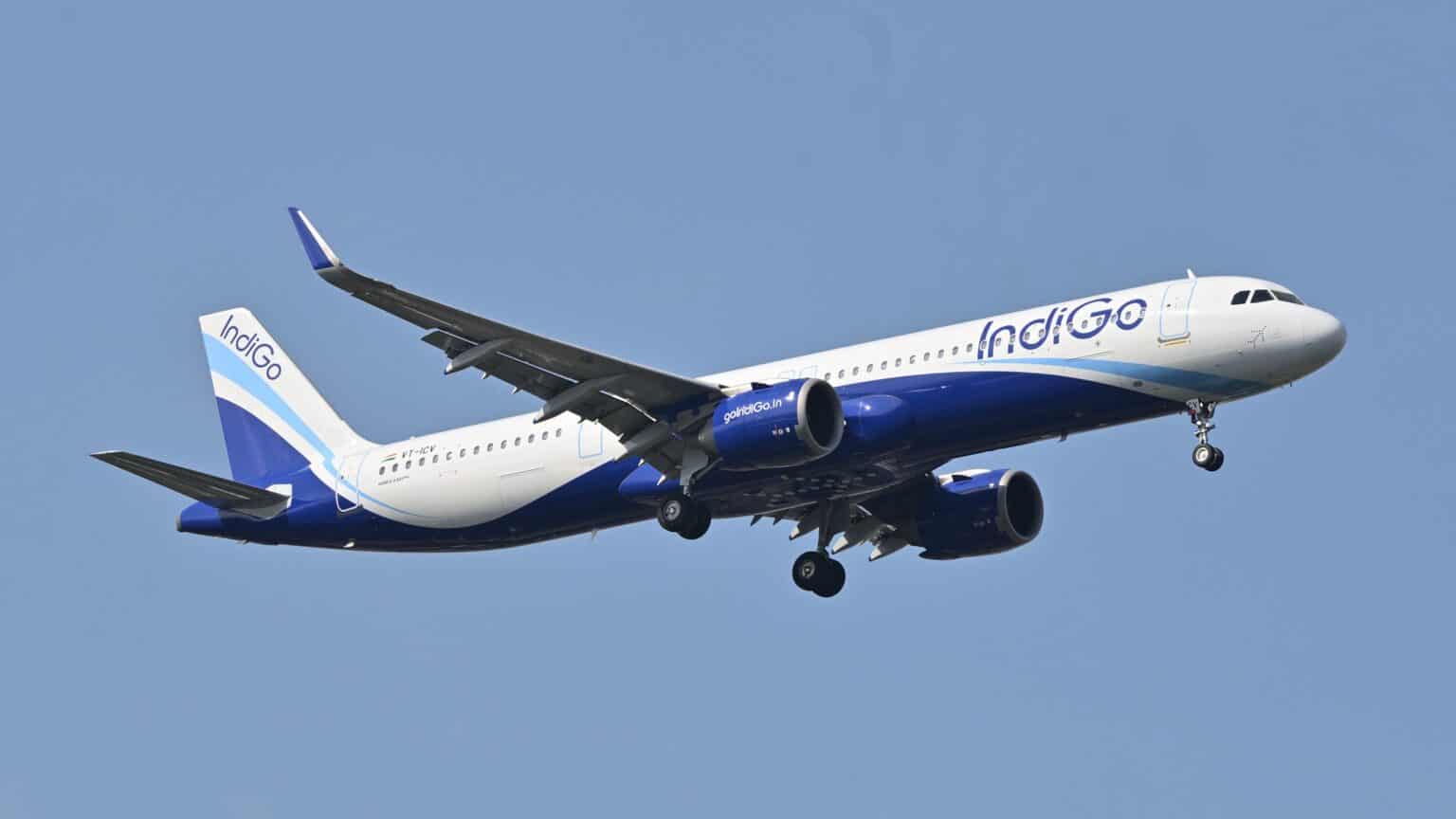
IndiGo flight 6E388, an Airbus A321neo registered VT-IBB, abandoned its takeoff from Mangaluru, India, at around 6:05 p.m. on November 16, 2026. The jet was bound for Bengaluru with 229 passengers and seven crew, and nobody was reported hurt, the Press Trust of India reported.
The aircraft was declared Aircraft on Ground after an engineering inspection, and on November 18 it still had not flown again, according to Flightradar24 data.
What happened on the runway
According to The Aviation Herald, the crew was accelerating down runway 24 when the left engine gave several bangs and emitted streaks of flame. The pilots rejected the takeoff at about 135 knots over the ground, the outlet said.
The Aviation Herald said the jet stopped safely and sat on the runway for about 10 minutes before taxiing back to the apron. Local reports carried by PTI described sparks beneath the aircraft and a burst tire during the roll.
IndiGo has confirmed neither account. A spokesperson said a technical issue was detected shortly before takeoff, and that “following standard operating procedures, the pilots returned the aircraft to the parking bay for necessary checks.”
The airline said the relevant authorities were promptly informed and that the aircraft “will return to service after required maintenance and clearances.” It offered passengers meals, alternate connections, hotel rooms and full refunds where applicable.
What is confirmed so far
IndiGo confirms only a technical issue detected shortly before takeoff. The engine bangs, the flames and the 135-knot speed come from The Aviation Herald, and the sparks and burst tire from local reports. Neither IndiGo nor India’s regulators had named a cause at the time of writing.
Most passengers did not take the relief flight
IndiGo sent a replacement aircraft, which left Mangaluru at 12:10 a.m. on November 17. Only 34 of the 229 passengers were on it, PTI reported, citing sources.
Flightradar24 data shows the relief jet was another A321neo, VT-ILJ, which landed in Bengaluru shortly before 1 a.m. Several travelers had been heading to Bengaluru for onward international flights, and the passengers included former Dakshina Kannada MP Nalin Kumar Kateel, according to local reports cited by PTI.
Why a 135-knot reject is a big decision
Airliner crews split the takeoff roll into a low-speed and a high-speed phase, with the boundary usually at 80 or 100 knots, according to the aviation safety reference SKYbrary. Below it, almost any significant fault means stopping.
Above it, a reject is kept for major malfunctions such as an engine failure or fire, because stopping a heavy jet from high speed puts enormous energy into the brakes and tires. A tire that fails during the stop also lengthens the distance needed to halt.
At 135 knots, 6E388 was deep in the high-speed phase. Its decision speed, V1, for that departure has not been published, so whether the reject came before or after it is not known.
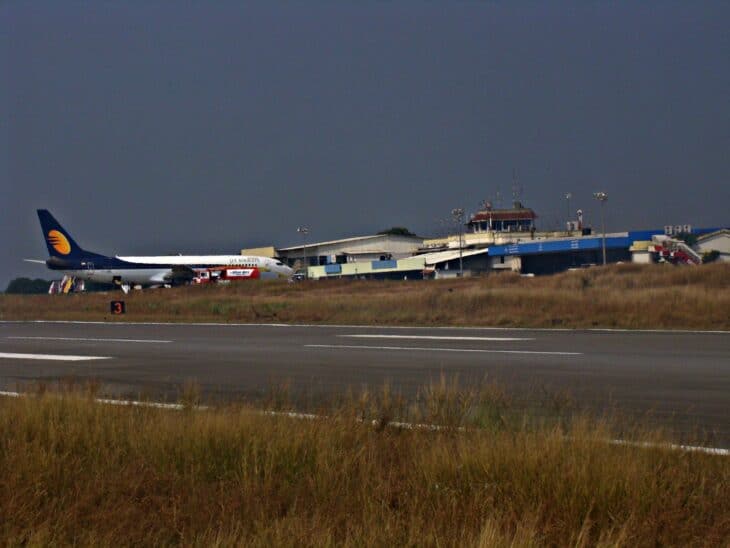
The location adds weight. Mangaluru’s runways sit on a hilltop tabletop, and in May 2010 Air India Express Flight 812, a Boeing 737-800, overran the end of runway 24 on landing and fell down the slope, killing 158 people.

A LEAP-powered A321neo, not a geared turbofan
Flightradar24 lists VT-IBB as an A321-252NX. Under EASA’s type certificate for the Airbus A321neo family, that model designation means two CFM International LEAP-1A30 engines.
That matters because IndiGo’s long-running groundings involved the other A320neo-family engine, the Pratt & Whitney geared turbofan. More than 70 IndiGo jets were on the ground in the third quarter of 2024 over Pratt & Whitney maintenance and supply problems, CAPA reported.
IndiGo already flies a large LEAP fleet, and in July it agreed to take more than 1,000 more LEAP engines for future A320neo-family jets.
Bangs with flame during the takeoff roll are not unique to one engine type. In an October 2022 rejected takeoff at Delhi on IndiGo A320ceo VT-IFM, India’s DGCA chief said a stall in the No. 2 engine caused a surge and a momentary fire in the exhaust, The Tribune reported.
Whether VT-IBB’s left engine suffered something similar, or something more serious, has not been disclosed. AeroCorner found no public statement from the DGCA or India’s Aircraft Accident Investigation Bureau on the event at the time of writing.
The Mangaluru reject follows another IndiGo engine failure on approach to Chennai in August, in which the crew landed safely.
Sources and references used for research and fact-checking.
Get the Newsletter
The latest aviation news and stories sent to your inbox.
About the Author

AeroCorner News is the aviation news desk of AeroCorner.com. It covers accidents and incidents, safety rulings, airline and airport disruption, and new aircraft. It works from primary sources such as the NTSB, FAA, EASA and the manufacturers' own announcements.