

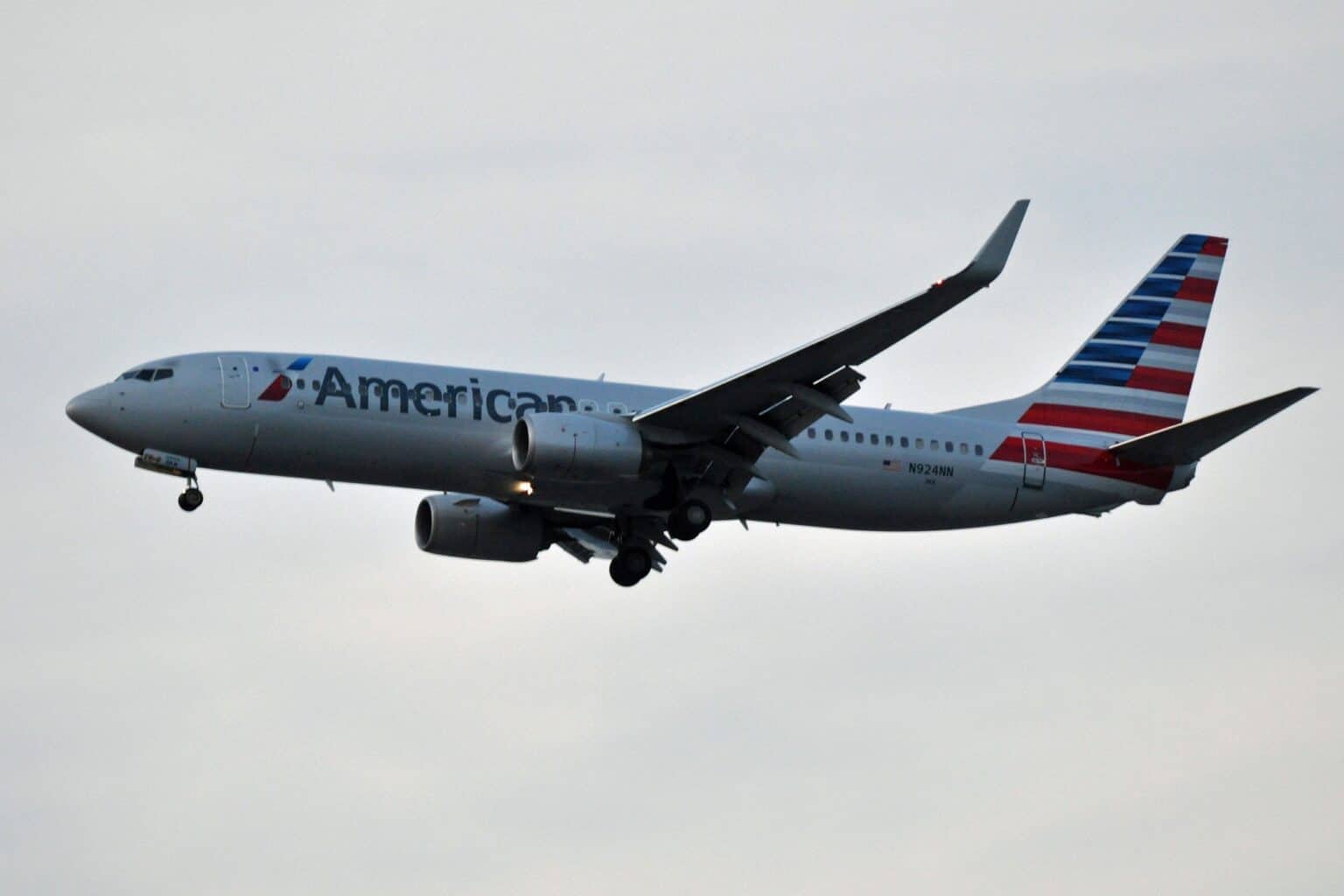
American Airlines flight AA496, a Boeing 737-800 flying from Tampa to Washington’s Reagan National Airport, diverted to Orlando on Monday, Nov. 16, 2026, after a reported engine failure. Sen. Ashley Moody, R-Fla., was on board and missed that night’s Senate votes.
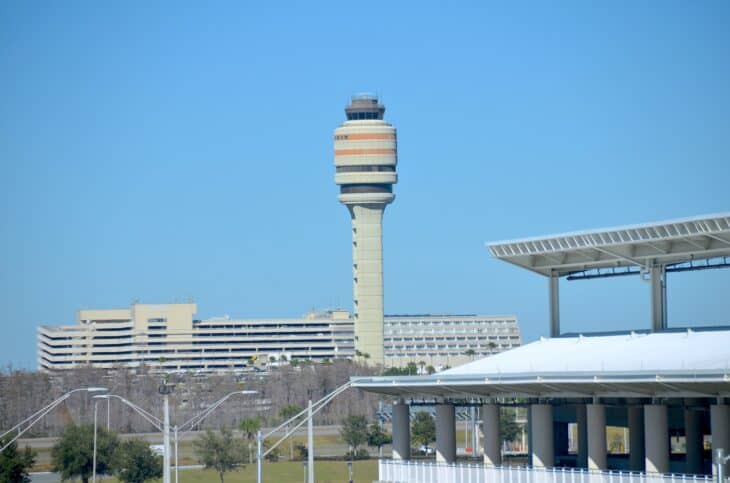
The FAA said the jet landed safely at Orlando International Airport around 3 p.m. local time after the crew reported an engine issue. The agency said it will investigate.
What happened on AA496
Flight tracking data from AirNav Radar identify the aircraft as N924NN. The FAA aircraft registry lists it as a 2013-built Boeing 737-800 powered by two CFM56-7B24E engines.
FlightAware logs the departure from Tampa at 1:57 p.m. Eastern and the arrival in Orlando at 2:44 p.m., 46 minutes later.
Air traffic control audio published by the Flight Follower channel fills in the middle of that window. In its time-stamped transcript, the crew asks Tampa Departure to level off at 10,000 feet because of “left engine indications” while climbing through about 9,300 feet.
About three minutes later, according to that transcript, the crew declares a mayday, says it is shutting down the left engine and asks for vectors to one of Orlando’s long runways. The controller asks whether they want Tampa instead, and the crew sticks with Orlando, citing its runways and American’s maintenance there.
The crew reports 178 people on board and 180 minutes of fuel, per the same transcript. The 737 then holds 10,000 feet on one engine while the pilots run their checklist, and lands on Orlando’s runway 36 Left at about 2:43 p.m. Eastern.

Neither the FAA nor Moody’s office said whether anyone was hurt, and the cause of the engine problem has not been made public. Fox News said it had asked American Airlines for comment, and no airline statement had appeared at the time of writing.
A senator on board, and a missed vote
A spokesperson for Moody said the flight “had engine failure and had to make an emergency landing in Orlando,” in a statement quoted by Fox News. The spokesperson added that Moody is grateful to the pilots and crew for getting everyone on the ground safely.
Moody took the next available flight to Washington but landed just after the votes closed, her office said. It did not say which flight she took.
AirNav Radar’s data show American flew an AA496 leg from Orlando to Reagan National that evening on a different 737-800, N917NN. FlightAware logs it leaving Orlando at 5:39 p.m. and arriving at about 7:20 p.m.
Why a twin-engine jet lands at the nearest suitable airport
Pressing on to Washington, about 815 miles (1,310 km) from Tampa, was never on the table. Under 14 CFR 121.565, when an engine fails or is shut down on an airline flight, the pilot in command must land at the nearest suitable airport, in point of time, at which a safe landing can be made.
The rule gives leeway to choose a different airport only to aircraft with three or more engines that lose one. A two-engine jet like the 737 gets no such option.
That section does not define “suitable,” which is where the radio exchange comes in. Orlando sits about 81 miles (130 km) east of Tampa, and on the frequency the crew picked it for its runways and for American’s maintenance there, where mechanics can inspect the failed engine.
The same rule requires the pilot in command to report every in-flight engine shutdown to the appropriate communication facility, here air traffic control, and keep it informed until the flight lands. A mayday call is the distress signal that also gives the flight priority over other traffic.
The transcript also shows the crew was not racing to the runway. The jet stayed level at 10,000 feet for roughly 17 minutes while the pilots worked through the checklist, with about three hours of fuel on board by their own count.
An Alaska Airlines 737 MAX 9 followed the same pattern in August when it shut down an engine and diverted to Chicago.
Neither the FAA nor American has said what went wrong with N924NN’s left engine, or when the jet will fly again.
Sources and references used for research and fact-checking.
Get the Newsletter
The latest aviation news and stories sent to your inbox.
About the Author

AeroCorner News is the aviation news desk of AeroCorner.com. It covers accidents and incidents, safety rulings, airline and airport disruption, and new aircraft. It works from primary sources such as the NTSB, FAA, EASA and the manufacturers' own announcements.