

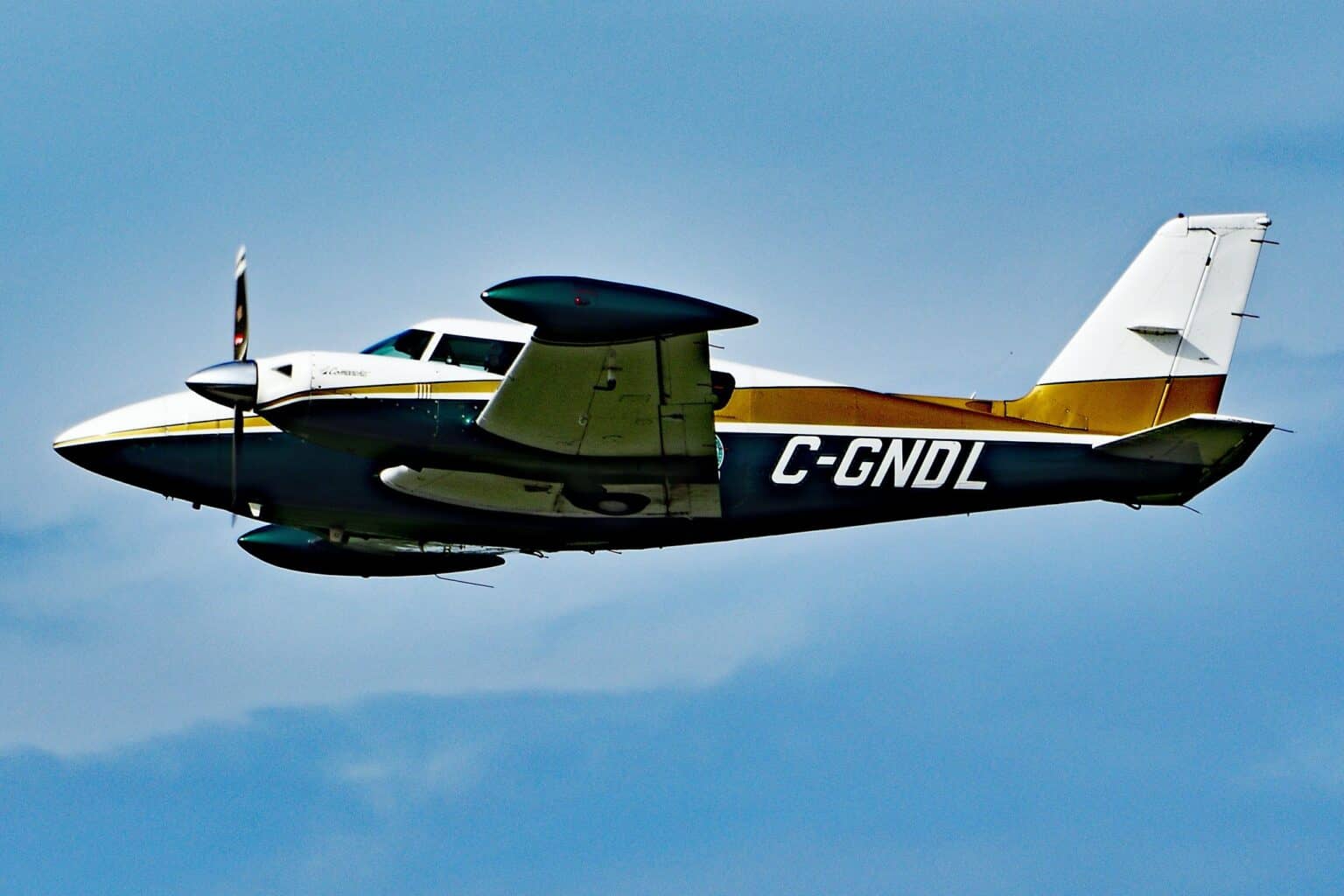
Three people were killed when a Piper PA-24 Comanche crashed on the North Rim of Grand Canyon National Park on the evening of Sunday, Nov. 15, 2026. The FAA said the single-engine plane went down around 7:15 p.m. local time, and National Park Service crews found the wreckage the next morning with no survivors.
The National Transportation Safety Board will lead the investigation, with the FAA taking part and the park service supporting. The names of the three people aboard are being withheld out of respect for their families’ privacy, the park said.
A night search across the North Rim
According to the park service, the Grand Canyon Regional Communications Center received a report of a missing Piper Comanche with three people aboard at about 11:30 p.m. on Nov. 15. The plane’s last known location was near the Basin area of the North Rim.
That report came roughly four hours after the crash time the FAA gives. The park’s release does not say who raised the alarm or what prompted it.
The Arizona Department of Public Safety flew an aerial search in the early hours of Nov. 16 using forward-looking infrared and night vision equipment. Coconino County Search and Rescue, Kane County Search and Rescue from neighboring Utah, and the Air Force Rescue Coordination Center also joined the effort.
Park service crews located the aircraft and its debris field in the Basin area at about 10:15 a.m. on Monday, Nov. 16. The Arizona Daily Sun reported that the last known position lay northwest of the North Kaibab Trailhead, just outside the park’s no-fly zone.
It is not yet known what led to the crash. Arizona’s Family reported that conditions around the canyon on Sunday night were neither windy nor rainy.
What has not been released
As of Tuesday, Nov. 17, neither the FAA nor the park service has published the plane’s registration, where it took off from or where it was headed. The identities of the three people aboard and the specific Comanche variant are also unknown, and officials have not suggested a cause.
High terrain, protected airspace and an older design
The North Rim sits on the Kaibab Plateau at an average elevation of about 8,000 feet (2,400 m), roughly 1,000 feet higher than the South Rim, according to park statistics. The crash happened after dark, in a remote area where park services had already wound down for the season.
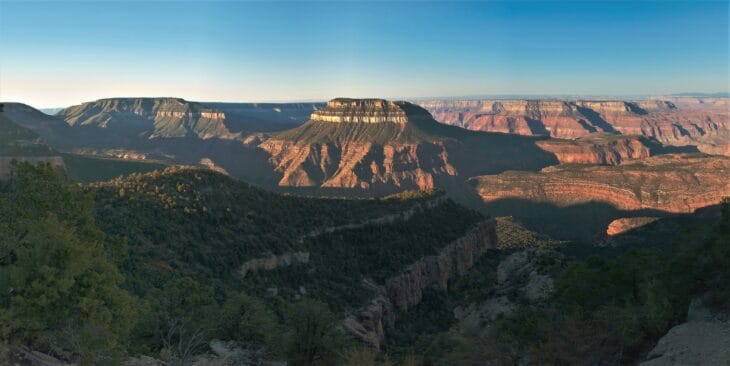

The North Rim’s general store and campground closed on Oct. 15, and the park lists the North Rim as open only through Nov. 30 or the first major snowstorm of the season.
The airspace above the canyon is also unusual. Federal rules designate a Special Flight Rules Area from the surface up to 18,000 feet MSL around the park, with four flight-free zones that pilots must stay out of except in an emergency, for safety of flight or with FAA authorization.
Three of those zones, Desert View, Bright Angel and Toroweap/Shinumo, reach up to 14,500 feet MSL, and the western Sanup zone reaches 8,000 feet. General aviation pilots crossing the canyon use designated corridors, which are 4 nautical miles wide for transient and general aviation traffic.
The rules trace back to the 1987 Overflights Act, which requires the substantial restoration of natural quiet in the park. They also bar flying within 500 feet of any terrain between the two rims, except in an emergency or for takeoff and landing.
The aircraft itself is a classic of the 1960s. Piper Aircraft introduced the all-metal, low-wing Comanche line in 1958 with retractable landing gear, and built single and twin-engine versions until 1972, according to AOPA’s type fact sheet.
The Comanche 250 was the best seller of the family, at about 2,500 sold. AOPA notes that most surviving Comanches are now well worn, with recurring airworthiness directives and aging-airplane issues keeping inspection costs high.
What happens next
The NTSB leads the investigation, with the park service supporting its work. The board says it generally aims to finish an investigation within 12 to 24 months, though complexity and workload can stretch that.
Most US aviation deaths happen in private and other general aviation flying rather than on airlines, as our look at how often planes crash explains. AeroCorner will update this story when the registration, the flight’s route or the NTSB’s preliminary findings are released.
Sources and references used for research and fact-checking.
- National Park Service, Grand Canyon National Park, Missing Aircraft Located on the North Rim of Grand Canyon National Park
- FAA, Statements on accidents and incidents: General Aviation / Grand Canyon, Arizona
- eCFR, 14 CFR Part 93 Subpart U: Special Flight Rules in the Vicinity of Grand Canyon National Park
- National Park Service, Overflights and Special Flight Rules Area Documents
- National Park Service, Park Statistics, Grand Canyon National Park
- National Park Service, North Rim status
- NTSB, The Investigative Process
Get the Newsletter
The latest aviation news and stories sent to your inbox.
About the Author

AeroCorner News is the aviation news desk of AeroCorner.com. It covers accidents and incidents, safety rulings, airline and airport disruption, and new aircraft. It works from primary sources such as the NTSB, FAA, EASA and the manufacturers' own announcements.