

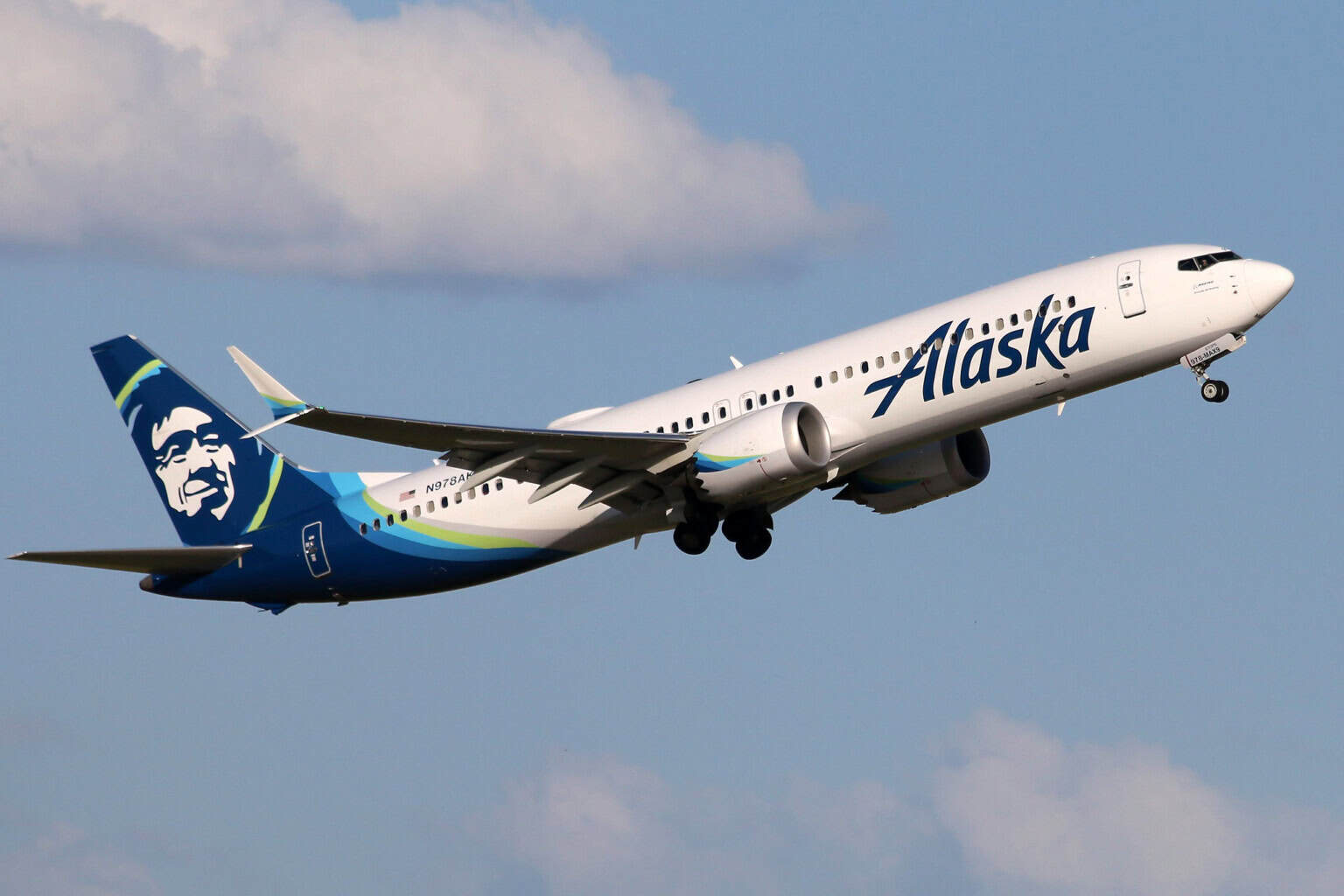
On August 16, 2026, Alaska Airlines flight AS274 shut down its right engine and diverted to Chicago O’Hare after the crew saw a low oil pressure reading at cruise, according to Aviation Herald. The Boeing 737 MAX 9, registered N978AK, was flying from Cleveland to Seattle at the time.
The crew was cruising at flight level 340, about 40 nautical miles southeast of Chicago, when the warning appeared. They shut the engine down as a precaution and diverted, landing on runway 27C at Chicago O’Hare roughly 35 minutes later. No injuries were reported.
Alaska sent a replacement 737 MAX 9 from Chicago about three and a half hours after the diversion to finish the trip to Seattle, arriving roughly three and a half hours behind schedule. The cause of the oil pressure reading has not been confirmed.
Why Shutting an Engine Down Isn’t an Emergency Landing
A low oil pressure reading doesn’t always mean an engine is failing, but airline checklists treat it the same way regardless: shut the engine down before a real problem develops, rather than wait and find out over the Rockies.
The 737 MAX 9 is certified, like every twin-engine airliner flying today, to take off, cruise, and land safely on one engine alone. That certification standard is the reason a crew can shut an engine down mid-flight and treat it as a diversion rather than a mayday.
What actually changes on one engine
The remaining engine simply works harder. Pilots retrim the aircraft for the asymmetric thrust, descend to a lower, more efficient altitude, and fly to the nearest suitable airport rather than the original destination.
Not the MAX Story It First Sounds Like
The 737 MAX 9 has carried extra scrutiny since a door plug blew out of an Alaska jet in January 2024, and any MAX incident tends to draw more attention than the same event on another aircraft type.
An oil pressure warning, though, is a generic engine-monitoring issue that can affect any twin-engine jet, not a MAX-specific defect. Every MAX 9 flies with CFM International’s LEAP-1B, the same engine family that also powers earlier 737 models.
Precautionary engine shutdowns of this kind are a routine part of airline operations and rarely make headlines on their own. This one drew more notice mainly because it involved the same aircraft type as the 2024 door plug blowout.
Reality check
Aviation Herald is currently the only public report of this diversion. Neither Alaska Airlines nor the FAA had issued a statement at the time of writing, and the underlying cause has not been determined.
Alaska has faced this kind of diversion before. In July, one of its 787s dumped fuel over the UK after an engine-vibration warning forced a turnback, and other US carriers have made similar precautionary landings this summer, including a Southwest 737 diversion over a suspected fuel leak.
Get the Newsletter
The latest aviation news and stories sent to your inbox.
About the Author

Tim is the owner and lead editor of AeroCorner since 2019, overseeing aviation content covering aircraft, airlines, airports, and the broader aviation industry. Through years of researching, writing, editing, and publishing aviation-focused content, he has developed extensive practical knowledge of commercial aviation and air travel. Based in Asia and a frequent traveler himself, Tim also brings firsthand passenger experience to AeroCorner’s coverage. Outside of publishing, he has also explored aviation firsthand through hands-on flight training in New Zealand.