

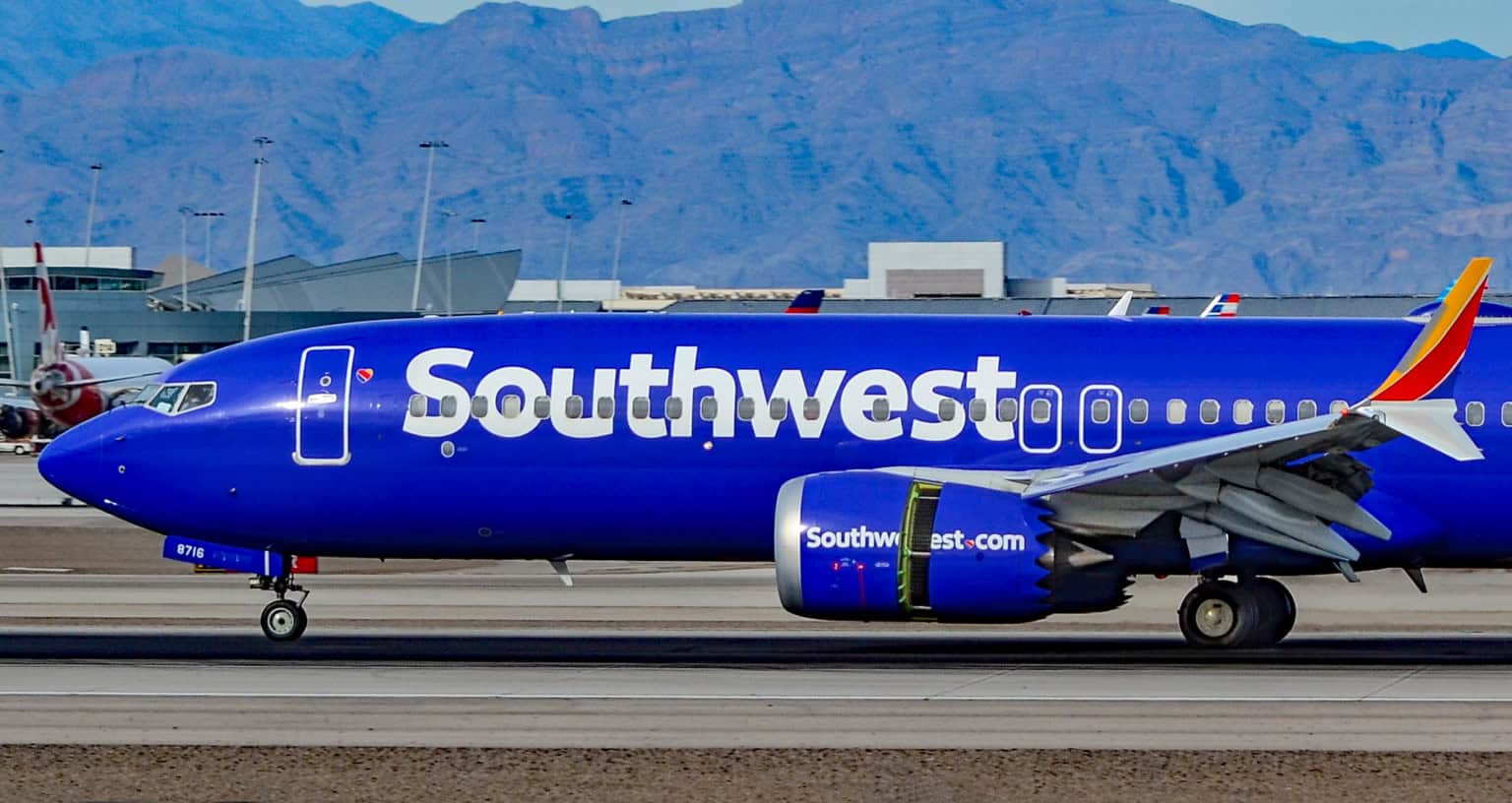
A Southwest Airlines Boeing 737-800 diverted to Charleston, South Carolina, on July 20, 2026, after the crew reported indications of a suspected fuel leak while cruising over the state. Flight WN4761 landed safely and no injuries were reported.
What happened on Flight WN4761
The aircraft, a 737-800 registered N8662F, had left Orlando International Airport for Manchester-Boston Regional Airport in New Hampshire. About an hour into the flight, at 37,000 feet over South Carolina, the flight crew noticed signs of a suspected fuel leak.
The pilots set the transponder to squawk 7700, the general-emergency code, and diverted to Charleston International Airport, landing on Runway 15. Emergency crews met the jet as a precaution.
Southwest moved the passengers onto a replacement Boeing 737 MAX 8 after a ground delay of about four hours. The flight reached Manchester roughly five hours behind schedule.
For travelers, a diversion of this kind usually means a long day. The affected aircraft is pulled from service for inspection, and the airline has to position a spare jet and a legal crew before anyone can continue to the original destination.
Southwest described the diversion as a precaution to check a possible mechanical issue. Whether a genuine leak is confirmed will depend on the maintenance inspection, and the airline has not released a final finding.
A fuel leak is a different problem from a fuel dump
Unlike a widebody, a Boeing 737-800 has no fuel-jettison system. When a single-aisle jet needs to land sooner than planned, it cannot dump fuel to get under its maximum landing weight, so crews either burn some off or accept an overweight landing that triggers an inspection.
That is one reason a suspected leak prompts an immediate diversion rather than a slow return. Our explainer on whether airplanes dump fuel covers why most narrowbodies are built without the system.
A fuel leak carries its own risks, from the steady loss of usable fuel to a potential fire source, so the standard response is to land at the nearest suitable airport. Squawking 7700 tells controllers to clear a direct path and to roll emergency vehicles before the aircraft arrives.
Southwest operates one of the world’s largest 737 fleets, and precautionary diversions of this kind are routine and rarely turn out to be serious. The event follows a run of 737 in-flight scares this year, including a Ryanair 737 window failure over North Macedonia.
What squawk 7700 does
Setting a transponder to 7700 flags a general emergency to every air traffic controller watching that airspace. It does not describe the problem, but it gives the flight priority handling, a direct routing, and emergency crews standing by on the ground.
Get the Newsletter
The latest aviation news and stories sent to your inbox.
About the Author
Tim is the owner and lead editor of AeroCorner since 2019, overseeing aviation content covering aircraft, airlines, airports, and the broader aviation industry. Through years of researching, writing, editing, and publishing aviation-focused content, he has developed extensive practical knowledge of commercial aviation and air travel. Based in Asia and a frequent traveler himself, Tim also brings firsthand passenger experience to AeroCorner’s coverage. Outside of publishing, he has also explored aviation firsthand through hands-on flight training in New Zealand.