

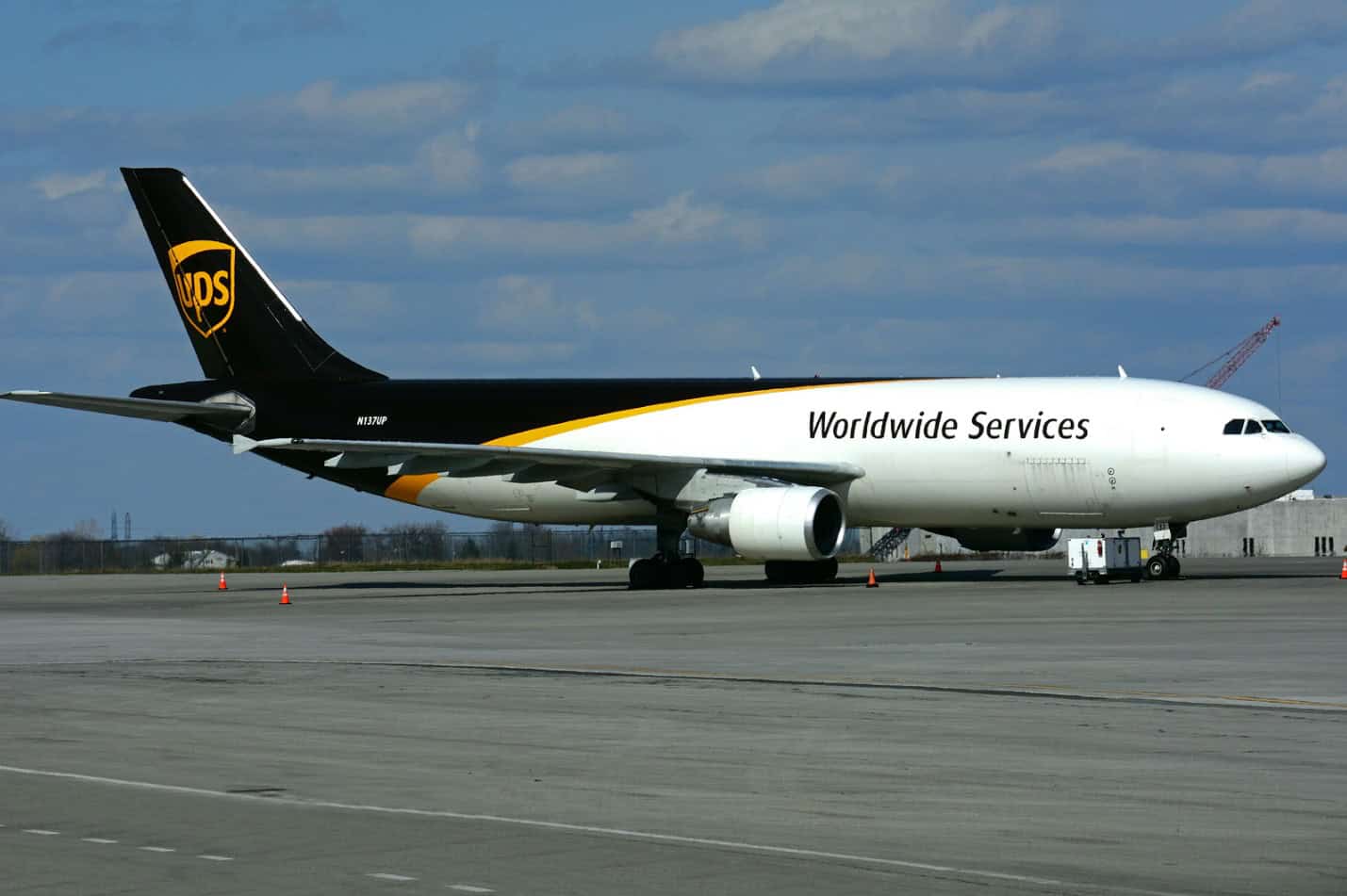
On September 20, 2026, the crew of UPS flight 5X859 abandoned a takeoff from Phoenix Sky Harbor International Airport at roughly 150 knots and stopped the freighter on the runway. The jet cleared onto a parallel taxiway and then went no further.
The aircraft was an Airbus A300-600F registered N137UP, operating the overnight cargo run from Phoenix to UPS’s Louisville hub. No injuries have been reported.
What is known about the reject
According to The Aviation Herald, the crew rejected the takeoff after a low oil pressure indication, slowed the aircraft and vacated the runway before it became disabled on the taxiway. The tower reported a blown left main tire.
FAA registry records show N137UP is an Airbus A300 F4-622R, serial number 0820, built in 2001 and powered by Pratt & Whitney PW4158 engines. It has been on the US register to United Parcel Service since late 2001, which makes it a 24-year-old airframe.
Flight tracking supports the account that the jet is out of service. FlightAware logs its last completed flight as a run from Dallas-Fort Worth into Phoenix on September 19, after a week of four and five legs a day, with nothing since.
The number of crew on board, the extent of the tire and brake damage, and how long the taxiway was blocked have not been made public. Neither UPS nor the FAA had issued a statement on the event as of September 21.
The speed is what makes this one notable
Rejected takeoffs are not rare. The FAA’s Pilot Guide to Takeoff Safety puts the rate at roughly one per 3,000 departures, which works out to about 16 crews somewhere in the world doing one on any given day.
What makes them dangerous is speed, not frequency. The same FAA guide notes that more than 75 percent of all rejects are started at 80 knots or below, and that those almost never end in an accident.
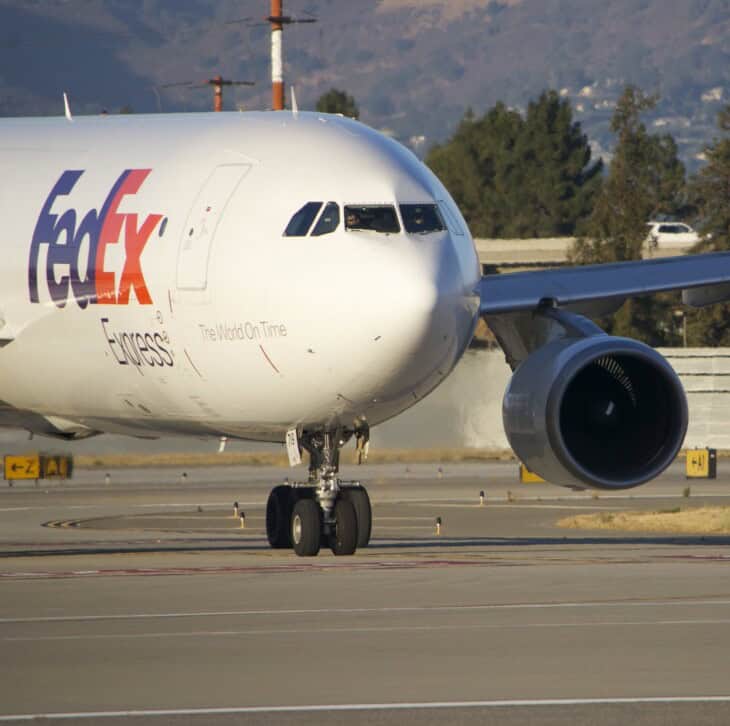
The overruns cluster at the other end. In the FAA’s review of 97 reported reject accidents and incidents, 55 percent were begun at speeds above V1, the decision speed past which a crew is normally committed to fly.
A stop from about 150 knots sits in that high-energy band. In this case it worked: the aircraft stayed on the paved surface and got off the runway under its own power.
Why the tires burst and the jet then cannot move
Braking a loaded freighter from that speed dumps an enormous amount of energy into the wheels. The FAA guide states that in rejects near certified maximum brake energy, rotor and stator temperatures reach roughly 2,000 degrees Fahrenheit for steel brakes and 2,500 degrees for most carbon brakes.
A brake fire is an accepted outcome, not a failure
Certification rules allow a fire after a maximum-energy stop, provided it stays confined to the wheels, tires and brakes and does not spread to the rest of the airplane during an evacuation. The FAA tells crews who make a high-speed reject to tell the tower immediately and ask for emergency equipment to watch the tires and brakes.
That heat soaks outward into the wheel, and the wheels carry thermal fuse plugs for exactly this reason. They are designed to melt and let a tire down in a controlled way rather than let it burst under pressure.
The result is a serviceable aircraft sitting on flat tires. It cannot taxi and it cannot be towed until the wheels are changed, which is why a successful high-speed reject so often ends with a jet parked where it stopped and a ground crew waiting for the brakes to cool.
It is a pattern that repeats across fleets and operators. Iran’s Sepehran Airlines saw much the same sequence five days earlier, when a 737 rejected its takeoff at Mashhad and damaged tires in the stop.
What is still unconfirmed
The low oil pressure indication has not been confirmed by UPS, the FAA or an accident investigator, and no official finding has been published on whether the indication was genuine or spurious. Treat the cause as preliminary until one is.
For UPS the practical cost is a widebody out of position at the wrong end of the network, with the parcels it was carrying needing another airframe out of one of the busiest cargo airports in the US.
Sources and references used for research and fact-checking.
Get the Newsletter
The latest aviation news and stories sent to your inbox.
About the Author

Tim is the owner and lead editor of AeroCorner since 2019, overseeing aviation content covering aircraft, airlines, airports, and the broader aviation industry. Through years of researching, writing, editing, and publishing aviation-focused content, he has developed extensive practical knowledge of commercial aviation and air travel. Based in Asia and a frequent traveler himself, Tim also brings firsthand passenger experience to AeroCorner’s coverage. Outside of publishing, he has also explored aviation firsthand through hands-on flight training in New Zealand.