

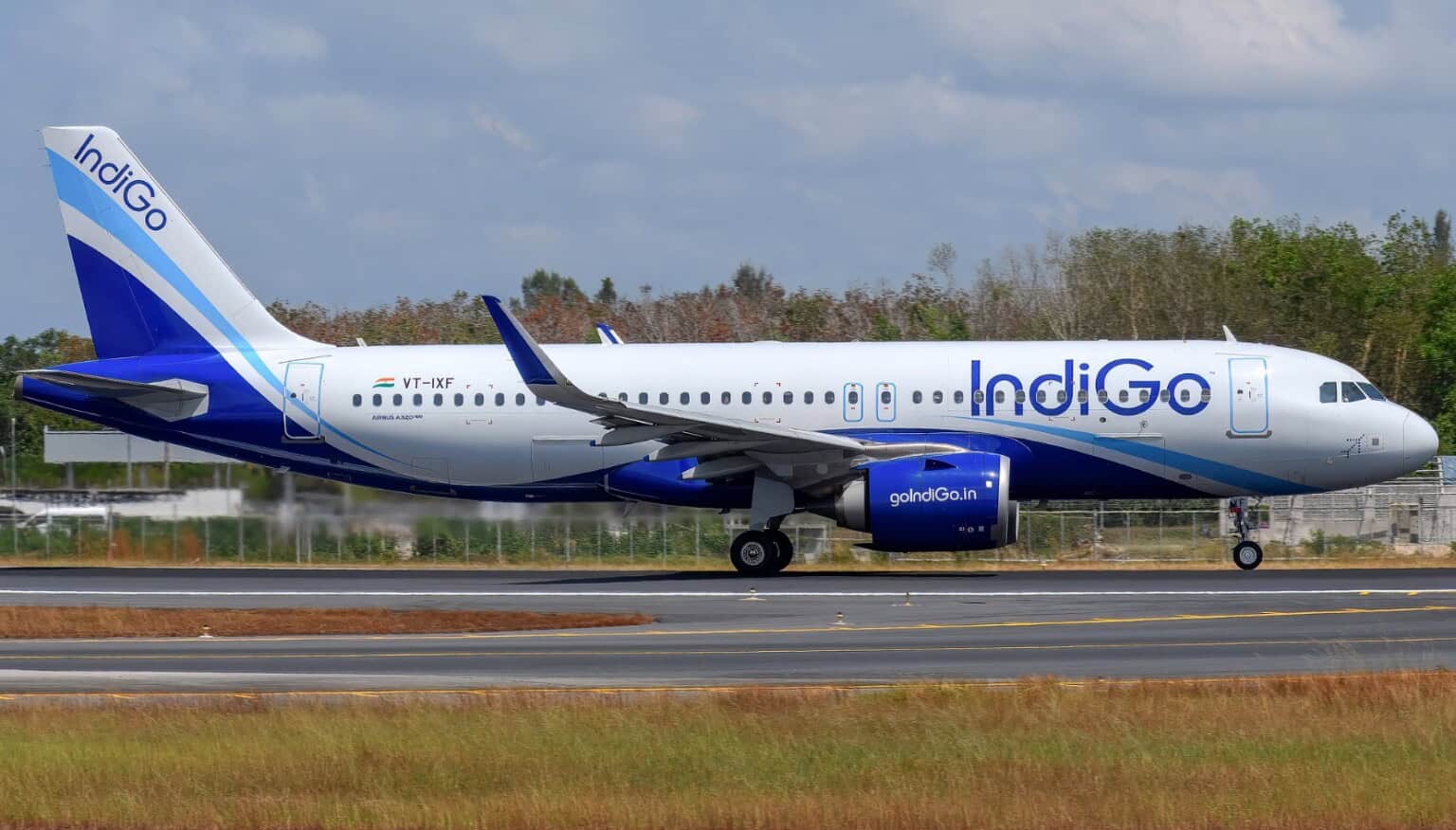
On July 20, 2026, at the Farnborough International Airshow, Indian carrier IndiGo signed a memorandum of understanding with CFM International for more than 1,000 LEAP-1A engines to power 510 Airbus A320neo family aircraft. CFM says it is the largest single LEAP order in the program’s history.
Alongside the engines, the agreement covers a long-term material services deal for spare parts and CFM support for IndiGo’s planned in-house engine maintenance facility. CFM International is the 50-50 joint venture of GE Aerospace and France’s Safran.
What IndiGo Actually Committed To
This is an engine order, not an aircraft order. The 510 jets it covers are A320neo family aircraft IndiGo has already ordered from Airbus, and the deal decides which engine hangs under their wings rather than adding new planes to the fleet.
The single-aisle A320neo is offered with a choice of two engines: CFM’s LEAP-1A or Pratt & Whitney’s geared turbofan. IndiGo, already one of the largest LEAP operators in the world, is standardizing much of its future narrowbody fleet on the CFM engine with this commitment.
Reality check: engines are bought separately
An engine selection like this is a distinct contract from the aircraft order it supports, and at this stage it is a memorandum of understanding, not a firm, slotted order. The parties still have to convert it into a binding contract with delivery schedules, so the numbers should be read as intent rather than settled.
Why the LEAP, and Why India
IndiGo is India’s largest airline and holds one of the biggest narrowbody backlogs in commercial aviation. That makes its engine choice a significant win in the running contest between CFM and Pratt & Whitney to power the A320neo family, the best-selling jet of its class.
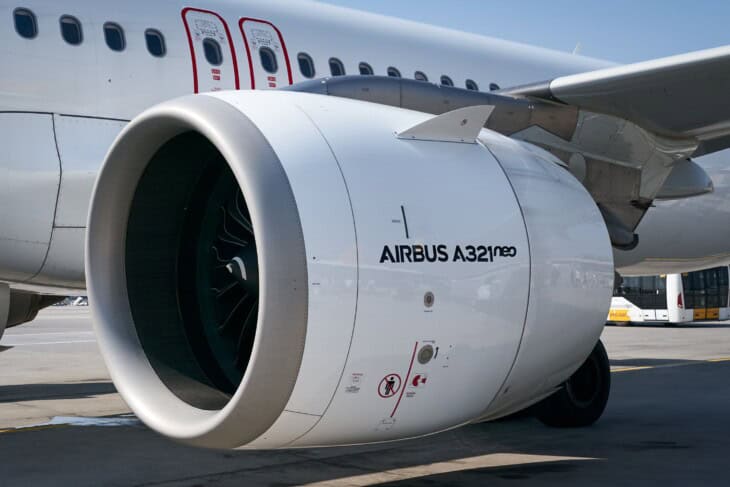
“LEAP engine’s industry-leading proven reliability makes it the ideal choice to support our scale, operational resilience and sustainability ambitions,” said Willie Walsh, IndiGo’s chief executive designate. GE Aerospace chairman and CEO Larry Culp said the LEAP is now delivering “up to twice the time on wing in hot and harsh operating environments” compared with its early service years.
Time on wing, the interval an engine can run before it comes off for a shop visit, matters especially in India’s hot, dusty conditions, which are hard on engine hardware. That is also why IndiGo’s push to build its own maintenance base, backed by CFM, is a notable part of the deal.
India is now a top-three engine market
According to CFM, India is its third-largest market. Five Indian carriers already operate more than 400 LEAP-powered aircraft, with around 2,000 engines on order across the region, a measure of how fast the country’s fleet is growing.
The signing was one of several large commitments at Farnborough, which has become the venue where lessors and carriers cluster their announcements. It follows BOC Aviation’s LEAP order earlier in the week and stands opposite carriers such as British Airways, which recently chose the rival Pratt & Whitney engine for its own Airbus narrowbodies.
For context on how the industry’s major engine makers compete, the LEAP and the geared turbofan represent the two dominant options on today’s single-aisle jets, and orders of this size shape each program’s installed base for decades.
Sources and references used for research and fact-checking.
Get the Newsletter
The latest aviation news and stories sent to your inbox.
About the Author

Tim is the owner and lead editor of AeroCorner since 2019, overseeing aviation content covering aircraft, airlines, airports, and the broader aviation industry. Through years of researching, writing, editing, and publishing aviation-focused content, he has developed extensive practical knowledge of commercial aviation and air travel. Based in Asia and a frequent traveler himself, Tim also brings firsthand passenger experience to AeroCorner’s coverage. Outside of publishing, he has also explored aviation firsthand through hands-on flight training in New Zealand.