

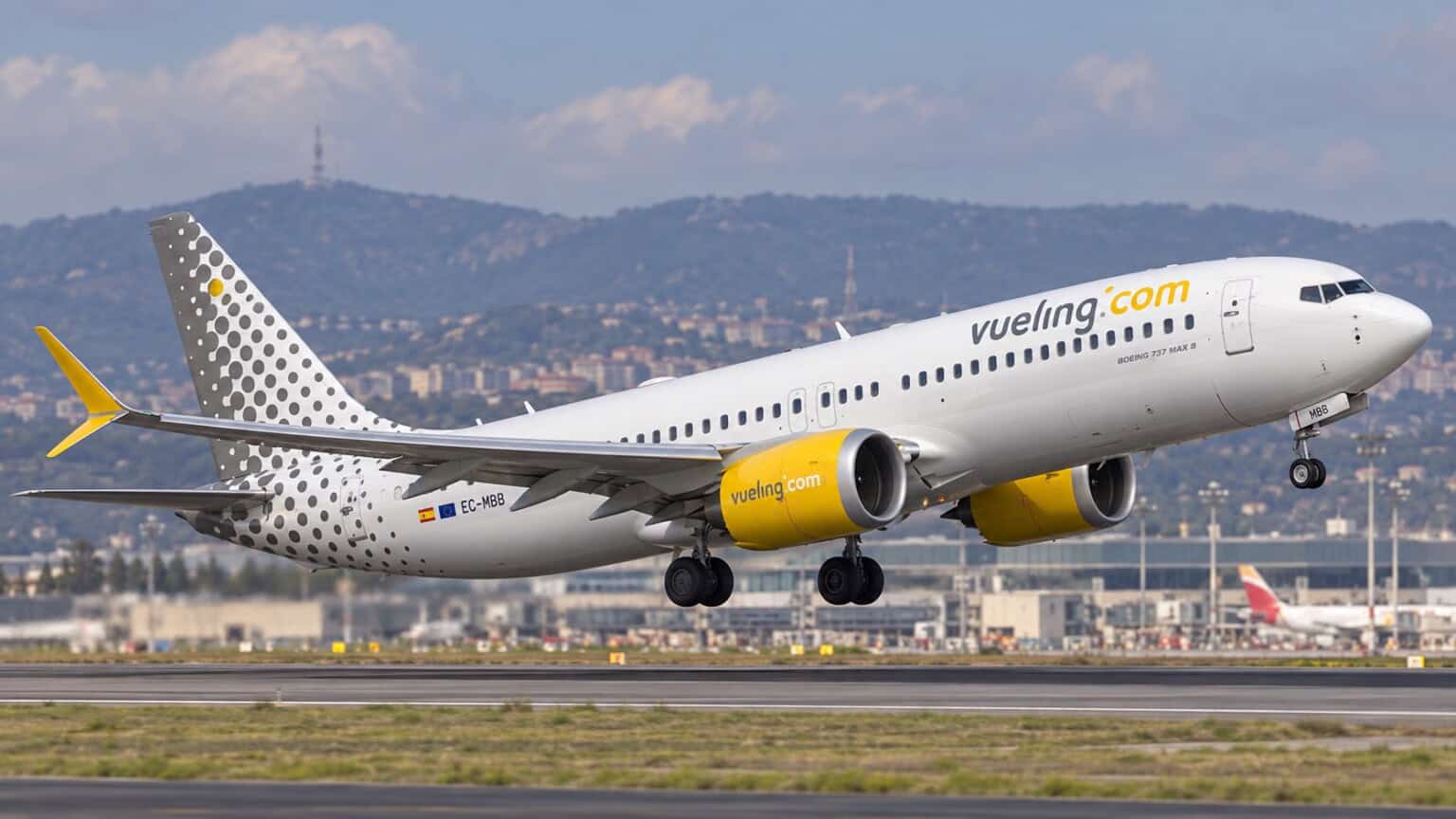
In the first week of September 2026, Vueling confirmed that it will not begin flying its first Boeing 737 MAX jets until the first half of 2027, several months later than planned. The Barcelona-based low-cost airline, part of International Airlines Group, blamed a certification delay for the RECARO cabin seats due to be fitted to the aircraft.
What changed
Vueling had expected its first 737 MAX 8 jets by the end of 2026, with the first passenger flight planned for December from Barcelona. Those aircraft are the leading edge of a fleet change that turns the all-Airbus carrier into a mixed narrowbody operator for the first time.
The hold-up is not with the airframe but with the seats. RECARO, the German seat manufacturer, has not finished certifying the cabin seats Vueling specified, and the airline said it is working with the supplier to fix it. Vueling confirmed the delay to FlightGlobal, and AeroTime reported the same 2027 timeline.
The version Vueling is taking first is the high-density 737 MAX 8-200, which seats up to 197 passengers, eight more than the 189 on the airline’s current Airbus A320s. Deliveries of the larger MAX 10 were always going to come later.
Why a seat can hold up a whole aircraft
A commercial aircraft cannot enter service until its cabin is certified, and seats are approved as part of the aircraft rather than separately by the airline. Each seat model has to pass structural tests, including a 16g dynamic test that fires a sled into a seat rig to simulate a survivable crash, along with flammability and head-injury checks.
When a carrier picks a seat that has not flown on that aircraft type before, the planemaker and the seat supplier must test and document the combination before a regulator signs off. That testing and paperwork chain has become a recurring chokepoint across the industry.
Vueling is not alone. Lufthansa delayed the rollout of its Allegris cabin for similar certification reasons, and KLM has taken new aircraft without their intended seats while approval caught up. Regulators have also scrutinised MAX cabin seats already in service: in July 2026 the FAA proposed inspections after finding seats not locked to their tracks on delivered jets.
Reality check
The 737 MAX 8-200 airframe is already certified and flying, chiefly with Ryanair. Vueling’s delay is about its specific seat choice clearing certification, not a fresh problem with the MAX itself.
Where this leaves IAG’s Boeing order
IAG signed a letter of intent for up to 200 Boeing 737 MAX jets at the 2019 Paris Air Show, then firmed a smaller deal in May 2022 for 50 aircraft, split evenly between the MAX 8-200 and the MAX 10, with options for 100 more. Every one of those jets is allocated to Vueling.
The MAX 10 has still not been certified by the FAA, with approval expected around the end of 2026. The seat delay now pushes the shorter jets back toward that same window, compressing what was meant to be a staggered introduction.
For Vueling, a few months matters less than the direction of travel. The order still marks the first time an IAG airline has bought Boeing narrowbodies, and the carrier still expects to operate both MAX variants alongside its Airbus fleet.
Still provisional
Vueling has not given a firm new in-service date. “First half of 2027” is the airline’s current estimate and depends on when RECARO’s seat certification is complete.
Get the Newsletter
The latest aviation news and stories sent to your inbox.
About the Author

Tim is the owner and lead editor of AeroCorner since 2019, overseeing aviation content covering aircraft, airlines, airports, and the broader aviation industry. Through years of researching, writing, editing, and publishing aviation-focused content, he has developed extensive practical knowledge of commercial aviation and air travel. Based in Asia and a frequent traveler himself, Tim also brings firsthand passenger experience to AeroCorner’s coverage. Outside of publishing, he has also explored aviation firsthand through hands-on flight training in New Zealand.