

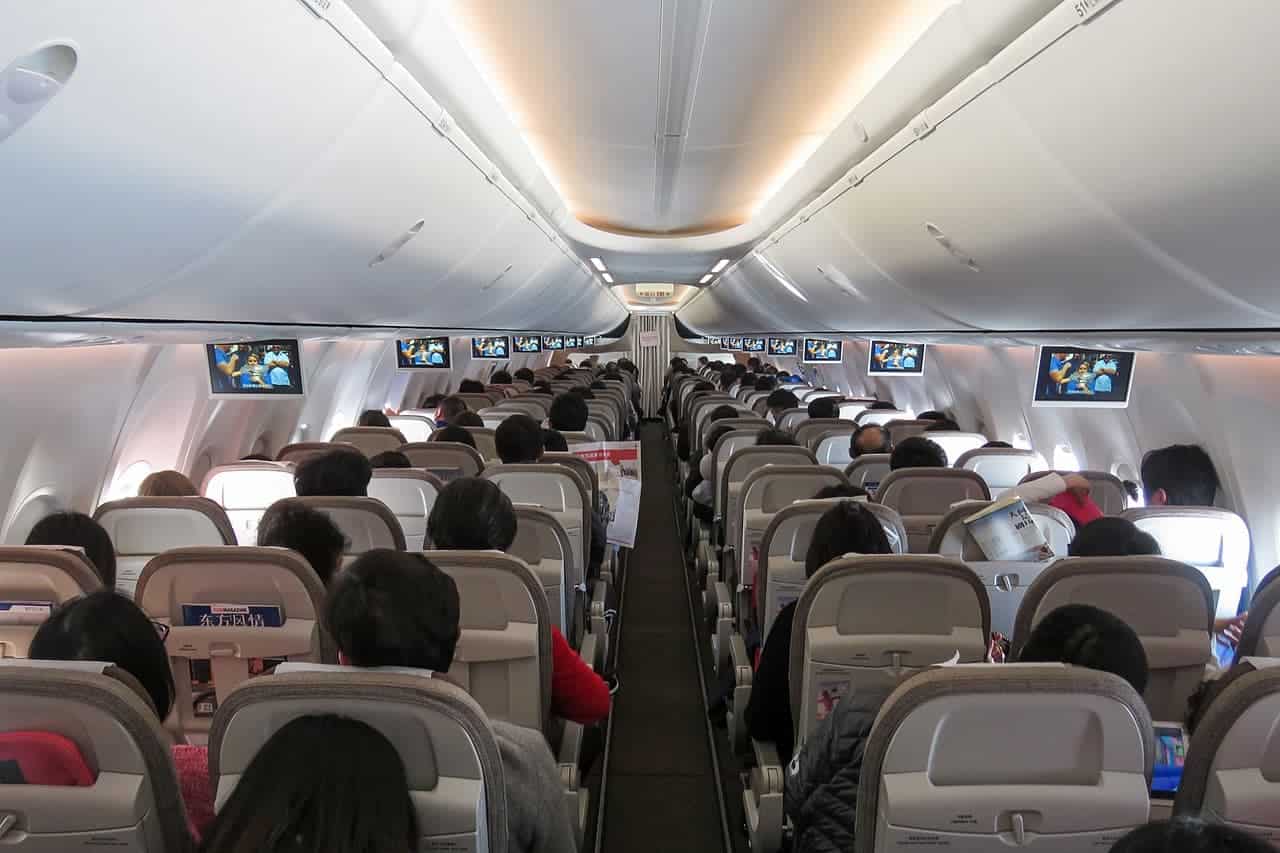
On July 27, 2026, the FAA proposed a new airworthiness directive for Boeing 737-8, 737-9, and 737-8200 jets after receiving a report that some passenger seats were not correctly locked into their floor tracks. The proposal, published in the Federal Register, would require operators to inspect the seat track fittings on every affected seat.
The FAA said an incorrectly installed seat could come loose under a heavy load, turbulence, or an emergency landing, and could injure people nearby or block the aisle during an evacuation.
What the FAA found
According to the FAA’s proposed rule, some track-mounted 737 MAX passenger seats had their aft fitting shear plungers, the small pins that lock a seat leg into the floor track, not fully lowered and engaged. A seat installed this way looks normal and functions normally in everyday use.
The risk only shows up under stress. If the aircraft hits severe turbulence or makes a hard landing, a seat that was never fully locked in can shift or detach from the track entirely.
Why the aisle matters
A detached seat is not just a passenger-injury risk. If it shifts into the aisle, it can physically block the path passengers and crew rely on to evacuate within the 90 seconds regulators require an airliner to clear in a certification test.
What operators would have to do
The proposed AD points operators to a Boeing service bulletin issued on December 10, 2025, covering the inspection procedure. Airlines would check the left and right side fittings of each track-mounted seat and correct any that are not properly engaged.
The FAA estimates the rule would affect 453 US-registered jets, with as many as 69 track-mounted seat assemblies per airplane. It puts the inspection cost at $85 per seat in labor, and says Boeing has indicated some of that cost may be covered under warranty.
This is still a notice of proposed rulemaking, not a final order. The FAA is taking public comment through September 10, 2026, before it issues a final AD with a compliance deadline.
Proposal, not a mandate yet
Nothing in this rule is currently required. Operators do not have to inspect anything until the FAA closes the comment period and publishes a final airworthiness directive.
Seat tracks are a mundane-sounding part of an airplane, but they are certified to hold a seat in place through the same 16g emergency-landing loads the rest of the cabin structure has to survive. An installation defect that quietly defeats that margin is exactly the kind of issue an airworthiness directive exists to catch after the aircraft is already in service.
It is also the latest in a run of 737 MAX directives this year. In July, the FAA detailed the fleet’s ongoing cabin-overheating fix, a separate issue affecting a different system on the same jet family.
Sources and references used for research and fact-checking.
Get the Newsletter
The latest aviation news and stories sent to your inbox.
About the Author
Tim is the owner and lead editor of AeroCorner since 2019, overseeing aviation content covering aircraft, airlines, airports, and the broader aviation industry. Through years of researching, writing, editing, and publishing aviation-focused content, he has developed extensive practical knowledge of commercial aviation and air travel. Based in Asia and a frequent traveler himself, Tim also brings firsthand passenger experience to AeroCorner’s coverage. Outside of publishing, he has also explored aviation firsthand through hands-on flight training in New Zealand.