

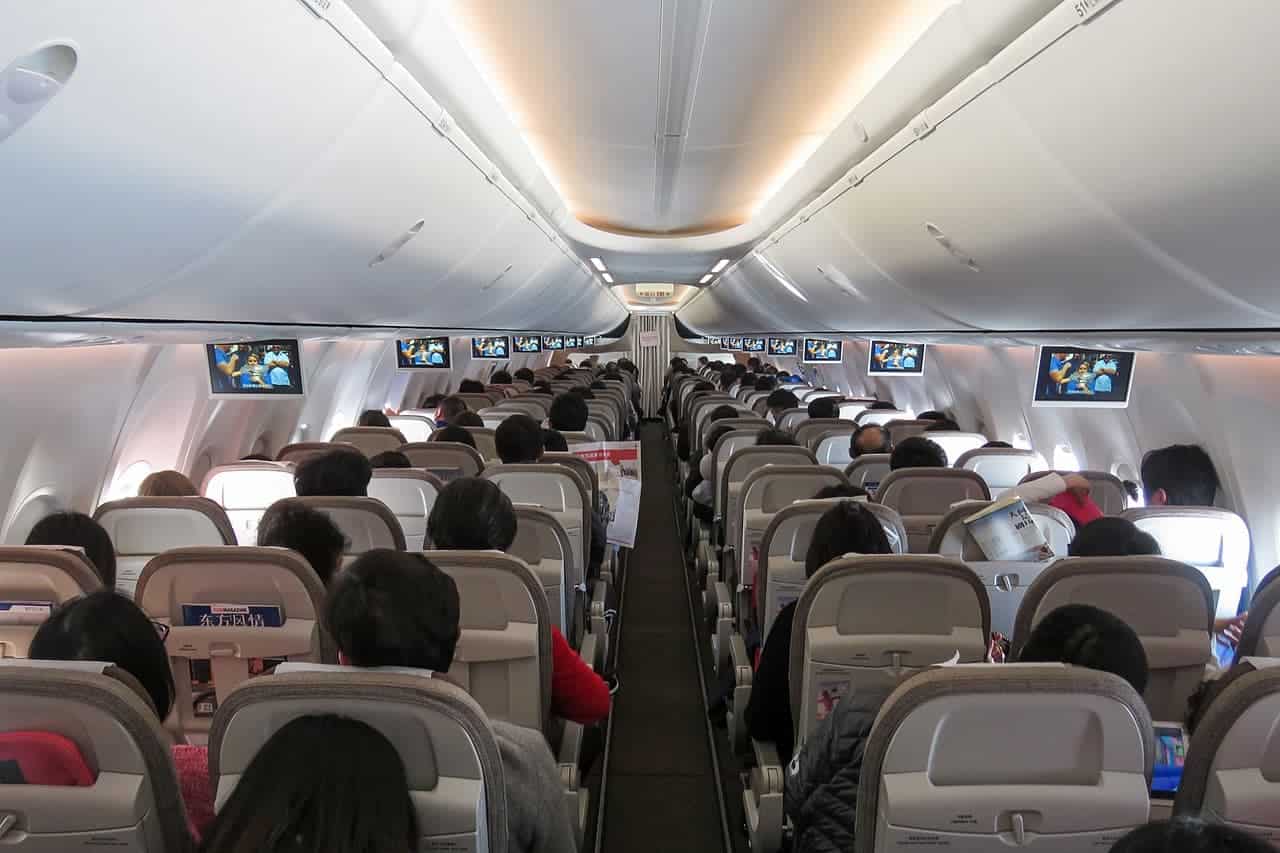
A revised US Federal Aviation Administration airworthiness directive that took effect on July 13, 2026, is the latest sign that the fix for the Boeing 737 MAX cabin-overheating problem is still a temporary one. Five months after the FAA first ordered action across the 737-8, 737-9, and 737-8200 fleet, pilots are managing the fault with a checklist while the permanent engineering solution remains in development.
The problem, in plain terms
According to the FAA, the fault sits in the aircraft’s air-conditioning and electrical systems. A tripped circuit breaker tied to the standby power control unit can cause the air-conditioning packs to malfunction and drive an uncontrollable, excessively high temperature into the cabin and the flight deck. The agency acted after in-flight events where crews could not bring the temperature back down using existing procedures, including one involving a Southwest Airlines jet.
It is worth being clear about why regulators treat this as a safety issue rather than a comfort one. An environmental control system that runs toward high temperatures can, in the worst case, affect the crew’s ability to function and the reliability of flight-deck equipment. That is the reason the FAA classified it as an unsafe condition and required an immediate, mandatory response rather than a routine service bulletin.
Why the current fix is only a stopgap
An airworthiness directive is a legally binding order: once the FAA issues one, operators must comply to keep flying the affected aircraft. The directive covering this fault applies to the entire in-service MAX fleet in these three variants, roughly 2,119 aircraft worldwide, of which about 771 are registered in the United States.
The directive does not remove the fault from the aircraft. Instead it puts a procedure in the pilots’ hands: operators had to revise the airplane flight manual so crews have a non-normal checklist that walks them through a controlled descent, an attempt to reset the tripped circuit breaker, and, if that fails, switching the engine bleed air off. It is a common way for regulators to keep a fleet in service, closely related to how airlines already fly with known equipment issues.
Where things stand
As of mid-July 2026 the fix is a crew procedure, not a hardware change. The FAA has revised the directive more than once since February, but each version has kept the same core approach: manage the fault with a checklist until Boeing’s permanent solution is ready.
That the directive has been reissued more than once underscores the point. The February order was explicitly an interim measure, and the FAA has amended it since, most recently in the version effective July 13. None of those revisions replaced the checklist with a hardware fix, which is the clearest signal that the durable solution has not yet reached the fleet.
February 2026
Interim directive issued. The FAA orders all 737-8, 737-9, and 737-8200 operators to add a cabin-overheating checklist to the flight manual within 30 days.
July 1, 2026
First revision takes effect. A superseding directive updates the required crew procedures.
July 13, 2026
Latest revision takes effect. AD 2026-14-11 replaces the July 1 version while keeping the same core procedure, and the interim checklist remains the operative safeguard.
What a permanent fix will look like
Boeing has said it is developing a permanent engineering solution and expects it in place before the smaller 737 MAX 7 and the larger MAX 10 complete certification, which ties the fix to the timeline for the two variants still awaiting approval. The company has said it does not expect the overheating issue to delay those certifications.
Until that engineering change is delivered and mandated across the in-service fleet, the crew procedure at the center of these directives remains the safeguard. For passengers, the practical takeaway is narrow: the fault is real but rare, and the fleet keeps flying under a checklist the FAA considers adequate for now. For anyone tracking the 737 MAX program, the more telling detail is that the paperwork is still interim, and it will likely stay that way until the permanent fix arrives.
Sources and references used for research and fact-checking.
Get the Newsletter
The latest aviation news and stories sent to your inbox.
About the Author

Tim is the owner and lead editor of AeroCorner since 2019, overseeing aviation content covering aircraft, airlines, airports, and the broader aviation industry. Through years of researching, writing, editing, and publishing aviation-focused content, he has developed extensive practical knowledge of commercial aviation and air travel. Based in Asia and a frequent traveler himself, Tim also brings firsthand passenger experience to AeroCorner’s coverage. Outside of publishing, he has also explored aviation firsthand through hands-on flight training in New Zealand.