

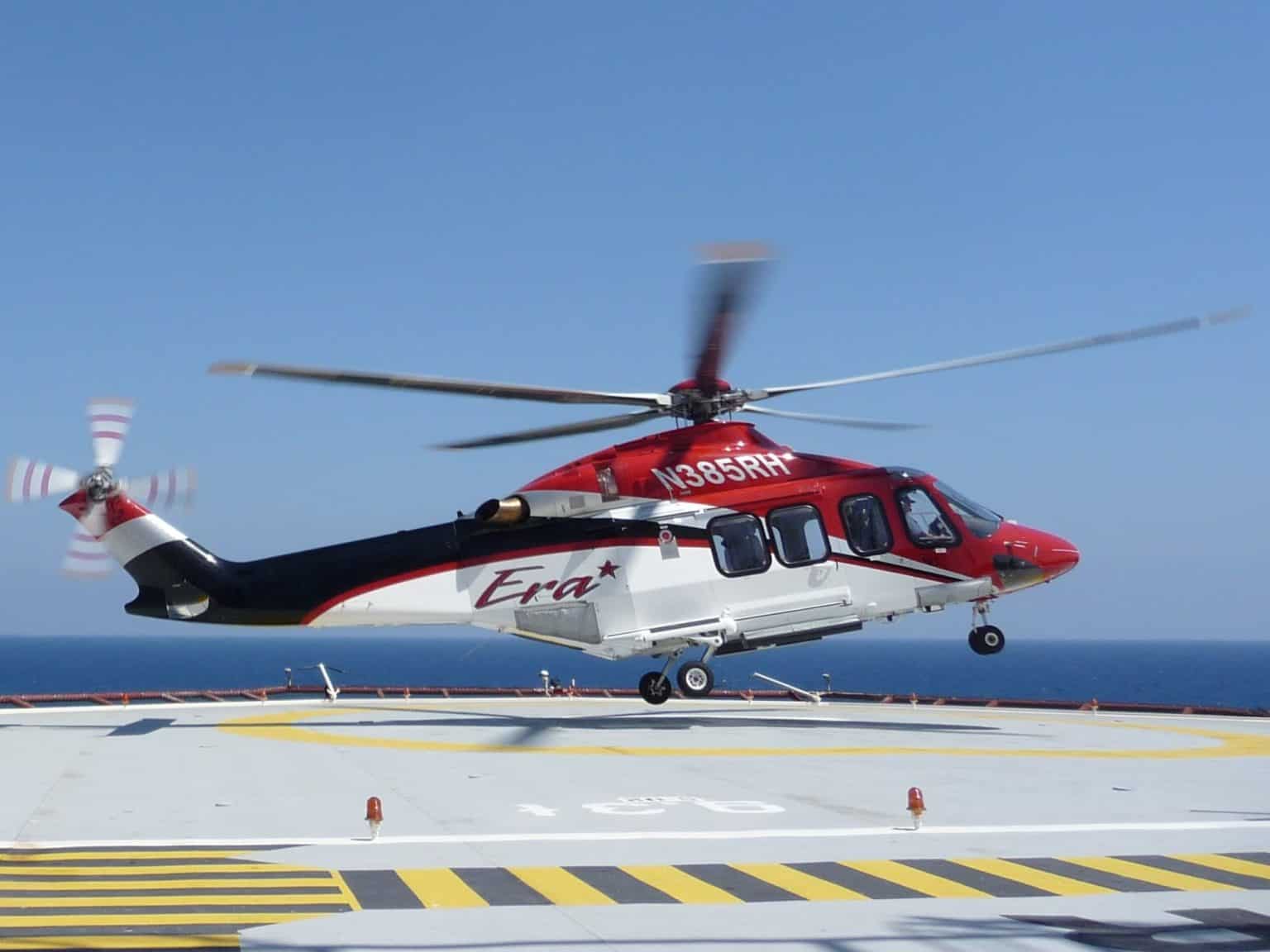
The FAA issued an emergency airworthiness directive on October 1, 2026, ordering operators of Leonardo AB139 and AW139 helicopters to inspect a clamp on the engine’s exhaust duct after one separated and struck the tail rotor drive shaft. The AD takes effect October 16, and the FAA skipped the usual public-comment period before issuing it.
What went wrong
The AD was prompted by a report that a nozzle exhaust duct clamp separated from its seating on the engine’s exhaust duct and came to rest on the tail rotor drive shaft, damaging it, according to the FAA’s notice in the Federal Register.
The drive shaft is part of the system that lets a helicopter counter its main rotor’s torque and control which way the nose points, as AeroCorner’s explainer on how helicopters turn covers. The FAA said damage to it could cause loss of control around the yaw axis.
The FAA’s AD adopts, in full, an EASA directive issued August 18, 2026, which calls for repeatedly inspecting the clamp’s external and lateral surfaces for cracks and other damage, and replacing parts depending on what the inspection finds. It also bars installing an affected clamp assembly unless certain conditions are met.
A short compliance window
The FAA says affected clamp assemblies must be inspected within 25 hours of flight time after the AD takes effect, too short a window to allow the normal public-comment process first.
Why the FAA skipped the comment period
The FAA said it found good cause to adopt the AD immediately because the drive shaft is critical to helicopter control and could fail during any phase of flight without warning if a clamp detaches and contacts it. The agency said it has no information on how extensive the damage might be on an affected clamp, making the risk impossible to bound in advance.
Because the required first inspection falls due within 25 hours of flight time, sooner than a standard rulemaking process could finish, the FAA said opening the AD for comment before adoption would have been impracticable and contrary to the public interest.
Who it affects
The FAA estimates the AD affects 57 helicopters on the U.S. registry. It put the cost of the initial inspection at $170 per helicopter, about $9,690 across the fleet, and said replacing a damaged clamp assembly would run about $2,909 per helicopter, some of which may be covered under warranty.
The type began as the Agusta-Bell AB139 before Bell exited the partnership in 2005; Agusta, now part of Leonardo, took over production and renamed it the AW139. It has since become one of the best-selling helicopters in its class, flown for offshore energy transport, search and rescue, air ambulance and VIP work, so the affected US fleet cuts across both commercial and government operators rather than a single niche.
It follows other recent helicopter ADs with a flight-control angle: the FAA finalized updated tail rotor inspection rules for the Airbus AS350 AStar family in July.
What happens next
The FAA called the AD an interim action and said it may pursue further rulemaking if more information about the clamp failure emerges. The agency is accepting public comments on the AD through November 16, 2026, under docket FAA-2026-11789.
Sources and references used for research and fact-checking.
Get the Newsletter
The latest aviation news and stories sent to your inbox.
About the Author
Tim is the owner and lead editor of AeroCorner since 2019, overseeing aviation content covering aircraft, airlines, airports, and the broader aviation industry. Through years of researching, writing, editing, and publishing aviation-focused content, he has developed extensive practical knowledge of commercial aviation and air travel. Based in Asia and a frequent traveler himself, Tim also brings firsthand passenger experience to AeroCorner’s coverage. Outside of publishing, he has also explored aviation firsthand through hands-on flight training in New Zealand.