

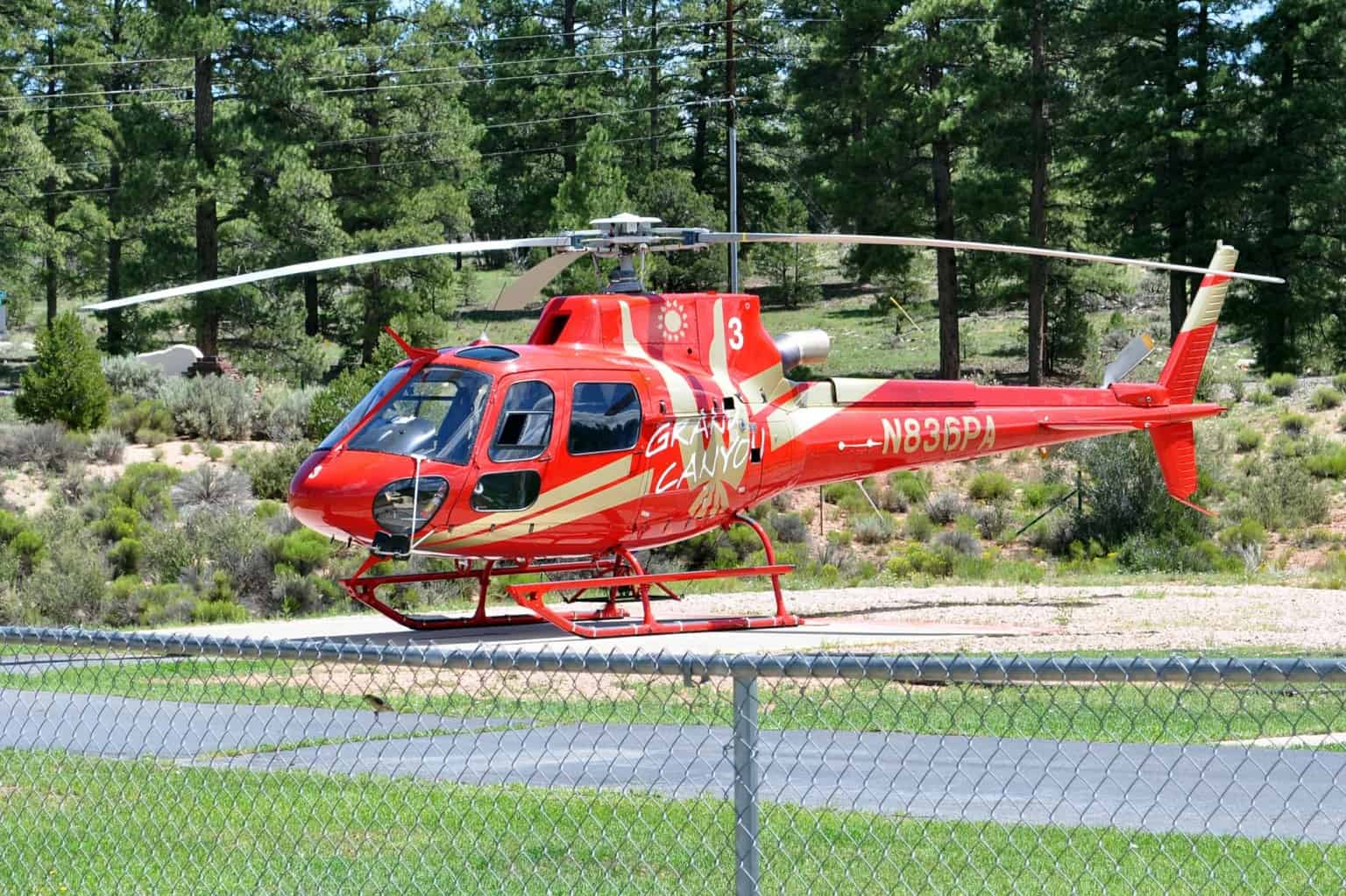
On July 21, 2026, an updated FAA airworthiness directive took effect covering the tail rotor head of the Airbus Helicopters AS350 and AS355 families, the single-engine AStar and the twin-engine TwinStar. It supersedes a 2023 directive and is one of several AStar-family rules the agency finalized the same day.
The action is not a grounding. It is a refinement of a requirement that has been in place for years, and it changes what mechanics must inspect and how often.
What the directive covers
The directive targets the tail rotor head pitch change unit, the assembly that lets the pilot’s pedals change the pitch of the tail rotor blades. It was prompted by an in-service finding in which inspectors detected excessive play and wear in one of these units, traced to unwanted rotating motion of the pitch change spider nut.
The FAA describes the unsafe condition as improper installation of that nut and misalignment of a black paint index mark used to spot it. Left undetected, the agency says, this could lead to failure of the tail rotor head pitch change unit.
The earlier rule required operators to apply a paint index mark and then repeatedly check its alignment. The new directive ends that repetitive check, because separate airworthiness limitations now govern the part’s service life, while keeping the installation controls. It applies across the AS350 B, BA, B1, B2, B3 and D models and the AS355 twins.

Why a tail rotor rule matters
A helicopter’s tail rotor does two jobs. It counters the torque of the spinning main rotor, and it gives the pilot control in yaw, the side-to-side pointing of the nose. That is the force that keeps a helicopter flying straight instead of spinning.
The pitch change unit is how pedal inputs reach the tail rotor blades, so wear or a loose fastener there is a control-path concern rather than a cosmetic one. That is why the regulators want it inspected and controlled by hard life limits.
The reach is wide because the AStar is one of the most common civil helicopters in the world. Built now by Airbus Helicopters, it flies air ambulance, law enforcement, sightseeing, powerline and high-altitude utility missions, so a fleet-wide directive touches a large working population of aircraft.
The rule also shows how directives travel between regulators. The original finding came from Europe: the European Union Aviation Safety Agency issued its directive in December 2021, the FAA adopted a matching version in 2023, and the July 2026 update reflects revised limitations. Because the AStar is EASA-certified, the FAA typically mirrors EASA action for US-registered helicopters, the same pattern seen in a recent Diamond DA42 rudder directive.
Reality check
This is a maintenance rulebook update, not an emergency. The directive supersedes a 2023 requirement, removes one repetitive inspection now covered by new life limits, and keeps installation controls on the tail rotor head. There is no order to stop flying the AStar.
Sources and references used for research and fact-checking.
Get the Newsletter
The latest aviation news and stories sent to your inbox.
About the Author

Tim is the owner and lead editor of AeroCorner since 2019, overseeing aviation content covering aircraft, airlines, airports, and the broader aviation industry. Through years of researching, writing, editing, and publishing aviation-focused content, he has developed extensive practical knowledge of commercial aviation and air travel. Based in Asia and a frequent traveler himself, Tim also brings firsthand passenger experience to AeroCorner’s coverage. Outside of publishing, he has also explored aviation firsthand through hands-on flight training in New Zealand.