

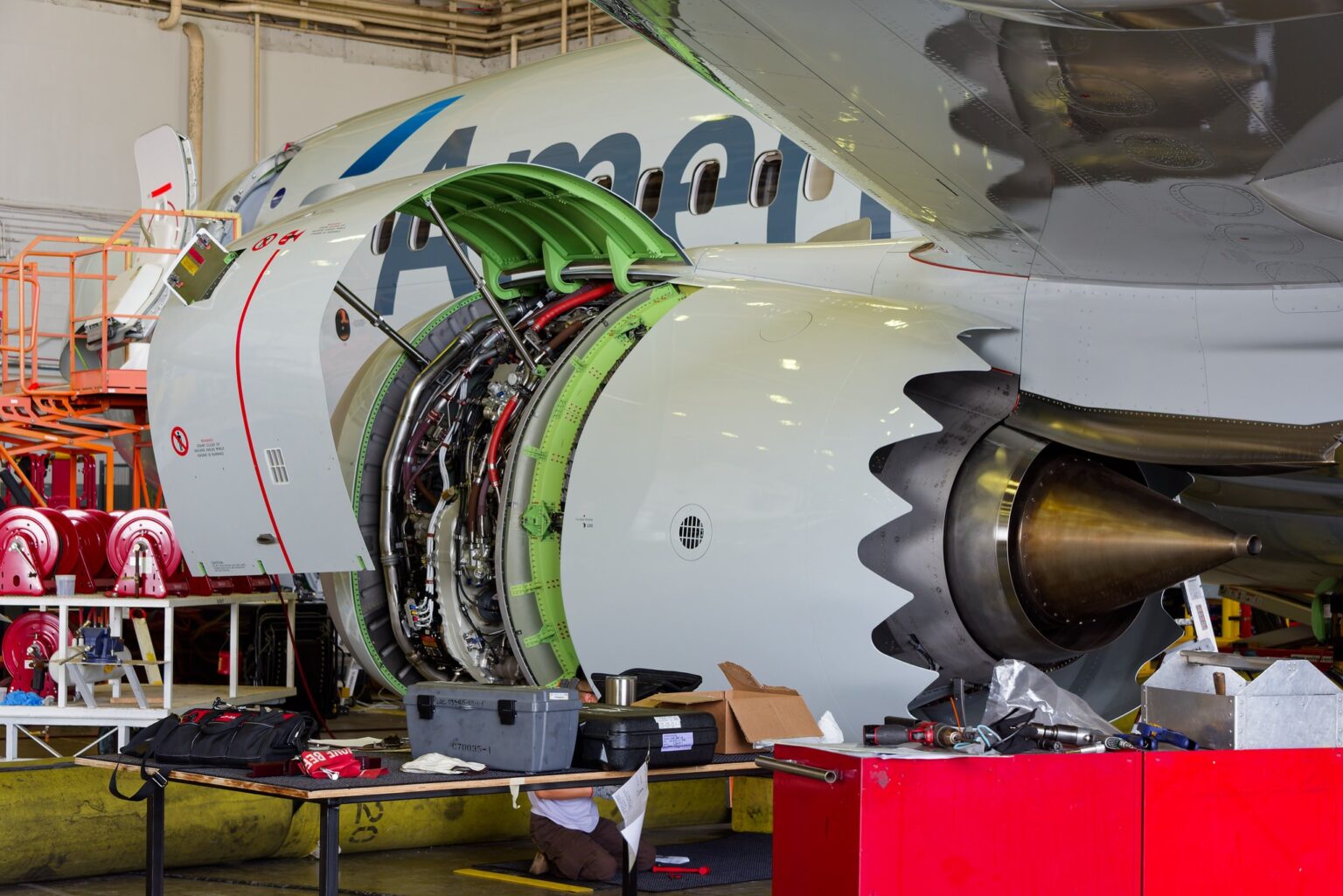
The FAA has ordered inspections of the sealant gasket on the engine fuel shutoff valve access panel of Boeing 737 MAX and 737NG jets, after a leak check found a leak through it. Two airworthiness directives, AD 2026-21-07 and AD 2026-21-08, were published in the Federal Register on October 27, 2026, and take effect on December 1, 2026.
Together they cover 1,463 airplanes on the US register, according to the FAA’s own estimates. The agency says the flaw, left alone, could let fuel leak onto the engine exhaust nozzle and start a fire on the ground.
Two directives, one production flaw
AD 2026-21-07 applies to the 737 MAX 8, the MAX 9 and the 737-8200. AD 2026-21-08 covers the older 737-700, 737-700C, 737-800 and 737-900ER.
Both trace back to the same finding. A leak through the form-in-place (FiP) gasket at the panel turned up during a leak check carried out as part of a nonconformance disposition on 737-8, 737-9 and 737-8200 airplanes.
According to the FAA, the fairing requirements at the panel left thin regions in the gasket, so Boeing applied extra sealant after the original gasket had already cured, a step that was not permitted. That left an uneven sealing surface, and fuel leaked past it.
The leak was found on MAX jets, but the FAA applies the same finding to the 737NG. It also widened the 737NG directive after Boeing reported that some airplanes had been wrongly left out of its first service bulletin.
Those airplanes are tied to an earlier directive, AD 2013-08-18: they had the FiP gasket fitted in production, but no fluid leak test was required. Boeing reissued the bulletin on June 25, 2026, to add their serial numbers.
What operators have to do
On the 737NG, mechanics must do a detailed inspection of the left and right FiP gaskets for correct sealant, then a fluid leak test of the panels. On the MAX, the inspection depends on configuration: either the FiP gasket is checked for correct sealant or a preformed seal is checked for damage, followed by the same leak test.
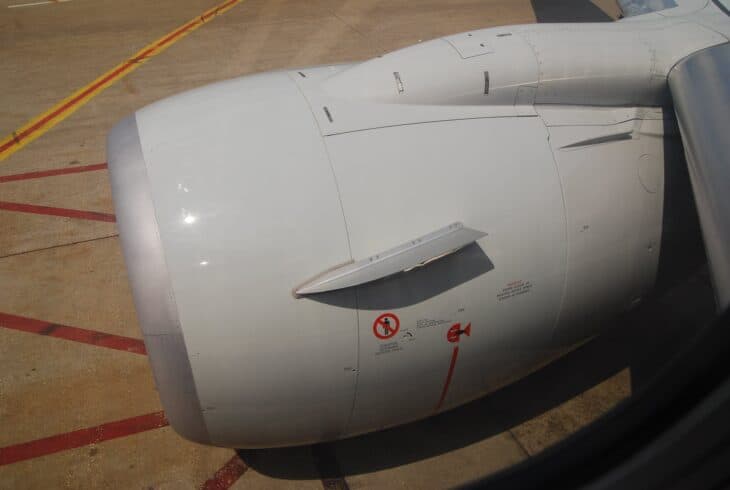
The test is a pass or fail with water. Under the directives’ wording, if any water leaks from the panel in less than two minutes, the test has failed.
A failed test means replacing the FiP gasket and repeating the test until nothing leaks. On some MAX configurations, the fix is instead to swap the sealant for a removable fay seal, a seal between the panel’s mating surfaces.
The deadlines are not printed in the directives. Both point to compliance times in Boeing’s alert requirements bulletins, 737-57A1358 RB for the MAX and 737-57A1359 RB for the 737NG, counted from the December 1 effective date.
| 737 MAX (AD 2026-21-07) | 737NG (AD 2026-21-08) | |
|---|---|---|
| Models | 737-8, 737-9, 737-8200 | 737-700, -700C, -800, -900ER |
| US airplanes | 433 | 1,030 |
| Inspection | 1 work-hour, $85 | 1 work-hour, $85 |
| Leak test | 1 work-hour, $85 | 1 work-hour, $85 |
| Replacement if it leaks | Up to $1,255 | $170 |
| Boeing bulletin | 737-57A1358 RB | 737-57A1359 RB, Rev. 1 |
The bill is small per airplane. The FAA puts the inspection and leak test at about $170 per jet before any replacement, and notes that Boeing says some or all of the cost may be covered under warranty.
Why a small panel seal matters
A form-in-place gasket is not a pre-cut rubber seal. It is sealant applied to the panel and left to cure where it sits, so its thickness depends on how it was laid down.
That is why the FAA singles out the touch-up. Adding sealant over a gasket that has already cured does not blend into one even surface, and an uneven surface is where fuel finds a way through.
Location raises the stakes: both directives file the job under ATA chapter 57, wings, and the panels sit on the left and right wings, which on a 737 also hold fuel. Our explainer on wet wing fuel tanks covers how that works.
The FAA links the leak to one specific hazard: fuel reaching the engine exhaust nozzle, with a possible fire on the ground. It does not describe any in-flight event tied to the gasket.
What the airlines asked
The proposals were published in March 2026 and drew comments from American Airlines, Southwest Airlines, United Airlines, Aviation Partners Boeing and, on the MAX rule, the Air Line Pilots Association, which backed it without change.
American asked the FAA to merge the two rules into one. The agency declined, saying separate directives let it act on each model even if one of Boeing’s bulletins runs late.
Southwest asked whether airlines could go back to maintaining the panel by Boeing’s maintenance manual once the checks are done, without a special approval. The FAA said yes, noting that the flaw was introduced in production and that it has had no reports of in-service anomalies introduced during maintenance under the manual.
Boeing has added notes to that manual task to prevent sealant touch-ups after the first application, and aligned its leak test with the one in the bulletins. The directives follow the FAA’s October 19 order for stabilizer freeplay checks on the 737NG.
Sources and references used for research and fact-checking.
Get the Newsletter
The latest aviation news and stories sent to your inbox.
About the Author

AeroCorner News is the aviation news desk of AeroCorner.com. It covers accidents and incidents, safety rulings, airline and airport disruption, and new aircraft. It works from primary sources such as the NTSB, FAA, EASA and the manufacturers' own announcements.