

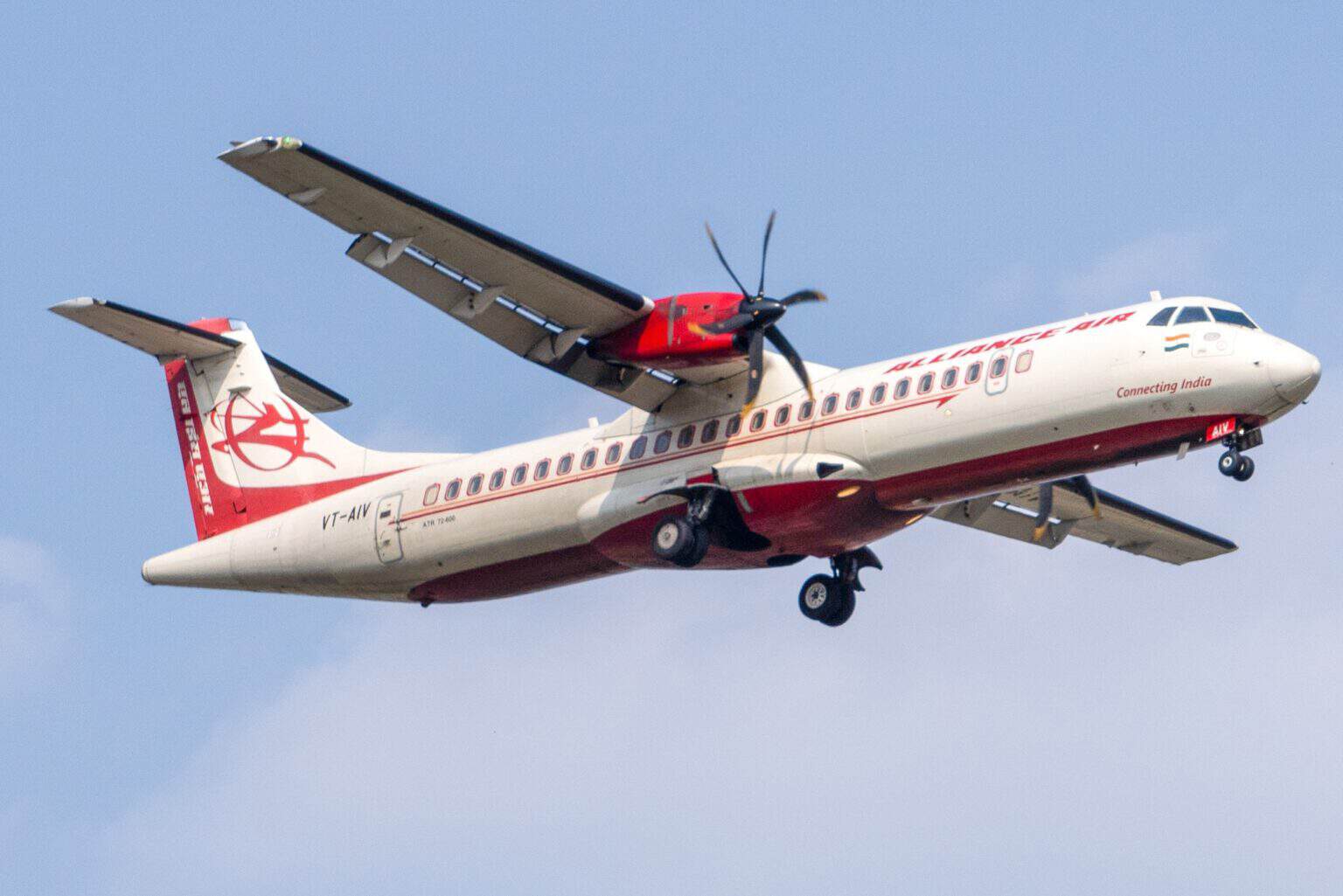
The FAA has proposed an airworthiness directive that would make US operators of ATR 42-500 and ATR 72-212A turboprops replace faulty integrated air system control (IASC) software. The proposal follows two in-service events in which the cabin pressure rose abnormally fast during takeoff.
The notice of proposed rulemaking, docket FAA-2026-13823, went on public inspection on November 20 and is scheduled to publish in the Federal Register on November 23, 2026. It is a proposal, not yet a binding rule, and it opens a 45-day comment period.
What went wrong with the IASC software
The FAA rule adopts EASA AD 2026-0038, which Europe’s regulator issued on February 26, 2026, and which took effect there on March 12. The US action therefore arrives about nine months after the European one.
According to EASA, investigators traced both events to an internal failure of the IASC’s analog-to-digital converter. That failure can turn the pressure sensor’s readings into wrong digital values.
Acting on those bad values, the system can drive the outflow valve fully closed at full speed without being commanded to. The result, in EASA’s words, is rapid cabin pressure variation that could have “adverse physiological effects” on the people on board.
Neither regulator identifies the operators, aircraft or dates of the two events, and neither reports any injuries.
Why a closing outflow valve matters
A pressurized airliner keeps its cabin at a comfortable pressure by pumping air in and letting a controlled amount out through the outflow valve. The controller opens and closes that valve to set how fast the “cabin altitude” climbs or descends.
If the valve closes fully while air keeps flowing in, pressure builds inside the cabin. The regulators describe this as a high negative cabin altitude rate: the cabin behaves as if it were descending quickly, even though the aircraft is taking off.
That kind of fast pressure change is felt mainly in the ears and sinuses, which need time to equalize. It is the opposite of a decompression, where the cabin loses pressure.
The part numbers and the fix
The affected software is IASC SW 3.1, part number 71236A010201, on ATR 72 aircraft, and IASC SW 4.0, part number 71236A010301, on ATR 42 and ATR 72 aircraft. The fix is IASC SW 5.0, part number 71236A010401, or later approved software.
EASA says ATR developed version 5.0 to remove the faulty conversion logic, and published the installation steps in service bulletins ATR42-21-0083 and ATR72-21-1065, both dated November 19, 2025.
The directive covers all serial numbers, but the upgrade deadline applies only to “Group 1” aircraft, defined by specific production modifications. For those, EASA set a limit of 750 flight hours or six months, whichever comes first.
The FAA rule would start that clock on its own effective date rather than EASA’s.
Every other aircraft of the two models is barred from having the old software installed. Group 1 aircraft fall under the same ban once they have been upgraded.
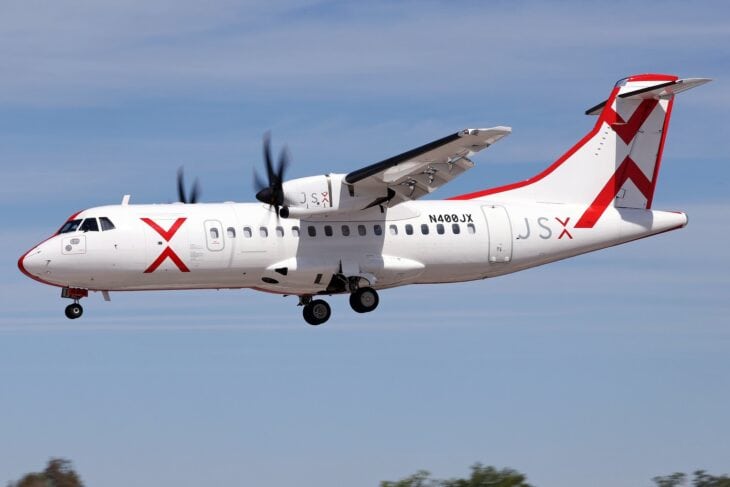
The model names matter for operators of newer airframes. The ATR 72-600 is a marketing name for the ATR 72-212A, and the ATR 42-600 is certified as an ATR 42-500, so both fall within the directive’s scope.
What it costs US operators
The FAA estimates the rule would affect 20 airplanes of US registry. It puts the work at up to 2 labor hours, or $170, plus up to $50,000 in parts, for a total of up to $50,170 per aircraft.
Across the US fleet that comes to as much as $1,003,400. The FAA adds that, according to ATR, some or all of the cost may be covered under warranty.
Beyond the start date, the US version differs from the European text in three ways. It drops EASA’s requirement to report information to the manufacturer, it does not adopt EASA’s “Remarks” section, and it replaces ATR’s own approved instructions for later software with a method approved by the FAA, EASA or ATR’s EASA design organization.
It is the latest in a run of airworthiness actions on the type. Earlier this month EASA shortened de-icing valve check intervals on the same two models.
What happens next
Comments are due 45 days after publication, which works out to January 7, 2027, and can be filed on regulations.gov under docket FAA-2026-13823. The FAA can amend the proposal in response before it issues a final rule.
Until then, the European directive already binds ATRs registered in EASA member states, where the Group 1 deadline, six months at most from March 12, has already passed.
November 19, 2025
ATR service bulletins. ATR issues SB ATR42-21-0083 and SB ATR72-21-1065 for the IASC SW 5.0 upgrade.
January 19, 2026
EASA proposal. EASA posts the action as PAD 26-007, open for comment until February 16.
February 26, 2026
EASA AD 2026-0038. The final European directive is issued, effective March 12.
November 18, 2026
FAA proposal signed. The FAA issues its NPRM adopting the EASA AD for US-registered aircraft.
November 23, 2026
Federal Register. The proposal publishes, opening a 45-day comment period.
Sources and references used for research and fact-checking.
Get the Newsletter
The latest aviation news and stories sent to your inbox.
About the Author

AeroCorner News is the aviation news desk of AeroCorner.com. It covers accidents and incidents, safety rulings, airline and airport disruption, and new aircraft. It works from primary sources such as the NTSB, FAA, EASA and the manufacturers' own announcements.