

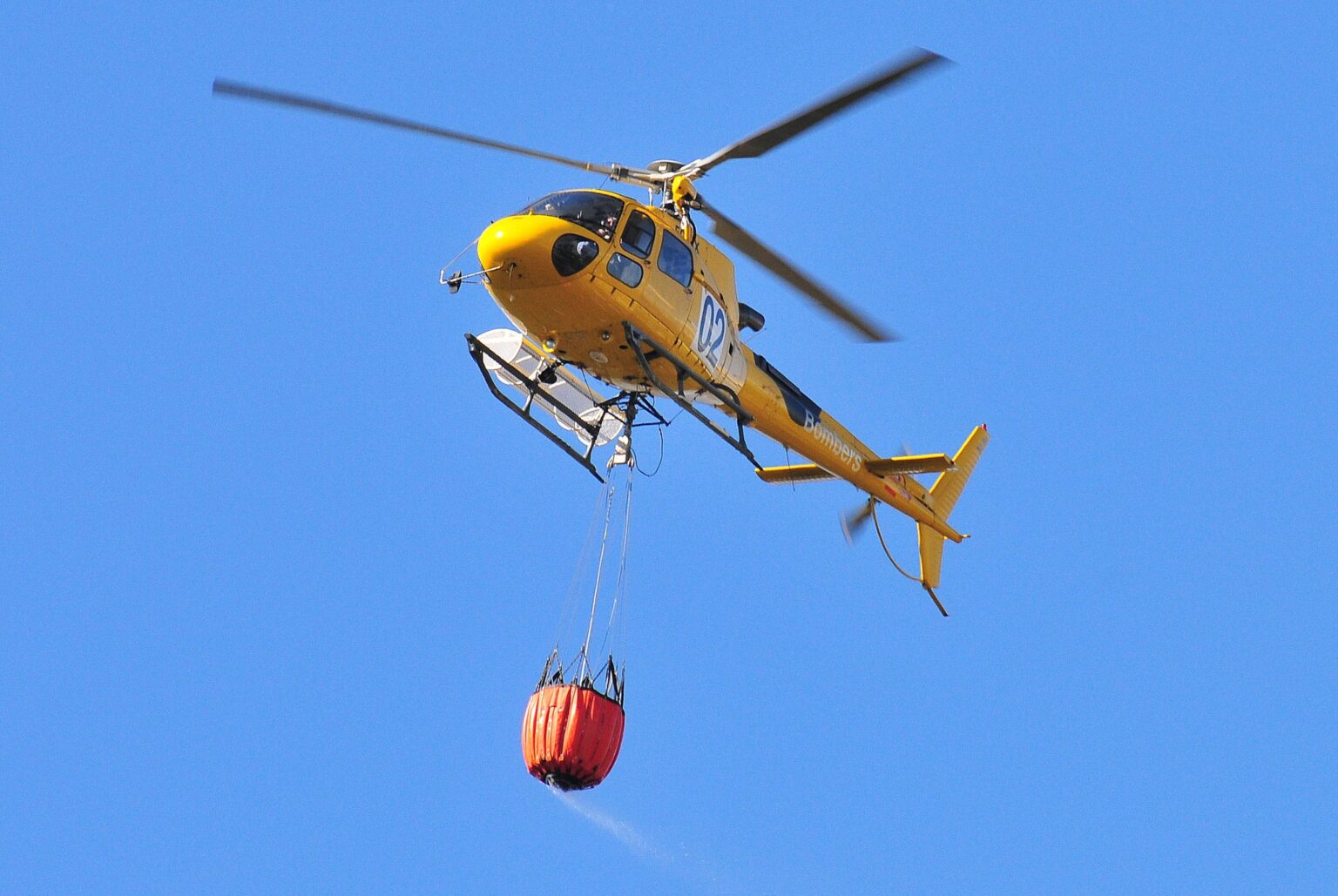
On October 27, 2026, the FAA published AD 2026-22-01, which orders inspections of the cargo hook release system on Airbus Helicopters AS350B2, AS350B3, AS355N, AS355NP and EC130B4 models after a load came off the hook without the pilot releasing it. The rule takes effect November 12, and the FAA estimates it affects 1,134 US-registered helicopters.
The load was a water bucket, lost during a pickup. Neither the FAA nor the European Union Aviation Safety Agency (EASA) names the helicopter, the operator, the place or the date, and neither mentions any injuries from that event.
What went wrong
EASA AD 2026-0146, issued July 24, says the Bambi bucket released immediately after it had been loaded with water.
EASA says further investigation found that the release mechanism could not be adjusted properly because the release activation cable was in poor condition. The cable appeared twisted and no longer met its length tolerances.
The FAA’s concern is a cargo load lost in flight that injures people on the ground. Both regulators call their directive an interim action, and EASA says further action may follow.
What owners and mechanics have to do
The FAA rule adopts the EASA directive by reference, so the European document sets the steps. It writes its inspections for what it calls Group 1 helicopters, those fitted with the Onboard Systems 3500LB system, P/N 704A41811035.
Those aircraft need a visual inspection of the dropping control, without removing it, plus an inspection for free play in the manual release lever. Both are due within 50 sling cycles or 30 days after November 12, whichever comes first, which makes December 12 the latest possible date.
The FAA counts one external load operation as a sling cycle, and also one landing, whether or not the rotor stops.
The free play inspection then repeats: it has to be done within the 24 hours before any operation using the cargo swing. There is no terminating action, so that requirement has no end date for now.
A discrepancy means a closer inspection of the dropping control before the next flight, and, if that also finds a problem, corrective action before the next flight. The FAA describes that work as removing and inspecting the control, adjusting the emergency release control or replacing the dropping control.
Helicopters without that Onboard system are Group 2, and EASA’s inspection paragraphs do not name them. But on any of these helicopters, a dropping control with P/N 704A41811037 can only be installed if it is new or has passed the inspection, and it then falls under the repeating check.
The key dates
AD 2026-22-01 takes effect November 12, 2026. The first inspections are due within 50 sling cycles or 30 days. Comments on the rule close December 11, 2026.
The one US change that matters
EASA allows a suitably authorized pilot, or a pilot-owner, to do the recurring free play check. The FAA does not carry that over: it calls the check an inspection and requires it to be done by persons authorized under 14 CFR 43.3, the section on who may perform maintenance.
For a US operator flying swing work most days, that turns a 24-hour check into a recurring maintenance task. The FAA prices each inspection at one work-hour, or $85, and gives no yearly total.
Its fleet figure is $96,390 for the one-time dropping control inspection and the same again for each round of lever inspections. If a problem turns up, removing, inspecting and adjusting the control is estimated at $170, and replacing it at $1,285, including $1,200 in parts.
Why a release lever gets this much attention
A release on a cargo hook exists so a crew can drop a load quickly in an emergency. The general US design standard for external loads, 14 CFR 27.865, asks for a quick-release system on jettisonable loads, with primary and backup subsystems kept isolated from each other.
EASA ties this rule to the mechanical emergency release on the cargo swing, a control that has to work on demand. In the reported case, the load came off with no release input from the pilot.
Free play generally means the small movement a lever has before it starts acting on what it controls. The exact limits are in Airbus alert service bulletins AS350-05-00-0005, AS355-05-00-0006 and EC130-05-00-0003, which are not reproduced in either directive.
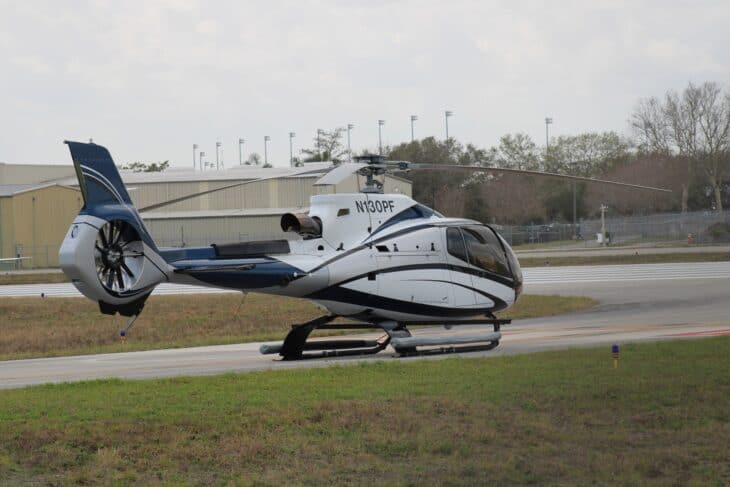
Airbus says the H125, its current name for the AS350 B3e, can lift 3,086 pounds (1,400 kg) as an external sling load and works in firefighting and powerline jobs, so H125 owners should read the AS350B3 line as theirs. The directive also lists the AS355 N and NP and only the B4 version of the EC130.

Two other recent cargo rules on this family
The same five models were covered by AD 2025-24-06, effective January 12, 2026. That rule followed a lost cargo load traced to an incorrectly adjusted release cable, and it required a one-time inspection on helicopters with the same Onboard system.
The new AD does not replace that rule, and it adds the repeating check. A separate rule, AD 2026-12-10, effective August 3, 2026, went after a nonconforming cargo hook on AS350 models.
The AStar line is also facing a proposed servo-control torque check, a separate issue published this month. Comments on the cargo hook AD go to docket FAA-2026-11816.
Sources and references used for research and fact-checking.
- FAA (Federal Register), Airworthiness Directives; Airbus Helicopters (final rule; request for comments, AD 2026-22-01, FR Doc 2026-21856, 91 FR 67445)
- EASA, AD 2026-0146: Equipment / Furnishings, Mechanical Dropping Control, Inspection (copy hosted by CAAT Thailand)
- FAA (Federal Register), Airworthiness Directives; Airbus Helicopters (final rule, AD 2025-24-06, FR Doc 2025-22279)
- FAA (Federal Register), Airworthiness Directives; Airbus Helicopters (final rule, AD 2026-12-10, FR Doc 2026-13060)
- eCFR via Cornell LII, 14 CFR 27.865, External loads
- eCFR via Cornell LII, 14 CFR 43.3, Persons authorized to perform maintenance, preventive maintenance, rebuilding, and alterations
- Airbus, H125
- Regulations.gov, Docket FAA-2026-11816
Get the Newsletter
The latest aviation news and stories sent to your inbox.
About the Author

AeroCorner News is the aviation news desk of AeroCorner.com. It covers accidents and incidents, safety rulings, airline and airport disruption, and new aircraft. It works from primary sources such as the NTSB, FAA, EASA and the manufacturers' own announcements.