

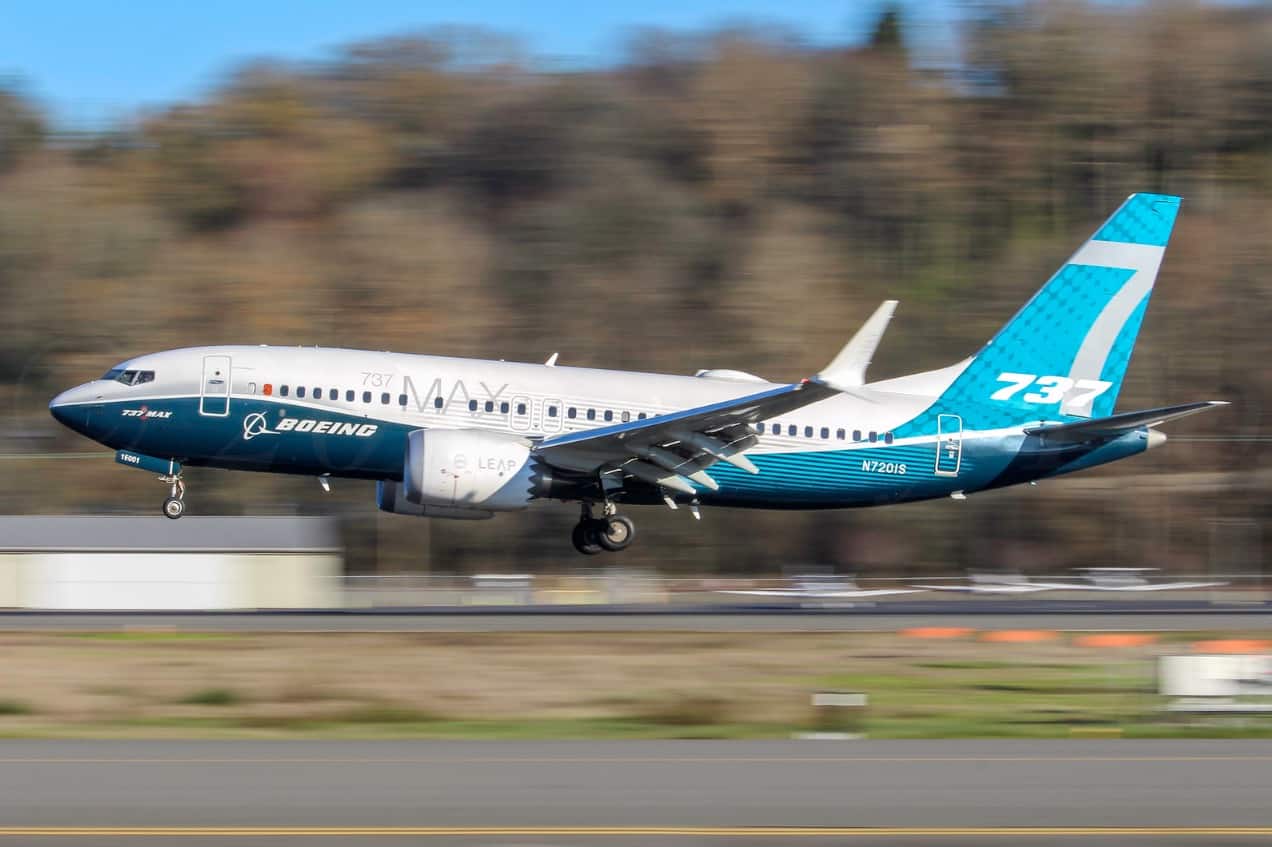
On July 20, 2026, at the Farnborough International Airshow, Deputy FAA Administrator Chris Rocheleau said certification of the Boeing 737 MAX 7 is “literally around the corner.” He added that approval of the larger MAX 10 should follow shortly after.
The comments are the clearest public signal yet that the smallest and largest members of the MAX family are close to the finish line, after years of delay. They came days after Boeing said its own certification work was nearly complete.
What the FAA actually said
Rocheleau told reporters at Farnborough that the agency is “not the roadblock” to the two aircraft, and that the remaining steps are procedural rather than open technical questions. The Wall Street Journal reported that regulators expect to sign off on the MAX 7 in the final weeks of July.
The FAA is also preparing to certify Boeing’s much larger 777X once the two MAX variants clear. Rocheleau put that approval in late 2026 or early 2027, depending on when Boeing submits the last of the required data.
The 737 MAX 7 is the shortest jet in the MAX line, while the larger MAX 10 is the longest. United Airlines and Delta Air Lines are the biggest customers for the MAX 10, and both have been waiting on it to modernize their narrowbody fleets.
Why the MAX 7 took so long
The holdup was not the flight controls that grounded the MAX in 2019. It was the engine anti-ice system, which routes hot air into the engine inlet to keep ice from forming.
The FAA found that leaving that system on for more than about five minutes in dry air could overheat the composite inlet cowl and, in a worst case, shed debris. Boeing first asked the FAA for a time-limited exemption while it designed a permanent fix.
The company Boeing withdrew that exemption request in January 2024, after the Alaska Airlines door-plug blowout and pushback from lawmakers who wanted a redesign rather than a waiver. Engineering that fix, and then proving it, is what consumed the following two years.
Type certification of a new variant is not a single approval. It is a long checklist of tests, analyses, and paperwork that the FAA reviews line by line, which is why “expected soon” has stretched across several years and several revised targets.
More than 20 jets are already built
Southwest Airlines is the launch customer for the MAX 7 and first ordered it years ago. Boeing has parked more than two dozen finished MAX 7 jets at Moses Lake, Washington, waiting for the paperwork to clear before Southwest can take them.
For Southwest, the approval matters because it has kept older 737s flying while it waited, and it holds hundreds of MAX 7 orders on its books. This is a different bet than United’s, which is awaiting its first MAX 10 to replace aging jets it plans to retire.
Certification is not the same as flying
A signed type certificate lets Boeing deliver the jet. It does not put passengers on board the next day. Southwest has said its first MAX 7 flights are unlikely before early 2027, and the FAA has not published a firm certification date, so the July timeline remains a projection.
Get the Newsletter
The latest aviation news and stories sent to your inbox.
About the Author

Tim is the owner and lead editor of AeroCorner since 2019, overseeing aviation content covering aircraft, airlines, airports, and the broader aviation industry. Through years of researching, writing, editing, and publishing aviation-focused content, he has developed extensive practical knowledge of commercial aviation and air travel. Based in Asia and a frequent traveler himself, Tim also brings firsthand passenger experience to AeroCorner’s coverage. Outside of publishing, he has also explored aviation firsthand through hands-on flight training in New Zealand.