

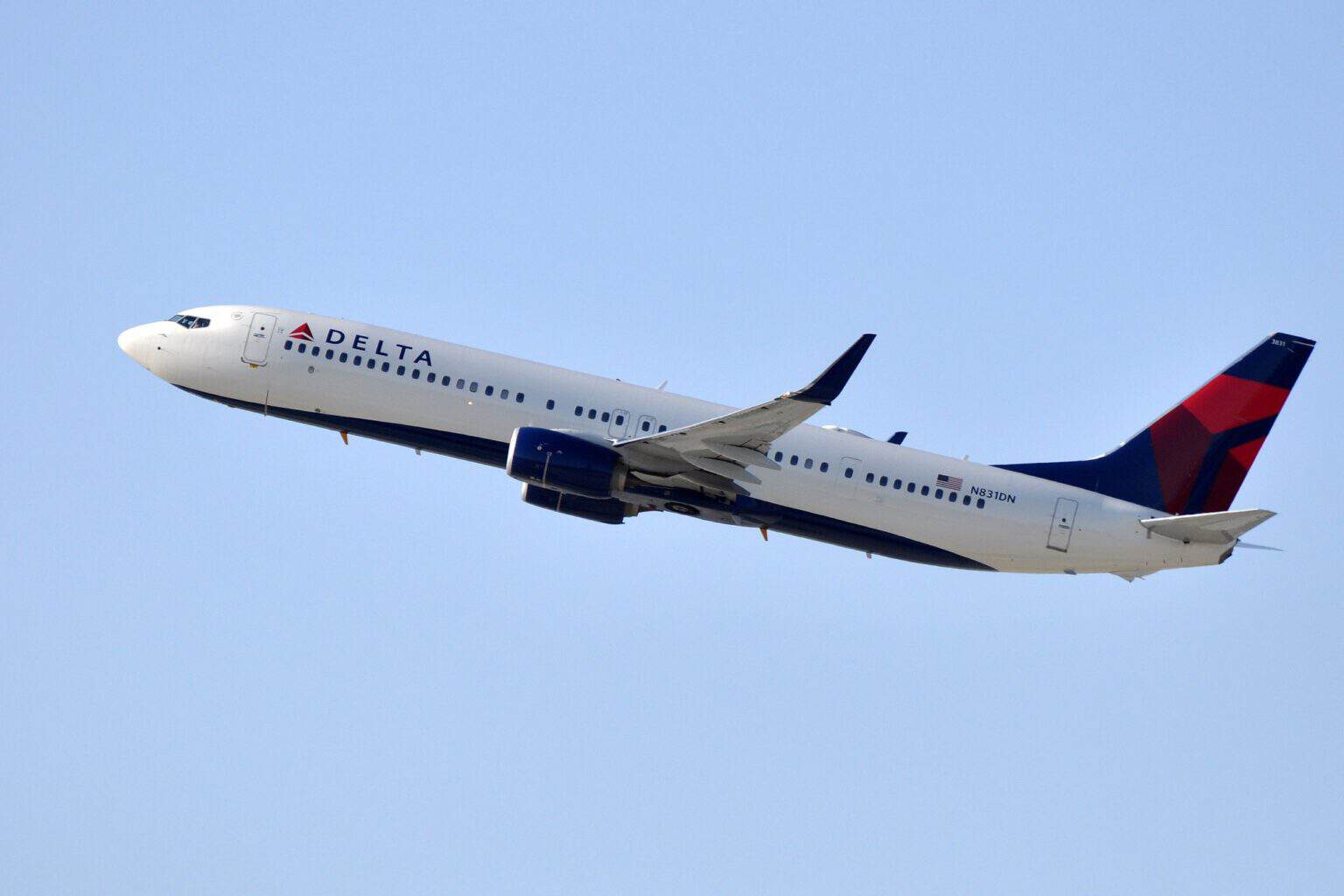
Delta Air Lines flight DL1660 from Kansas City to Atlanta diverted to St. Louis on Monday evening, November 9, 2026, after the crew received what Delta called a “mechanical indication.” The jet landed safely at St. Louis Lambert International Airport a little over an hour after takeoff, and Delta brought in another aircraft to finish the trip late that night.
Delta confirmed the diversion in a statement to First Alert 4, the St. Louis station KMOV. It has not said what the indication was, how many people were on board, or which aircraft was operating the flight.
What happened on the flight
Flight-tracking data from FlightAware shows the Boeing 737-900 pushing back from the gate in Kansas City at 5:38 p.m. Central time and taking off at 5:49 p.m. It climbed to 35,000 feet and headed southeast across Missouri toward Atlanta.
At about 6:27 p.m., roughly 40 minutes after takeoff, the track shows the jet over southeast Missouri, about 17 miles (27 km) northwest of Cape Girardeau and 94 miles (151 km) south-southeast of St. Louis. It then turned back toward St. Louis and began to descend.
FlightAware records the landing at St. Louis at 7:03 p.m. and the arrival at the gate at 7:21 p.m. The flight lasted 1 hour and 13 minutes from takeoff to landing. On recent evenings, the full trip to Atlanta took about an hour and a half in the air.
“The flight crew of Delta flight 1660 followed procedures to divert to St. Louis, where it landed safely, after receiving a mechanical indication,” the airline said, adding an apology for the delay. KMOV described the landing as an emergency landing. Delta’s statement does not use that word, and whether the crew formally declared an emergency with air traffic control has not been confirmed.
A replacement jet from Atlanta
Delta told KMOV it was working to put the passengers on a new flight later that evening. Tracking data shows how: another 737-900ER, registered N831DN, left Atlanta at 10:07 p.m. Eastern as flight DL2833 and landed in St. Louis at 10:19 p.m. Central.
FlightAware and FlightStats list N831DN on the continuing DL1660 from St. Louis to Atlanta, scheduled out at 11:32 p.m. Central and due in Atlanta at about 1:39 a.m. Eastern on Tuesday. That is more than five hours after DL1660 normally lands in Atlanta. At the time of writing, FlightStats estimated a departure from St. Louis just before 11:30 p.m.
The registration of the jet that diverted has not been published, and the flight trackers do not show it. Nor is it known where that aircraft is now.
What a “mechanical indication” diversion means
“Mechanical indication” is airline shorthand for a cockpit alert that something on the aircraft is not working as it should. It says nothing about the cause: the same wording can cover a faulty sensor or a genuine system failure, and Delta has not said which this was.
Delta’s statement says the crew “followed procedures” in diverting. Under FAA rules for US airlines, the captain may take any action needed in an emergency, and a captain who uses that authority must keep air traffic control and the airline’s dispatch center informed.
Some failures leave no choice. If an engine fails or is shut down on a twin-engine airliner, the regulations require the captain to land at the nearest suitable airport “in point of time.” Nothing Delta has said points to an engine problem on DL1660, but that rule shows why crews lean toward the closest good runway rather than pressing on.
Geography did the rest. At the turn, DL1660 was about 94 miles from St. Louis and roughly 400 miles (640 km) from Atlanta, so Lambert International was the natural choice: a large airport, close by, where Delta could gate the jet and fly in a spare. Our explainer on how flight diversions work covers how crews and dispatchers pick a diversion airport.
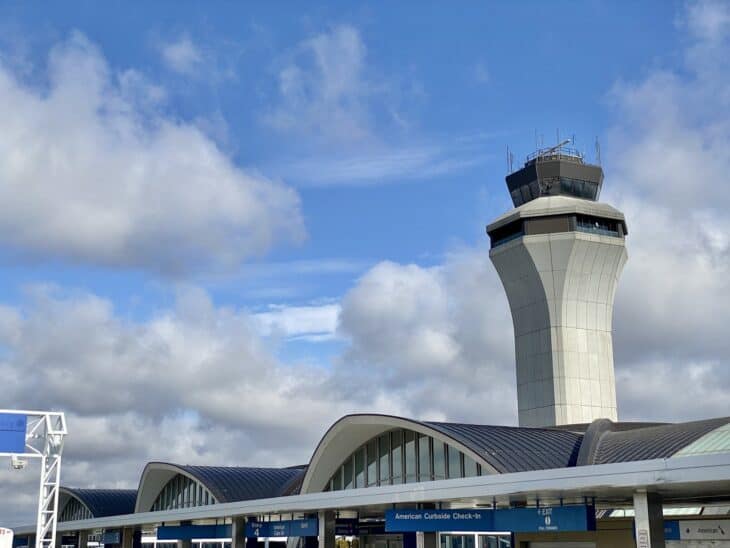
It is not the first airline flight to end unexpectedly at Lambert this autumn. In October, an American Eagle jet bound for Philadelphia returned to St. Louis after its oxygen masks dropped in the cabin.
Sources and references used for research and fact-checking.
Get the Newsletter
The latest aviation news and stories sent to your inbox.
About the Author

AeroCorner News is the aviation news desk of AeroCorner.com. It covers accidents and incidents, safety rulings, airline and airport disruption, and new aircraft. It works from primary sources such as the NTSB, FAA, EASA and the manufacturers' own announcements.