

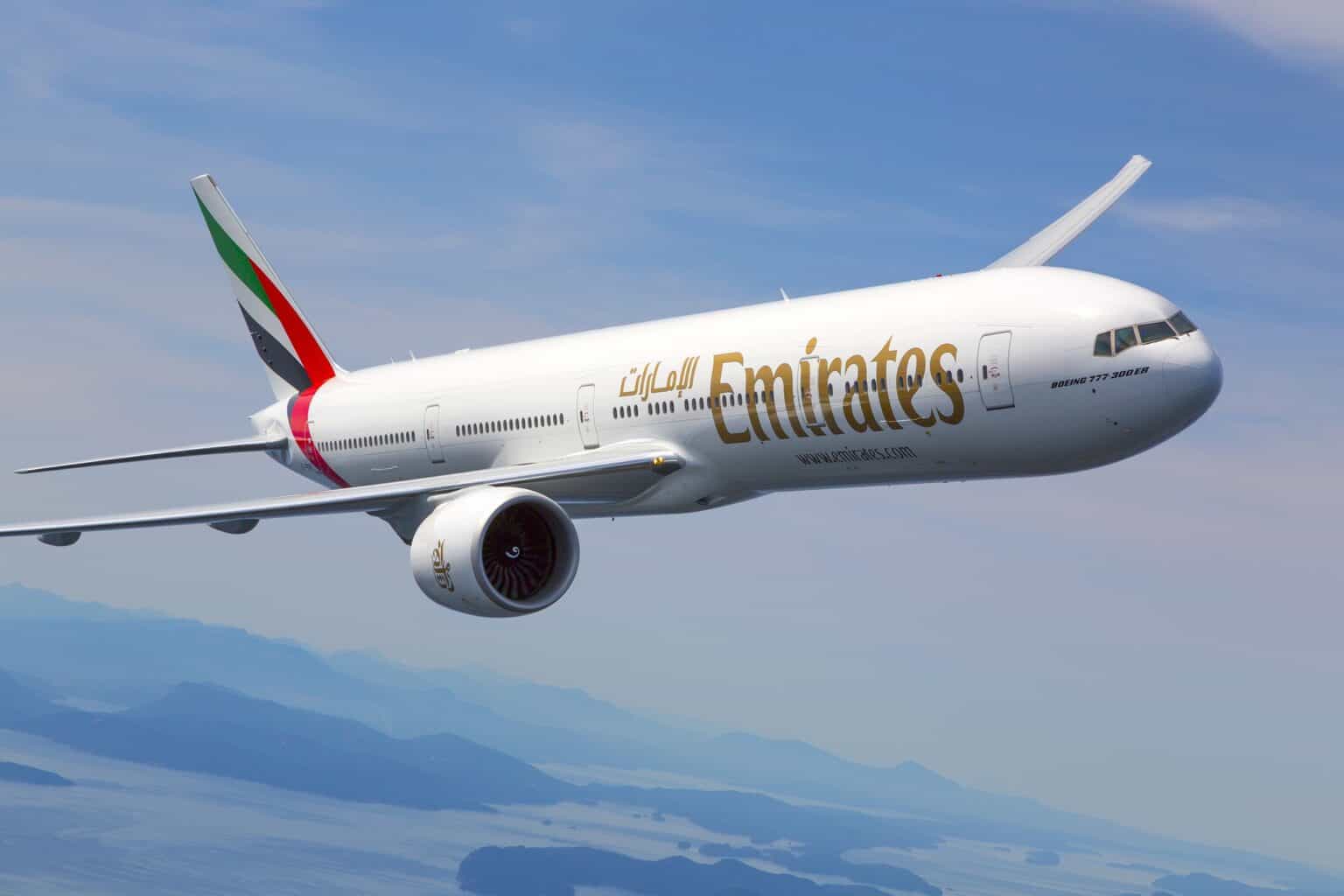
On November 3, 2026, Boeing said the Middle East’s airline fleet will double to more than 3,500 airplanes by 2045. Its 2026 Middle East Commercial Market Outlook, released in Doha, puts the region’s need at 2,995 new deliveries over 20 years.
Boeing expects the region’s passenger traffic to grow 4.3% a year “despite current industry headwinds.” It did not spell those headwinds out, but Gulf and Saudi aviation has been badly disrupted this year.
“The region’s airlines have proven to be resilient and continue to adapt as conditions evolve,” said Shahab Matin, Boeing’s managing director of Commercial Marketing for the Middle East and Africa.
The widebody region
Boeing forecasts 1,370 new widebody jets for Middle East airlines, nearly half of the region’s deliveries. The company says that is the highest widebody share of any region and more than double the global average.
Boeing’s own global numbers bear that out. Its worldwide 2026 outlook, released in July, counts 7,715 widebodies among 43,625 deliveries, about 18%, against roughly 46% for the Middle East.
The contrast with Boeing’s China forecast, published the same day, is sharper still. China’s 9,240 deliveries are three times the Middle East total, yet they include 1,460 widebodies, only 90 more.
The reason is the hub model. Boeing describes the region as a crossroads linking Asia, Africa and Europe, and its biggest airlines build their networks on long-haul connections through their home airports rather than on domestic flying.
Boeing says the region’s share of global passenger traffic is twice its share of the world’s population, which reflects those long-haul networks. It expects traffic on the major Asia routes to grow nearly 6% a year and triple from 2025 levels by 2045.
The rest of the forecast is 1,505 single-aisle jets for short and medium-haul flying, with growth for low-cost carriers, and 120 new widebody freighters. Boeing says Middle East carriers move roughly 15% of international cargo and will double their share of the world’s large widebody freighter fleet, from under 10% to nearly 20%.

Almost no change from last year
Boeing’s previous Middle East outlook, presented at the Dubai Airshow on November 18, 2025, covered 2025 to 2044. It forecast 2,950 deliveries and a fleet that would more than double.
| Boeing Middle East outlook | 2025 (to 2044) | 2026 (to 2045) |
|---|---|---|
| Total deliveries | 2,950 | 2,995 |
| Single-aisle | 1,430 | 1,505 |
| Widebody | 1,370 | 1,370 |
| Regional jets | 30 | Not listed |
| New freighters | 120 | 120 |
| Commercial services demand | $455 billion | $475 billion |
| New aviation personnel | 234,000 | 236,000 |
The widebody and freighter numbers are identical. Single-aisle demand rose by 75 jets, while the 30 regional jets in the 2025 table have no line of their own in 2026, for a net gain of 45.
The window also moved forward a year, so the two editions do not cover exactly the same period. Even so, months of conflict in the region left Boeing’s long-term numbers almost where they were.
A market forecast, not an order book
The 2,995 figure is Boeing’s estimate of how many new airplanes Middle East airlines will need from every manufacturer combined. It is not a count of Boeing orders.
A forecast written through a crisis
The near-term picture is much rougher. Houthi attacks canceled about 86% of scheduled flights at Riyadh’s King Khalid International Airport, 4,071 of 4,736, between October 8 and October 25, according to Cirium data reported by Reuters, as AeroCorner covered at the time.
Across Saudi Arabia, more than 7,800 departures, or 45%, were canceled in the same period, Cirium said. Some airlines are now planning months ahead around it: KLM will not fly Amsterdam to Dubai at any point up to March 27, 2027.
Boeing had already acknowledged the hit in July. Its global outlook said long-haul travel in some regions, including the Middle East, had seen the most short-term impact, while arguing that near-term disruptions would not meaningfully change long-term growth.
The new Middle East outlook makes the same bet. Boeing expects about 85% of the region’s 2045 fleet to be airplanes delivered over the next 20 years.
Pilots, technicians and cabin crew
Boeing projects that the region will need 236,000 new aviation professionals by 2045: 67,000 pilots, 65,000 technicians and 104,000 cabin crew. Cabin crew is the largest group by far.
Airlines in the region will also spend $475 billion on maintenance, training and digital services over the period, Boeing says, with that services market growing about 4% a year.
Sources and references used for research and fact-checking.
- Boeing, Boeing: Travel Demand Propels Middle East Fleet to Double by 2045
- Boeing, Boeing: Middle East Airlines Enter New Era of Growth as Region's Fleet Will More Than Double by 2044
- Boeing, Boeing: Global Commercial Fleet Will Top 50,000 Airplanes in 20 Years as Passenger Traffic Doubles
- Boeing, Boeing Projects China's Commercial Fleet Will More than Double Over 20 Years
- KLM, Statement situation Middle East
Get the Newsletter
The latest aviation news and stories sent to your inbox.
About the Author

AeroCorner News is the aviation news desk of AeroCorner.com. It covers accidents and incidents, safety rulings, airline and airport disruption, and new aircraft. It works from primary sources such as the NTSB, FAA, EASA and the manufacturers' own announcements.