

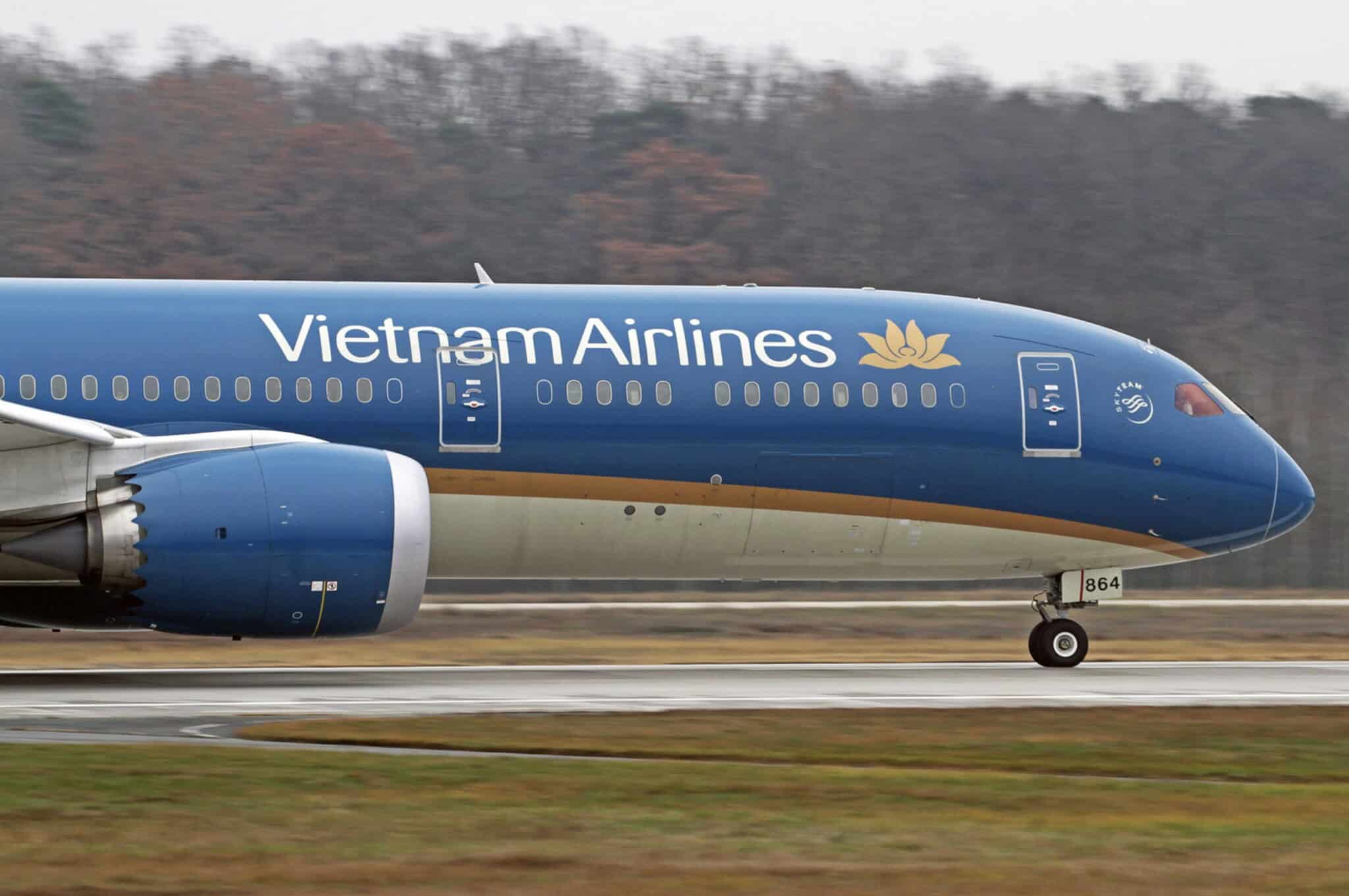
The Boeing 787 Dreamliner received its FAA and EASA type certification on August 26, 2011. Fifteen years later, Boeing is marking the anniversary with fleet figures for an aircraft that arrived years late and was grounded worldwide within two years of entering service.
Boeing says the 787 family has now carried more than 1.3 billion passengers and directly enabled more than 540 new nonstop routes. More than 1,100 have been delivered to operators in over 85 countries.
From a Late Program to Three Variants
Certification came more than three years behind schedule after a troubled development. All Nippon Airways took the first 787-8 on September 26, 2011, and flew it in service a month later between Tokyo Narita and Hong Kong.

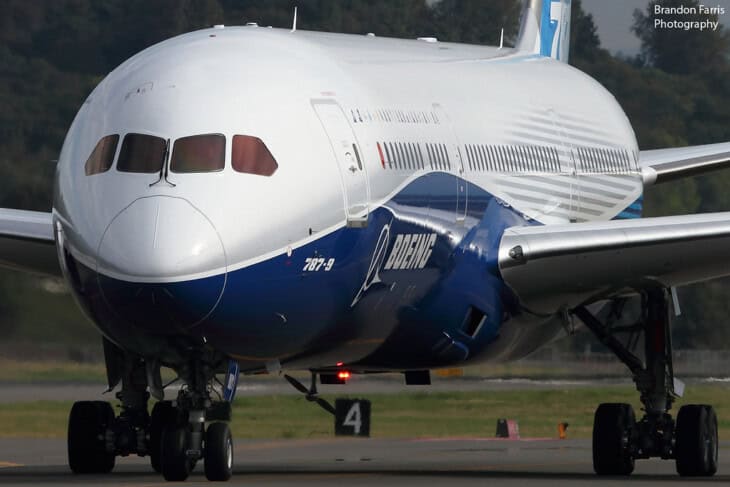
Boeing later stretched the design into the 787-9, certified in 2014, and the larger 787-10, certified in 2018. The three share a common type rating, so a pilot qualified on one can fly all of them.
Why the 787 Changed Long-Haul Flying
The 787 was the first airliner with a fuselage and wings made mostly of carbon-fiber composite rather than aluminum. Paired with new engines from GE and Rolls-Royce, Boeing says it burns around 20 percent less fuel than the aircraft it replaced.
That economics is what enabled the route map. A twin-engine widebody that is cheap enough to fill on thinner demand lets airlines fly smaller cities directly to each other instead of routing everyone through a hub, including ultra-long routes like Perth to London.
Airbus answered with the A350, and the two now split most widebody orders between them. The 787 also pushed the industry toward larger composite structures and more electrical, rather than pneumatic, aircraft systems.
By the numbers
Boeing counts more than 1.3 billion passengers carried, more than 540 new nonstop routes opened, more than 1,100 aircraft delivered, and operators in over 85 countries after 15 years of service.
The Path Still Is Not Smooth
In January 2013, lithium-ion battery fires grounded every 787 in the world for roughly three months, the first fleet-wide grounding of a US airliner in decades. Boeing returned the jet to service with a redesigned battery enclosure.
Boeing then halted 787 deliveries for much of 2021 and 2022 over manufacturing flaws in how fuselage sections were joined. A Boeing engineer later raised safety concerns about those joins in 2024 congressional testimony, claims Boeing disputes, and the program has drawn a series of FAA directives since, including repeat wing inspections ordered this month.
Production is still recovering. Boeing is building the 787 at about seven a month and aims for ten, against a backlog of well over 1,000 unfilled orders that is growing faster than the factory can clear it.
Reality check
The anniversary figures describe a commercial success. They do not erase the grounding, the multi-year delivery pauses, or the open questions about 787 build quality that regulators and Boeing are still working through.
Sources and references used for research and fact-checking.
Get the Newsletter
The latest aviation news and stories sent to your inbox.
About the Author

Tim is the owner and lead editor of AeroCorner since 2019, overseeing aviation content covering aircraft, airlines, airports, and the broader aviation industry. Through years of researching, writing, editing, and publishing aviation-focused content, he has developed extensive practical knowledge of commercial aviation and air travel. Based in Asia and a frequent traveler himself, Tim also brings firsthand passenger experience to AeroCorner’s coverage. Outside of publishing, he has also explored aviation firsthand through hands-on flight training in New Zealand.