

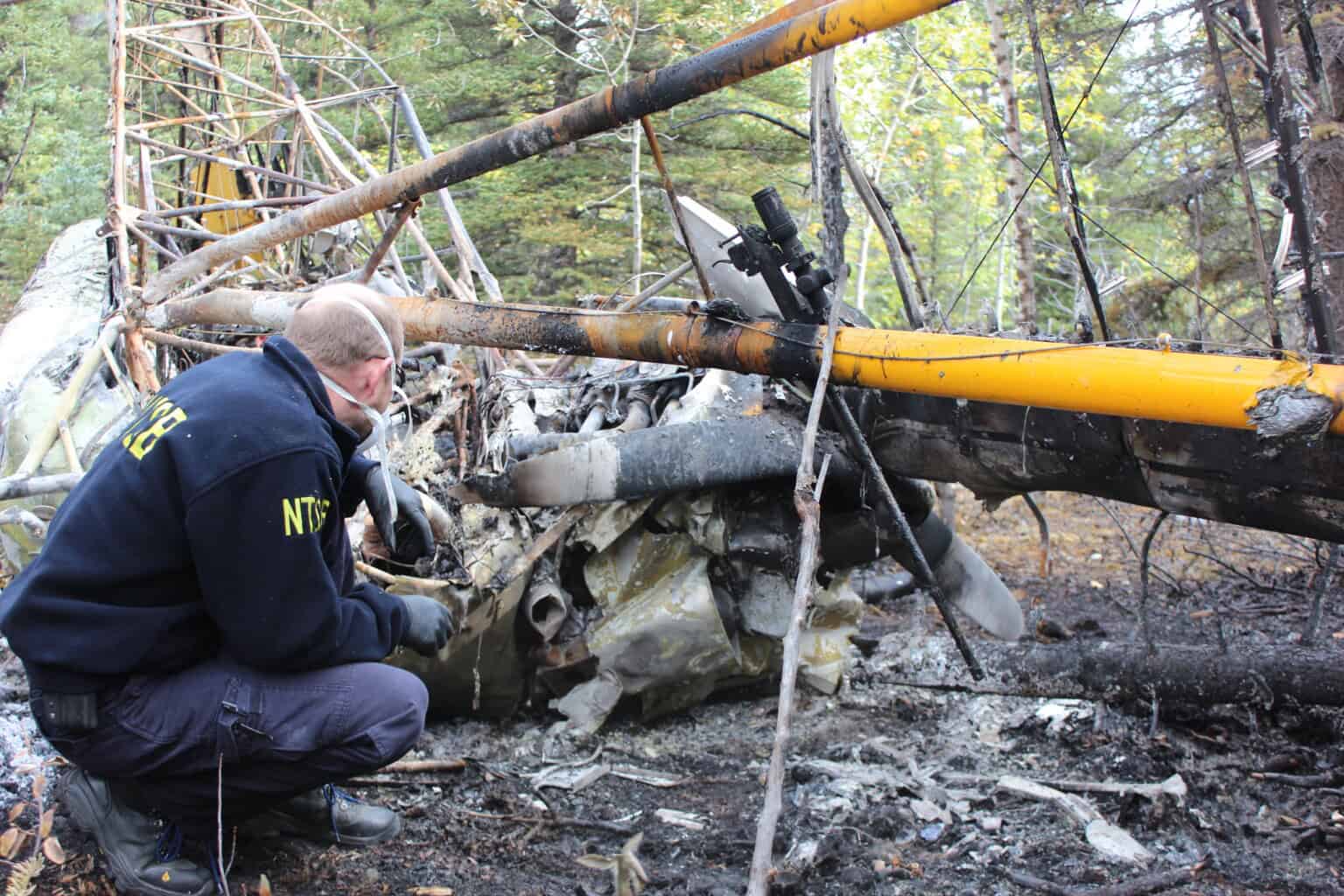
On August 26, 2026, a single-engine Piper PA-24 Comanche crashed into a tidal slough moments after taking off toward Seldovia, Alaska, killing all four people on board. It was the second fatal aviation accident in the state in under a week, following a chartered turboprop crash near Cape Newenham on August 20 that killed eight.
What investigators have found so far
The Comanche had flown from Merrill Field in Anchorage and was departing to the south when it went down in the Seldovia slough and sank in roughly 16 feet of water, according to NTSB Alaska Region chief Clint Johnson. Recovery crews reached the wreckage at low tide and recovered all four bodies the same evening.
Alaska State Troopers identified the pilot as Eric Middlebrook, 68, of Anchorage, a former mayor of Bethel, as Alaska Public Media reported. The three passengers, Ronald Schmidt, Lance Schmidt and Daniel Simons, were visiting from California. An NTSB investigator traveled to the site, and the wreckage was moved to Homer for examination.
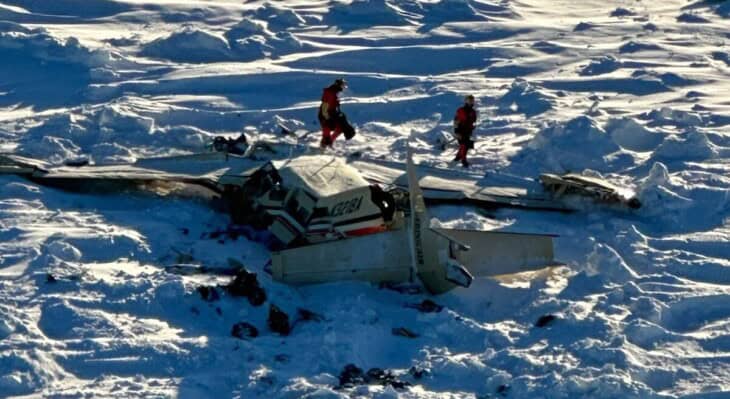
The August 20 crash involved a Security Aviation Cessna 441 Conquest chartered by the US Army Corps of Engineers to carry workers to a remote radar station on the Bering Sea coast. The pilot abandoned at least one approach in dense fog, with visibility near a quarter mile, before the airplane struck rising terrain past the runway. All eight aboard died.
Johnson told Alaska’s News Source that investigators are weighing the usual mix of human, mechanical and environmental factors, and that neither cause is close to settled. He also noted the timing: late summer is the region’s heaviest flying season, with long daylight hours and high traffic.
Still preliminary
Both investigations are in their earliest stage. The NTSB has not identified a cause for either crash. Preliminary reports are typically weeks away, and full reports can take one to two years.
Why Alaska keeps leading the nation in aircraft accidents
Alaska depends on small aircraft more than any other state. Many villages have no road link, so bush flying handles routine travel, mail, groceries and medical trips that would move by car elsewhere. That exposure, combined with the terrain and the weather, produces a long-running safety gap.
Between 2008 and 2017, Alaska’s overall aircraft accident rate ran about 2.35 times the national rate, and its fatal accident rate about 1.34 times higher, according to NTSB figures. Since 2016, roughly 42 percent of US deaths in crashes involving small commercial aircraft have occurred in Alaska, up from about 26 percent in the early 2000s.
Alaska's accident gap
Between 2008 and 2017, Alaska’s overall aircraft accident rate ran about 2.35 times the US average. Since 2016, roughly 42 percent of the country’s deaths in small commercial aircraft crashes have happened in the state.
Mountainous routes, fast-moving coastal weather, low ceilings, icing and gravel strips with few instrument approaches all push pilots toward visual flight in marginal conditions. The NTSB has urged the FAA for years to treat Alaska as a distinct safety problem, and in 2020 it called for a dedicated working group.
Some money is now moving. Federal agencies this year described about $425 million committed to Alaska aviation safety, including additional weather cameras, better forecasting and airport upgrades. The February 2026 Bering Air crash, which an NTSB report tied to an overweight Cessna Caravan and severe icing, killed 10 and remains the deadliest recent example.
Sources and references used for research and fact-checking.
Get the Newsletter
The latest aviation news and stories sent to your inbox.
About the Author

Tim is the owner and lead editor of AeroCorner since 2019, overseeing aviation content covering aircraft, airlines, airports, and the broader aviation industry. Through years of researching, writing, editing, and publishing aviation-focused content, he has developed extensive practical knowledge of commercial aviation and air travel. Based in Asia and a frequent traveler himself, Tim also brings firsthand passenger experience to AeroCorner’s coverage. Outside of publishing, he has also explored aviation firsthand through hands-on flight training in New Zealand.