

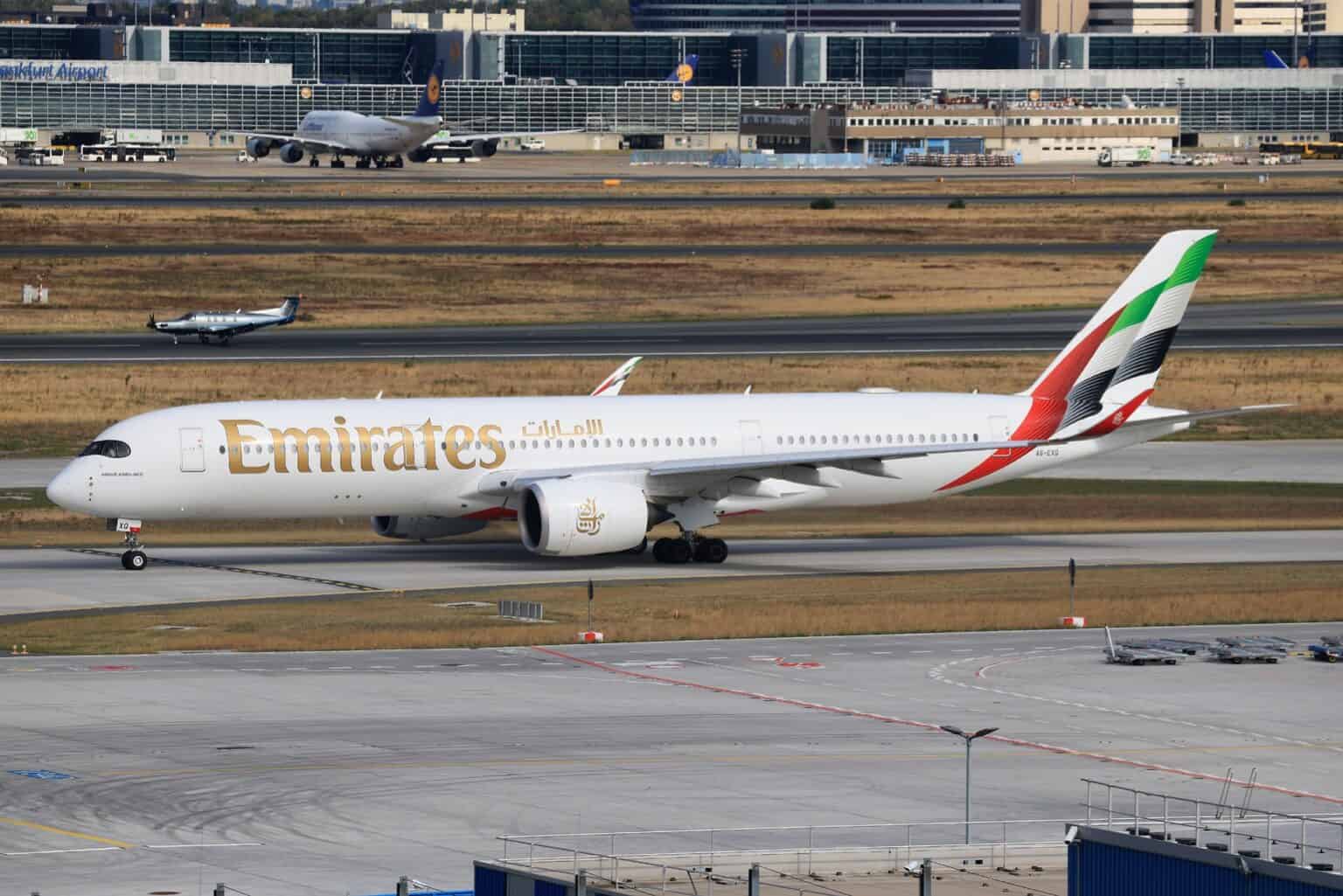
Emirates flight EK441, an Airbus A350-900 bound for Dubai, returned to Adelaide early on Tuesday, October 13, 2026, after its crew shut down one engine as a precaution. The Australian Transport Safety Bureau (ATSB) said the pilots shut down the left engine, known as Engine 1.
The jet landed safely with airport fire crews standing by, and Emirates said everyone on board disembarked safely. The airline has described the cause only as “a technical fault.”
What happened on EK441
EK441 left Adelaide Airport at about 10:35 p.m. on Monday, October 12, on its regular overnight run to Dubai, according to the ABC. FlightAware’s log for the flight shows a 10:39 p.m. departure and a landing back in Adelaide at 2:02 a.m., about 3 hours and 22 minutes later.
Flight-tracking records on Flightradar24 identify the aircraft as A6-EXQ, an A350-941. The Aviation Herald reported that the jet descended from 32,000 feet about 320 nautical miles northwest of Adelaide but kept heading toward Dubai.
By that account, the crew turned around about 620 nautical miles northwest of the city, leveled off at 22,000 feet and flew back to land on Runway 23. Passengers told 7NEWS the captain announced an engine fault as the aircraft neared the South Australia and Western Australia border.
The ATSB told 7NEWS that the crew carried out a precautionary shutdown of the left engine. One Adelaide resident told the broadcaster she saw sparks coming from an engine as the jet approached the city, and The Aviation Herald said passengers reported sparks too. Neither Emirates nor the ATSB has mentioned sparks in the statements reported so far.
“The flight returned to Adelaide due a technical fault, landing uneventfully and passengers and crew safely disembarked,” Emirates said in a statement. The airline added that it “apologises for any inconvenience caused, but the safety of our passengers and crew is of utmost importance and will not be compromised.”
Passengers, the aircraft and what comes next
The Adelaide Airport spokesperson said passengers either went home or were put up in hotels, and that they had been rebooked on the following night’s Emirates flight. Emirates said that flight was scheduled to leave at 10:35 p.m. local time and that it would look after passengers with onward connections.
The aircraft stayed behind. 7NEWS reported that engineers were examining the A350 and that it was expected to remain on the ground while the fault is investigated, and The Aviation Herald said it was still in Adelaide about 28 hours after landing.
Flightradar24’s history for A6-EXQ listed no flight after the return as of October 15. Whether the ATSB will open a formal investigation had not been reported at the time of writing.
What is still unknown
No published statement says what the technical fault was, or what led the crew to shut the engine down. Reports of sparks come from passengers and an onlooker, not from an official source. Treat any cause offered before an engineering finding as speculation.
Why a twin-engine jet turns back after a shutdown
A precautionary shutdown is not the same as an engine failing on its own. The crew switches the engine off while it is still running, in what US regulations call a shutdown “to prevent possible damage.”
For a twin-engine airliner, that decision sets the rest of the flight. US airline rules are a clear example: under 14 CFR 121.565, when an engine fails or is shut down “to prevent possible damage,” the captain must land at “the nearest suitable airport, in point of time.”
The same rule lets a jet with three or more engines press on to an airport the pilot chooses, if doing so is as safe. That exception does not cover a twin like the A350. Emirates operates under UAE rules rather than the FAA’s, but EK441’s return to its departure airport is a textbook example of a technical flight diversion.
Emirates moved its Adelaide service to the A350-900ULR in December 2025, replacing the Boeing 777-200LR, and Adelaide was the first Australian city to get the airline’s A350. The airline says the long-range version can stay airborne for up to 15 hours, and Rolls-Royce describes its Trent XWB-84 as the sole engine option for the A350-900.
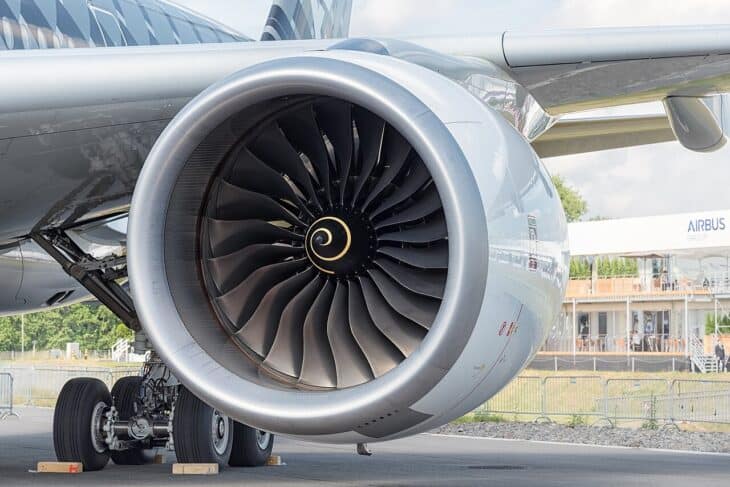

Published sources do not make clear whether A6-EXQ is one of the long-range A350s. Emirates’ A350 cabin seats 298 passengers in three classes, according to the airline, but none of the reports reviewed gave the number of people on board EK441.
Sources and references used for research and fact-checking.
Get the Newsletter
The latest aviation news and stories sent to your inbox.
About the Author

Tim is the owner and lead editor of AeroCorner since 2019, overseeing aviation content covering aircraft, airlines, airports, and the broader aviation industry. Through years of researching, writing, editing, and publishing aviation-focused content, he has developed extensive practical knowledge of commercial aviation and air travel. Based in Asia and a frequent traveler himself, Tim also brings firsthand passenger experience to AeroCorner’s coverage. Outside of publishing, he has also explored aviation firsthand through hands-on flight training in New Zealand.