

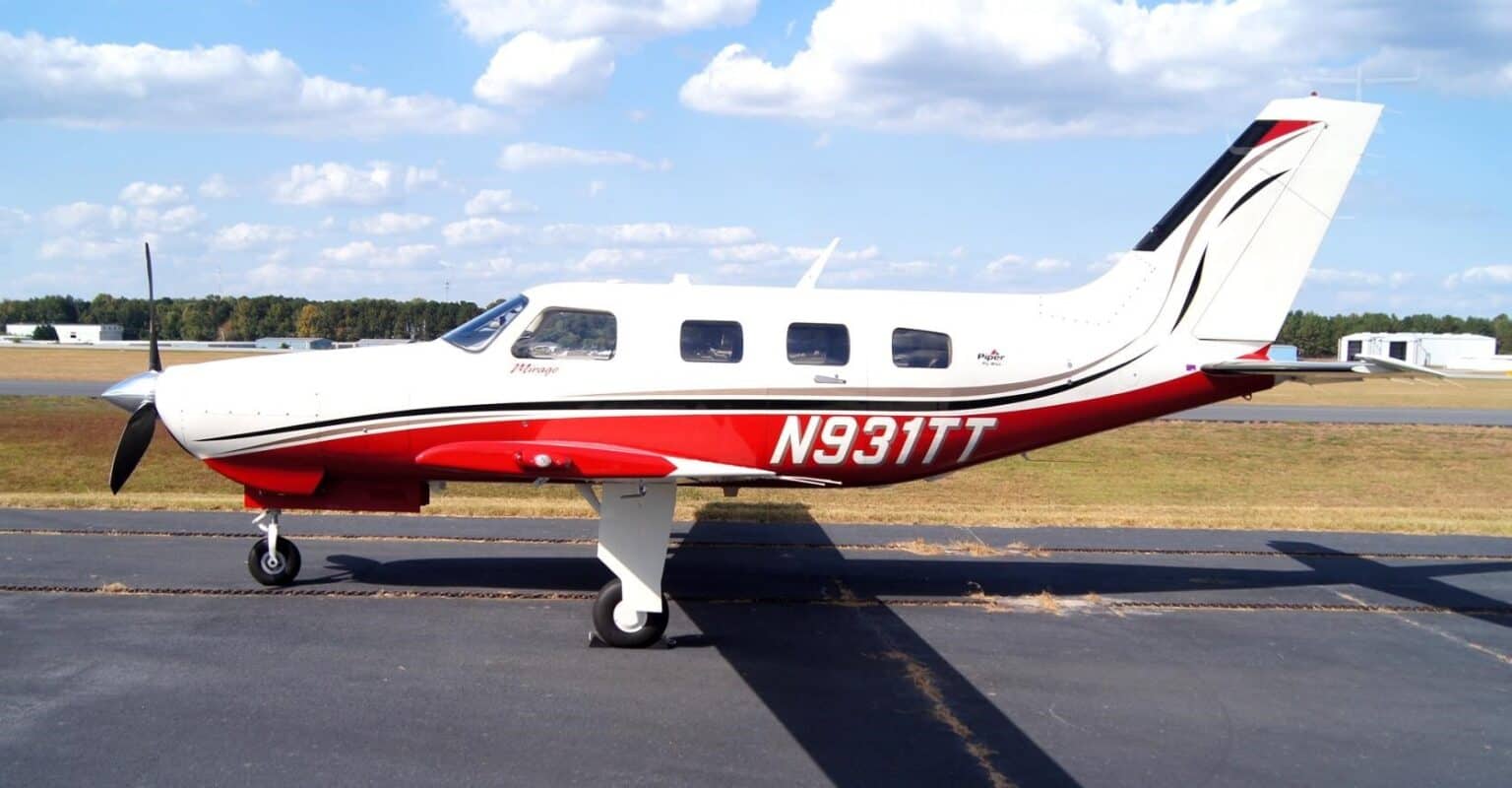
The pilot of Piper PA-46 N931TT reported icing at 24,000 feet and asked to descend shortly before the airplane crashed near Wisconsin Dells on October 13, 2026, the National Transportation Safety Board said on October 14. All six people aboard, five adults and a child, were killed.
Air traffic control approved the descent, the NTSB said, but the airplane entered a right descending turn that increased in rate until communications and tracking data were lost.
What the NTSB and the sheriff have now said
When we first reported the Sauk County crash on October 14, the aircraft type, its route and the number aboard had not been released. They have been since.
In an updated statement, the Sauk County Sheriff’s Office said the airplane was a fixed-wing Piper on a return trip from Kenosha to Menomonie, carrying five adults and one child. Dispatchers took multiple reports of a downed aircraft near Park Lane in the Town of Dellona at about 9:31 p.m.
Crews found the wreckage in a densely wooded area north of Park Lane and west of Herwig Road, and all six occupants were dead at the scene. The sheriff’s office said no structures were damaged and no one on the ground was reported hurt.
The sheriff’s office also said the airplane had been in contact with air traffic control before the crash, and that investigators wanted to learn what was said and whether weather in the area played a role. The victims have not been named.
The NTSB’s account of those final minutes was relayed by WMTV and the Associated Press. The AP placed the crash site about 10 miles (16 km) west of Wisconsin Dells, near Mirror Lake State Park, with rain falling as a thunderstorm crossed the area.
Flight-tracking data cited by local media shows the airplane leaving Kenosha at about 8:43 p.m., WISN reported. The AP said FlightRadar24 data showed a descent of up to 4,000 feet per minute as the airplane’s speed rose to about 340 mph (550 km/h), figures that do not come from the NTSB.
The aircraft: a 2008 PA-46-350P, with one open question
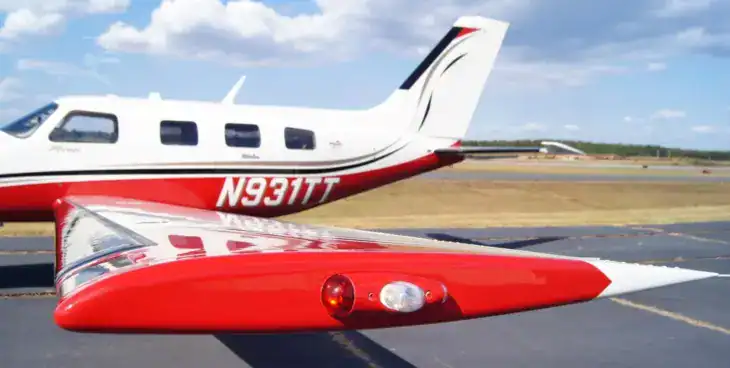
The FAA aircraft registry lists N931TT as a Piper PA-46-350P built in 2008, the model sold as the Piper Mirage. It is registered to a company in Baldwin, Wisconsin.
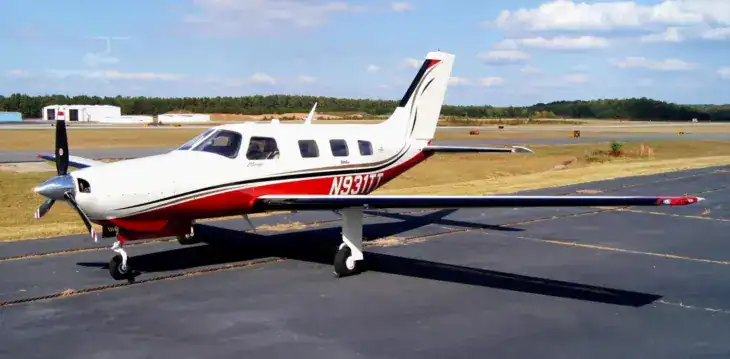
That registry record lists a Lycoming TIO-540 piston engine. AeroTime, however, reported that the airplane had been converted to a JetPROP DLX, which swaps the piston engine for a Pratt & Whitney Canada PT6 turboprop.
The NTSB has not said which engine was installed, so the powerplant remains unconfirmed until its preliminary report.
Preliminary, not a cause
The NTSB has described what the pilot reported and what the radar track showed. It has not said icing caused the crash, and it does not determine probable cause during its on-scene work. Engine type, pilot identity and the weather at altitude are all still unconfirmed.
Why icing and a tightening turn worry investigators
Ice distorts the airflow over a wing, adds drag and degrades handling, according to the FAA. The agency warns that an iced airplane can stall at much higher speeds and lower angles of attack than normal, and can roll or pitch uncontrollably to the point where recovery may be impossible.
Pilots also deal with more than one kind of ice, from clear to rime to mixed, each forming differently, as our guide to the types of aircraft icing explains. The FAA says NTSB findings cited structural icing as a cause or factor in an average of four accidents a year between 2008 and 2021.
Jeff Guzzetti, a former NTSB and FAA crash investigator, told the AP the accident had the earmarks of an icing-related loss of control. That is an outside view, not an NTSB finding.
The PA-46 has been studied for this before. Between May 1989 and March 1991, Malibu and Mirage airplanes were involved in seven fatal accidents after departing controlled flight, which led to an NTSB special investigation of the type.
That review found the U.S. accidents involved failure to use pitot heat in freezing instrument conditions, possible misuse of the integrated flight guidance and control systems, loss of control and in-flight airframe failures. The board recommended flight manual changes, more pilot training and a pitot heat operating light.
Nothing yet links those findings to N931TT, built some 17 years later. They do show the issues the NTSB has examined on this type before: pitot heat use, flight guidance systems and pilot training.
What happens next
NTSB investigators were due at the site on October 14 to document the wreckage before it is moved to a facility for further examination, according to WMTV. The agency will gather flight track data, air traffic control recordings, maintenance records and information on the pilot.
A preliminary report is expected within about 30 days, and a final report with a probable cause in 12 to 24 months. The NTSB has asked witnesses, or anyone with video, to email [email protected].
Sources and references used for research and fact-checking.
Get the Newsletter
The latest aviation news and stories sent to your inbox.
About the Author

Tim is the owner and lead editor of AeroCorner since 2019, overseeing aviation content covering aircraft, airlines, airports, and the broader aviation industry. Through years of researching, writing, editing, and publishing aviation-focused content, he has developed extensive practical knowledge of commercial aviation and air travel. Based in Asia and a frequent traveler himself, Tim also brings firsthand passenger experience to AeroCorner’s coverage. Outside of publishing, he has also explored aviation firsthand through hands-on flight training in New Zealand.