

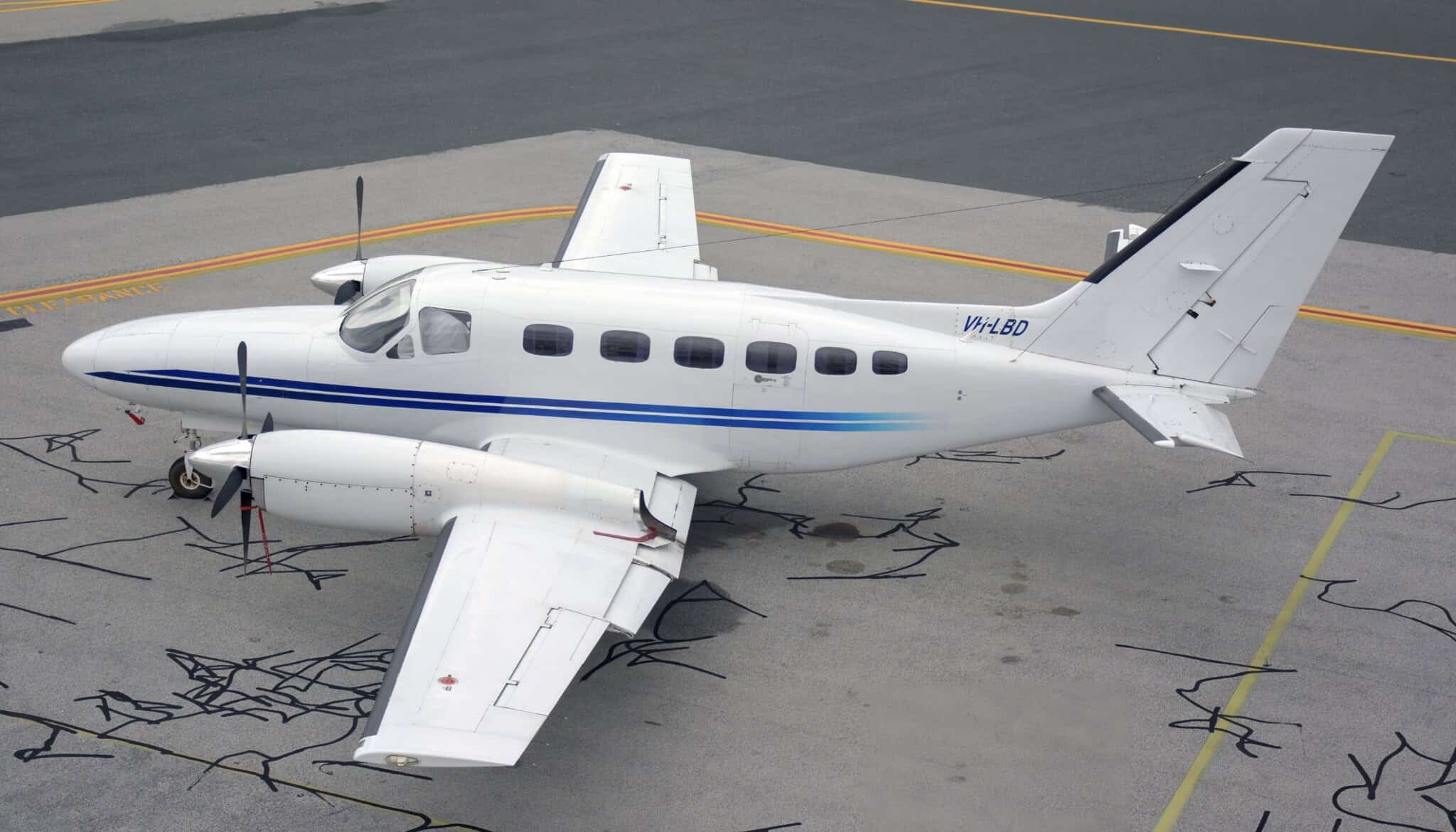
On August 20, 2026, a Security Aviation charter plane crashed in fog while attempting to land at the Cape Newenham Long Range Radar Site in western Alaska, killing all eight people aboard. The dead included the flight’s two pilots and six passengers, among them two employees of the US Army Corps of Engineers, the FAA and National Transportation Safety Board confirmed.
What Investigators Have Pieced Together So Far
The Cessna 441 Conquest II, registered N128EZ, had departed Ted Stevens Anchorage International Airport on the roughly 450-mile flight to the radar site, according to the Anchorage Daily News. NTSB Alaska region chief Clint Johnson told the paper the crew was flying under instrument flight rules because of poor weather at the destination.
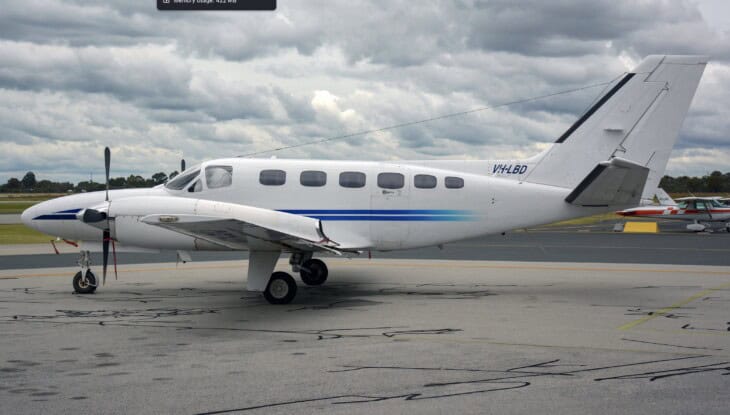
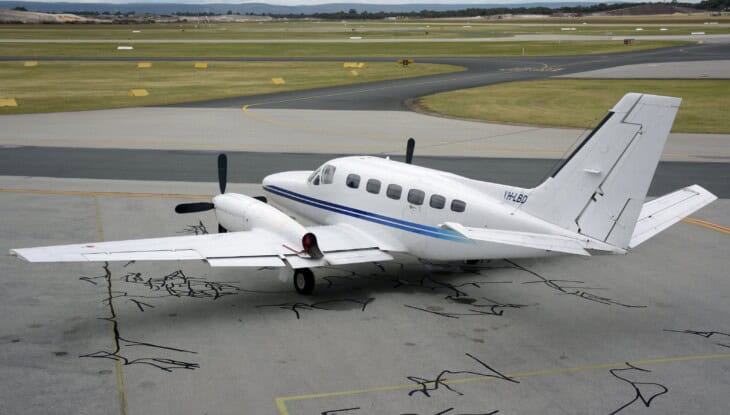
“The plane made at least one attempt to land but missed the approach and tried again,” Johnson said. The aircraft went down in rising terrain just beyond the runway’s departure end during that second attempt, heading south, and air traffic controllers lost contact before it reached the field.
Visibility at Cape Newenham had fallen to roughly a quarter mile with a 200-foot ceiling around the time of the crash, AeroTime reported.
US Air Force Lt. Gen. Robert Davis, commander of Alaskan Command, called those aboard “dedicated professionals carrying out a vital mission in a demanding environment,” according to CBS News. The military has not disclosed what work the two Army Corps of Engineers employees were doing at the radar site.
Why a Missed Approach Turned Fatal
Cape Newenham is an unmanned radar-site airstrip with no control tower and no precision landing aids. In weather like this, pilots fly under instrument flight rules, following charted minimum altitudes rather than looking outside, and a missed approach exists precisely so a crew can abandon an unstable attempt rather than press through fog toward rising terrain.
Missed approaches happen routinely wherever pilots fly by instruments in poor visibility and are not, by themselves, a sign of trouble. What differs at a strip like Cape Newenham is the margin for error: no on-site air traffic control to talk a crew through nearby terrain, no precision glide-path guidance to keep the descent aligned, and a single radio link to a controller hundreds of miles away.
It is the second fatal Alaska charter crash this summer. In July, the NTSB blamed an overweight aircraft and severe icing for the crash of a Bering Air Cessna Caravan that killed 10 people near Nome. The two accidents involved different aircraft and, so far, no shared cause, but both underscore how thin the margins are for charter flying into Alaska’s remote airstrips.
Both the FAA and NTSB are investigating, with the NTSB in the lead. Bloomberg reported that a final determination of the cause could take up to two years.
What Cape Newenham does
The radar site is part of the Alaska NORAD Region’s long-range early-warning network, feeding an unbroken radar picture of the state’s airspace and international boundary to Eleventh Air Force.
Investigation just beginning
The NTSB has sent five investigators to the crash site. No cause has been determined, and a final report is likely still months to years away.
Get the Newsletter
The latest aviation news and stories sent to your inbox.
About the Author
Tim is the owner and lead editor of AeroCorner since 2019, overseeing aviation content covering aircraft, airlines, airports, and the broader aviation industry. Through years of researching, writing, editing, and publishing aviation-focused content, he has developed extensive practical knowledge of commercial aviation and air travel. Based in Asia and a frequent traveler himself, Tim also brings firsthand passenger experience to AeroCorner’s coverage. Outside of publishing, he has also explored aviation firsthand through hands-on flight training in New Zealand.