Cargo Airplanes
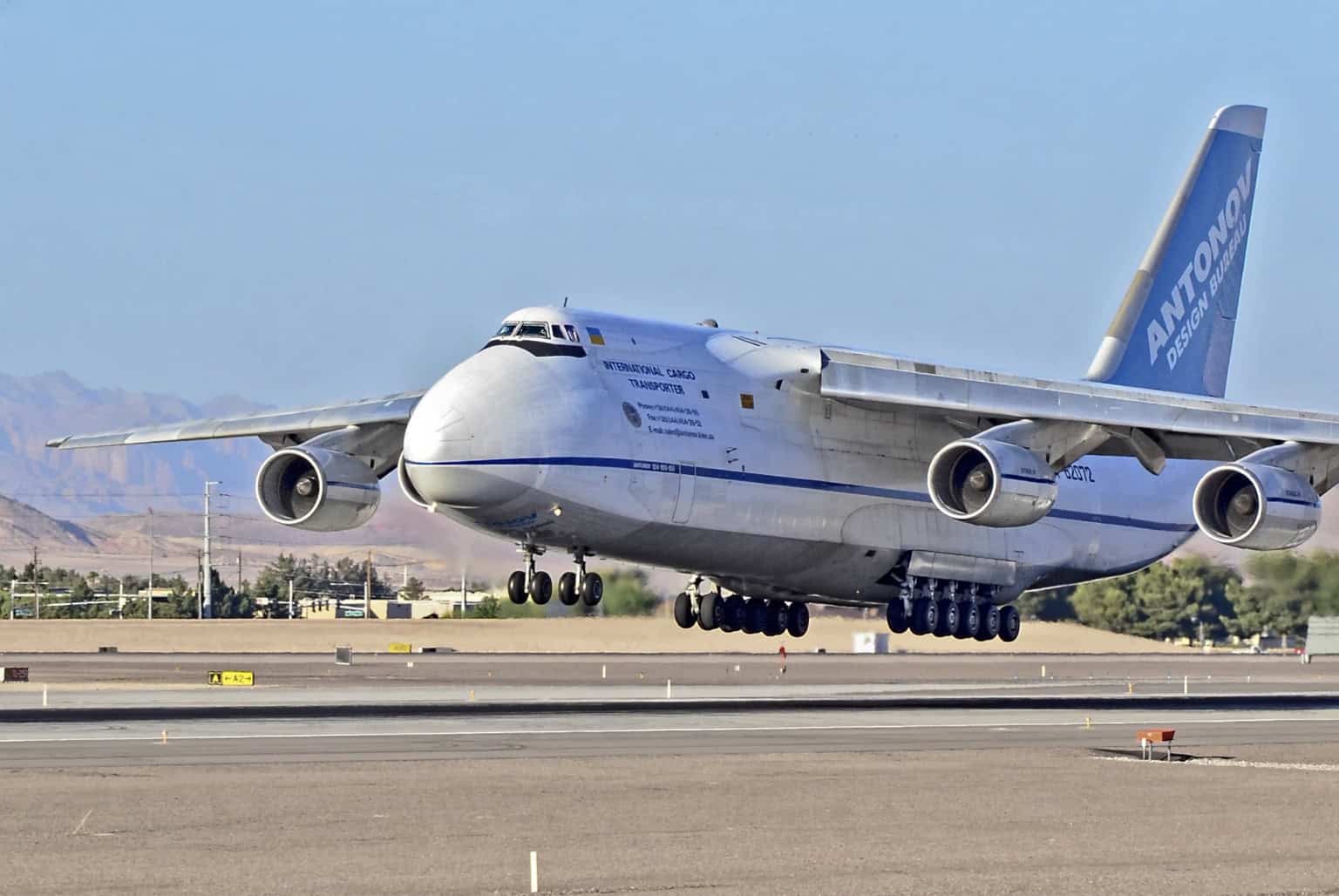
Antonov An-124 Ruslan
ICAO: A124
Masters of heavy lift, STOL capability, and record-breaking cargo aircraft

AeroCorner features profiles for 9 Antonov aircraft. This includes 4 Cargo Airplanes, 2 Military Transport Planes, 1 Passenger Turbo Prop, 1 Light Passenger Jet, and 1 Military Propellor Plane. Each profile includes performance data, photo galleries, dimensions, and operational history.
Antonov is a Ukrainian aircraft manufacturer known for building some of the world’s largest and most capable transport aircraft. Its designs range from rugged utility planes to extreme heavy-lift cargo giants, including record-breaking models that became icons of global aviation. Antonov’s aircraft are widely respected for durability, versatility, and efficient STOL performance.
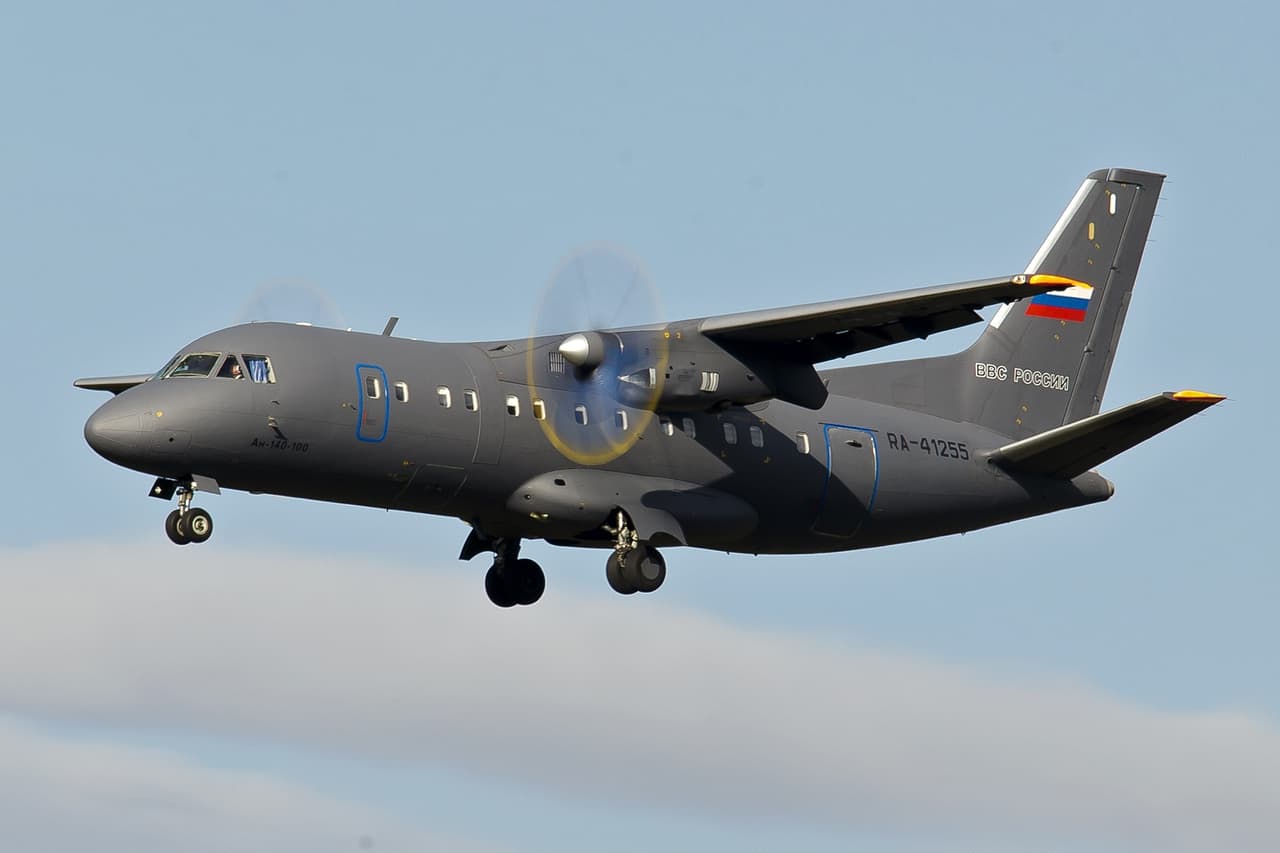
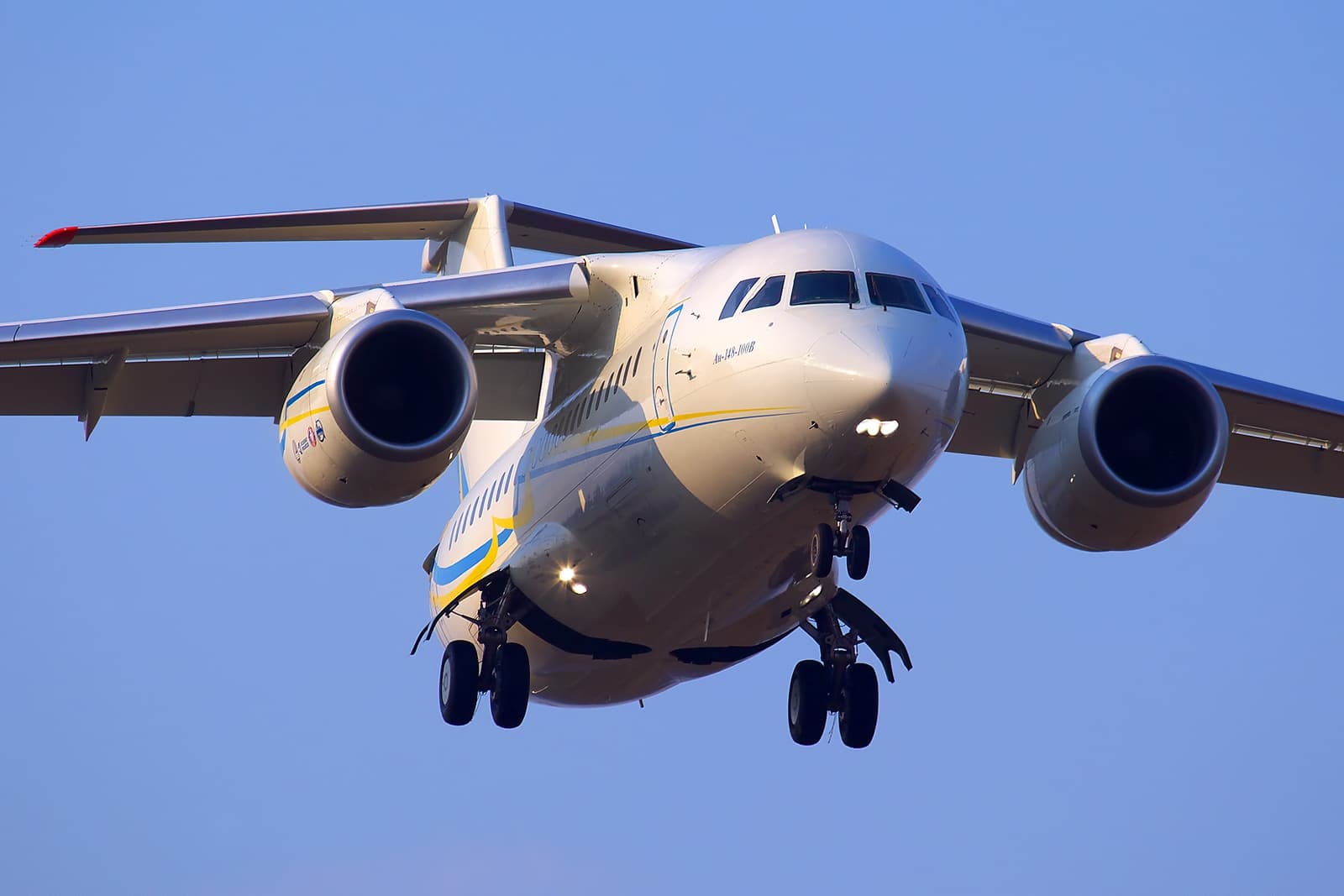

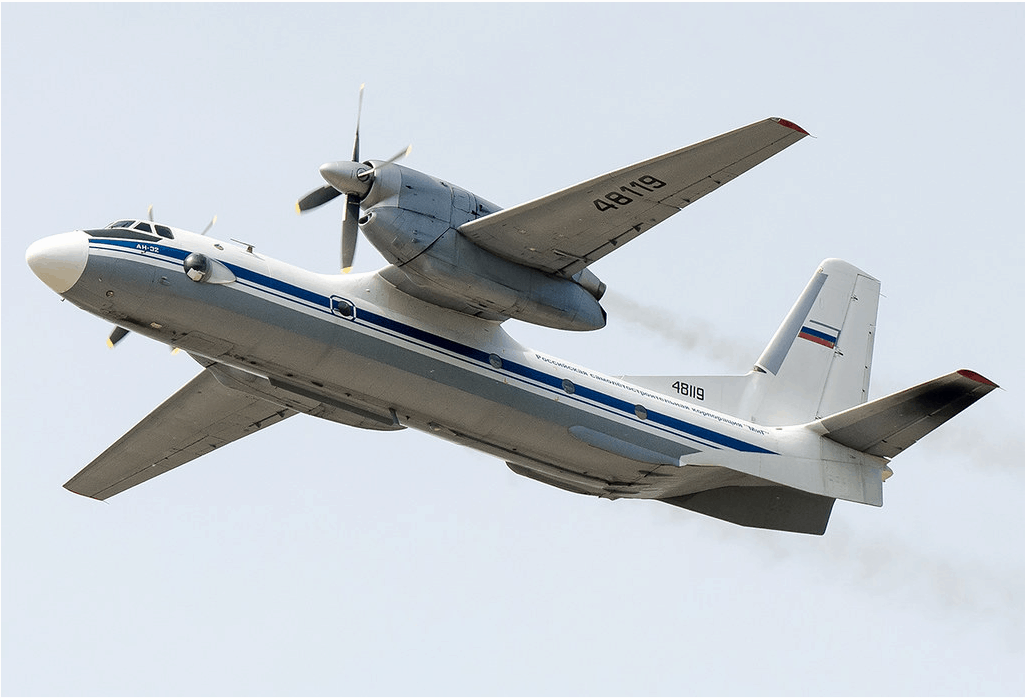
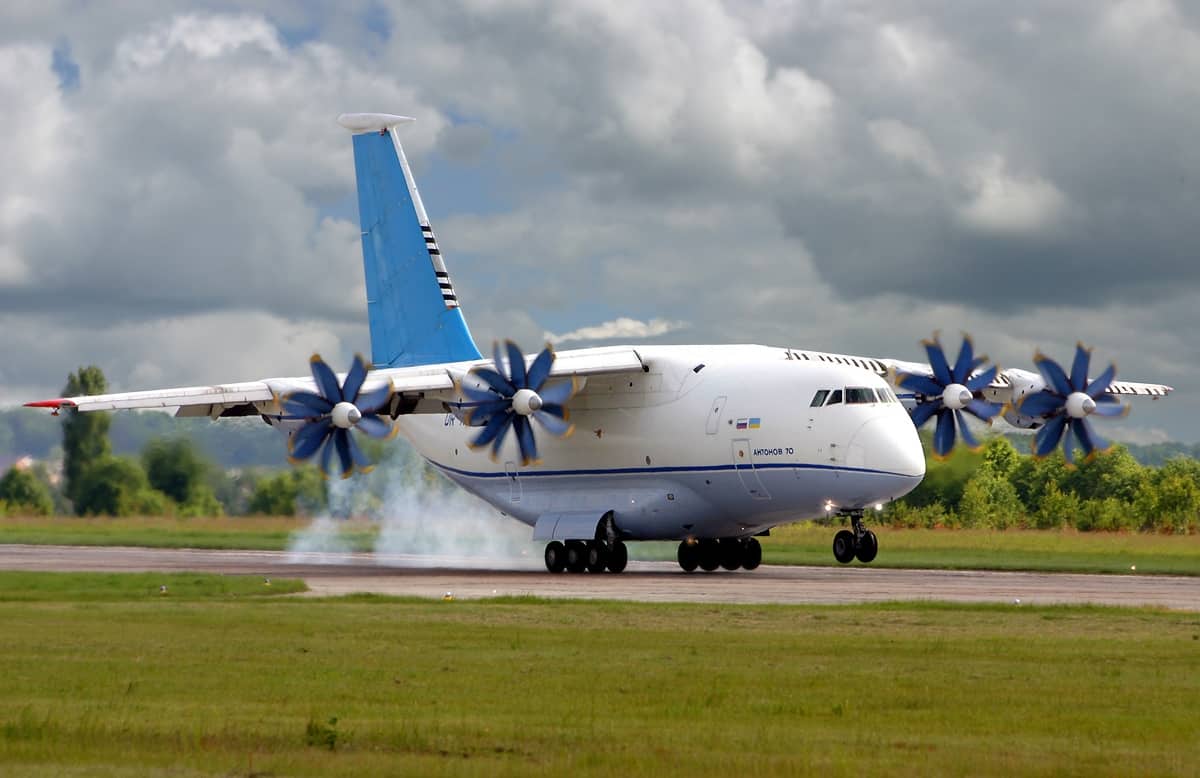
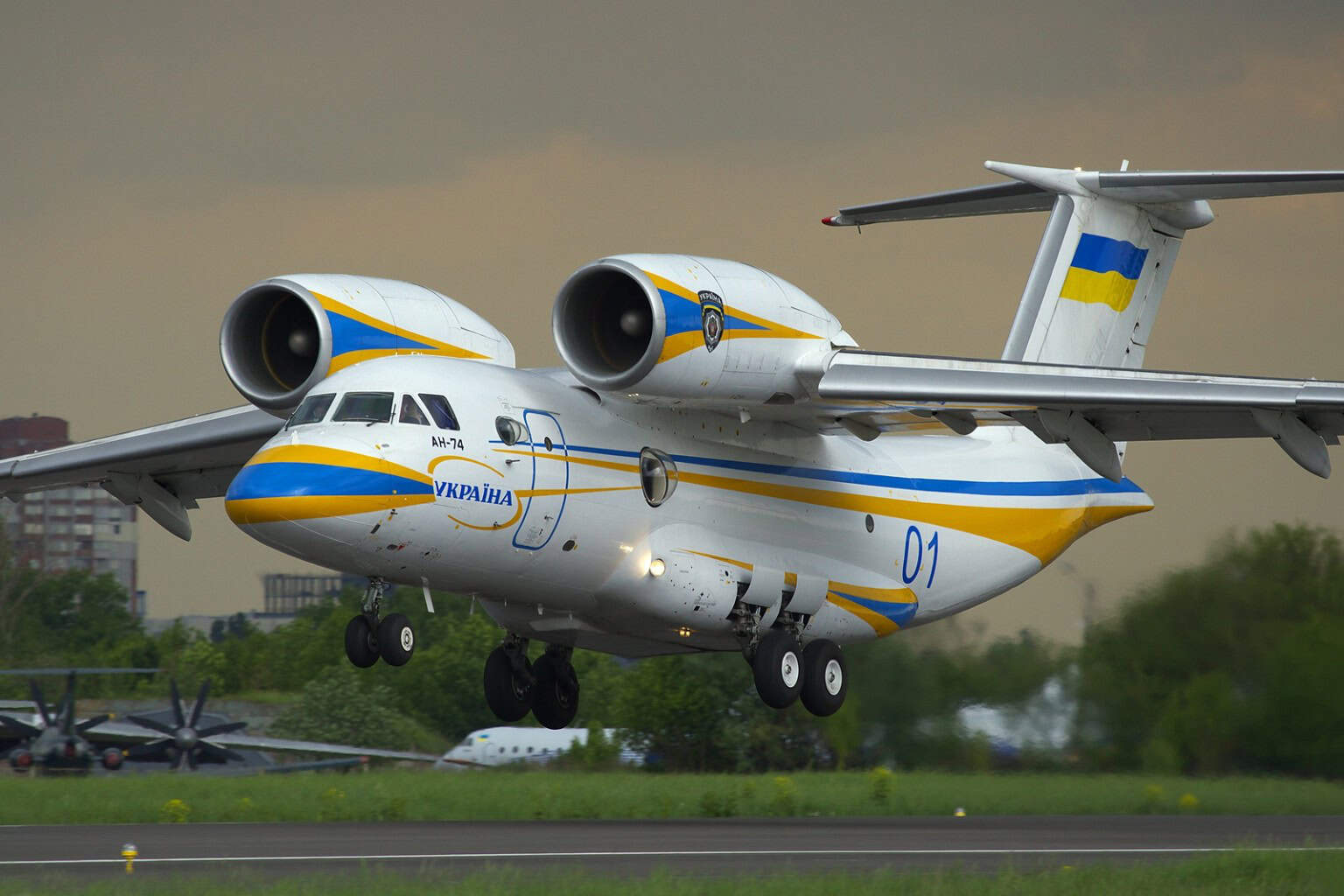
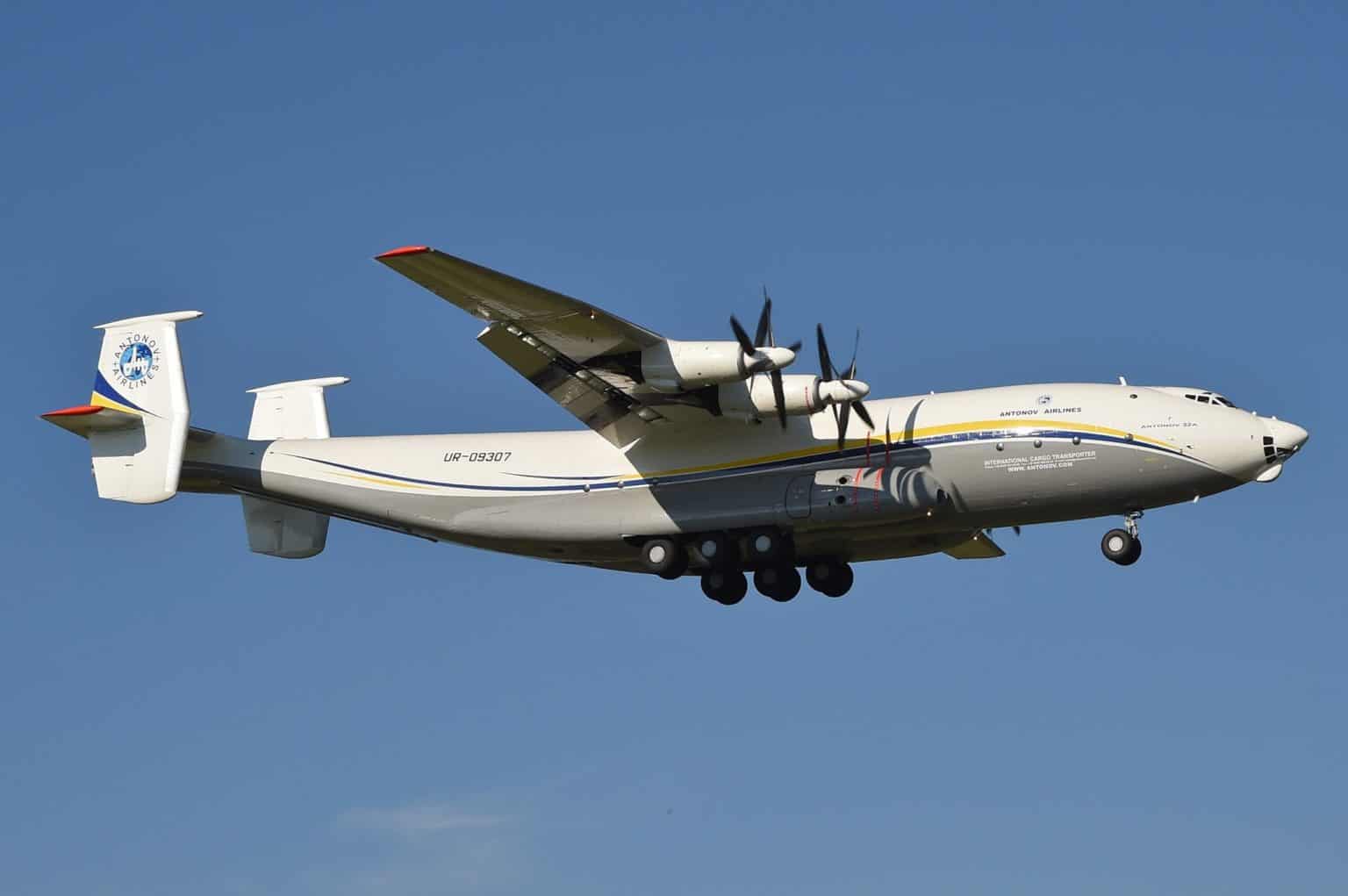
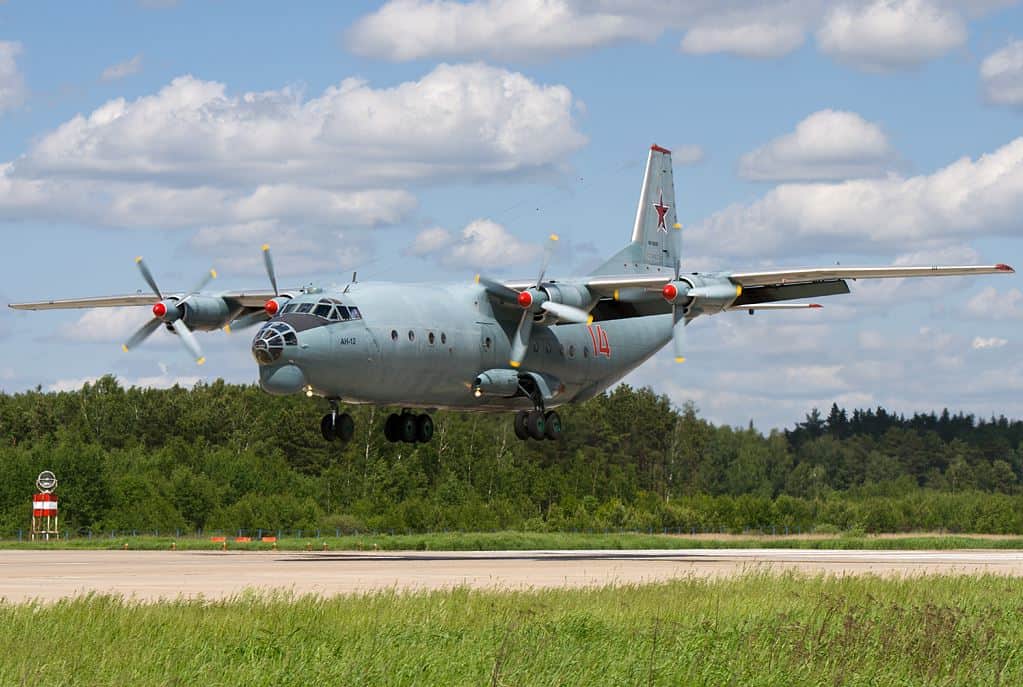

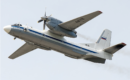
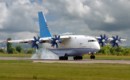
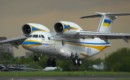
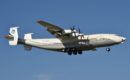
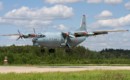
Antonov’s legacy is defined by aircraft such as the An-2, An-12, An-22, An-24/26, An-72/74, An-124 Ruslan, and An-225 Mriya, each designed to operate in demanding environments. These aircraft introduced innovative high-lift systems, large cargo capacities, and short/rough-field performance unmatched in many categories.
Antonov was founded in 1946 by Oleg Antonov as a Soviet design bureau specializing in simple, reliable utility aircraft. The company’s earliest programs focused on agricultural and regional designs capable of operating from primitive airfields, shaping its engineering philosophy for decades.
During the Soviet era, Antonov expanded into medium and heavy transport aircraft, military lifters, and passenger turboprops. In the 1980s, the bureau achieved global recognition with the An-124 and later the An-225, which became the largest aircraft ever to fly. After Ukraine gained independence, Antonov transitioned into a national aerospace enterprise.
Antonov’s primary facilities are located in Kyiv and the former production site in Kharkiv, with various satellite plants throughout the Soviet era. The Kyiv facility remains the company’s key engineering and manufacturing base, though operations have been significantly affected by the current conflict.
Antonov designs emphasize reliability, austere-field capability, and cargo flexibility. The company’s aircraft typically feature high wings, sturdy landing gear, and short takeoff and landing performance. Large cargo doors, reinforced floors, and modular interiors made Antonov aircraft indispensable for military, humanitarian, and oversized cargo missions.
Beyond full aircraft, Antonov has operated cargo transport services, supported civil and military operators, and developed experimental aircraft, drones, and modernization programs. Antonov Airlines became famous for transporting oversized industrial loads worldwide.
Before the recent conflict, Antonov employed thousands of engineers, technicians, and production specialists. Its facilities supported a full design-to-production pipeline, including prototype construction, flight testing, and fleet support for global operators.
After the collapse of the Soviet Union, Antonov became a Ukrainian state-owned enterprise. Over the years it merged with national aerospace groups and reorganized under the state conglomerate Ukroboronprom. The company continues operating despite wartime disruptions.
The An-2 became one of the most successful utility aircraft ever built, known for extraordinary low-speed handling and rugged reliability.
The An-124 set new standards for heavy-lift capability and became essential for global cargo operations.
Designed to carry the Soviet Buran shuttle, the An-225 became the world’s largest aircraft and a symbol of aerospace engineering achievement.
After 1991, Antonov shifted from Soviet centralized production to independent Ukrainian operations, continuing modernization and export projects.
The company suffered a historic loss when the sole operational An-225 was destroyed during the Russian invasion, becoming a global aviation symbol of the conflict.
Antonov aircraft earned a reputation for toughness and versatility. While individual incidents occurred across decades of global service, the brand’s designs are widely respected for withstanding harsh climates, remote operations, and heavy mission loads unmatched by many Western counterparts.
Antonov transformed heavy transport aviation by proving what was possible in large-scale cargo design. Its aircraft remain essential worldwide, and the engineering principles pioneered by the bureau continue to influence modern heavy-lift and STOL transport development.