Cargo Airplanes
Antonov An-70
ICAO: AN70
The heavy airlifter built to move the world’s largest cargo
The latest aviation news and stories sent to your inbox.
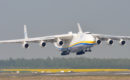
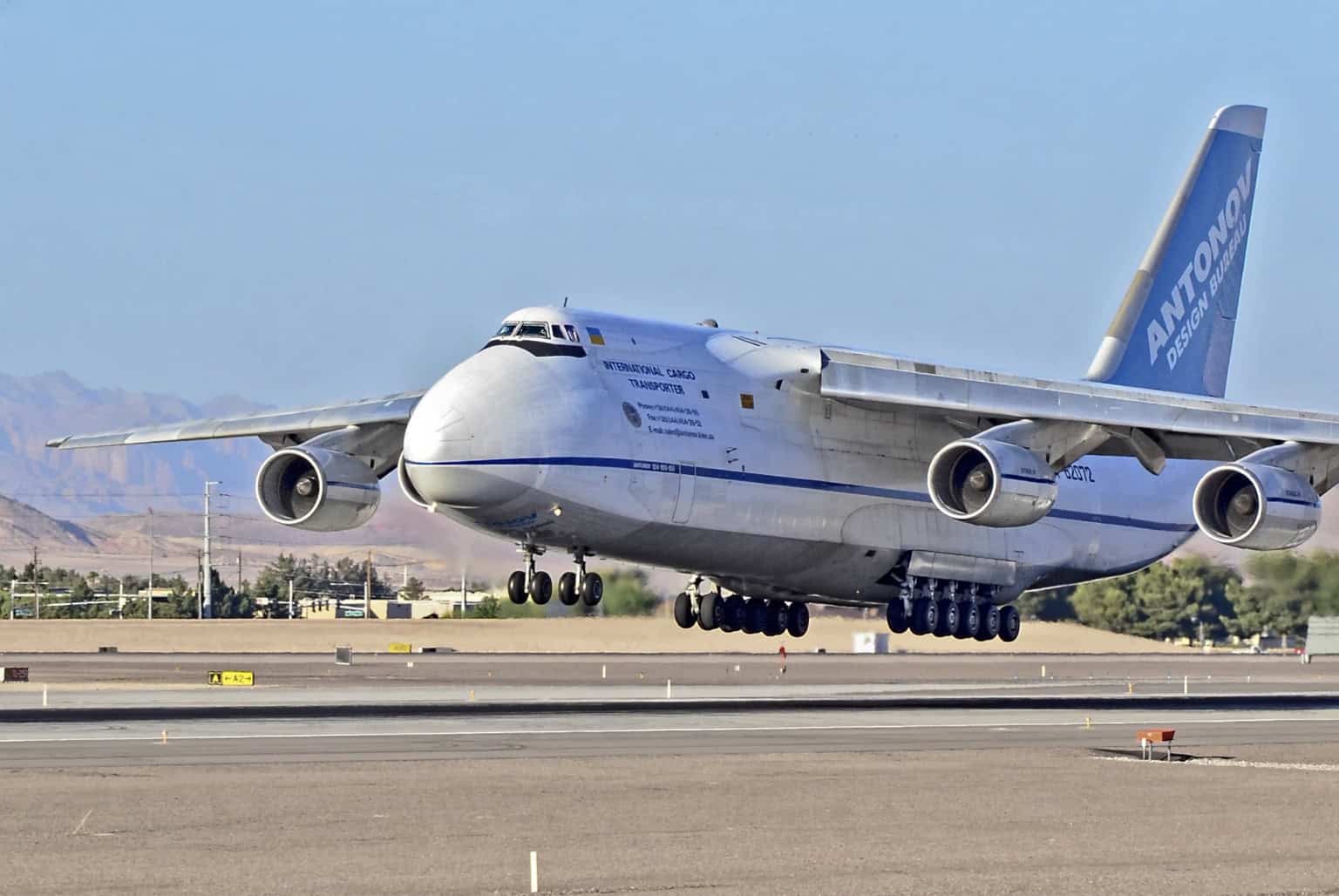
The Antonov An-124 Ruslan is one of the largest cargo aircraft ever placed into production. Developed during the Cold War to transport oversized military equipment, it later became a vital tool for commercial heavy-lift missions around the globe, capable of carrying cargo that few other aircraft can handle.
Live Fleet Activity (A124)
Fetching live data…
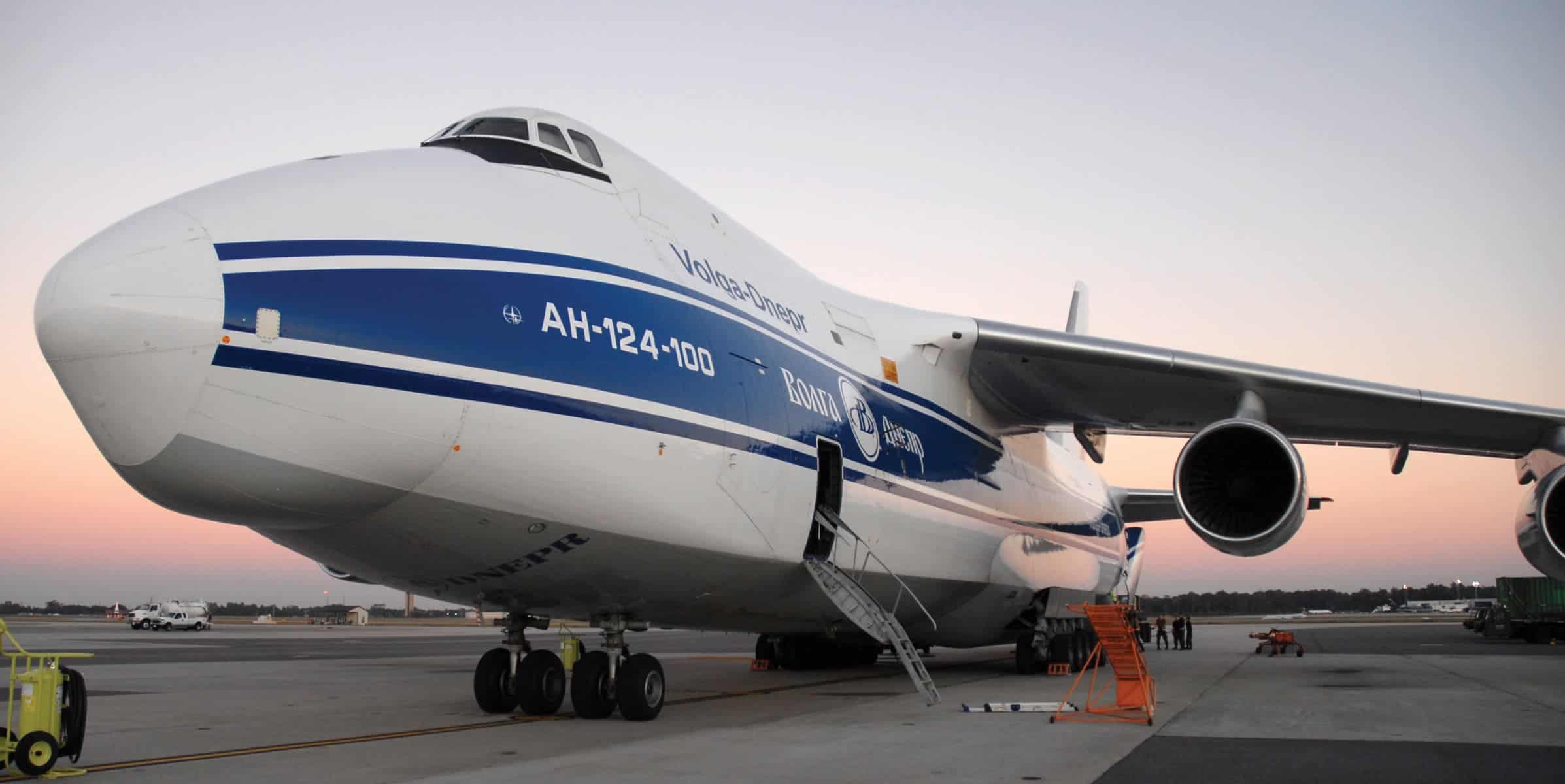


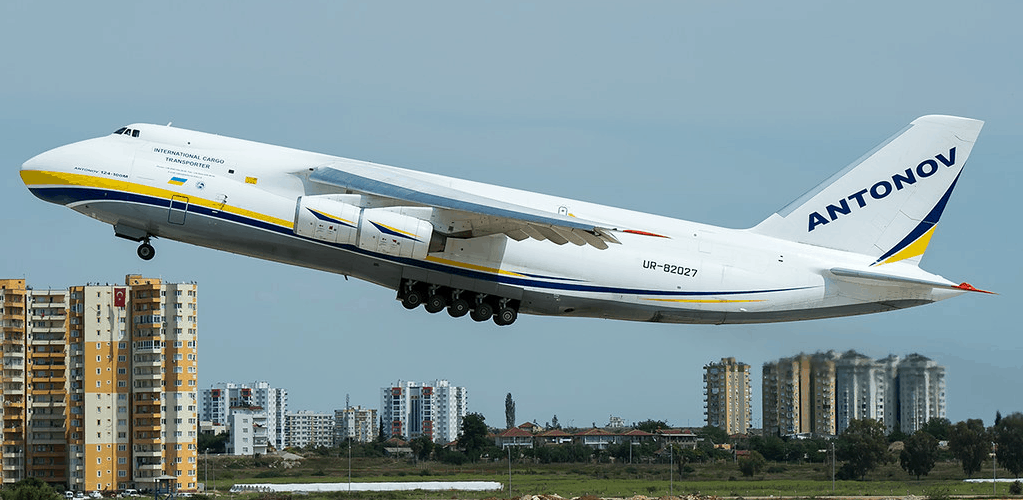



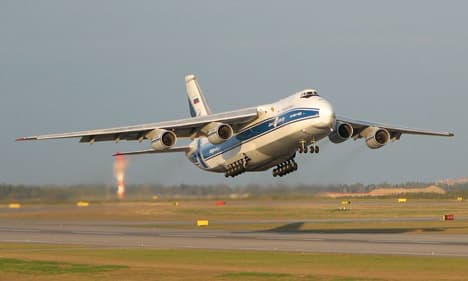
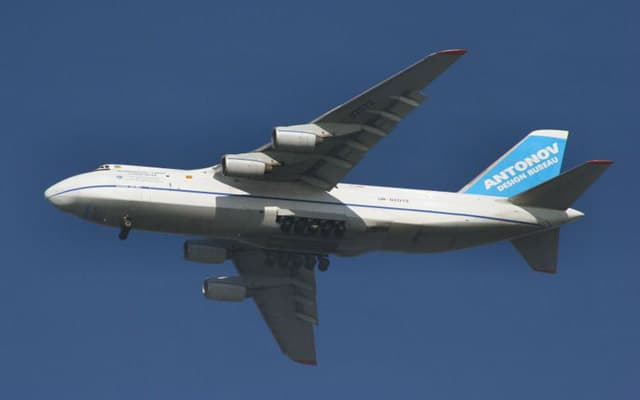
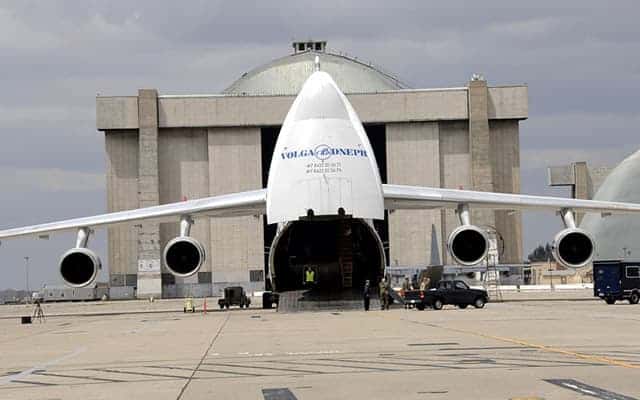
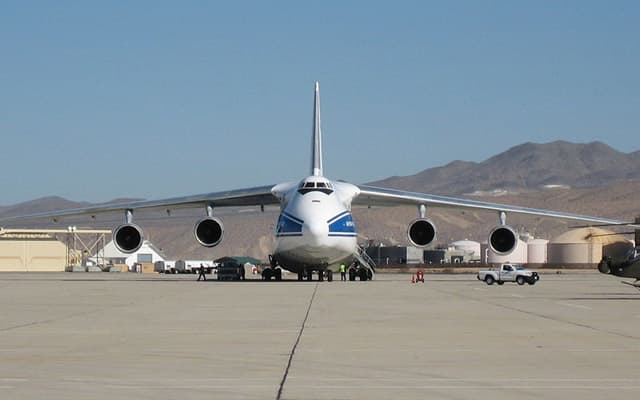
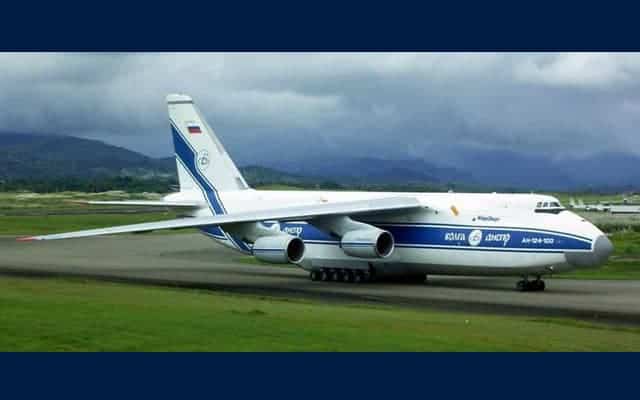
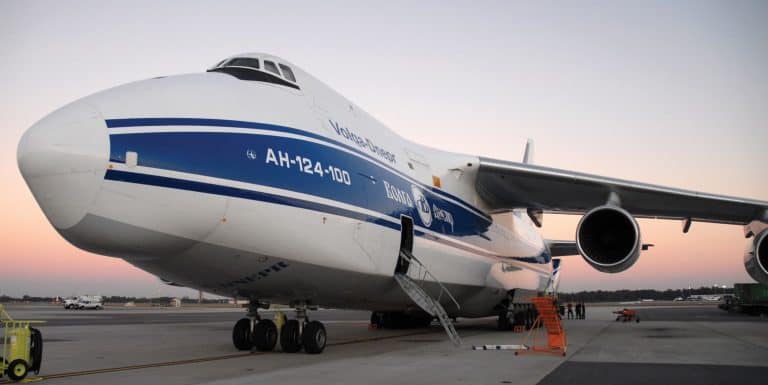
The Antonov An-124 Ruslan was developed in the Soviet Union during the 1970s as a strategic military transport designed to carry heavy and oversized cargo across intercontinental distances. First flown in 1982 and entering service in 1986, the aircraft was created to meet demanding airlift requirements, including the transport of armored vehicles, helicopters, and large industrial equipment.
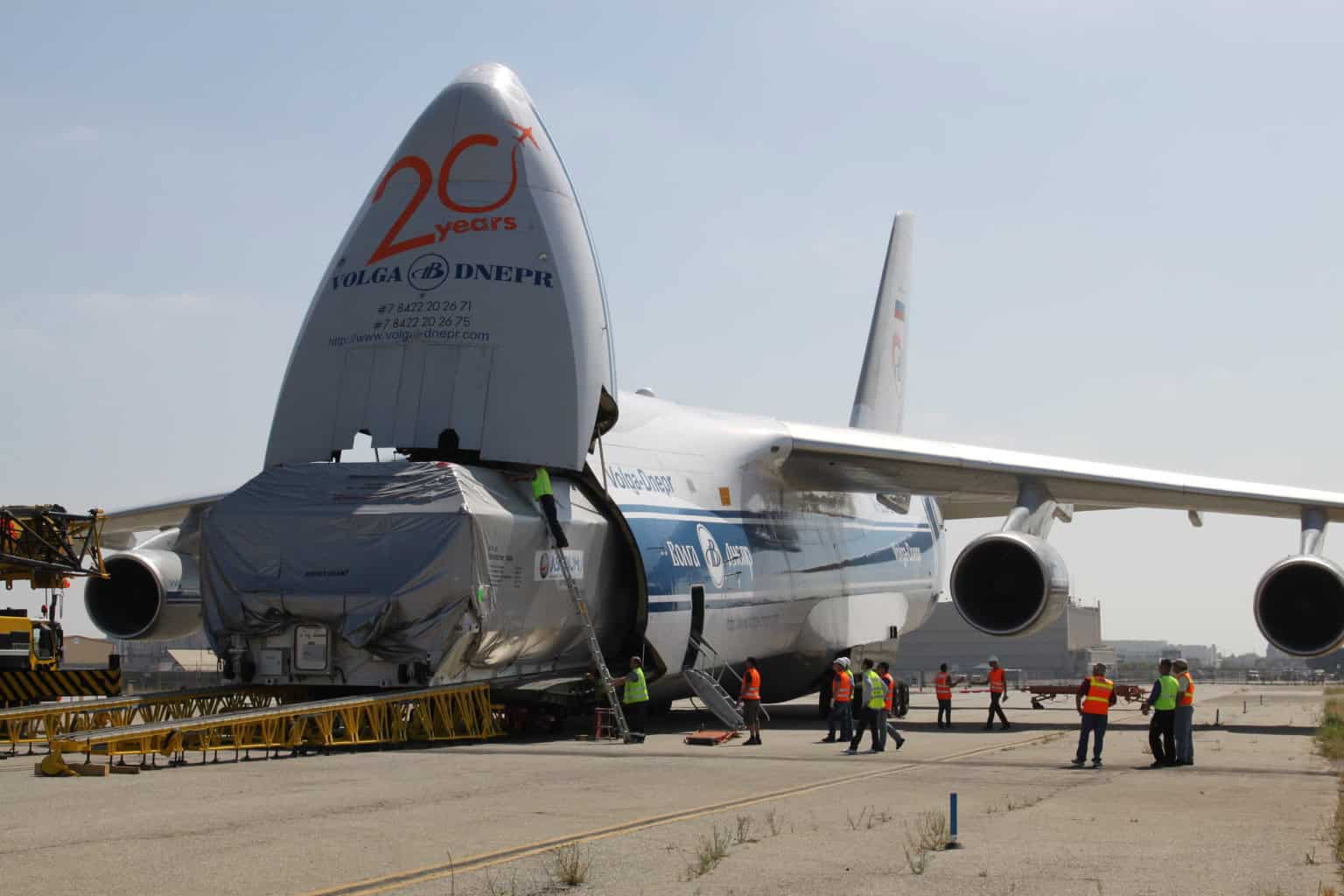
Powered by four high-thrust turbofan engines, the An-124 features a high-mounted wing, a distinctive nose that can be raised for front loading, and a rear cargo ramp. Its spacious cargo hold and onboard crane systems allow it to load and unload large freight independently of ground equipment. With a maximum payload capacity of approximately 150 metric tons, it remains one of the most capable operational cargo aircraft in the world.
Following the end of the Cold War, the An-124 transitioned into commercial service, supporting global industries such as energy, aerospace, and heavy manufacturing. Operators have used it to transport satellites, aircraft components, generators, and humanitarian relief supplies to remote locations.
Although production numbers were limited, the Ruslan continues to serve in both military and civilian roles. Its combination of size, range, and lifting capability ensures that it remains a critical asset for missions that demand extreme airlift performance.
Sources and references used for research and fact-checking.