Military Transport Planes
Antonov An-12
ICAO: AN12
The Antonov An-22 Antei was the Soviet Union's heavy turboprop airlifter, and it remains the largest turboprop cargo aircraft ever built, with a cargo deck no other turboprop has matched.
Updated: by Tim de Vries
The latest aviation news and stories sent to your inbox.
The Antonov An-22 Antei (NATO name Cock) is a four-engine Soviet heavy transport that first flew in 1965 and was built until 1976. It carried tanks, missiles and relief supplies from unpaved strips for almost sixty years. The last Russian aircraft was lost in a crash in December 2025.
Live Fleet Activity (AN22)
Fetching live data…


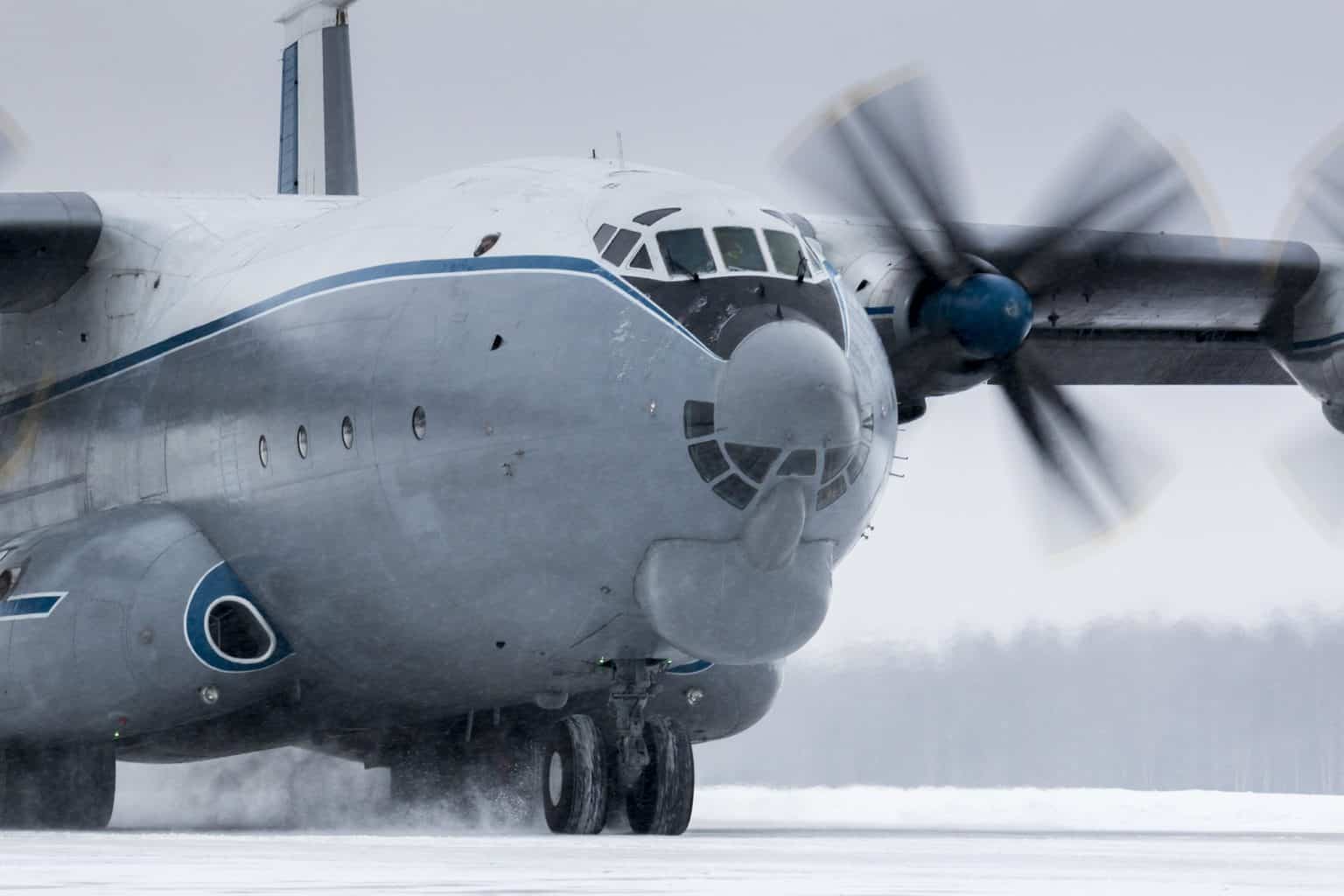
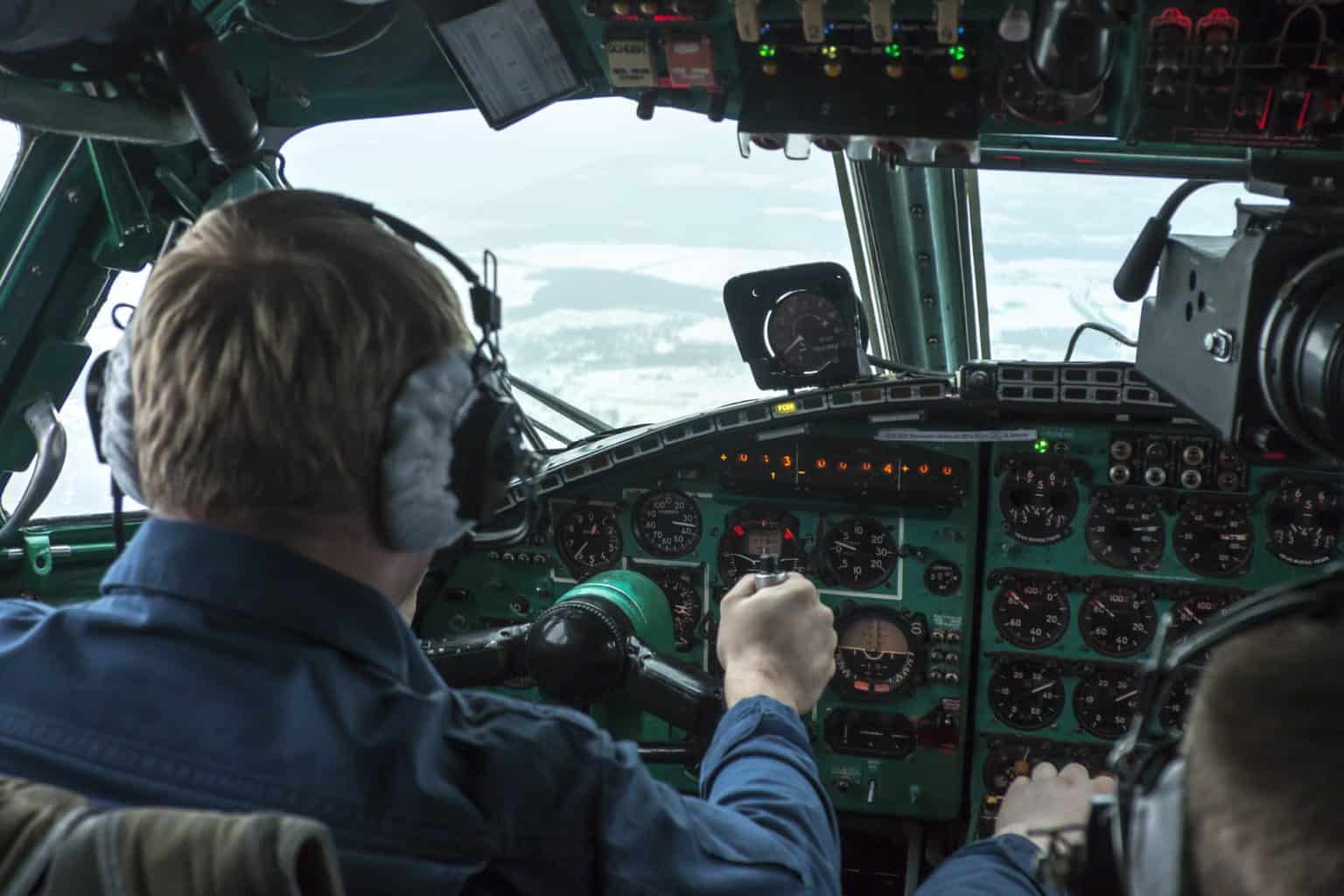
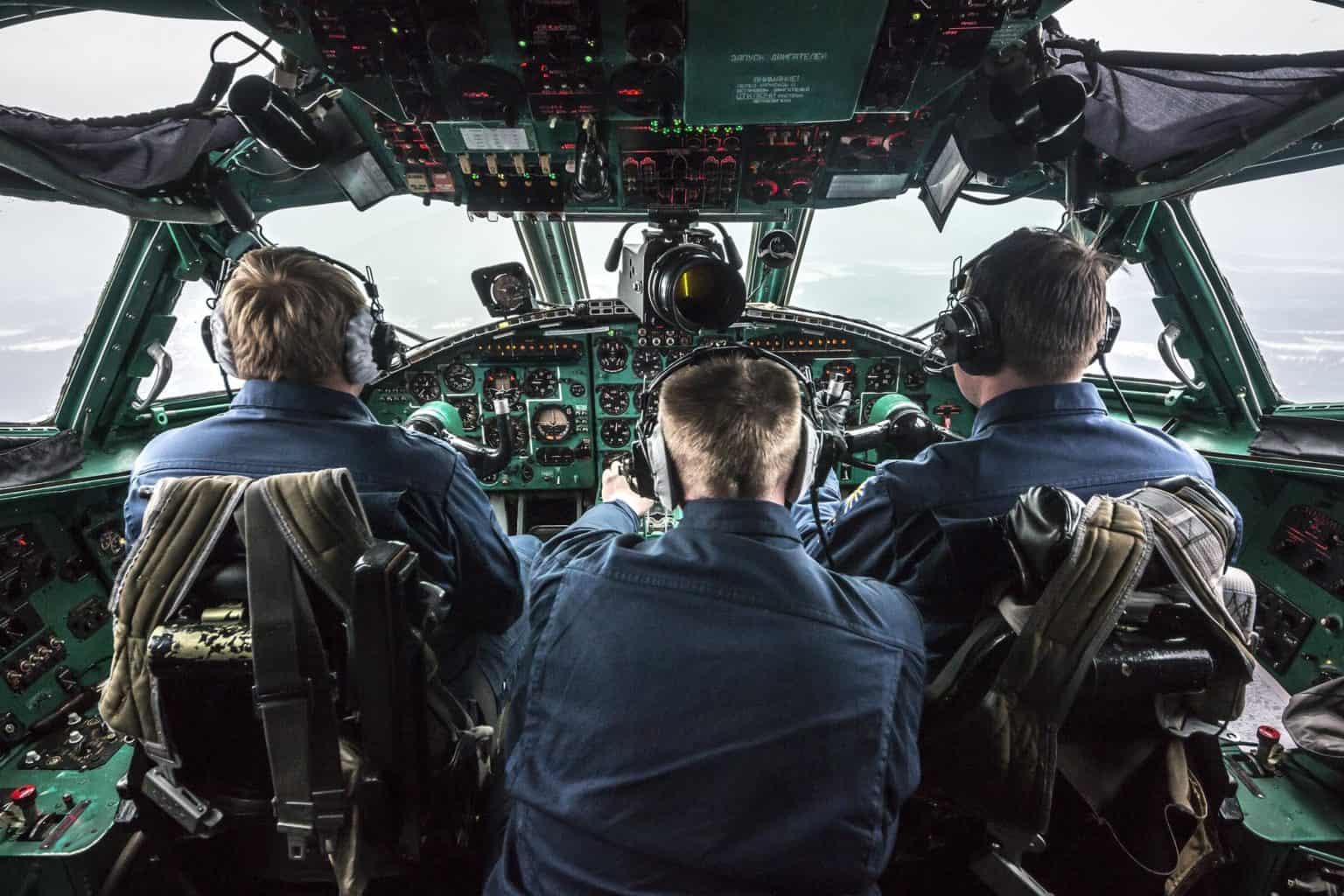

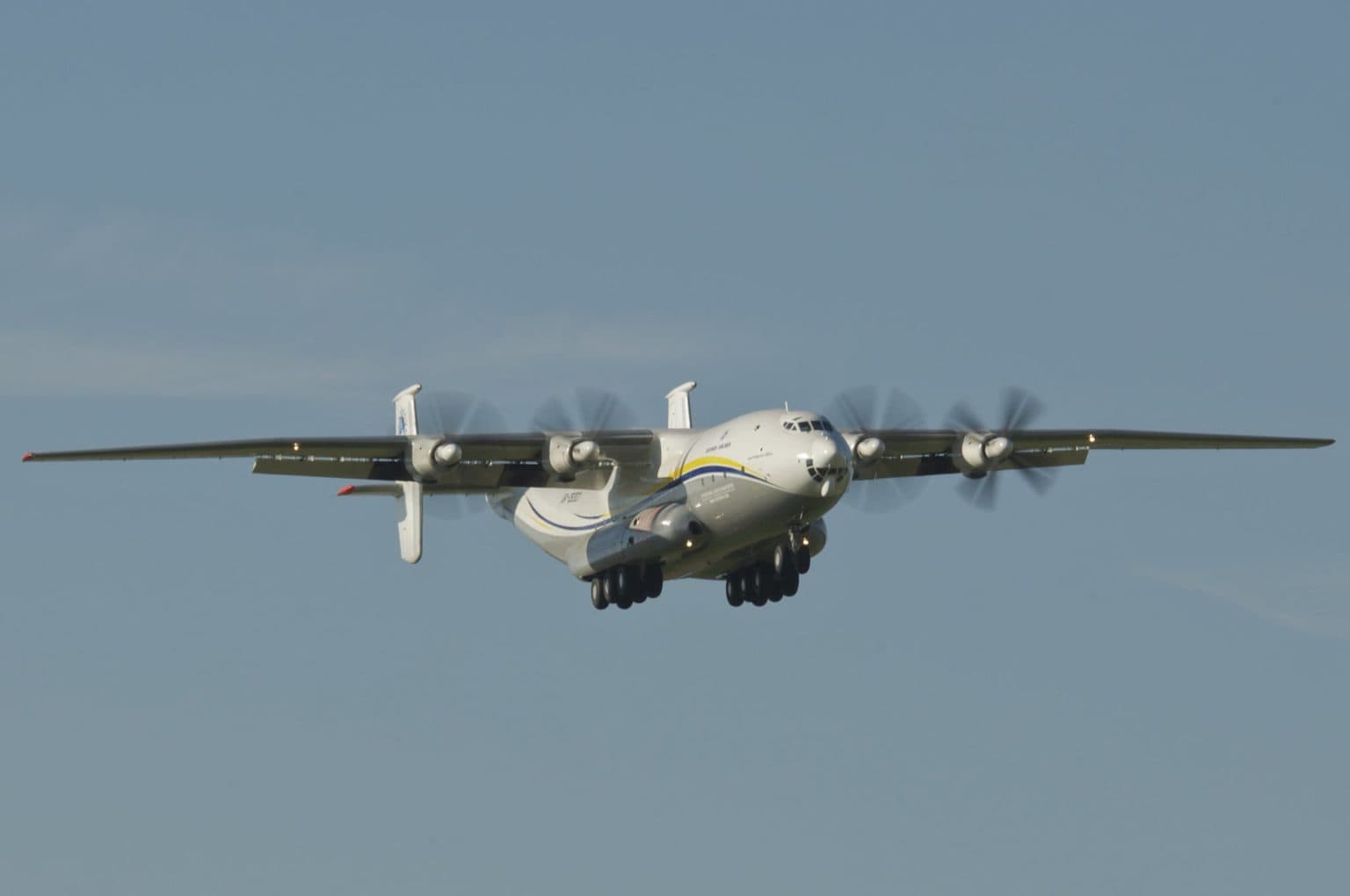


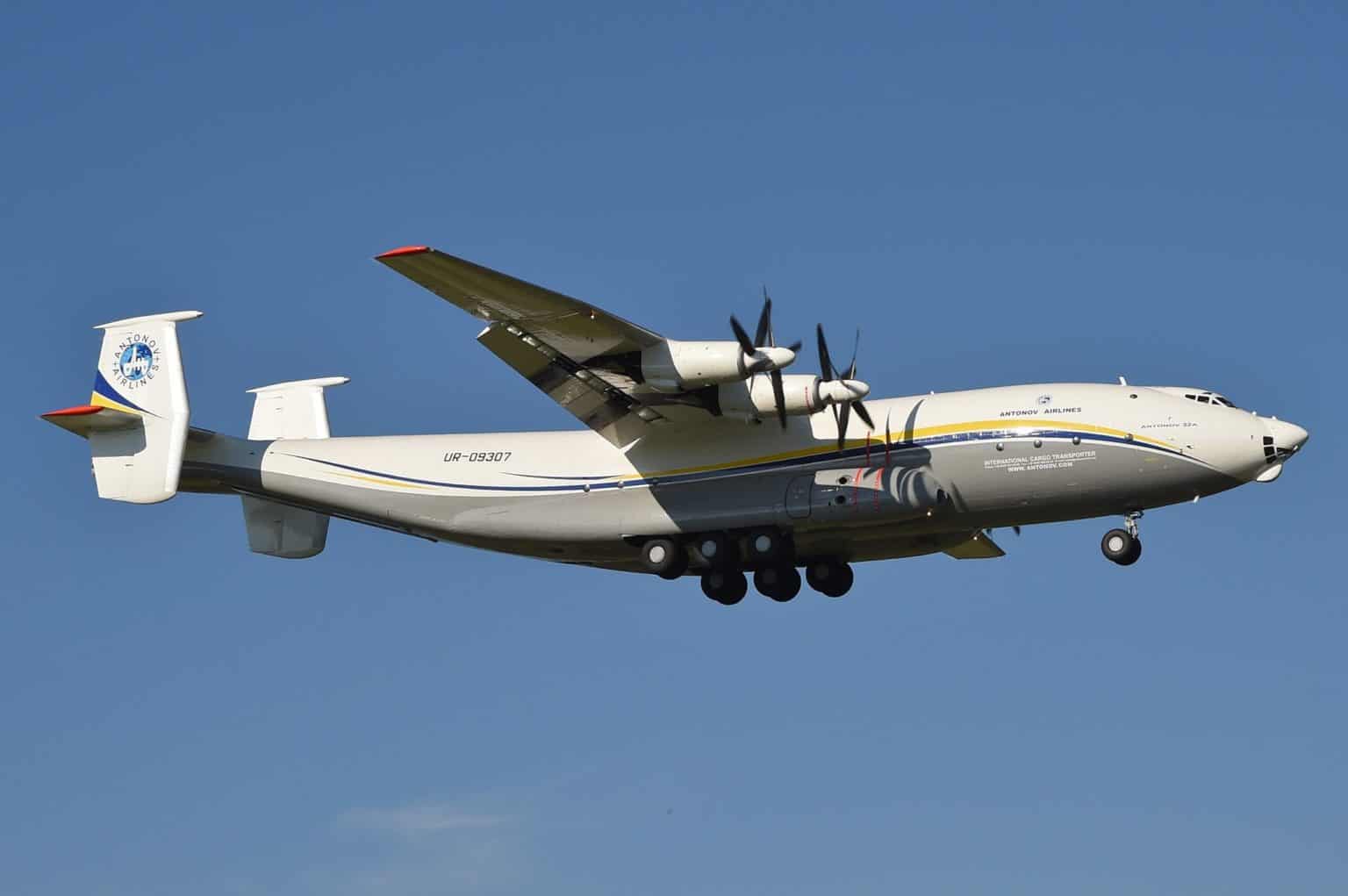
The Antonov An-22 Antei is the largest turboprop cargo aircraft ever built, and no turboprop has matched its cargo deck since. It was the Soviet Union’s first wide-body transport, designed to haul tanks, missiles and heavy equipment to rough strips far from any paved runway.
NATO gave it the reporting name Cock. The Soviets called it Antei, after Antaeus, the giant of Greek myth.
Production ended in 1976 after 68 aircraft. The type flew for almost sixty years, and the last Russian airframe was lost in a crash in December 2025.
In the late 1950s the Soviet Ministry of Defense wanted a strategic airlifter bigger than the An-8 and An-12. Antonov built a wooden mock-up, known as Model 100 and first designated An-20, in Kyiv in the early 1960s.
The first prototype rolled out on 18 August 1964. It made its first flight on 27 February 1965 and appeared at the Paris Air Show that year.
The first production aircraft reached the military transport wing at Ivanovo in 1969. Tashkent in Uzbekistan built the production line.
Four Kuznetsov NK-12MA turboprops power the An-22, and each drives a pair of contra-rotating propellers.
The second tail reduced the height the tail needed to be and improved performance with an engine out.
The cargo deck is about 33 m long and has a usable volume of 639 m³.
The aircraft was built to operate from unpaved, short strips. The forward cabin is pressurized and seats up to 29 people, while the aft hold is only partly pressurized.

The full specification table for the aircraft is on this page. A few figures need context.
The An-22 has a maximum takeoff weight of 551,000 lb (250,000 kg). It can lift a payload of up to 176,500 lb (80,000 kg).
The published range is 5,910 nm (6,800 mi, 10,950 km), but that is with full fuel and a payload of only 45,000 kg. With the maximum payload on board, the range falls to about 5,000 km.
The aircraft is 190 ft 0 in (57.92 m) long with a wing span of 211 ft 3 in (64.40 m). Its tail height is 41 ft 1 in (12.53 m).
Take-off needs 4,250 ft (1,300 m) of runway and landing 2,600 ft (800 m). That short ground run is why it could serve unprepared strips.
Tashkent built 37 of the first production An-22, which used an external engine start system.
The improved An-22A followed, with 28 built. It added air-start capability, a modified electrical system and updated radio and navigation equipment.
The An-22PZ was a pair of conversions that carried An-124 or An-225 wing sections on the fuselage. It had a third, centreline fin. Studies for an amphibious version, a civil airliner, a nuclear-powered aircraft and a ballistic missile platform never went beyond paper.
Related heavy lifters from the same design bureau include the An-124 Ruslan and the An-225 Mriya.

The An-22 became the Soviet Union’s long-range heavy lifter. It carried relief supplies to Peru after the 1970 Ancash earthquake and military aid to Egypt and Syria during the 1973 Yom Kippur War.
It flew supplies to Angola in 1975 and 1987, and to Ethiopia in 1977 and 1984. From 1979 it moved Soviet airborne troops and equipment into Afghanistan.
It also hauled relief cargo for Chernobyl in 1986 and the 1988 Armenian earthquake. In 1995 it carried Russian peacekeepers to Bosnia, and in 2016 it flew aid to Gao in Mali.
Only two airframes were ever used commercially. Antonov Airlines flew one, UR-09307, on NATO charters from Leipzig/Halle after returning it to service in 2016.

On 18 July 1970, an An-22 carrying aid to Peru was lost over the Atlantic near Keflavik in Iceland.
On 28 December 2010, an An-22 crashed near Krasny Oktyabr in the Tula region. All 12 aboard died.
On 9 December 2025, An-22 RF-08832 crashed into the Uvodye Reservoir near Ivankovo in the Ivanovo region. It was on a test flight, and witnesses told the Russian newspaper Kommersant it began to break up in the air.
Kommersant reported seven dead, five crew and two passengers, while the Bureau of Aircraft Accidents Archives lists eight. Russia’s Defence Ministry set up a commission to investigate, and no official cause had been published when this page was updated in October 2026.
Russia’s military stopped flying the type after the December 2025 crash, which Kommersant’s sources described as the last An-22 in Russian use. Reports in August 2024 had already said Russia was retiring its remaining aircraft.
The Ukrainian Antonov Airlines aircraft UR-09307 was reportedly damaged in the fighting around Hostomel in February 2022. Wikipedia does not list it as flying, and no source found for this update shows an airworthy An-22 anywhere in October 2026.
Almost certainly not. The last known airworthy An-22 was the Russian aircraft that crashed on 9 December 2025, and the Ukrainian Antonov Airlines example was reportedly damaged in 2022. No source found in October 2026 shows another flying.
The An-22 is better described as the largest turboprop cargo aircraft than a passenger plane. Its pressurized forward cabin seats up to 29 people, but the type was built to carry freight and was not an airliner. Wikipedia notes it has had the largest cargo deck of any turboprop into the twenty-first century.
Wikipedia lists 68 built between 1966 and 1976, including 37 of the first production type and 28 of the An-22A at Tashkent. Two were converted to An-22PZ.
Antei is the Russian form of Antaeus, the giant of Greek mythology. NATO’s reporting name for the aircraft is Cock.
No reliable current count exists. Wikipedia lists Russia as owning 11 aircraft, none of them in active service, but no source gives a reliable count of airworthy aircraft. Few, if any, can fly.
Sources and references used for research and fact-checking.