

Table of Contents
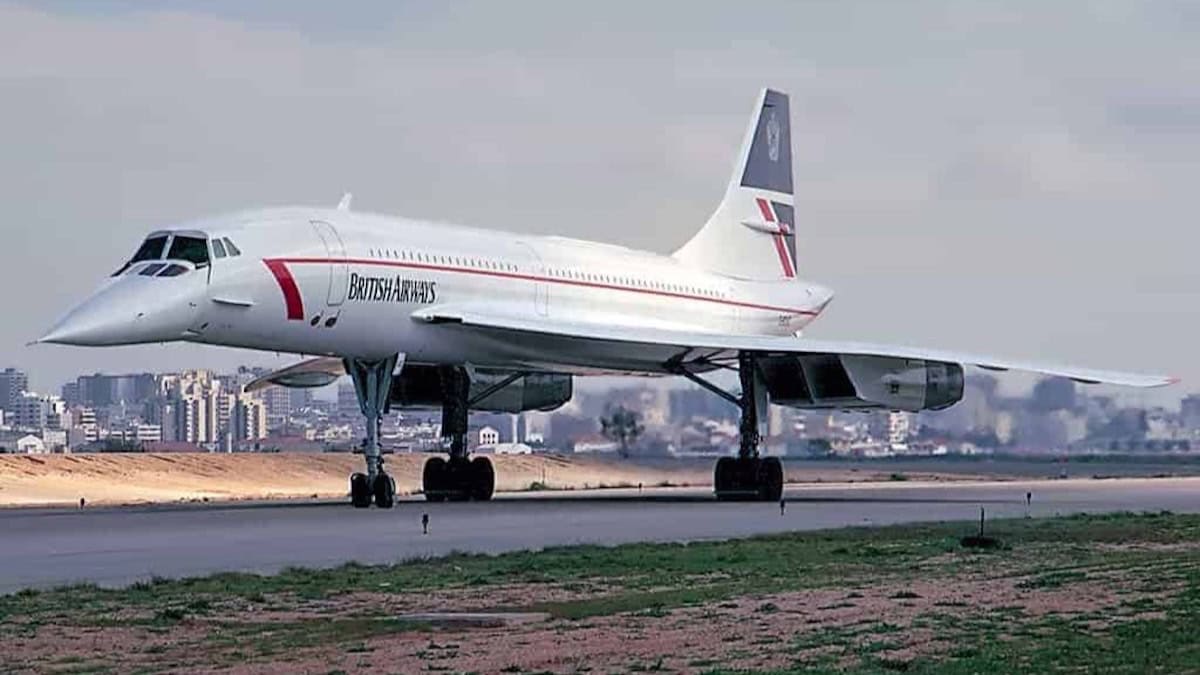
Concorde is the one airliner most people could draw from memory. The delta wing, the drooped nose, and the thin white fuselage are recognisable to people who have never been near an airport fence.
Three questions always follow, in the same order. How fast did it really go, why did it stop, and could it ever come back.
The answers have less to do with flying than you would expect. Nothing built since has matched Concorde in the air. It was ended by a parts contract and it is held on the ground today by a certificate. This collection takes the three questions in turn.
The collection at a glance
Three articles, three questions. Concorde cruised at Mach 2.04, about 1,354 mph (2,179 km/h), and crossed the Atlantic in under three hours. It was retired in 2003 because Airbus stopped supplying spare parts, not because of the 2000 crash. It cannot return because the type certificate covering the whole fleet went back to the regulator, and reissuing it would need a design authority that Airbus declines to be.
The physics worked. The arithmetic never did.
Supersonic passenger flight was not a technical failure. Concorde did exactly what it was built to do, at Mach 2.04 and 60,000 feet (18,300 m), on a published timetable, for decades.
Every constraint that actually mattered sat outside the aircraft. The sonic boom closed overland routes almost everywhere, which left a route map small enough to count on one hand.
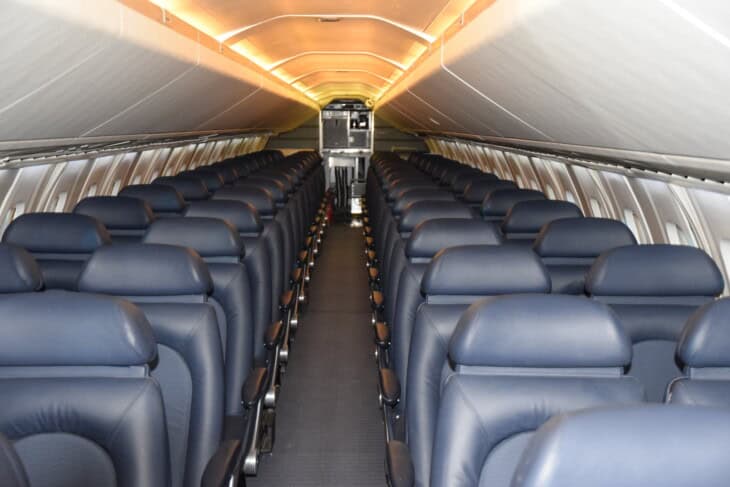
Only twenty airframes were ever built, and fourteen of those carried passengers. That is a tiny fleet to spread a support bill across, and it meant every component was bespoke to a design nobody else used.
So the aircraft ran on a knife edge that had nothing to do with its performance. It needed premium transatlantic traffic to hold up, and it needed a manufacturer willing to keep standing behind a 1960s design. Both of those gave way within three years of each other.
The part most people miss is what happened after the last landing. An airliner is not only metal, it is a live approval held by a company, and when the fleet retired Concorde left aviation’s legal system as well as its timetable.
What this collection covers
Start with the numbers. Concorde Crossed the Atlantic in Under Three Hours. Nothing Has Since. sets out the cruise speed, the altitude, and the record crossing of 2 hours 52 minutes 59 seconds set on 7 February 1996.
It also covers the two things that shaped everything else: what Mach 2 does to an airframe, and how the sonic boom rules drew the route map. The same article looks at what NASA and Boom Supersonic are doing about those rules now.
Then the ending. Concorde Did Not Stop Flying Because of the Crash takes apart the version of the story almost everyone carries.
The Paris crash in 2000 was the trigger, but Concorde was back in service carrying paying passengers for nearly two years afterwards. What finished it was Airbus deciding in 2003 to stop supplying spares, arriving at the exact moment premium traffic collapsed after 11 September 2001.
Then the question people ask most. Nothing Legally Bans Concorde From Flying Again. One Company Just Has to Say Yes. explains why eighteen surviving airframes, most of them complete and on public display, cannot be started up.
No law forbids it. The UK regulator has never refused, and would read an application. Its first condition is a credible design authority standing behind the aircraft, which points straight back at Airbus, which declines.
That article also settles the two viral hoaxes that keep persuading people a Concorde flew recently, and covers the one British delta that genuinely did return to flight and what eventually grounded it again.
Where to start
If a museum visit brought you here, read the speed article first. It gives you the figures worth knowing while you are standing in front of the aircraft.
If you arrived from an argument about why it was retired, go straight to the retirement piece, because the common version of that story is wrong in one specific and correctable way.
And if you saw a video of a Concorde flying in the last couple of years, read the return-to-flight article. It identifies exactly which video you saw.
For the full specification, engines and production history, the Aérospatiale-BAC Concorde aircraft page carries the database record. The three articles are written to be read in any order and link across to each other wherever the threads cross.
The best single entry point is still how fast Concorde actually flew, because everything else in the collection is a consequence of that one number.
Sources and references used for research and fact-checking.
- AeroCorner, Aérospatiale-BAC Concorde
- Guinness World Records, 1996: Fastest Flight Across the Atlantic in a Commercial Aircraft
- Wikipedia, Concorde operational history
- Wikipedia, List of Concorde aircraft
- Heritage Concorde, The Civil Aviation Authority & Concorde RTF (Return to Flight)
- Heritage Concorde, Concorde Type Certificate and Airworthiness
Get the Newsletter
The latest aviation news and stories sent to your inbox.
About the Author

Tim is the owner and lead editor of AeroCorner since 2019, overseeing aviation content covering aircraft, airlines, airports, and the broader aviation industry. Through years of researching, writing, editing, and publishing aviation-focused content, he has developed extensive practical knowledge of commercial aviation and air travel. Based in Asia and a frequent traveler himself, Tim also brings firsthand passenger experience to AeroCorner’s coverage. Outside of publishing, he has also explored aviation firsthand through hands-on flight training in New Zealand.