

Table of Contents
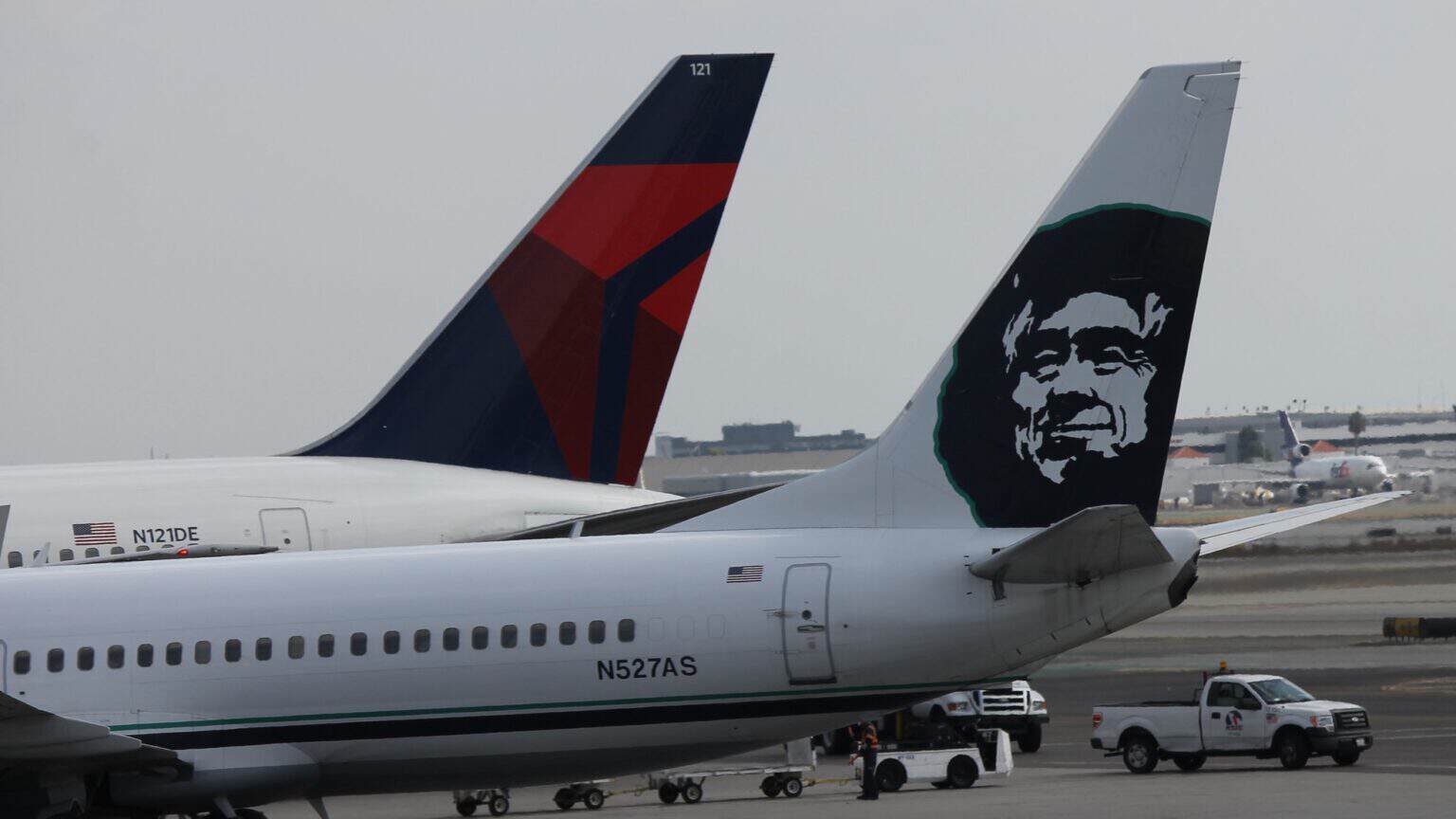
Pick Alaska Airlines if you live on the West Coast or in Hawaii, and above all if you fly from Seattle. It canceled 1.24% of its flights in the first half of 2026, about half Delta’s 2.35%, and drew fewer complaints per flight.
Pick Delta if you live east of the Rockies, want free Wi-Fi on most flights, or check bags or a wheelchair, which it mishandles less often.
One thing has not changed in nine years: the two are rivals, not partners. Delta miles do not work on Alaska, and Alaska points do not work on Delta.
The figures come from the Department of Transportation’s Air Travel Consumer Reports published in August and September 2026, plus each airline’s own fee, loyalty and fleet pages as of October 2026. “Alaska” here includes Hawaiian Airlines, which the DOT now reports as part of Alaska. For the other big carriers, see our Delta vs United vs American comparison.
| Criterion | Alaska Airlines | Delta | Edge |
|---|---|---|---|
| On-time arrivals, January to June 2026 | 80.51% (1st of 9) | 79.33% (2nd of 9) | Alaska, narrowly |
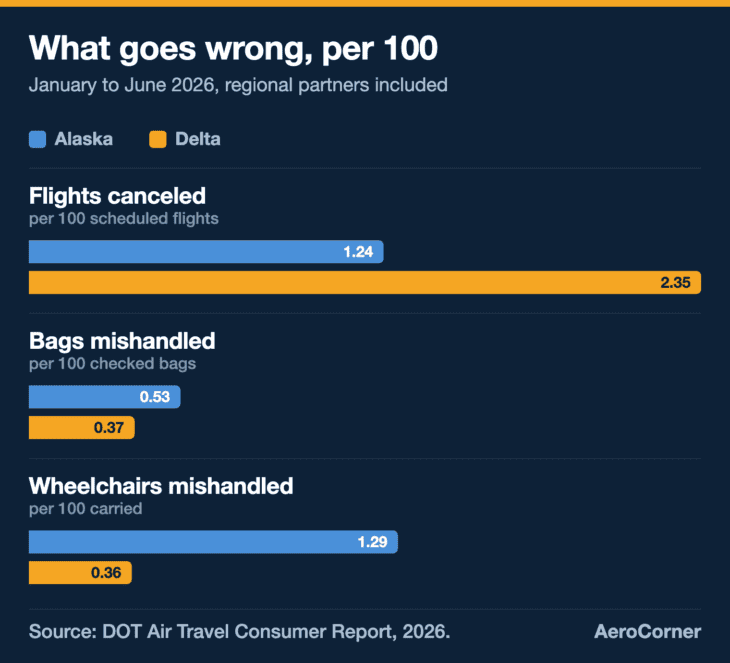
| Flights canceled, January to June 2026 | 1.24% | 2.35% | Alaska |
| Mishandled per 100, January to June 2026: bags / wheelchairs | 0.53 / 1.29 | 0.37 / 0.36 | Delta |
| First / second checked bag, domestic | $45 / $55 | $45 / $55 | Even |
| Cheapest fare | Saver: no changes; 50% credit if canceled 14+ days out | Main Basic: change or cancel for a $99 fee (domestic) | Delta |
| Free Wi-Fi for members | Starlink on 38% of aircraft (September 25, 2026) | On 1,000+ aircraft, most flights | Delta |
| J.D. Power 2026: first class / premium economy | 720 (3rd) / 720 (2nd) | 750 (2nd) / 736 (1st) | Delta |
| Where they fly, July 2026 | 108 US airports; 56.1% of Seattle arrivals | 211 US airports; 26.4% of Seattle arrivals | Delta nationally, Alaska in Seattle |
| Earning on a Seattle to New York JFK round trip, from 2027 | 4,842 points by distance on any Main fare or above | 5 miles per dollar of base fare | Alaska, below a $968 fare |
| DOT complaints per 100,000 scheduled flights, January to June 2026 | 425 | 556 | Alaska |
How we compared
Operational figures are the DOT’s own published rates for each marketing-carrier network, which includes branded regional partners: Horizon and SkyWest for Alaska, Endeavor, Republic and SkyWest for Delta. Since Alaska and Hawaiian received a single FAA operating certificate on October 29, 2025, the DOT reports Hawaiian inside Alaska, so Alaska’s 2025 comparison figures exclude Hawaiian and are not like-for-like. Complaints per 100,000 flights divide the DOT’s January to June 2026 complaint cases by scheduled flights: 1,047 over 246,145 for Alaska and 4,534 over 816,084 for Delta. Seattle shares divide each network’s July 2026 arrivals at Seattle-Tacoma by the airport’s 17,969 total: 10,087 for Alaska and 4,747 for Delta. The points figure uses a great-circle distance of 2,421 miles (3,897 km) each way between Seattle-Tacoma and New York JFK, calculated from the two airports’ coordinates. 4,842 points divided by Delta’s 5 miles per dollar gives the $968 break-even base fare. We did not compare ticket prices, which vary by route and date.
Reliability: on time and canceled flights
Alaska arrived on time on 80.51% of its flights between January and June 2026, first of the nine carriers in the DOT’s ranking. Delta’s network was second at 79.33%. On their own mainline flights the two were level: 80.20% for Alaska and 80.26% for Delta.
Cancellations are where Alaska pulls ahead. It canceled 3,043 of 246,145 scheduled flights, or 1.24%, against 19,150 of 816,084 for Delta, or 2.35%. Per 1,000 flights, that is about 12 canceled at Alaska and 24 at Delta.
The gap held into the summer. In July 2026, the latest month the DOT has published, Alaska’s network arrived on time 74.8% of the time, first of eight, and canceled 1.1% of flights. Delta managed 71.7%, third, and canceled 3.3%.
Delta’s regional partners drag its numbers down. They canceled 2.77% of their flights in the first half of 2026, against 2.09% for Delta’s own aircraft. Our explainer on why flights get delayed covers how one late aircraft spreads across a day.
Delta tells a different story about the third quarter. In its results on October 9, 2026, it said it led all carriers in on-time arrivals for July to September. The DOT’s figures for August and September are not out yet, so check the next reports before treating July as the trend.
Edge: Alaska. It canceled about half as often, and its on-time lead was narrow but held over both the half year and July.
Bags and wheelchairs
The price of a checked bag is now identical. Delta charges $45 for the first and $55 for the second on domestic flights booked on or after April 8, 2026. Alaska raised its fees to the same $45 and $55 for flights booked on or after April 10, 2026.
The free-bag rules mirror each other too. Alaska gives one free bag to Atmos Silver members, two to Gold and three to Platinum and Titanium, plus one to eligible Atmos Rewards Visa cardholders. Delta gives one to Silver Medallions, two to Gold and three to Platinum and Diamond, and the first bag free to eligible Delta SkyMiles American Express cardmembers.
Handling is where they split. Alaska mishandled 0.53 bags per 100 checked between January and June 2026, seventh of nine carriers. Delta mishandled 0.37, fourth.
The wheelchair gap is wider. Delta mishandled 0.36 wheelchairs and scooters per 100 carried, the best rate of any carrier. Alaska mishandled 1.29, more than three times as often, and was last of eight in July 2026 at 1.57.
Alaska pays you if your bag is slow
If your bag is not at baggage claim within 20 minutes of your Alaska or Hawaiian flight reaching the gate, Alaska offers a $25 discount code for a future flight or 2,500 Atmos Rewards points. You have to claim it in person within two hours of arrival, and it excludes Dutch Harbor, international arrivals that clear customs, and oversize items.
Carry-on limits are the same at both: one bag up to 22 by 14 by 9 inches, 45 linear inches including wheels and handles, plus a personal item.
Edge: Delta. The fees match, but Delta lost fewer bags and about a quarter as many wheelchairs per 100.
The cheapest fare: Saver vs Main Basic
On standard fares the two match. Alaska charges no change or cancellation fee on Main and First Class, and Delta charges none on Classic, Extra and Refundable tickets starting in the US or Canada. You pay any difference in fare.
The bottom fares are where they differ. Alaska’s Saver fare cannot be changed at all once the 24-hour window passes. Cancel at least 14 days before departure and you get a 50% credit; cancel later and you get nothing.
Delta Main Basic can be changed or canceled within the US, Canada, Mexico, the Caribbean and Central America for a $99 fee. That applies to Basic tickets bought on or after November 6, 2025.
Both fares sit at the back of the line. Saver gets a seat at check-in and boards last, in group F. Main Basic is assigned a seat at the airport and boards in Zone 8.
Neither earns anything toward loyalty: Delta Main Basic earns no miles, and Alaska Saver fares booked after June 11, 2026 earn no points on flights from August 1, 2026.
Edge: Delta. A Main Basic ticket can be rescued for a fixed fee, while a Saver ticket returns at most half its value.
Wi-Fi
Both airlines now give free Wi-Fi to loyalty members, and T-Mobile sponsors both. The difference is how many aircraft have it.
Delta passed its 1,000th aircraft with free Wi-Fi on December 8, 2025, about 75% of its fleet, and says it is free for SkyMiles members on most domestic and international flights. It is still rolling out on Delta Connection regional jets and the Boeing 717.
Alaska’s free Starlink Wi-Fi was on 38% of its aircraft on September 25, 2026, by its own tracker. The Embraer 175s, Airbus A321neos and Hawaiian A330s are done, but most of its Boeing 737s are not, and the work runs through 2027.
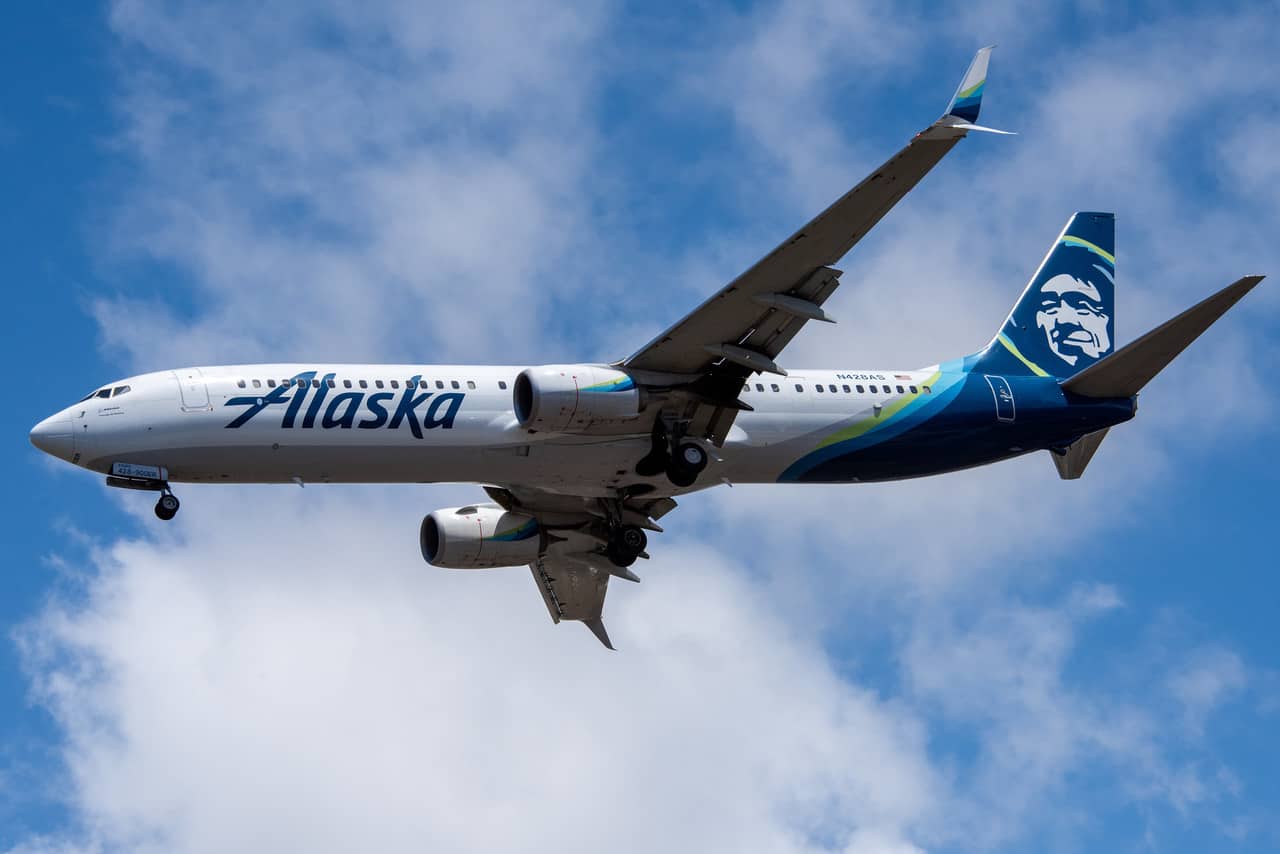
Alaska’s tracker listed none of its 79 Boeing 737-900ERs, 80 737-9s or 59 737-800s as connected. On aircraft without Starlink, its older Wi-Fi costs $8 per flight.
Edge: Delta. Its free Wi-Fi covers most of the fleet today, while Alaska’s covers about two aircraft in five.
Seats, cabins and lounges
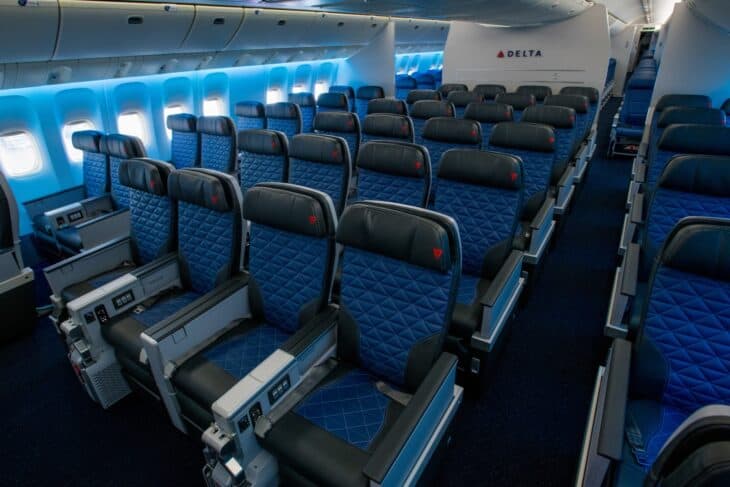
Delta publishes its seat pitch and Alaska mostly does not. On Delta’s main 737-900ER layout, Main has 30 to 31 inches of pitch, Delta Comfort 33 to 34 inches and First 37 inches.
Alaska says its Premium Class seats have 4 inches more legroom than standard Main Cabin seats, and that its First Class has “the most legroom on any U.S. domestic airline”. It does not print a pitch figure on its current cabin pages.
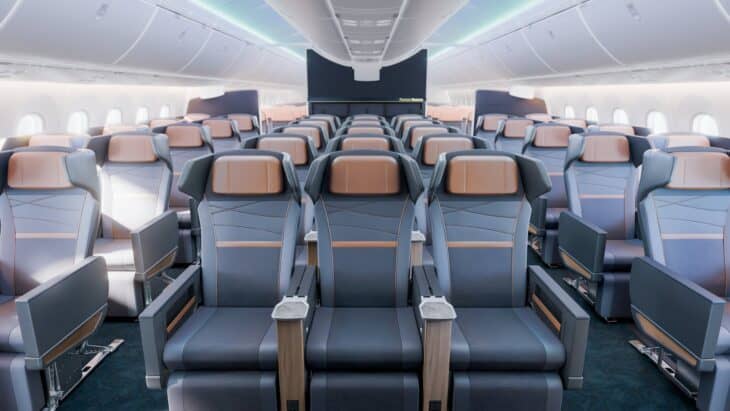
Passengers rate Delta’s front cabins higher. In the J.D. Power 2026 North America Airline Satisfaction Study, Delta ranked first in premium economy for a fourth year running, at 736, with Alaska second at 720. In first and business class, Delta was second at 750 and Alaska third at 720.
.jpg)
Lounges work differently. Alaska runs seven Alaska Lounges, three of them at Seattle, and sells single-entry passes for $65. Delta has more than 50 Sky Clubs plus Delta One Lounges at New York JFK, Los Angeles, Boston and Seattle, but does not sell single-visit passes.
Edge: Delta. It scores higher with passengers in both premium cabins, though Alaska is the easier lounge to walk into for a day.
Where each one flies, and the fight for Seattle
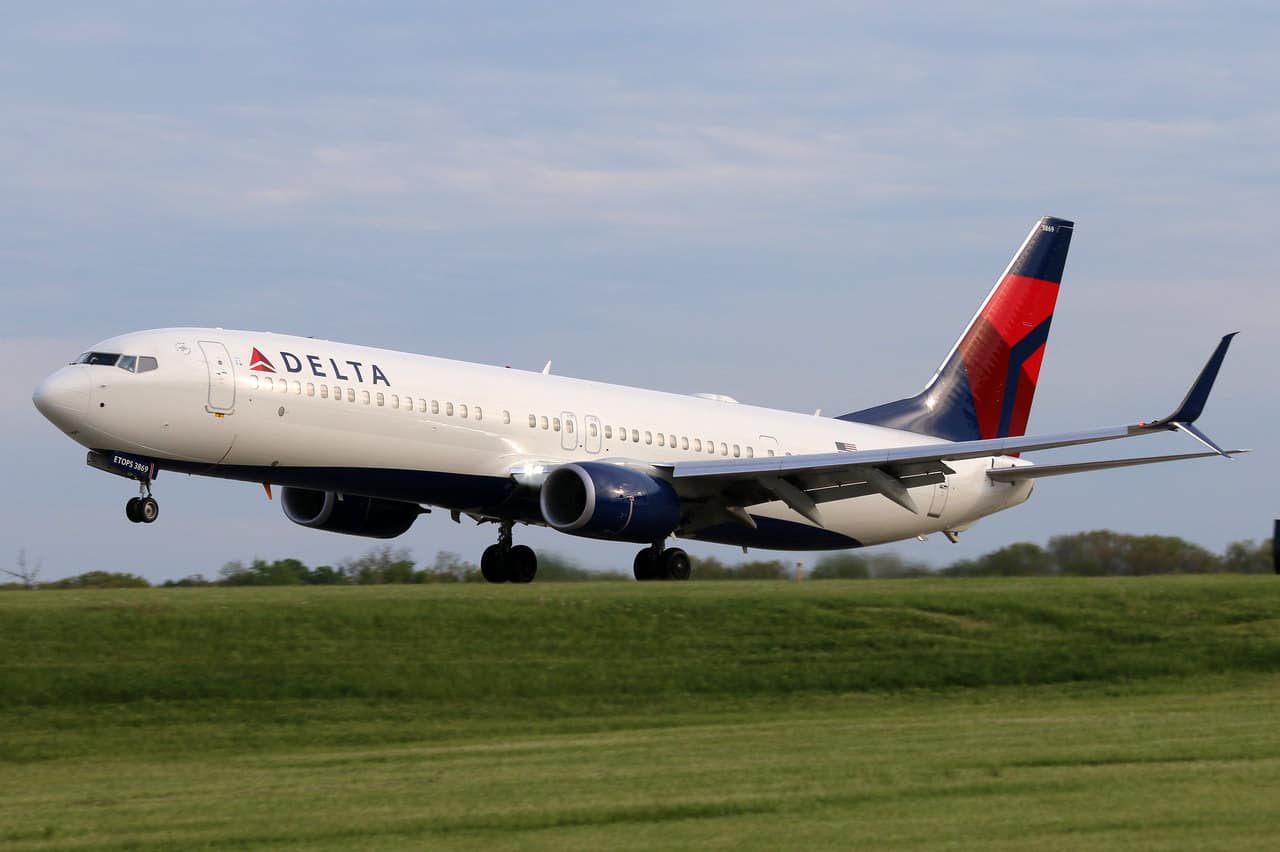
Delta’s network is about twice the size. In July 2026 the DOT counted 211 US airports for Delta and 108 for Alaska. Delta says it flies to more than 300 destinations on six continents, and Alaska to more than 140.
The fleets follow the same pattern. Delta had 1,004 mainline aircraft at June 30, 2026, averaging 15.0 years old, plus 325 regional jets flown by partners. Alaska Air Group had 330 mainline aircraft, 15 of them freighters, plus 92 Embraer 175s flown by Horizon and SkyWest.
Alaska’s fleet is younger, at 9.7 years on average at the end of 2025. It is built around the Boeing 737, with Hawaiian’s Airbus A330s and A321neos and a small fleet of Boeing 787-9s for long-haul flights.
Seattle is where they collide. Alaska’s network carried 10,087 of the 17,969 arrivals at Seattle-Tacoma in July 2026, or 56.1%, and Delta’s 4,747, or 26.4%. Alaska says it runs more than 360 peak-day departures to 110 nonstop destinations from Seattle; Delta says more than 160 departures to over 62.
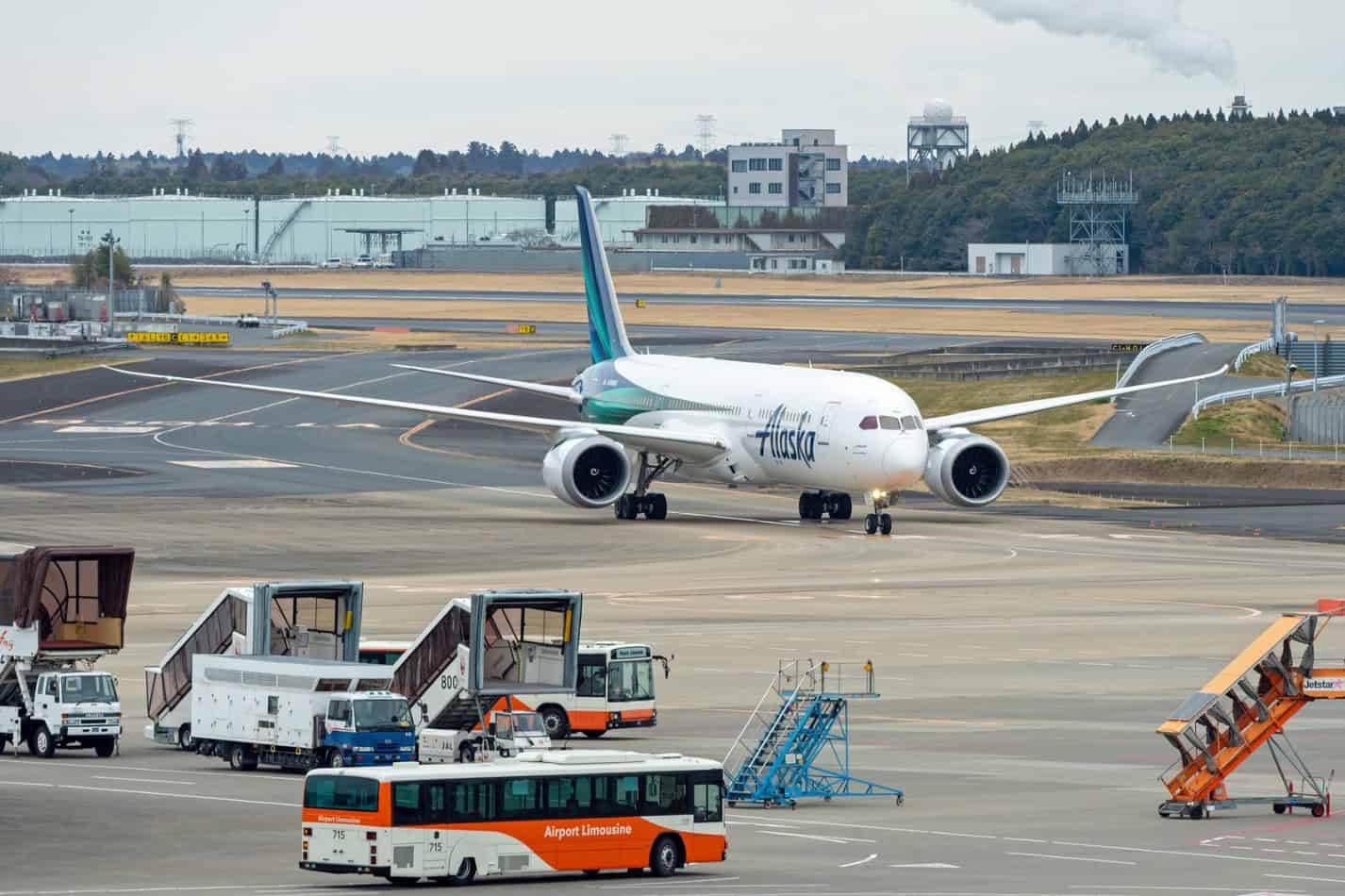
Both now fly long-haul from Seattle, and both call themselves the airport’s largest international carrier. Alaska said in September 2026 that it serves seven intercontinental destinations, after launching Seoul in September 2025 and Rome, London and Reykjavik in spring 2026. Athens and Paris follow in May 2027.
Delta flies Tokyo Haneda and added Rome and Barcelona in May 2026. It will add Seattle to Tokyo Narita in late March 2027, a route Alaska has flown since May 2025.
Edge: Delta nationally, Alaska in Seattle. Delta reaches about twice as many US airports, while Alaska carries more than half of Seattle’s arrivals.
Loyalty: Atmos Rewards vs SkyMiles
The two programs earn in different ways. Delta SkyMiles pays general members 5 miles per dollar of base fare on Classic and Refundable tickets and 7 on Extra, and the miles never expire.
Alaska’s Atmos Rewards, which replaced Mileage Plan and HawaiianMiles in August 2025, earns by distance flown in 2026. For flights from January 1, 2027, members choose one of three ways: 1 point per mile flown, 5 points per dollar spent, or 500 points per segment.
That choice favors long, cheap trips. A Seattle to New York JFK round trip is about 4,842 miles, so on a Main fare or above it earns about 4,842 points by distance, whatever you paid. On Delta, the same trip earns that many miles only if the base fare reaches about $968.
Status works differently too. For 2026, Atmos Silver takes 20,000 status points and Gold 40,000, then Platinum 80,000 and Titanium 135,000. Delta’s Medallion ladder runs on spending: $5,000, $10,000, $15,000 and $28,000 in Medallion Qualification Dollars for Silver to Diamond.
"Alaska and Delta are partners, so my miles work on both"
Not since May 1, 2017. On that date Delta and Alaska ended their codeshare, SkyMiles members stopped earning and redeeming on Alaska-operated flights, and Medallion benefits stopped applying on them. The two kept only an interline agreement for tickets and bags. Today Alaska is in the oneworld alliance with American, British Airways and Japan Airlines, and Delta is a founding member of SkyTeam with Air France-KLM and Korean Air.
The partners decide where your points go. Alaska joined oneworld on March 31, 2021, and Hawaiian followed in April 2026. Delta is a founding member of SkyTeam, with joint ventures with Air France-KLM, Virgin Atlantic, Korean Air, LATAM and Aeromexico.
Edge: Alaska, below a $968 fare. Distance earning rewards cheap long flights, while Delta’s per-dollar model pays more only on expensive tickets.
Complaints and bumping
The DOT logged 1,047 complaint cases against Alaska between January and June 2026 and 4,534 against Delta. Delta schedules more than three times as many flights, so we divided: 425 complaints per 100,000 flights for Alaska and 556 for Delta.
The DOT notes that passengers complain against the brand on their ticket, so both counts can include flights a regional partner operated.
Bumping runs the other way. Between April and June 2026 Delta reported zero involuntary denied boardings among 49.7 million passengers. Alaska bumped 92 passengers against their will among 14.6 million, a rate of 0.06 per 10,000.
Edge: Alaska. It drew about a quarter fewer complaints per flight, though Delta bumped no one.
Who should pick which
| If you… | Pick | Because |
|---|---|---|
| Fly from Seattle | Alaska | It carried 56.1% of July 2026 arrivals there, against 26.4% for Delta |
| Live east of the Rockies | Delta | It serves 211 US airports to Alaska’s 108 |
| Cannot afford a canceled flight | Alaska | 1.24% canceled against 2.35%, January to June 2026 |
| Travel with a wheelchair or scooter | Delta | 0.36 mishandled per 100 against 1.29 |
| Want free Wi-Fi on most flights | Delta | Alaska’s free Starlink was on 38% of its aircraft in September 2026 |
| Book the cheapest fare and might change plans | Delta | Main Basic changes for $99; Saver cannot be changed |
| Fly long distances on cheap tickets | Alaska | Distance earning pays the same points on any Main fare |
| Fly to Hawaii or between the islands | Alaska | Hawaiian, inter-island flights included, now flies under Alaska’s certificate and loyalty program |
If no row describes you, book on schedule and price. A nonstop on either airline will usually beat a connection on the other, and the reliability gap between them is smaller than the gap between a nonstop and a missed connection.
FAQ
Sources and references used for research and fact-checking.
- US Department of Transportation, August 2026 Air Travel Consumer Report (June and January - June 2026 Data)
- US Department of Transportation, September 2026 Air Travel Consumer Report (July 2026 Data)
- Alaska Airlines, Update on Bag Fees
- Alaska Airlines, Checked Bags
- Alaska Airlines, Carry-on Luggage
- Alaska Airlines, Baggage Service Guarantee
- Alaska Airlines, Optional Services and Fees
- Alaska Airlines, Saver Fare
- Alaska Airlines, Premium Class
- Alaska Airlines, First Class
- Alaska Airlines, Alaska Airlines' journey to connectivity: free Wi-Fi thanks to T-Mobile, powered by Starlink
- Alaska Airlines, Atmos Rewards members unlock free inflight Wi-Fi
- Alaska Airlines, Introducing Atmos Rewards
- Alaska Airlines, Atmos Rewards 2026: expanded status earning, new partnerships and exclusive perks
- Alaska Airlines, Choose How You Earn
- Alaska Airlines, A World of Possibilities: Alaska Airlines Officially Joins oneworld
- Alaska Airlines, Hawaiian Airlines joins oneworld alliance
- Alaska Airlines, Alaska Airlines and Hawaiian Airlines reach major integration milestone: a single operating certificate
- Alaska Airlines, Alaska Airlines announces nonstop service to Athens and Paris
- Alaska Airlines, Alaska Air Group enters activation phase of Alaska Accelerate
- Alaska Airlines, Alaska Airlines advances global expansion with launch of new European routes
- Alaska Airlines, Alaska Airlines and Hawaiian Airlines unveil Aurora and Leihoku
- Alaska Airlines, Alaska Lounge locations and hours
- Alaska Airlines, Alaska Lounge day pass
- US Securities and Exchange Commission, Alaska Air Group Form 10-Q, quarter ended June 30, 2026
- US Securities and Exchange Commission, Alaska Air Group Form 10-K, 2025
- Delta Air Lines, Baggage Policy and Fees
- Delta Air Lines, Previous Baggage Fees
- Delta Air Lines, Medallion Baggage Allowance
- Delta Air Lines, Carry-On Baggage
- Delta Air Lines, Delta Main Basic
- Delta Air Lines, Basic Economy
- Delta Air Lines, Boeing 737-900ER
- Delta Air Lines, Onboard Wi-Fi
- Delta Air Lines, Delta's Wi-Fi revolution hits 1,000th aircraft
- Delta Air Lines, How to Earn Miles
- Delta Air Lines, SkyMiles Overview
- Delta Air Lines, How to Get Medallion Status
- Delta Air Lines, Corporate Stats and Facts
- Delta Air Lines, New way to Tokyo: Delta to launch new Seattle-Tokyo Narita service
- Delta Air Lines, Delta doubles down on Seattle with new global routes and two new lounges
- Delta Air Lines, Delta Sky Club
- Delta Air Lines, Delta Sky Club House Rules
- Delta Air Lines, Delta One Lounge
- US Securities and Exchange Commission, Delta Air Lines Form 10-Q, quarter ended June 30, 2026
- US Securities and Exchange Commission, Delta Air Lines announces September quarter 2026 financial results
- Delta Air Lines via PR Newswire, Delta and Alaska Airlines will end partnership in May 2017
- J.D. Power, 2026 North America Airline Satisfaction Study
- Simple Flying, How Alaska Airlines and Delta Air Lines Went From Friends to Frenemies
- Transportation Security Administration, Liquids, Aerosols and Gels Rule
Get the Newsletter
The latest aviation news and stories sent to your inbox.
About the Author

Tim is the owner and lead editor of AeroCorner since 2019, overseeing aviation content covering aircraft, airlines, airports, and the broader aviation industry. Through years of researching, writing, editing, and publishing aviation-focused content, he has developed extensive practical knowledge of commercial aviation and air travel. Based in Asia and a frequent traveler himself, Tim also brings firsthand passenger experience to AeroCorner’s coverage. Outside of publishing, he has also explored aviation firsthand through hands-on flight training in New Zealand.