

Table of Contents
Airports reward people who prepare. A few small habits can take twenty minutes off a trip and a lot of stress with it.
Frequent flyers rarely rely on luck. They rely on routines for security, bags, connections and comfort, built over hundreds of flights.
These 25 hacks cover the whole trip, from booking to landing. Rules differ by airline and airport, so check your carrier’s policy before relying on any of them.
01. Check In Online 24 Hours Early
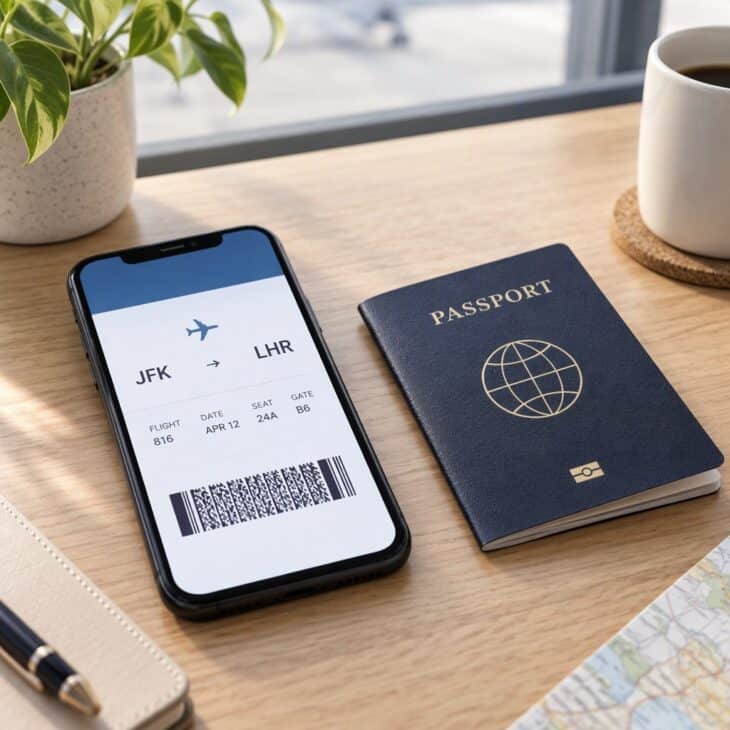
What it is Most airlines open online check-in 24 hours before departure, through the app or website. You get a mobile boarding pass, and on some airlines you can pick or change your seat.
Why it works Checking in early puts you ahead of anyone bumped for an oversold flight, because airlines often decide who gives up a seat by check-in time. It also moves one chore out of the morning rush.
How to get it Set a phone alarm for 24 hours before takeoff, and check in the moment it opens. Save the pass to your phone wallet and screenshot it as a backup.
02. Follow the 3-1-1 Liquids Rule
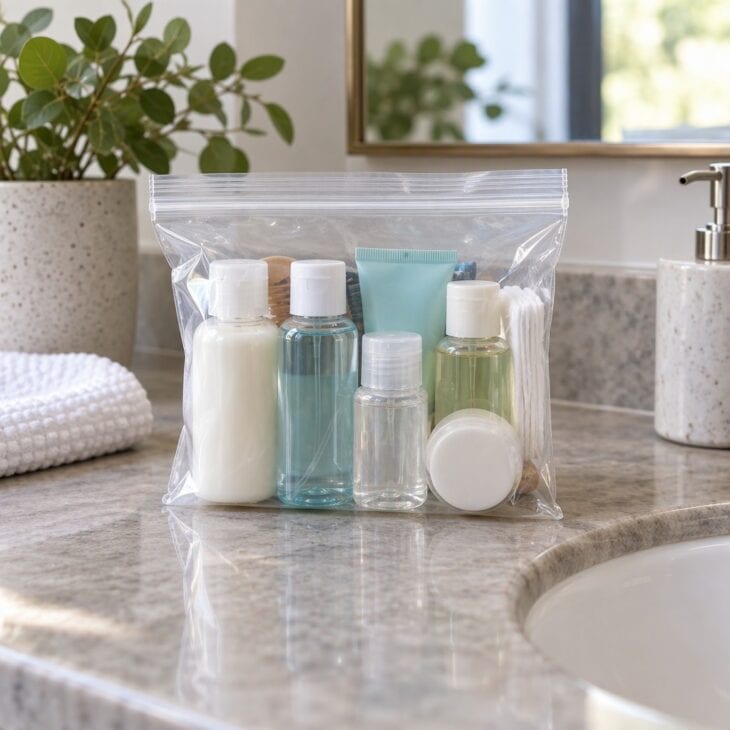
What it is The TSA rule is simple: liquids, gels and aerosols in containers of 3.4 ounces (100 ml) or less, all in one clear quart-size bag, one bag per traveler. Bigger bottles go in checked luggage.
Why it works A packed bag that is ready to pull out keeps the checkpoint line moving. Nothing slows you down like a forgotten full-size shampoo bottle being binned.
How to get it Keep the bag permanently stocked with refillable travel bottles so it is always ready. Put it at the top of your carry-on, and skip duplicates if the hotel supplies toiletries.
03. Enroll in TSA PreCheck
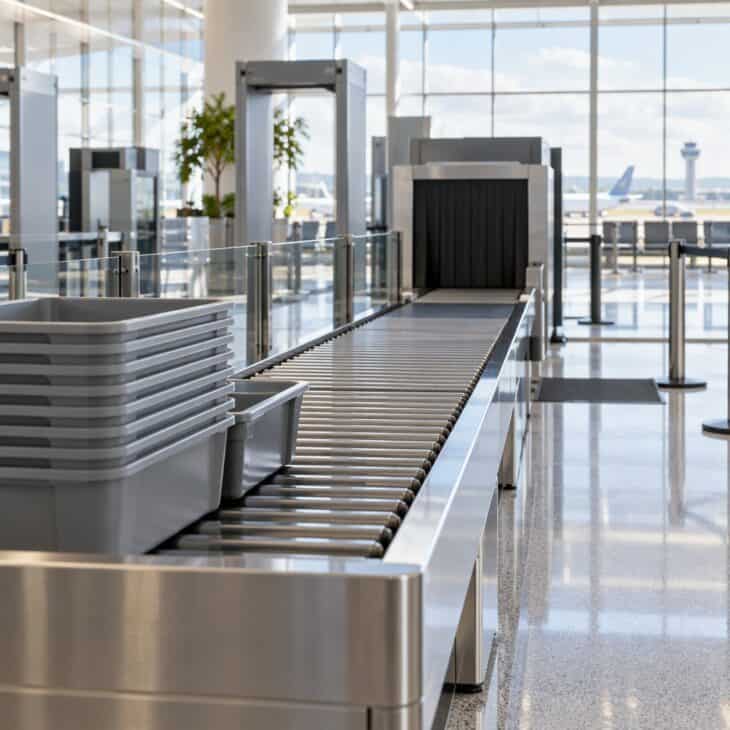
What it is TSA PreCheck is a paid trusted-traveler program that lets you keep shoes, belt, light jacket, laptop and liquids in your bag at the checkpoint. Enrollment lasts five years.
Why it works Faster screening is the headline, but the real gain is fewer moving parts. You unpack nothing, so you repack nothing and leave nothing behind in a bin.
How to get it Apply on the TSA website, then visit an enrollment center for a short appointment and fingerprints. Once approved, add your Known Traveler Number to every airline profile and booking.
04. Carry an Empty Water Bottle
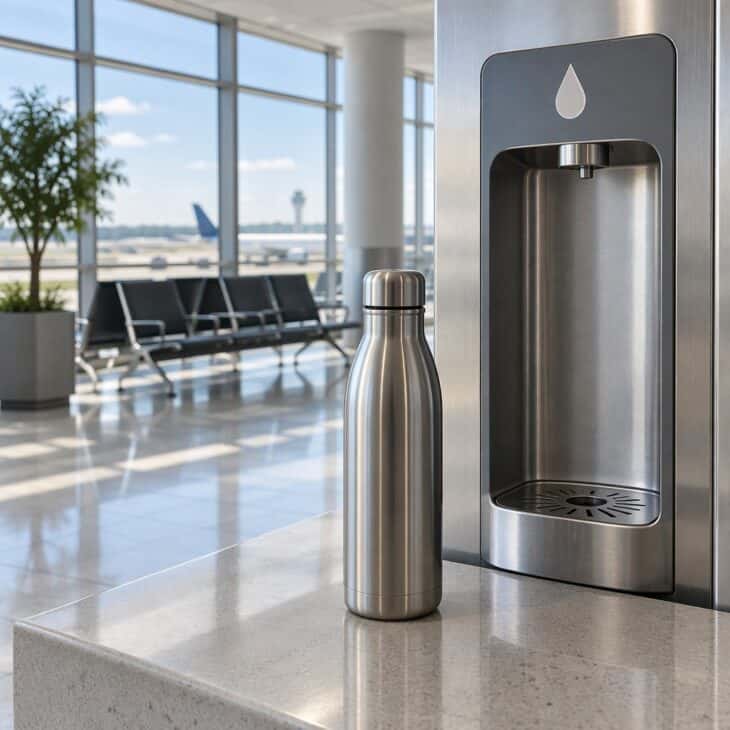
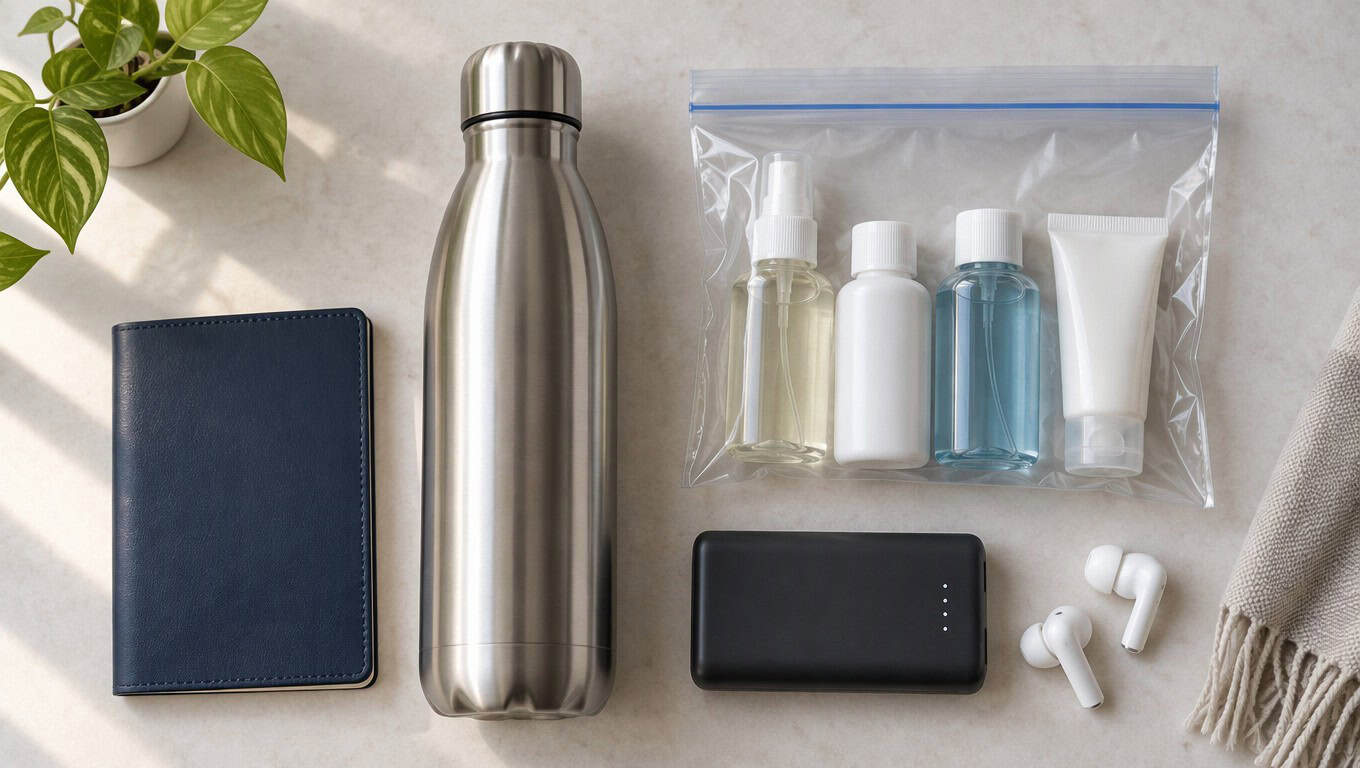
What it is A reusable bottle carried empty through security, then filled at a refill station after the checkpoint. Many airports now have bottle-filling fountains past security.
Why it works Water is the cheapest cure for dry cabin air and long travel days. Airport bottled water is often several times its normal price.
How to get it Pick an insulated bottle with a wide mouth that fits under a fountain spout. Check the terminal map or airport app for refill stations near your gate.
05. Wear Your Bulkiest Items Onto the Plane
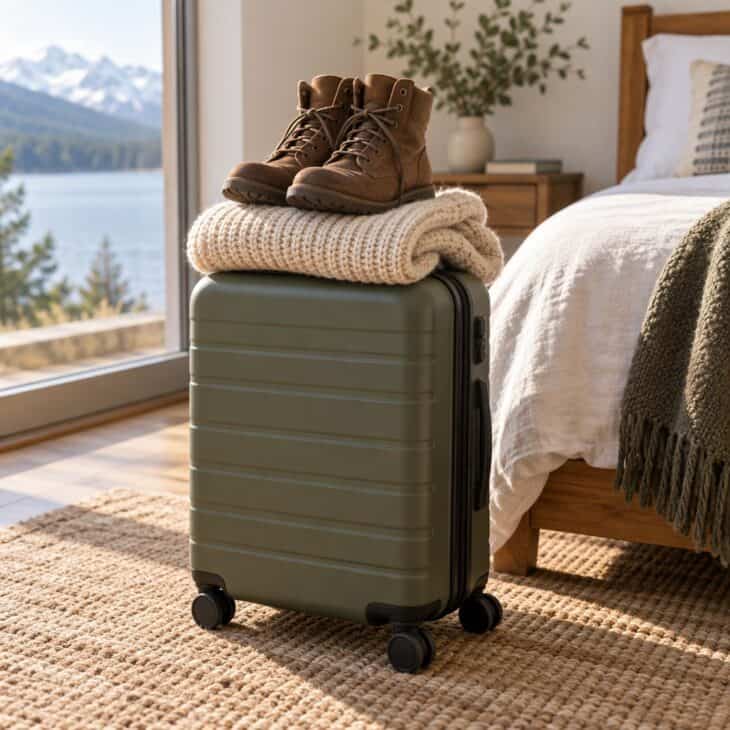
What it is Heavy items like boots, a coat and a thick sweater take the most suitcase space and the most weight. Worn on the plane, they count as clothing, not luggage.
Why it works Airline carry-on and checked-bag limits apply to the bag, not to what is on your body. It is the oldest trick for avoiding an overweight fee.
How to get it Wear the boots and the coat, and carry a light layer to remove once the cabin warms up. Roll the sweater into your personal item before landing if you get too hot.
06. Put a Tracker in Your Checked Bag
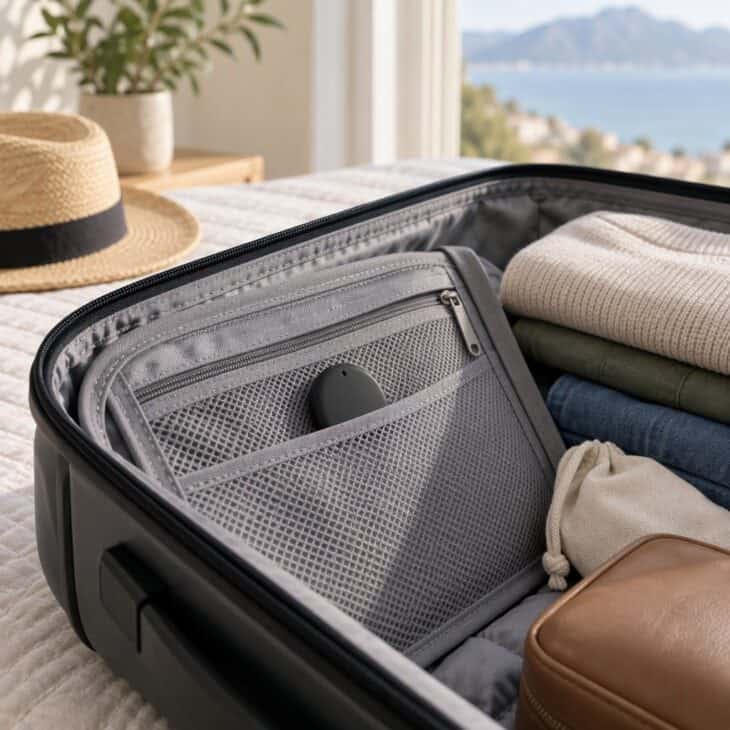
What it is A small Bluetooth or location tracker slipped into a checked suitcase. It reports where the bag is on your phone map, within the limits of the tracker network.
Why it works If a bag goes missing you can show the airline exactly where it is. That tends to speed up a search that would otherwise rely on a tag number and a guess.
How to get it Place it inside a lining pocket, not clipped outside where it can be torn off. Test it before you leave, and note the airport where it last pinged if the bag is delayed.
07. Photograph Your Bag and Tag
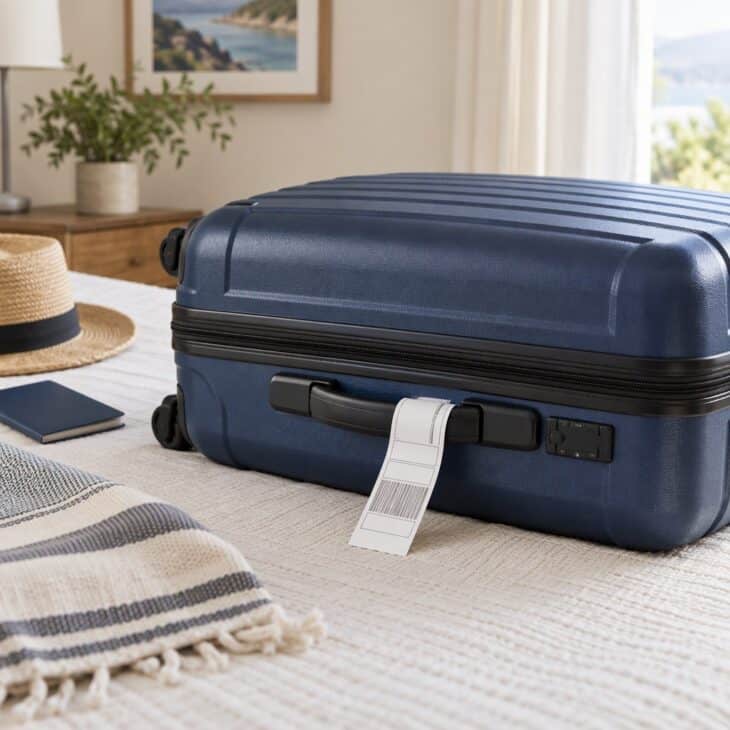
What it is A quick phone photo of your suitcase at the counter, plus a photo of the baggage claim receipt. The pair makes a record of what the bag looks like and its tag number.
Why it works A lost-bag report asks for a description and a tag number, and both are easy to forget under stress. A photo also proves the condition of the bag at drop-off if damage is claimed.
How to get it Take the photo right at check-in, before the bag leaves your hands. Keep the receipt photo in a favorites album so you find it fast.
08. Download the Airline App Before You Go
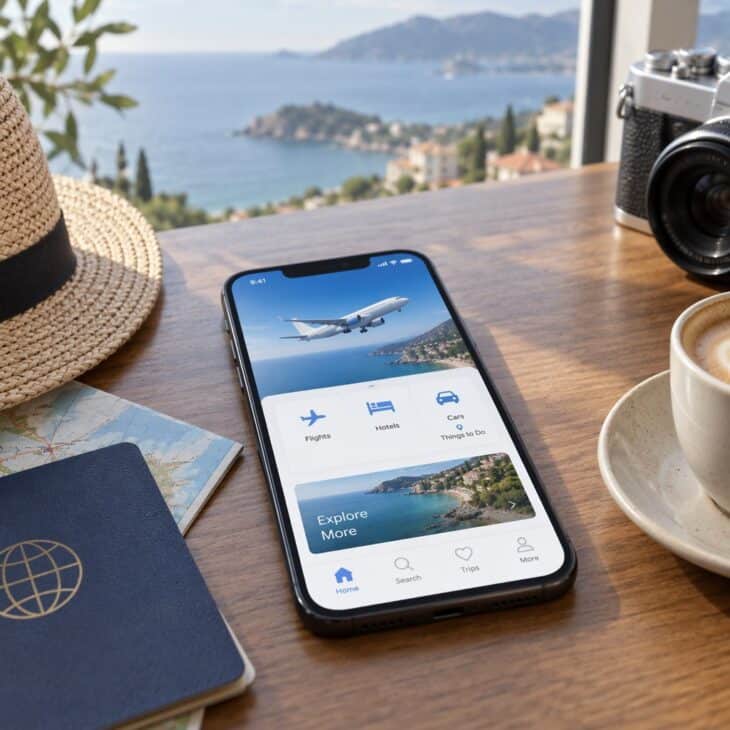
What it is The airline’s own app holds your boarding pass, gate changes, delay alerts and rebooking options. The best ones also show the aircraft’s inbound flight status.
Why it works The app often announces a delay or gate change before the screen at the terminal does. When a flight cancels, the app can be the quickest route to a new seat.
How to get it Download it and sign in the night before, with notifications switched on. Add your frequent flyer number so the whole trip loads in one place.
09. Book the First Flight of the Day
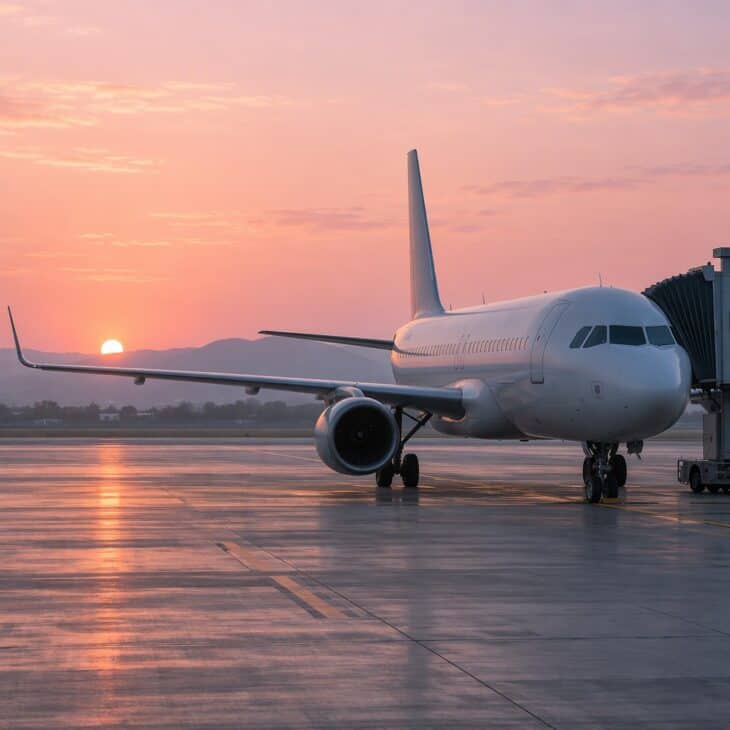
What it is The first departure of the day, often between 5 and 7 a.m. The aircraft and crew are already in place from the night before.
Why it works Delays stack up as the day goes on, so the first wave leaves with the fewest knock-on problems. A late inbound aircraft cannot hold up a flight that never needed one.
How to get it Search by time on your airline and pick the earliest departure that works. Plan the ride to the airport the night before so a 4 a.m. alarm is the only surprise.
10. Leave Room for Your Connection
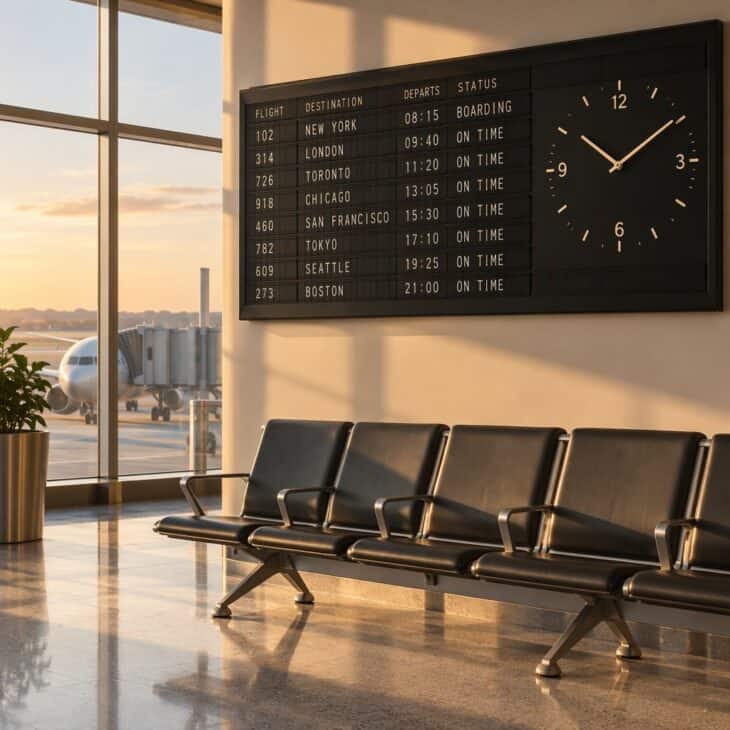
What it is Airlines publish a minimum connection time for each airport, the shortest layover they will sell. A tight itinerary is legal, but not always comfortable.
Why it works A short layover leaves no room for a late inbound flight, a long walk or a terminal change. A single delay can cost you the whole onward booking.
How to get it Aim for at least 60 to 90 minutes domestically and more for international transfers with security or border checks. See our guide to things to do on a long layover for what to do with the spare time.
11. Check the Seat Map Before You Pick
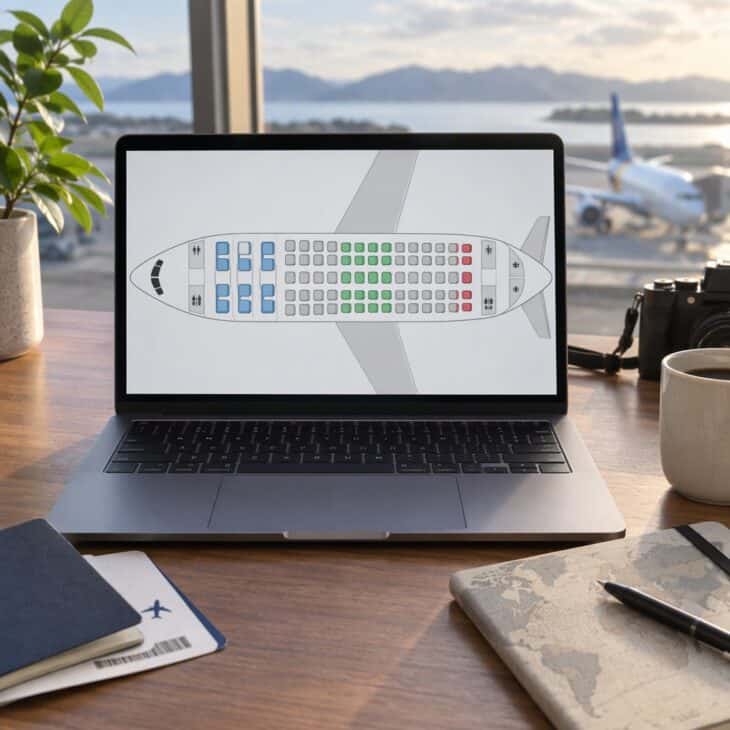
What it is A seat map shows exact row positions, exit rows, bulkheads and seats with limited recline. Independent seat-review sites add legroom and pitch measurements.
Why it works Two seats that look identical on the booking page can be completely different in practice. Seats beside a galley or lavatory tend to be noisier and busier.
How to get it Compare your aircraft type’s map on a seat-review site before choosing. Avoid the last row, which often does not recline, and consider an aisle if you will stand up often.
12. Keep Power Banks in Your Carry-On
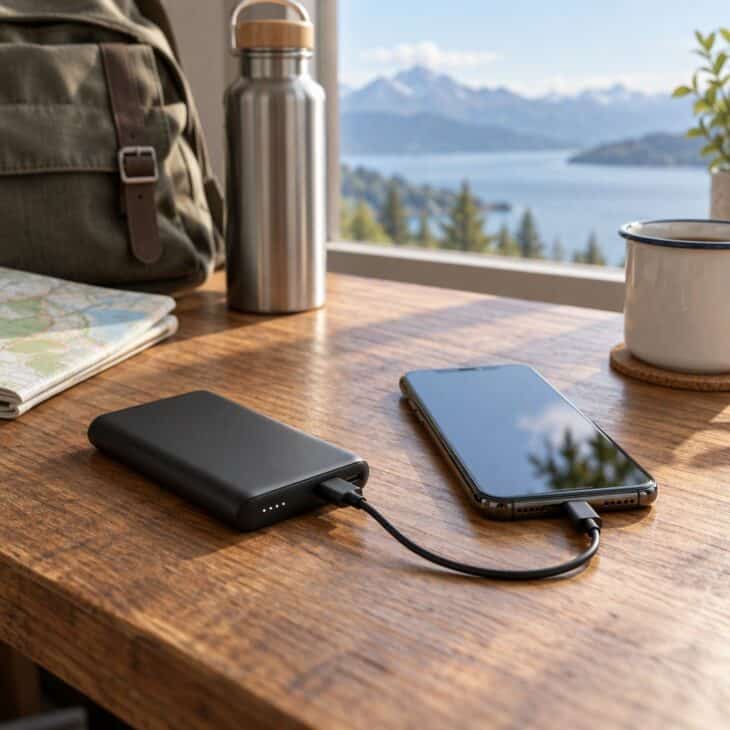
What it is Spare lithium batteries and power banks must travel in the cabin, not in checked luggage, under FAA and airline rules. Most limit capacity to 100 watt-hours without approval.
Why it works The rule exists because a battery fire is easier to deal with when the crew can reach it. You also get your charge whenever you need it.
How to get it Check the watt-hour rating printed on the battery. Put it in a pocket or seat-back pouch during flight, not in an overhead bin.
Check the rules
Security and battery rules change. Confirm the latest on tsa.gov and your airline’s website before you pack.
13. Pack a Snack From Home
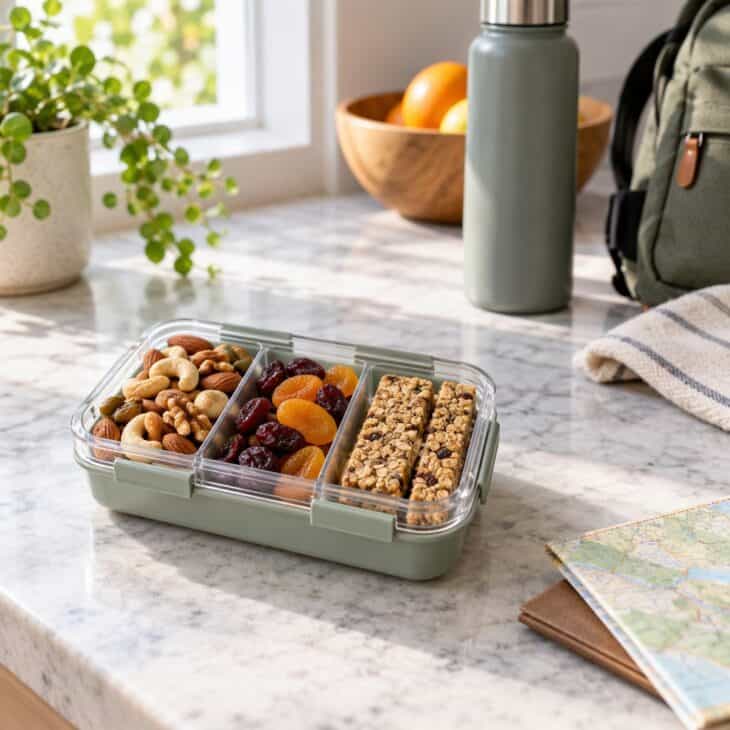
What it is A few shelf-stable snacks packed in your carry-on, such as nuts, bars and dried fruit. Solid foods pass security without issue.
Why it works Delays can strand you in a terminal at a time when food is pricey and options are thin. A snack also saves a short flight with no meal service.
How to get it Choose items that will not crush or smell strongly. For more ideas see our list of airplane snack ideas.
14. Pack a Spare Change of Clothes
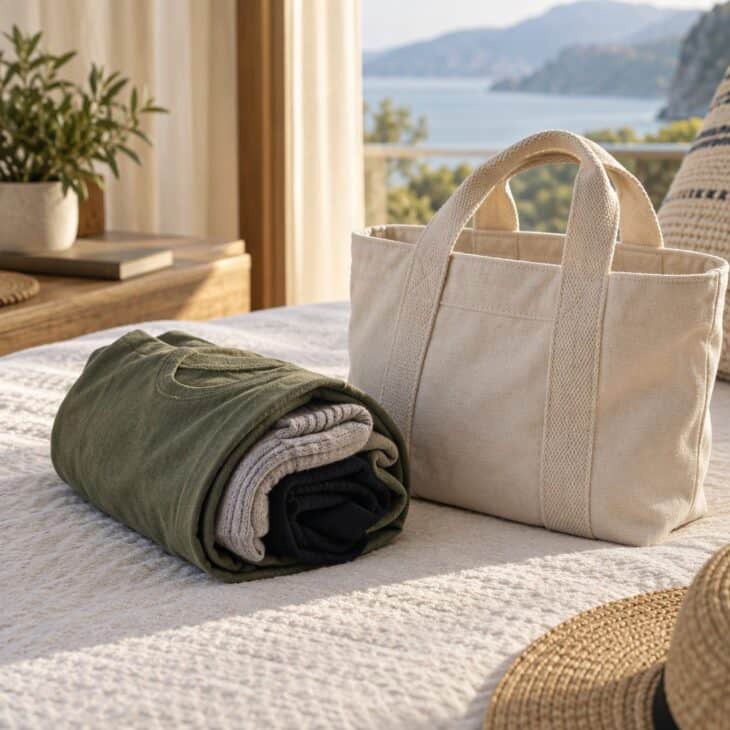
What it is One set of underwear, a shirt and socks packed in your carry-on instead of your checked bag. It is a day of emergency clothing.
Why it works If your suitcase is delayed, you will not be wearing the same clothes for two days. It also helps after a spill or a long overnight flight.
How to get it Roll the set tight and tuck it in a zip bag. Add any medication you need, because those should never go in checked luggage either.
15. Wear Slip-On Shoes
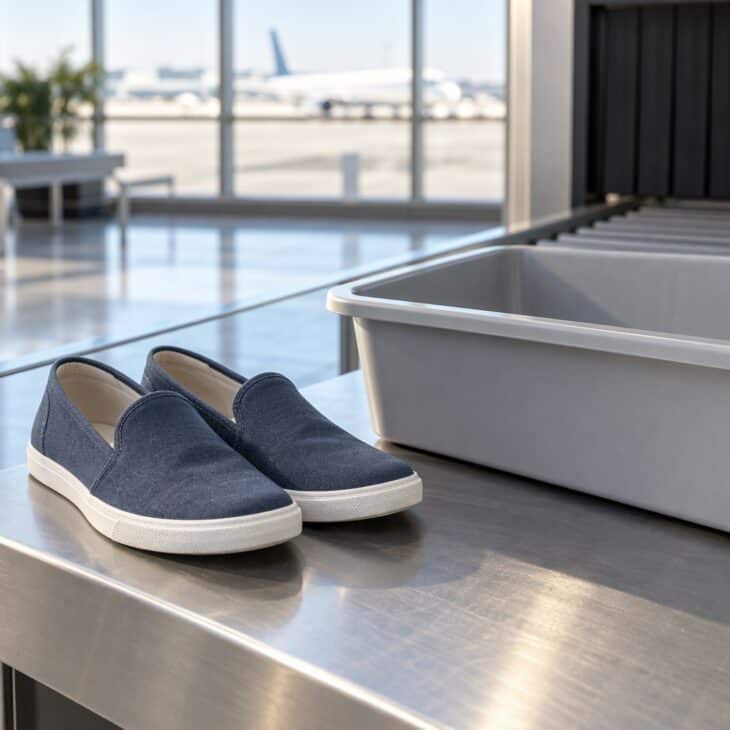
What it is Slip-on shoes come off and go back on without laces or buckles. They are the standard of frequent travelers.
Why it works Standard security lines still ask for shoes off, and a lace-up pair adds a minute of hopping on one leg. Feet also swell in flight, so loose footwear stays comfortable.
How to get it Choose a pair with a firm sole you can walk a long concourse in. Pack clean socks, because you will be walking on a checkpoint floor.
16. Use Packing Cubes
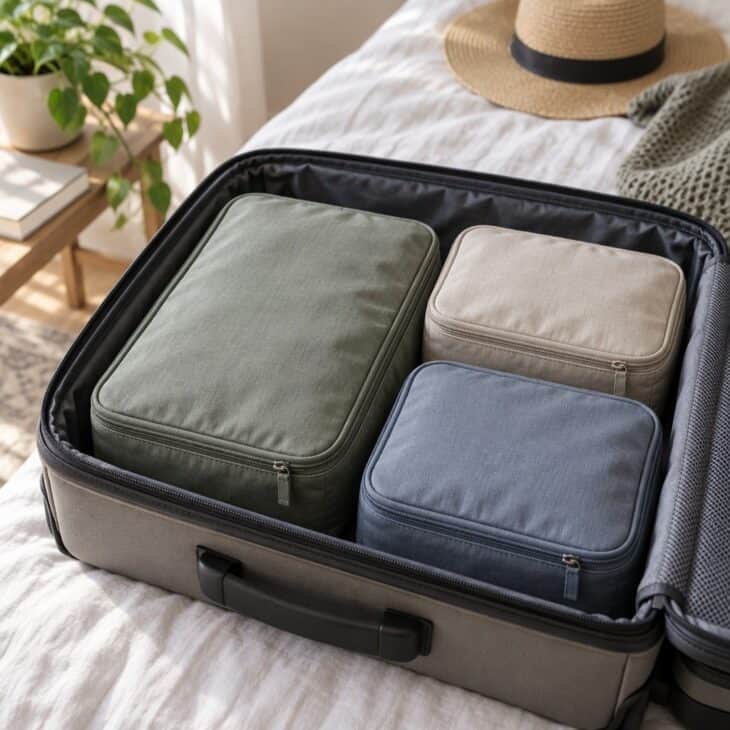
What it is Zippered fabric cubes that sort clothing by type, such as tops, underwear and socks. Compression versions squeeze out air.
Why it works Cubes turn a suitcase into drawers, so you never dig through a pile to find one shirt. They also make it simple to repack after a security bag check.
How to get it Buy a set in a few sizes and a color for each type of clothing. Fill them flat and snug, but do not overstuff, or the suitcase will not close.
17. Know What Comes Out at Security
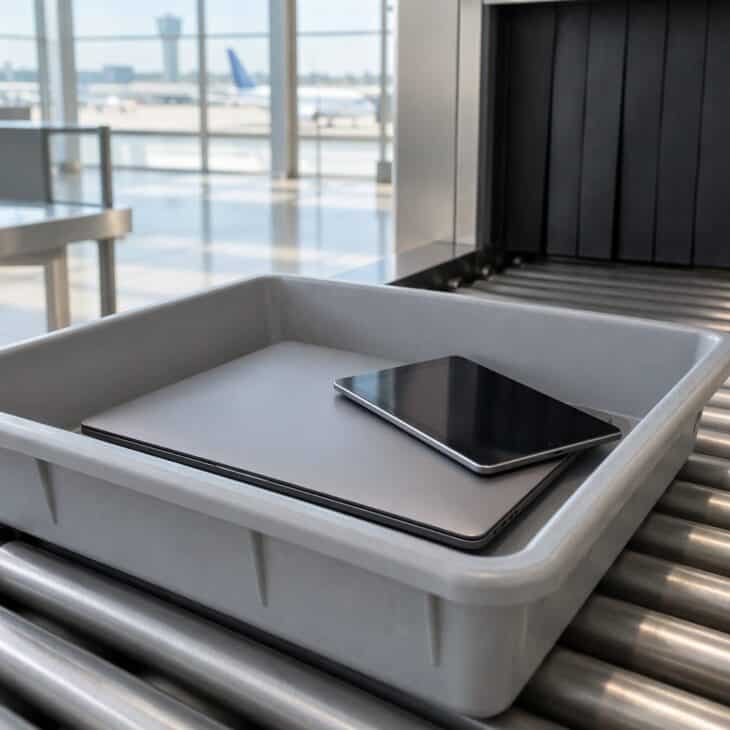
What it is In a standard lane, laptops, tablets and large electronics come out of the bag to be scanned separately. PreCheck lanes and some newer scanners relax this.
Why it works Pulling your devices out in advance stops you holding up the people behind you. It also reduces the risk of a bag being pulled for a second look.
How to get it Pack electronics in a top pocket or a checkpoint-friendly sleeve. Check the airport’s rules on the day, since scanner types vary by checkpoint.
18. Try the Far Security Lane
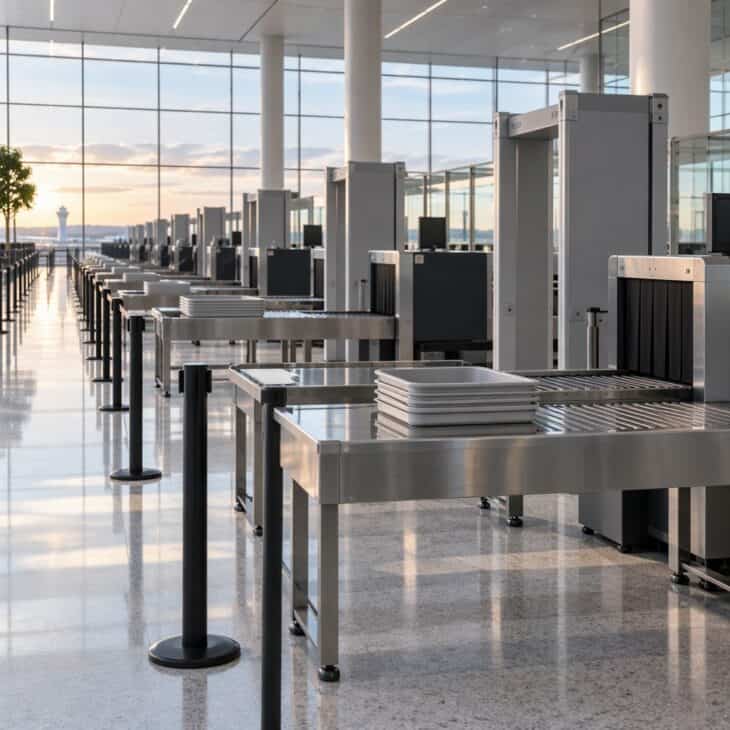
What it is Many checkpoints have several lanes, and travelers tend to choose the nearest. The far lanes often move faster.
Why it works People cluster at the first entrance they see. A walk of a few extra steps can put you in a shorter queue.
How to get it Look at lane lengths before joining a queue. Check the MyTSA app or airport website for wait times before leaving for the airport.
19. Download Entertainment Offline
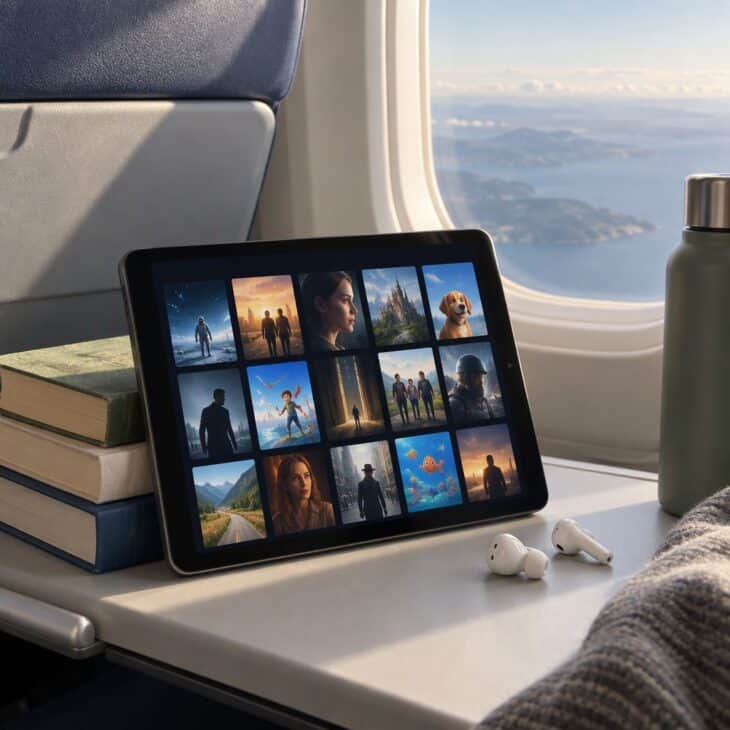
What it is Shows, films, podcasts, music and e-books saved to your device, so you can use them without a connection. Streaming apps offer download buttons.
Why it works Wi-Fi in the air is patchy, slow and sometimes paid. Offline files work from gate to gate, including in airplane mode.
How to get it Download at home on fast Wi-Fi the night before. For a long trip see our things to do on a plane guide.
20. Keep Digital and Paper Copies of Documents
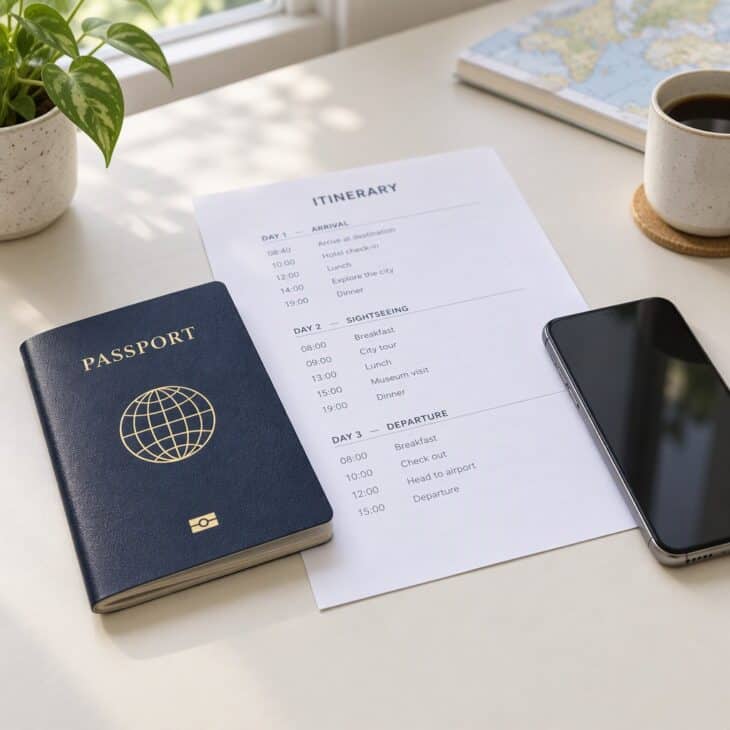
What it is A photo of your passport page and a printout of your itinerary. Store them in a cloud folder or send them to yourself.
Why it works A dead battery or a lost phone should not strand you at a counter. Border officials and hotels can also ask for proof of a return ticket.
How to get it Keep paper copies in a different bag from your passport. Add your hotel address and booking numbers to the same folder.
21. Ask for a Special Meal
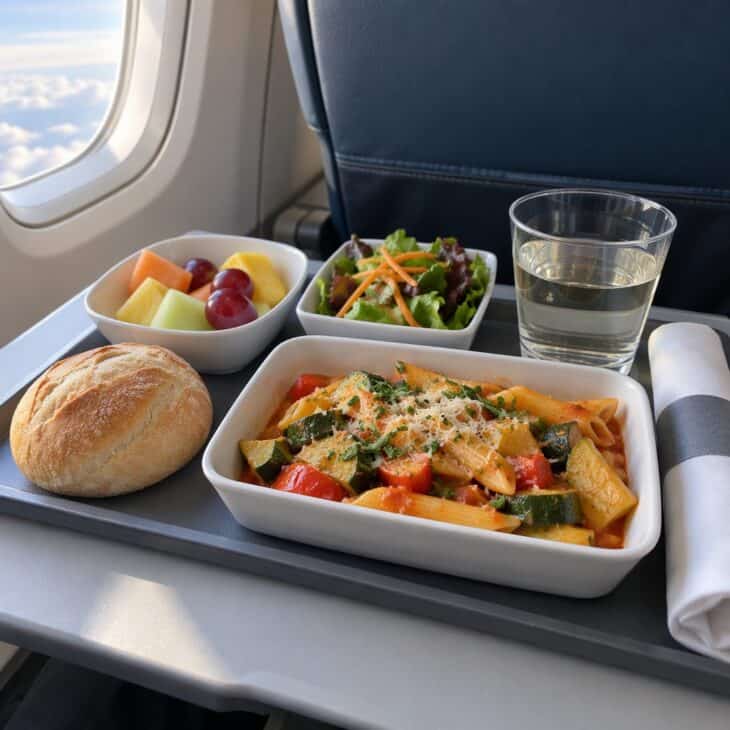
What it is Airlines offer special meals, such as vegetarian, vegan, gluten-free and kosher, usually requested at least 24 hours before departure. On many flights they are served before the standard trays.
Why it works You may eat sooner and get a meal that matches your needs. It also avoids running out of the one choice you wanted.
How to get it Request it in your booking under Manage Trip, or call the airline. Check that the request shows on your boarding pass or app.
22. Bring Earplugs and a Sleep Mask
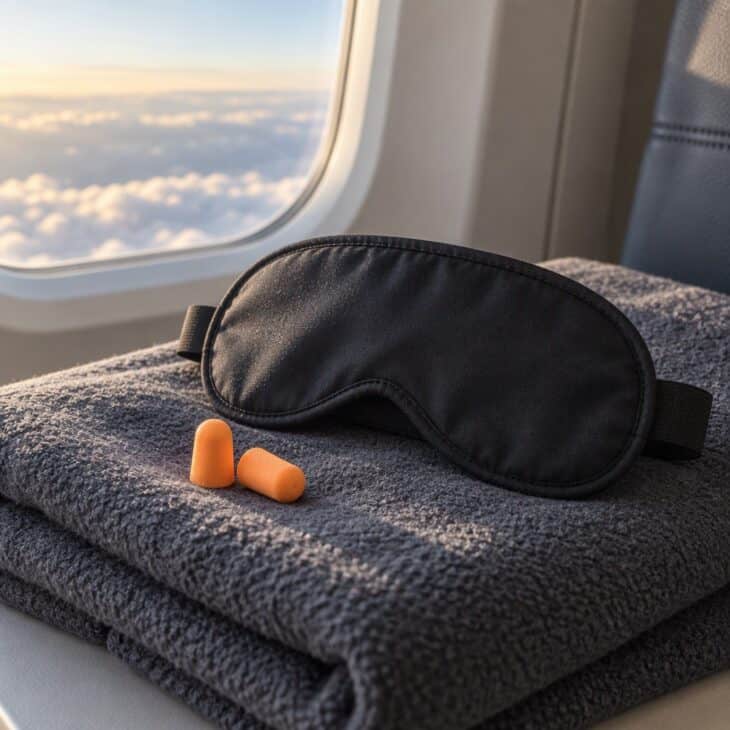
What it is Foam or silicone earplugs and a contoured sleep mask, both tiny and light. Noise-canceling headphones are a bigger alternative.
Why it works Engine drone and cabin lights make sleep hard on any flight. A little darkness and quiet make a big difference over a long haul.
How to get it Test earplugs at home first, because the wrong fit hurts. See our long flight essentials list for more.
23. Help Your Ears With Gum or Yawning
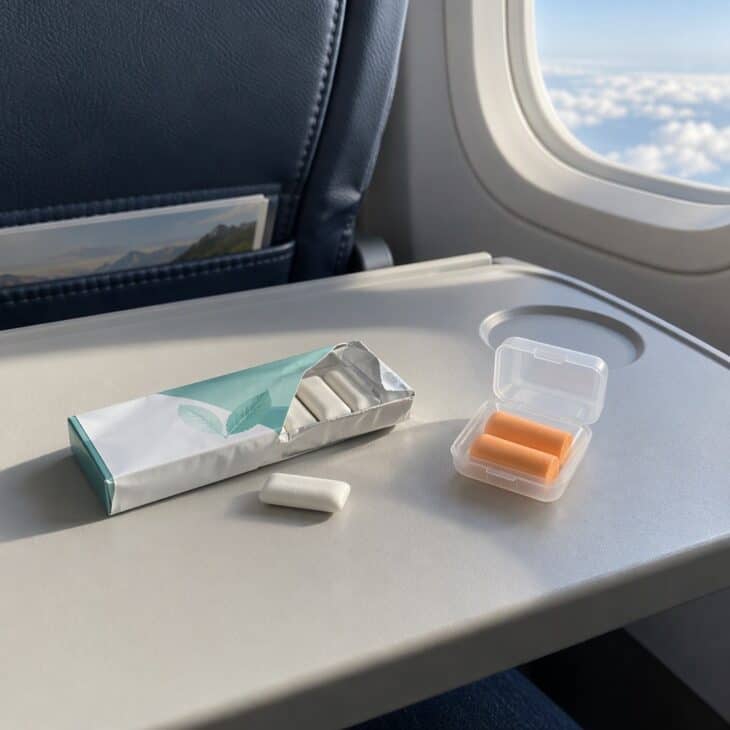
What it is During descent, cabin pressure rises and the air in your middle ear must catch up. Chewing, swallowing and yawning open the tubes and help it equalize.
Why it works Blocked ears hurt, and a cold makes it worse. Simple habits cut the discomfort for most travelers.
How to get it Start chewing gum or sipping water as the plane begins to descend. If you are congested, ask a pharmacist about a suitable remedy before you fly.
24. Refill Your Bottle at Water Stations
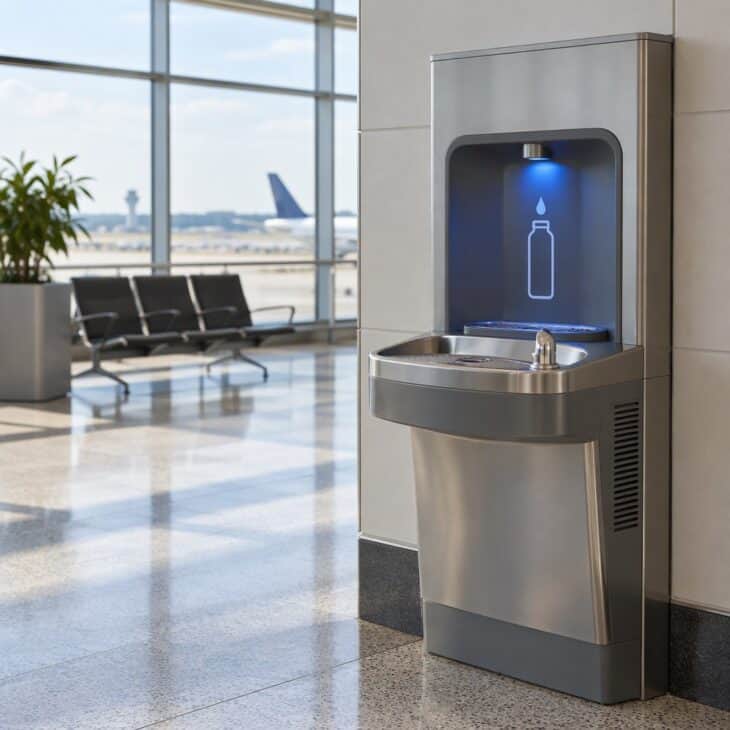
What it is Bottle-filling stations are now common past security in major terminals. Many show a counter of plastic bottles saved.
Why it works Free, cold water is a quick way to rehydrate before boarding. It also cuts the cost and the waste of buying bottles.
How to get it Look at the airport map for fountain symbols near your gate. Combine this hack with an empty bottle, as in our earlier tip.
25. Pick a Smart Seat for Your Goals
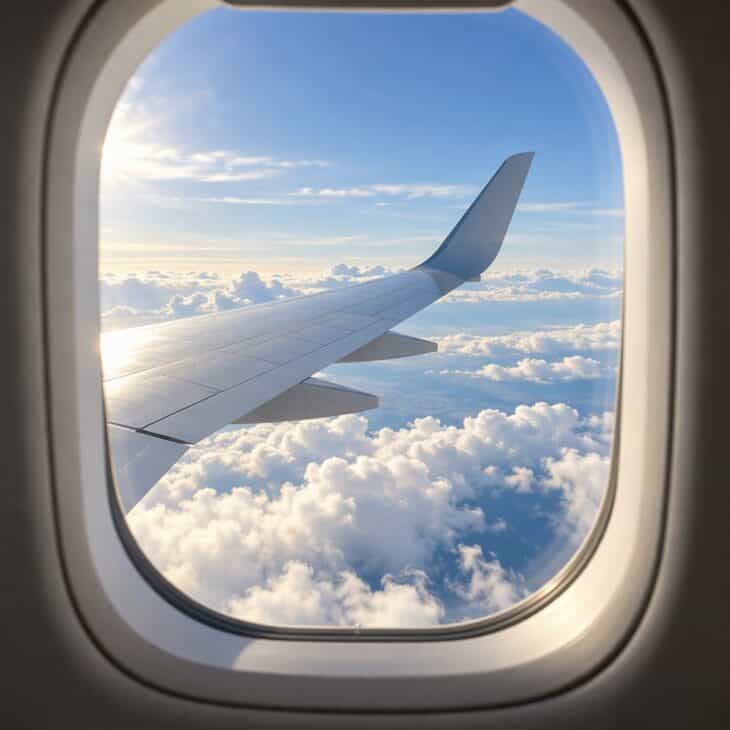
What it is Window seats give you a wall to lean on and a view. Aisle seats give you freedom to stand, and exit rows give extra legroom for a fee.
Why it works The best seat depends on how you travel. Matching the seat to your needs matters more than any single rule.
How to get it Pick a window to sleep and an aisle if you get up often. Read our gifts for frequent flyers list for comfort gear.
Get the Newsletter
The latest aviation news and stories sent to your inbox.
About the Author

Hanna writes AeroCorner's aviation-lifestyle and decor guides, turning a love of flight into ideas for your home, celebrations, and gift lists.