Military Trainers
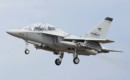
Alenia Aermacchi M-346
ICAO: M346
The turboprop trainer built for military pilot instruction.
The latest aviation news and stories sent to your inbox.
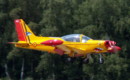
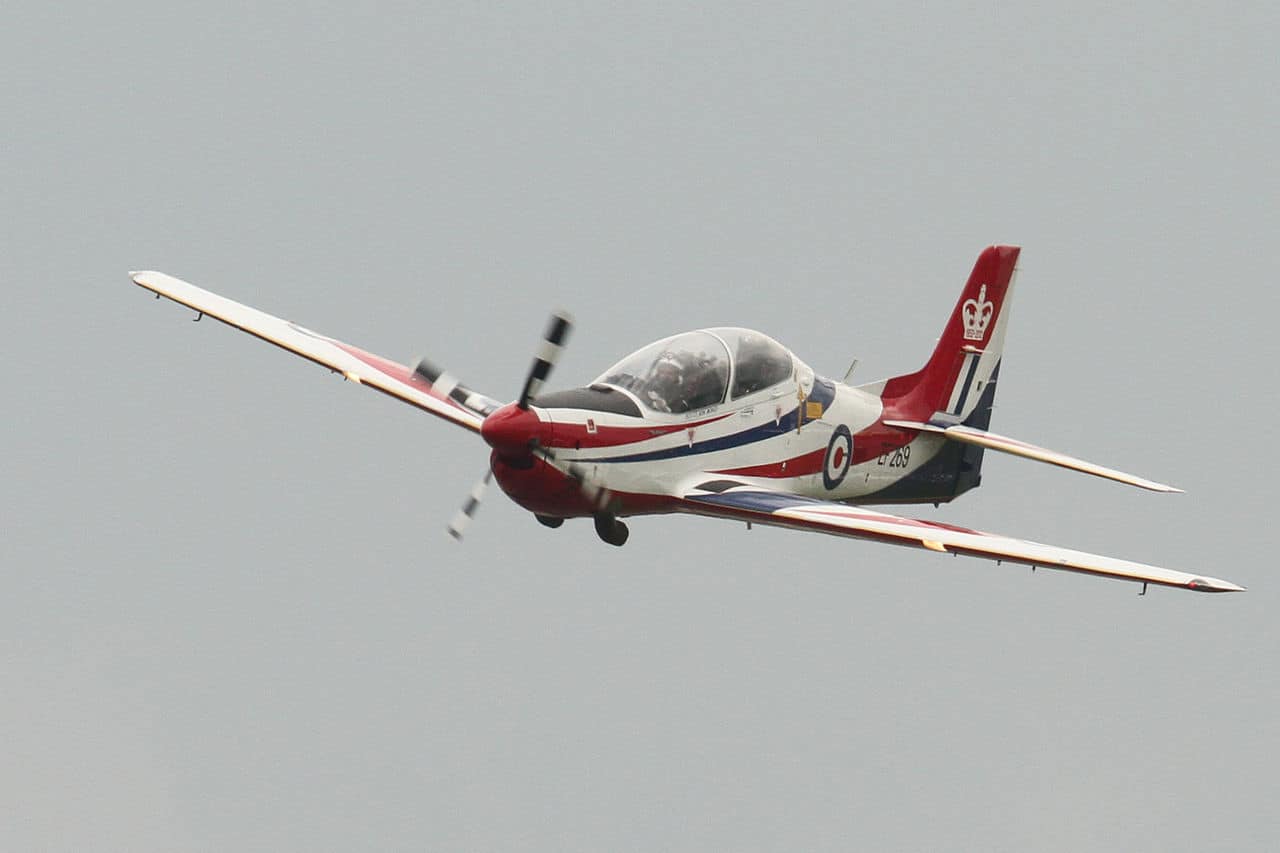
The Short 312 Tucano is a license-built version of the Embraer EMB-312 Tucano produced in the United Kingdom. Introduced in the late 1980s, it served as a primary trainer for the Royal Air Force. The aircraft emphasizes reliability and simplicity.
Live Fleet Activity (S312)
Fetching live data…


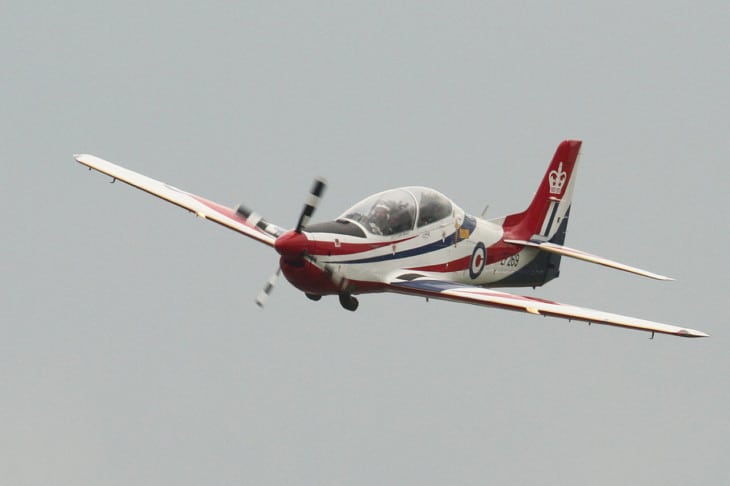
The Tucano first flew in UK-built form in 1986 and entered RAF service in 1989. It features a low-wing layout and tandem cockpit for instructor and student. The aircraft was selected to replace older piston-engine trainers.
Powered by a Garrett TPE331 turboprop engine producing approximately 1,100 shaft horsepower, the Tucano cruises at around 250 knots (463 km/h). Maximum takeoff weight exceeds 6,600 pounds (2,994 kg). The cockpit is equipped with training avionics and basic weapons capability for instruction.
The Short Tucano trained RAF pilots for decades before replacement. Its turboprop performance prepared students for jet conversion. The aircraft remains an important step in British pilot training history.
Sources and references used for research and fact-checking.