Light Helicopters
Robinson R22
ICAO: R22
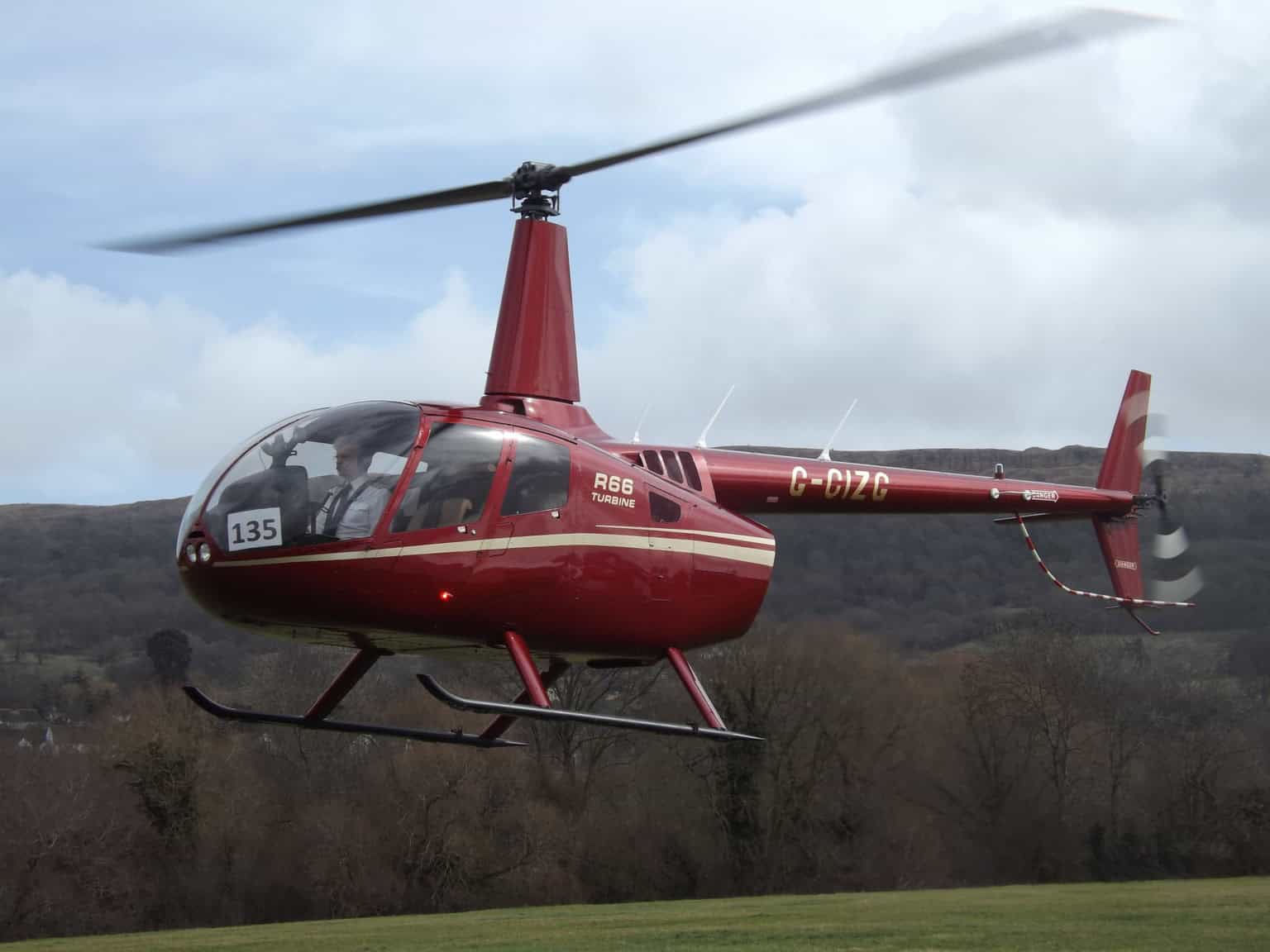
The Robinson R66 marked the company’s first move into turbine-powered helicopters. Introduced in the 2010s, it retained the familiar Robinson layout while offering greater payload and altitude capability. The model broadened the manufacturer’s appeal to commercial and utility operators.
The latest aviation news and stories sent to your inbox.
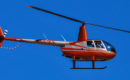
Robinson R66 — single-engine turbine light helicopterDevelopment of the R66 built directly on the success of the R44 series. The helicopter first flew in 2007 and entered service in 2010. Externally similar to its piston predecessors, it features a two-blade main rotor system and a stretched fuselage to accommodate a fifth seat and additional baggage space.A single Rolls-Royce RR300 turboshaft engine rated at approximately 300 shaft horsepower powers the aircraft. Typical cruise speed is about 110 knots (204 km/h). Maximum takeoff weight exceeds 2,700 pounds (1,225 kg), allowing improved payload compared with earlier Robinson designs.The R66 quickly gained popularity in law enforcement, tourism, and light utility work. Its turbine engine improved high-altitude performance and reliability in hot climates. Production continues, making it one of the most accessible turbine helicopters on the market.
Live Fleet Activity (R66)
Fetching live data…

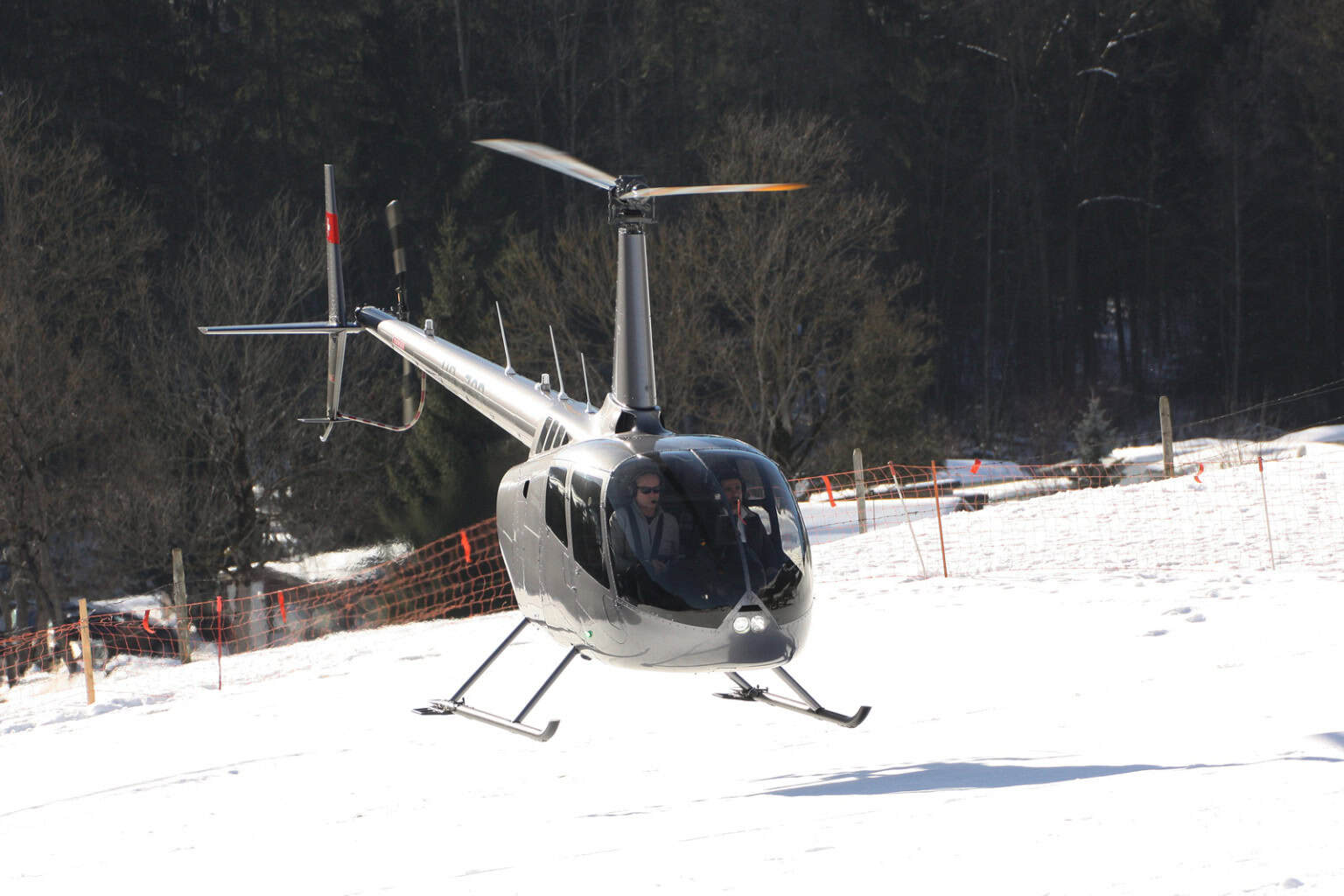
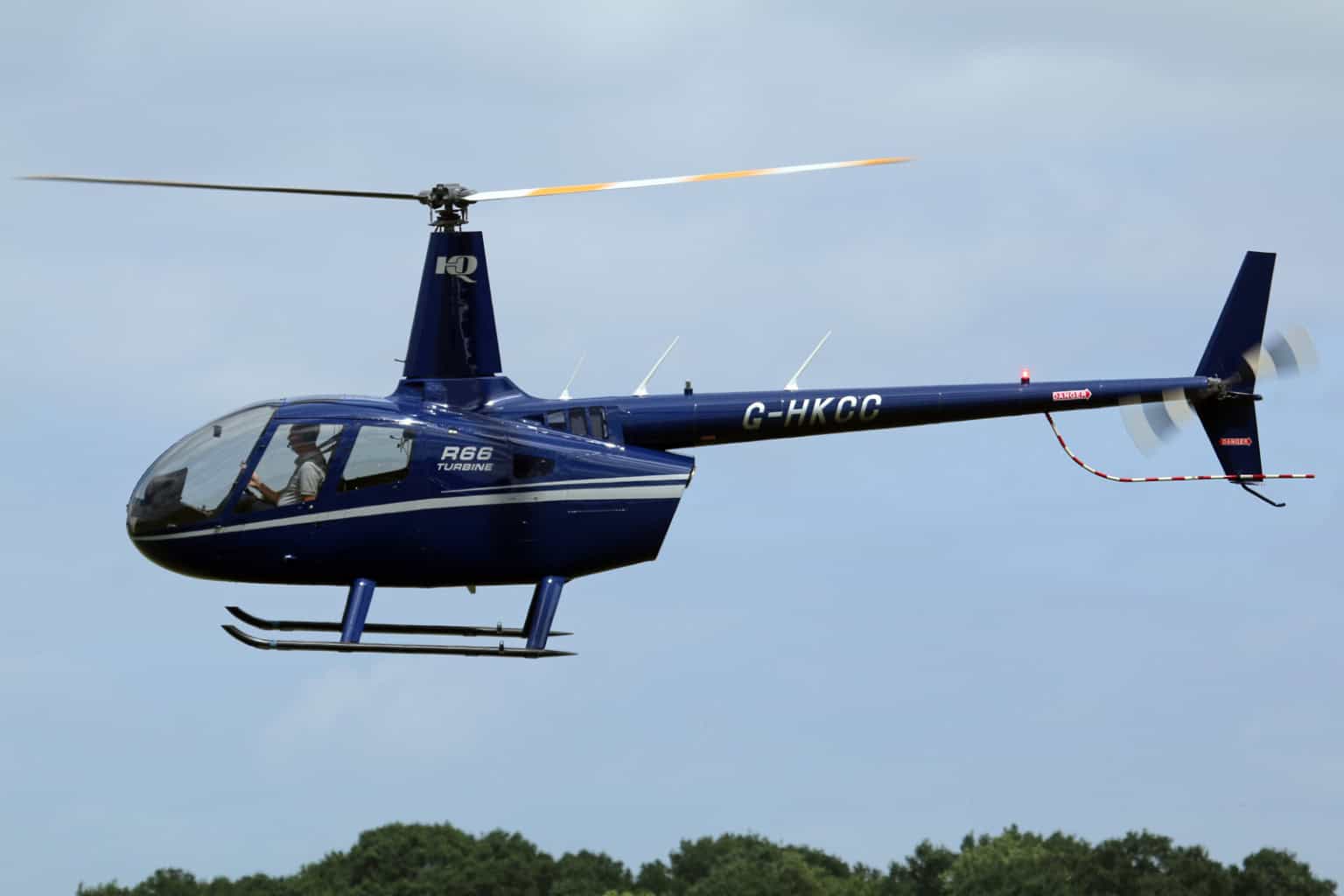
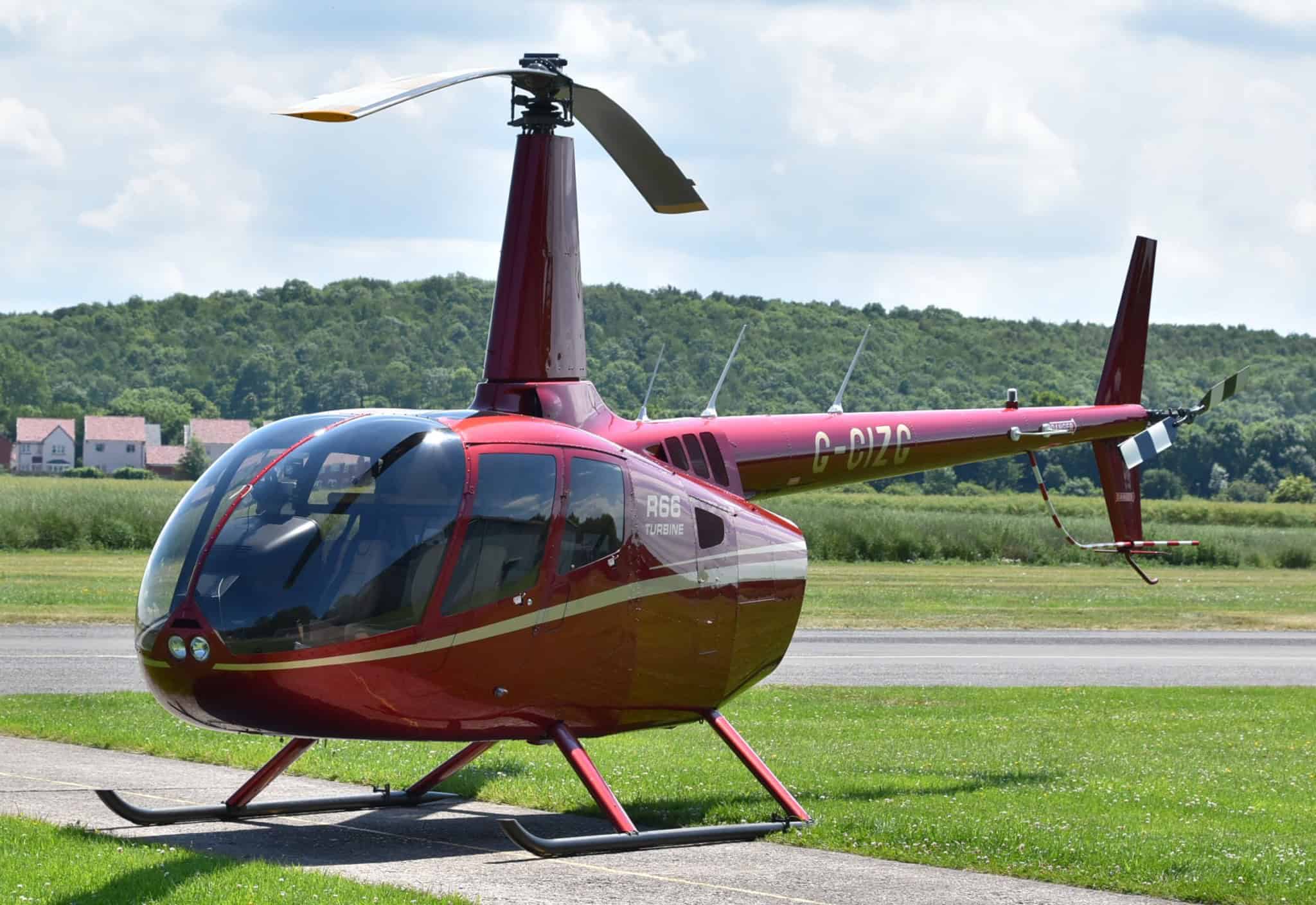
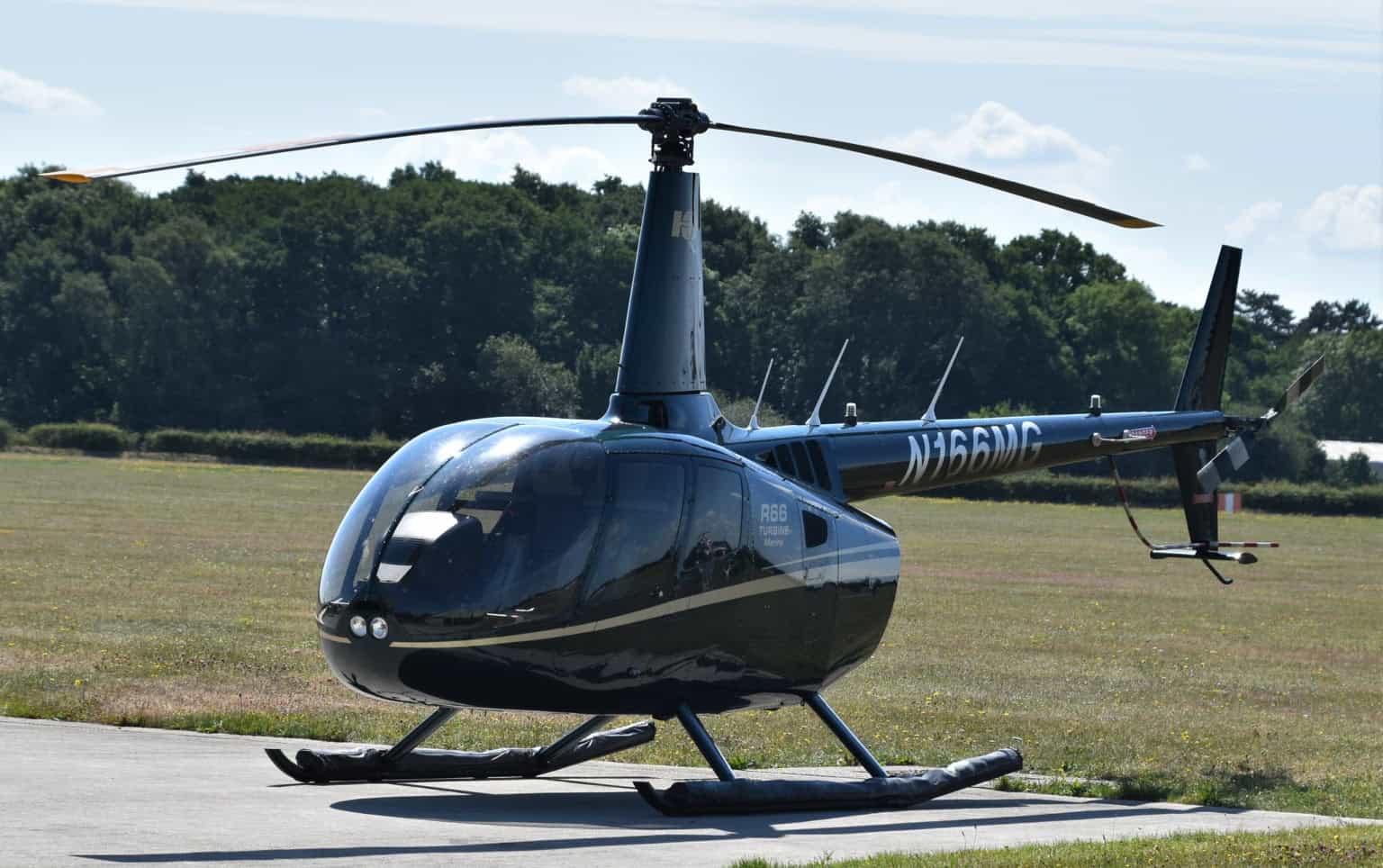
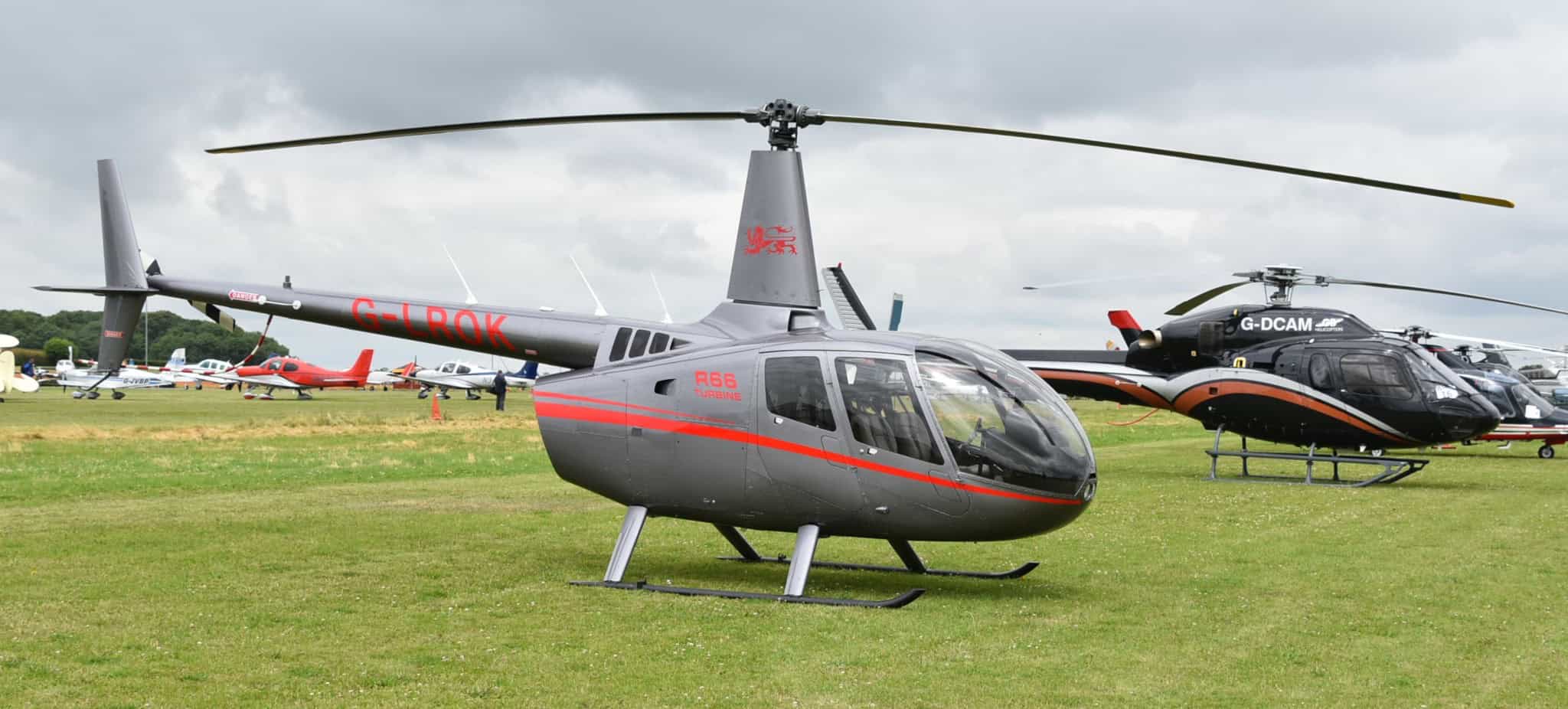


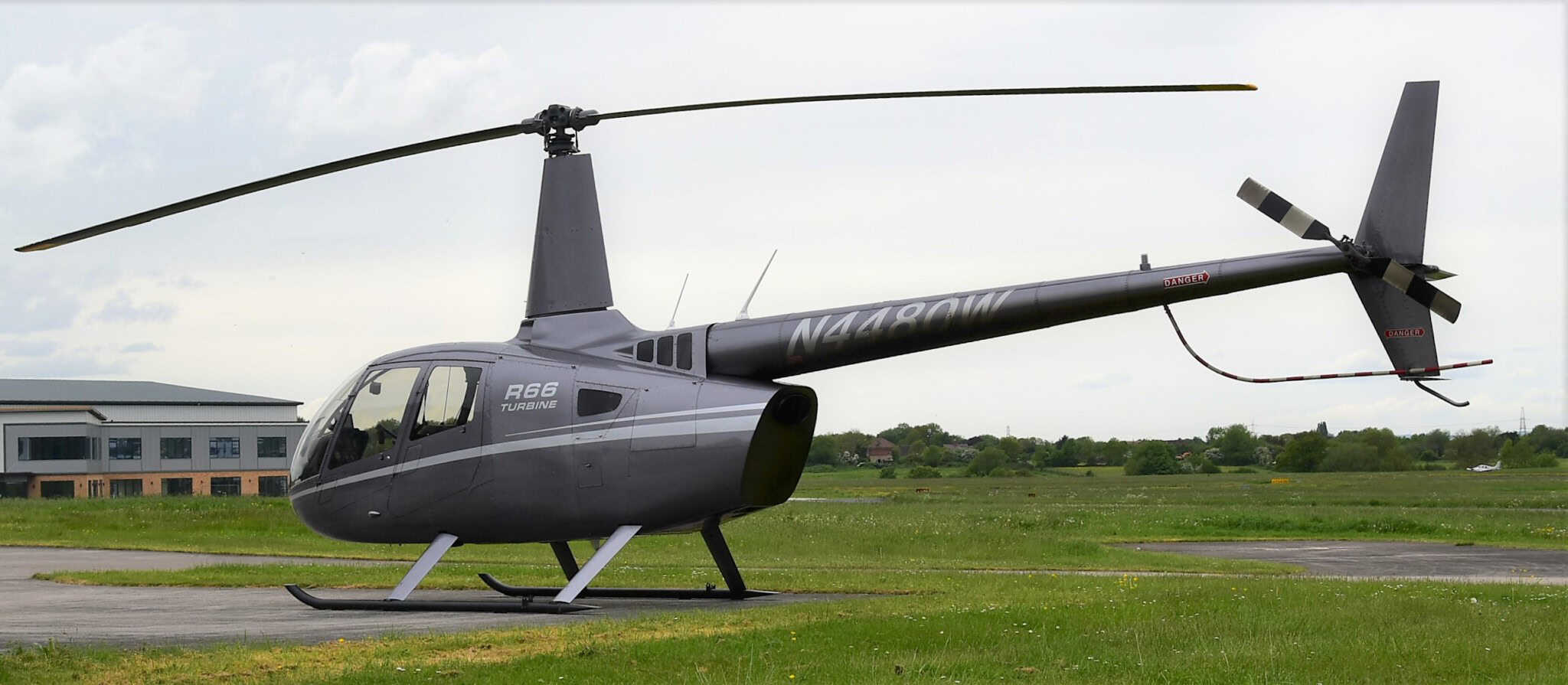

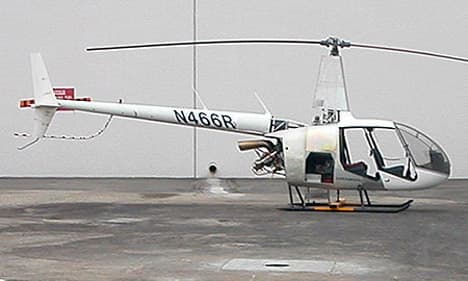

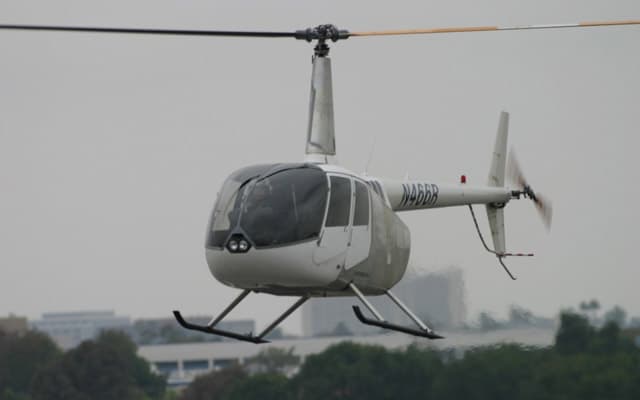
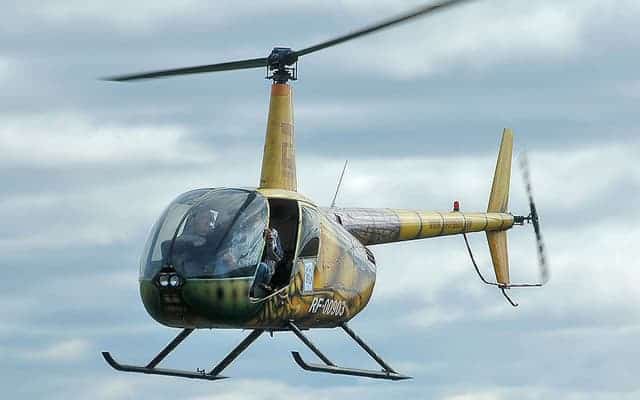
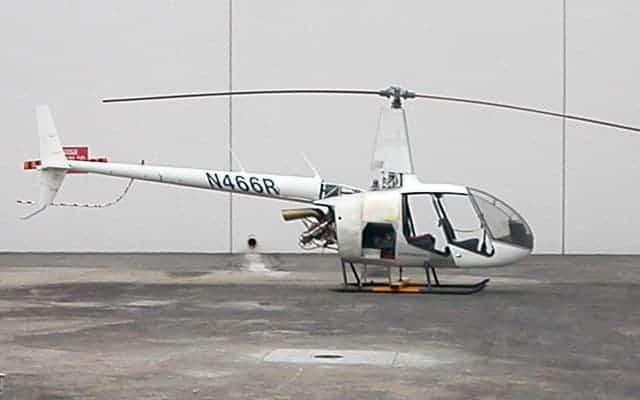
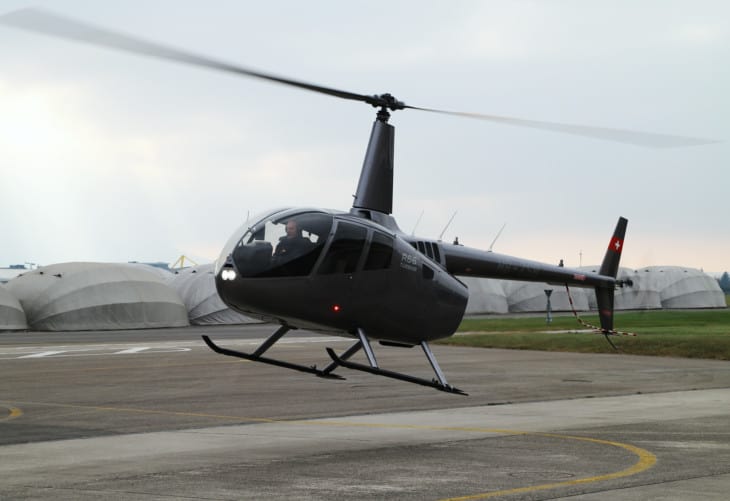
The current version of the R66 has been updated to include newer avionics equipment, which includes an autopilot system. A new electrical system including modernized wiring and circuit breakers have also been installed along with improved hydraulic systems for better reliability.
With these improvements, the Robinson R66 now offers more stable flight characteristics and increased payload capacity than previous models. This makes it popular among pilots who are looking for a reliable machine that can be used for various purposes such as aerial work or training exercises.
The aircraft was first produced in 1981 and since then has been used for various applications such as aerial photography, law enforcement, search and rescue, and air taxi service.
Because of its popularity among pilots and operators alike, it’s considered one of the most successful helicopters ever made.
The Robinson R66 has many uses but most notably it serves as an excellent training aircraft for pilots transitioning to turbine helicopters or for those wanting to learn how to fly helicopters at all. This makes it ideal for flight schools because of its cost efficiency and ease of use when compared to other more expensive models like the Bell 407 that take longer to become proficient on due time wise.
The Robinson R66 is available with either an open or closed cockpit configuration, which features a bubble canopy.
It measures 47 feet long with a rotor diameter of 49 ft 3 inches, which makes it highly maneuverable at low speeds while still being capable to lift up to 627 lbs (in addition to the weight of the pilot).
The R66 is powered by one Allison 250-C18A engine, which produces 266 horsepower.
Sources and references used for research and fact-checking.