Military Trainers
The turboprop trainer built for efficient military pilot instruction.
The latest aviation news and stories sent to your inbox.
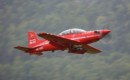
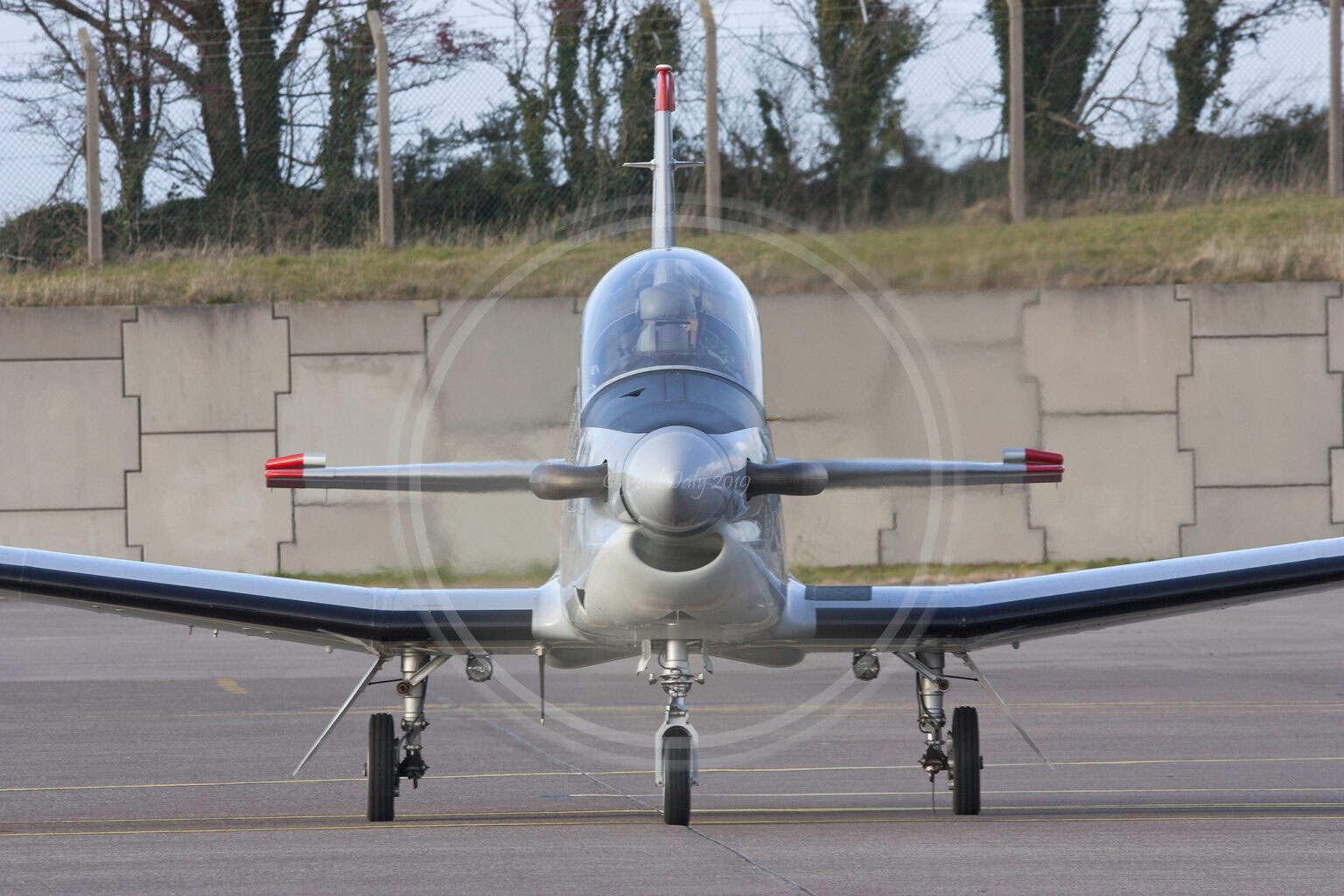
The Pilatus PC-9 M is a turboprop military trainer designed for basic and intermediate pilot training. Developed from the earlier PC-7, it introduced improved aerodynamics and avionics. The aircraft has been widely exported to air forces worldwide.
Live Fleet Activity (PC9)
Fetching live data…
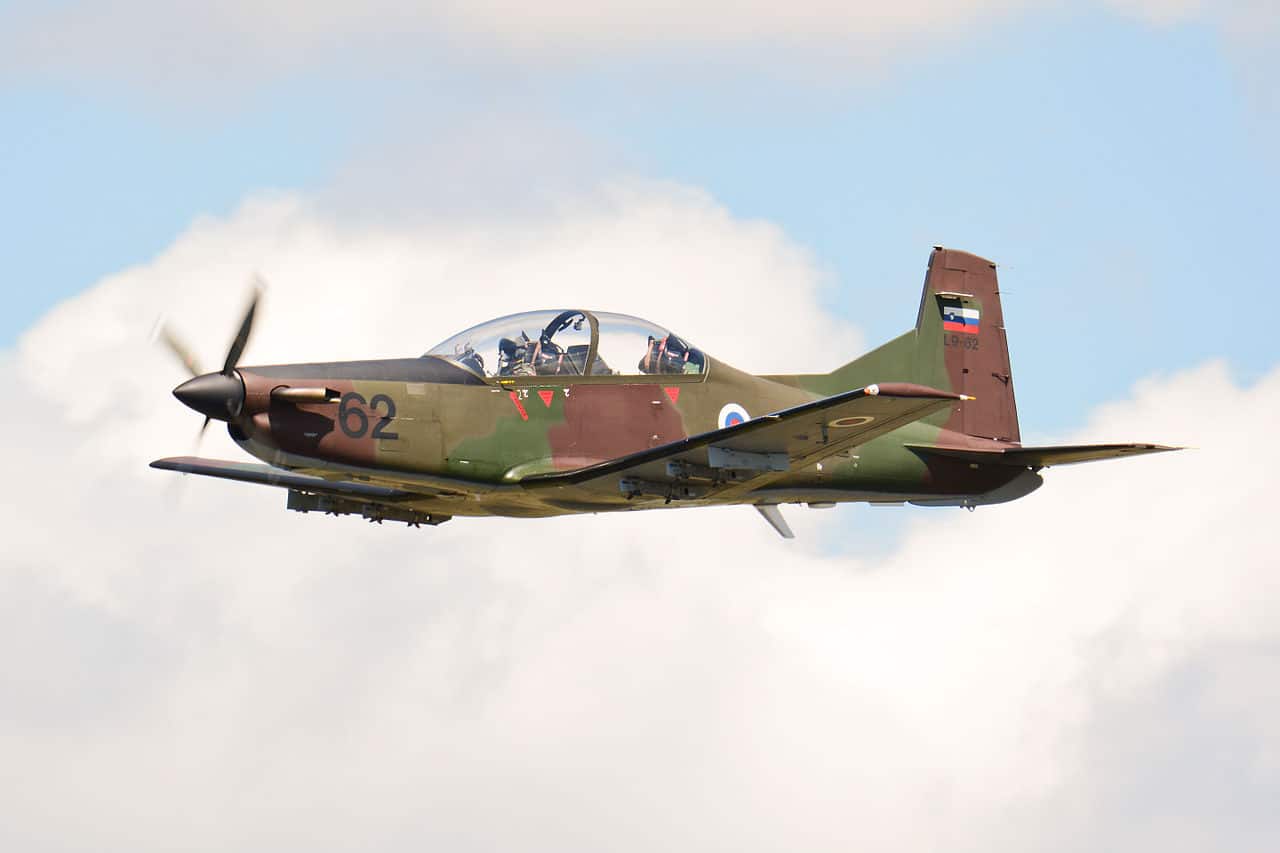


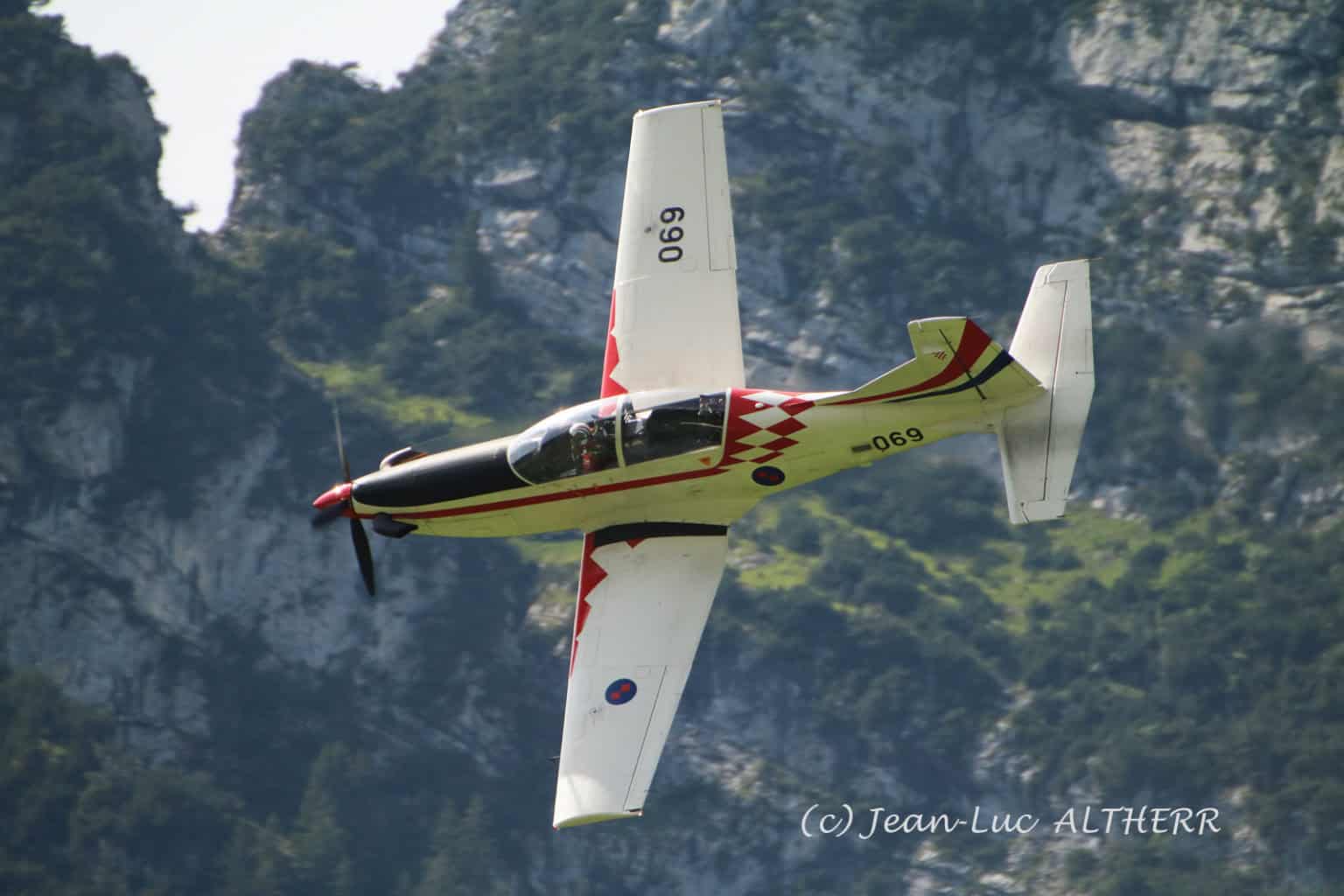


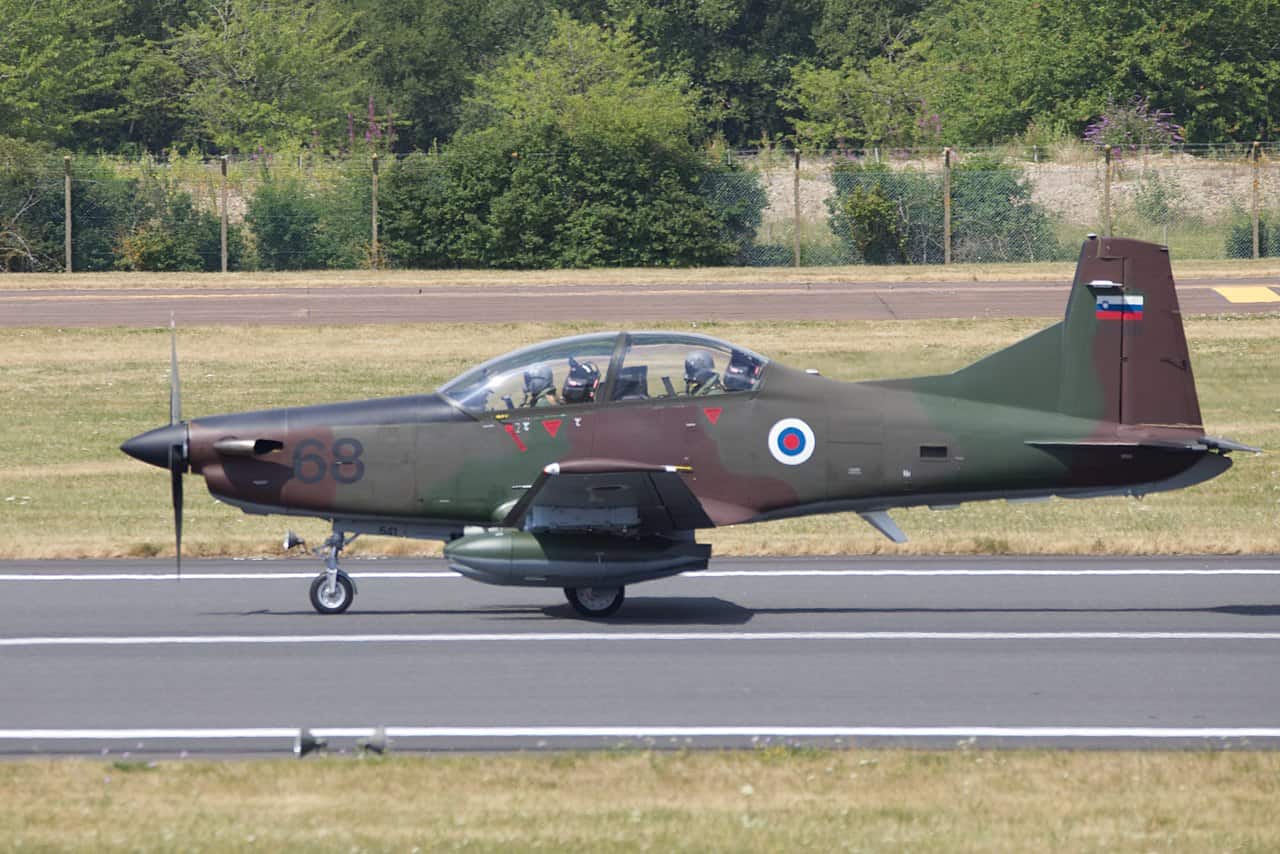


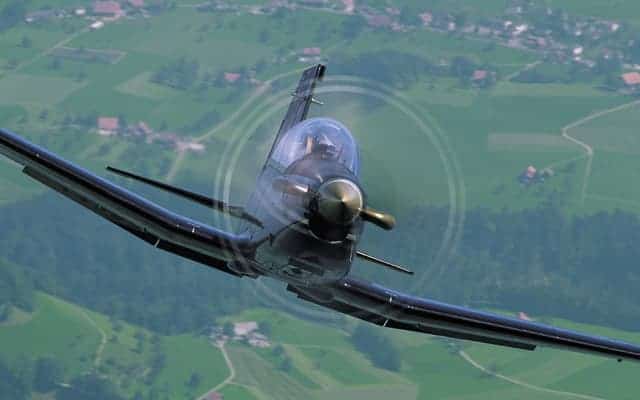
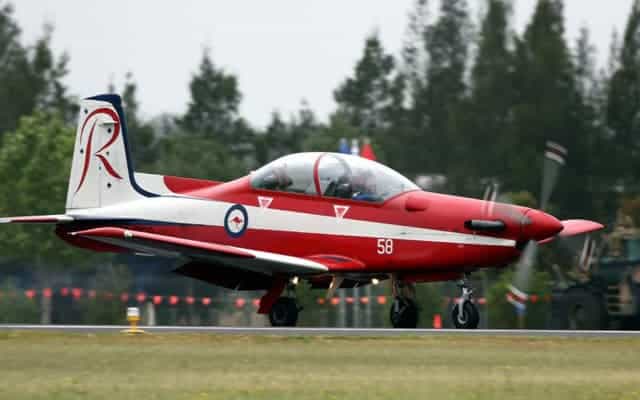
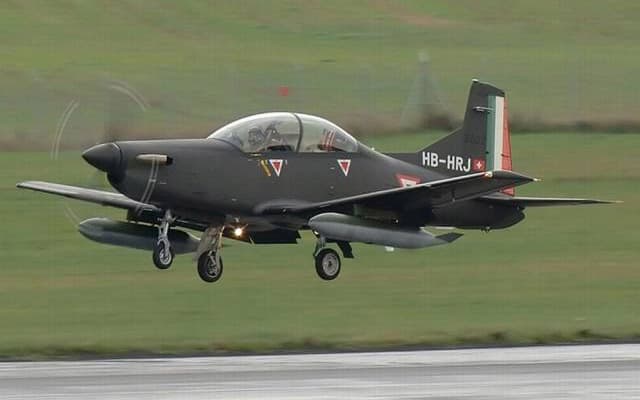
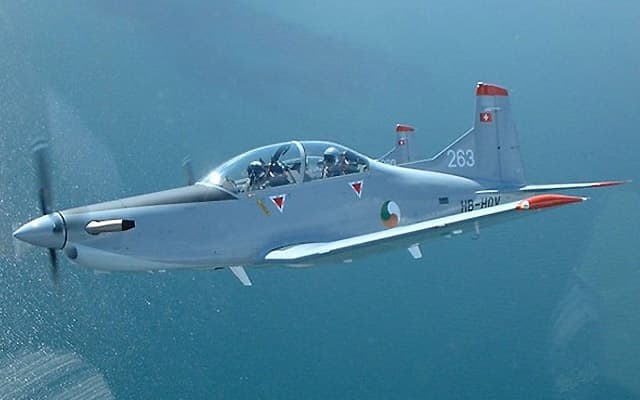
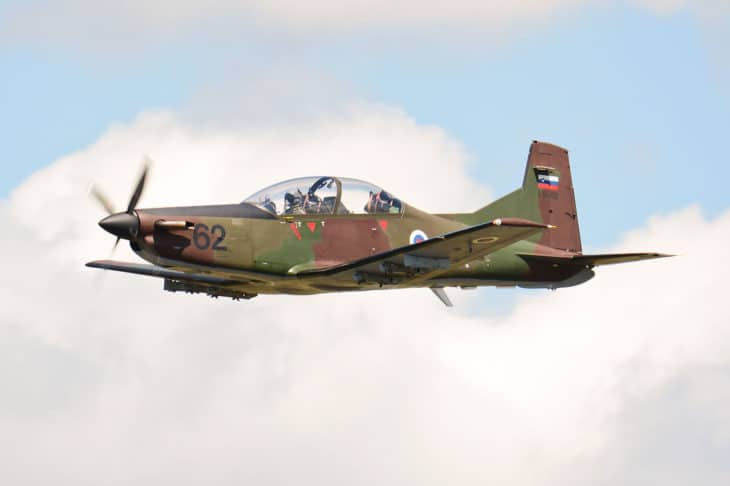
The PC-9 first flew in the 1980s as a more powerful development of the PC-7. The M variant incorporated updated avionics and structural refinements for modern training requirements. It entered service with multiple international operators seeking cost-effective training solutions.
Powered by a Pratt & Whitney Canada PT6A-62 turboprop engine producing approximately 950 shaft horsepower, the PC-9 M cruises at around 300 knots (555 km/h). Maximum takeoff weight is roughly 7,700 pounds (3,500 kg). The tandem cockpit supports aerobatic and instrument training.
The PC-9 M provides a stepping stone between primary trainers and advanced jet aircraft. Its reliability and manageable operating costs have made it a popular choice. The aircraft continues to serve in military training programs worldwide.
Sources and references used for research and fact-checking.