

Military Helicopters
Boeing Vertol CH-46 Sea Knight
ICAO: H46
The compact naval helicopter built for frigate-based warfare missions
The latest aviation news and stories sent to your inbox.
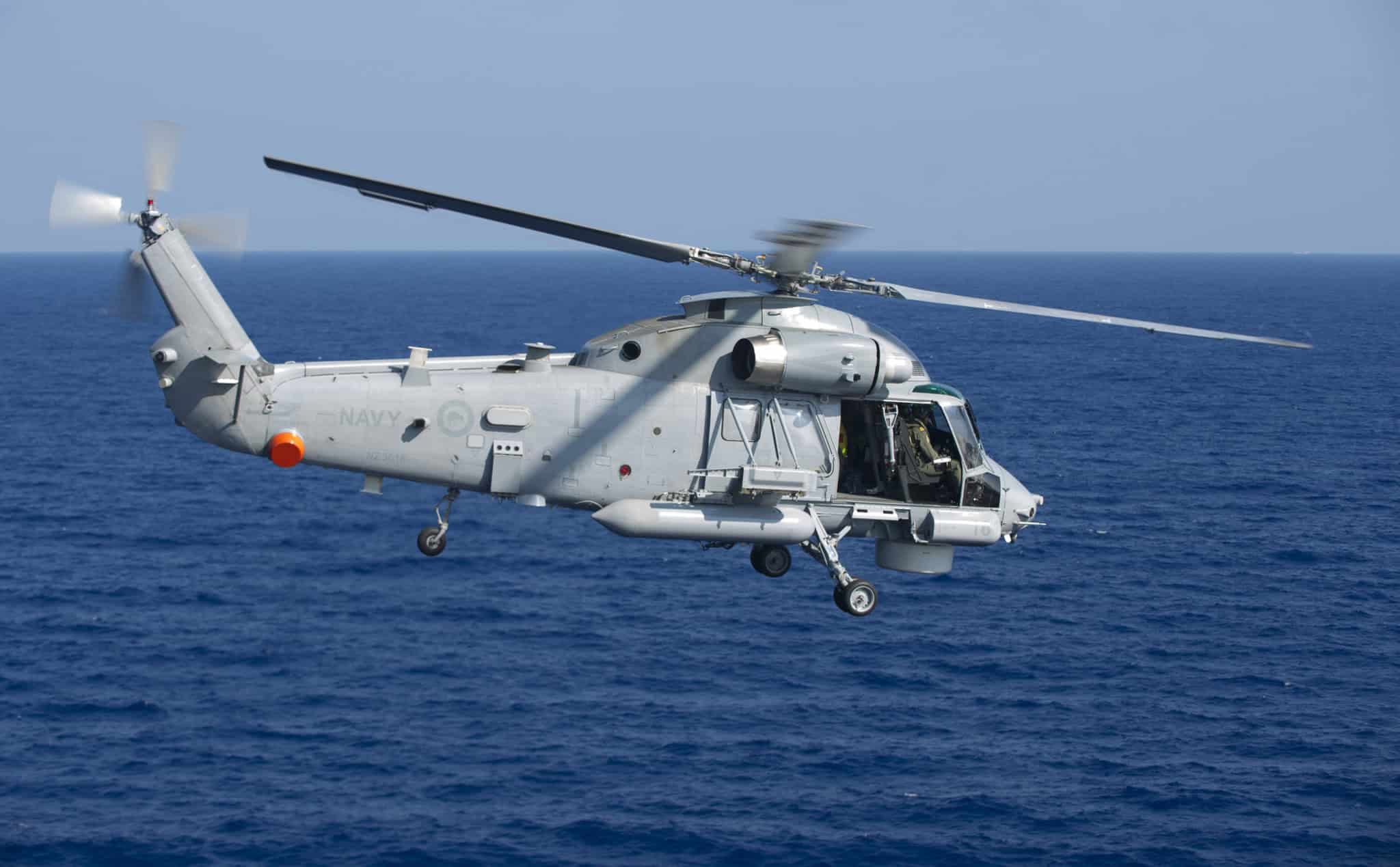
The Kaman SH-2G Super Seasprite is a twin-engine naval helicopter developed for anti-submarine and surface warfare. Designed to operate from smaller warships, it combines compact size with advanced sensors and weapons. The aircraft served several navies worldwide.
Live Fleet Activity (H2)
Fetching live data…

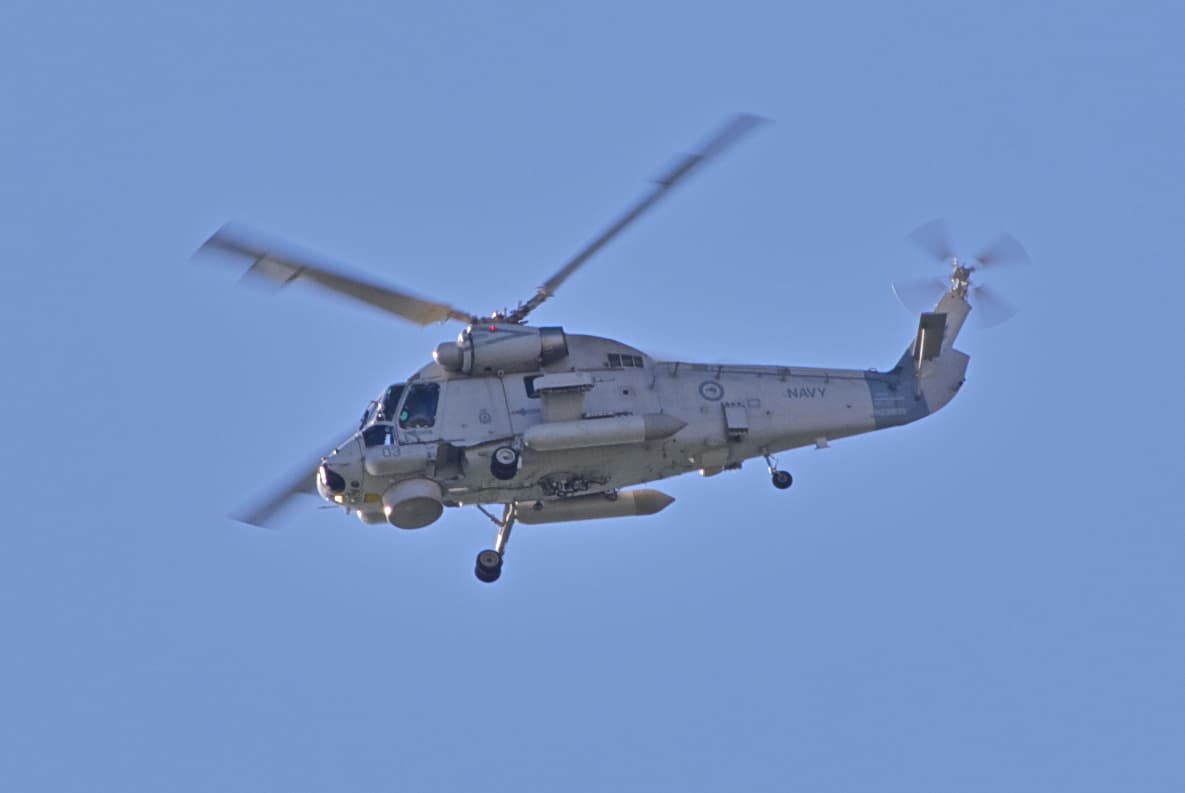


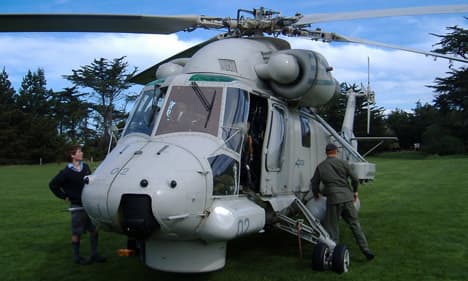
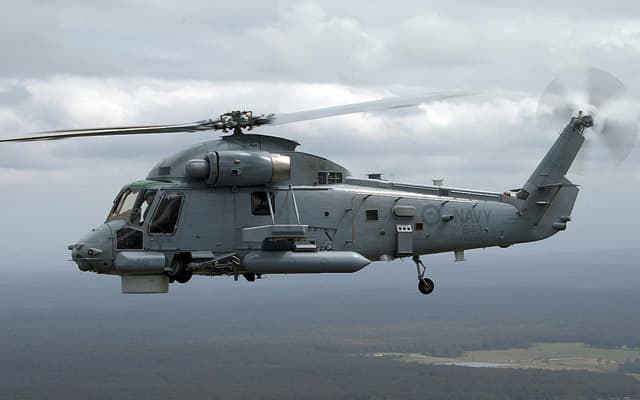
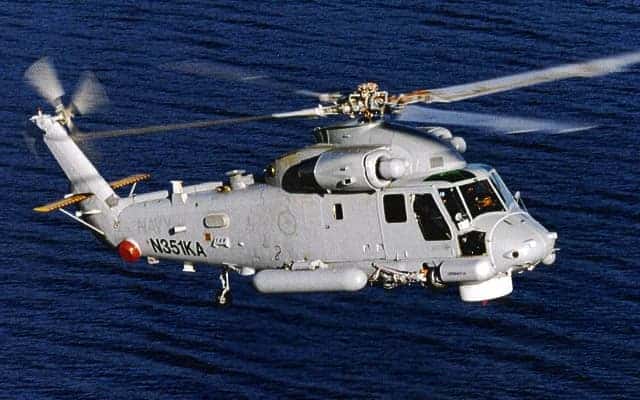


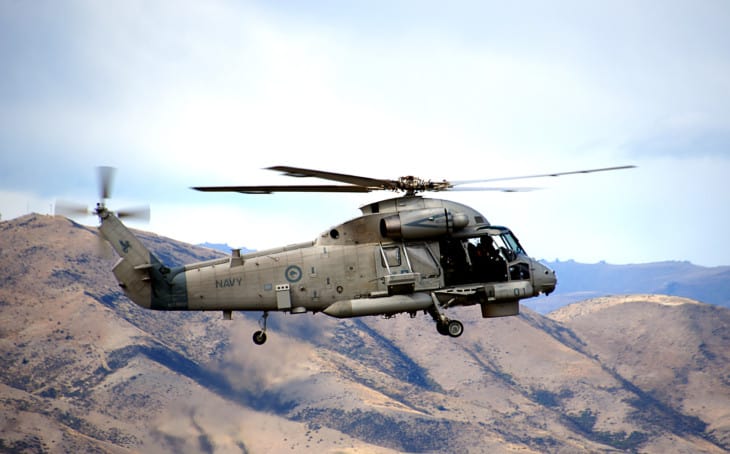
The Seasprite lineage dates to the late 1950s, but the SH-2G Super Seasprite emerged in the 1980s as a major upgrade. It incorporated modern avionics, improved engines, and updated mission systems for anti-submarine and anti-surface warfare. The SH-2G entered service with the U.S. Navy and later with export customers.
Powered by two General Electric T700 turboshaft engines producing roughly 1,700 shaft horsepower each, the SH-2G cruises at approximately 135 knots (250 km/h). Maximum takeoff weight is around 13,500 pounds (6,120 kg). The helicopter can carry torpedoes, anti-ship missiles, and surveillance equipment depending on configuration.
The compact airframe allowed operation from smaller frigates that could not accommodate larger naval helicopters. Export operators included Australia, New Zealand, and Poland. Although many have retired the type, the SH-2G represented a significant modernization of a long-serving naval platform.
Sources and references used for research and fact-checking.
_Sea_Sprite_during_RIMPAC_2016.jpg)