Aerobatic
The entry-level aerobatic aircraft built for foundational training
The latest aviation news and stories sent to your inbox.
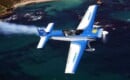
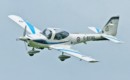
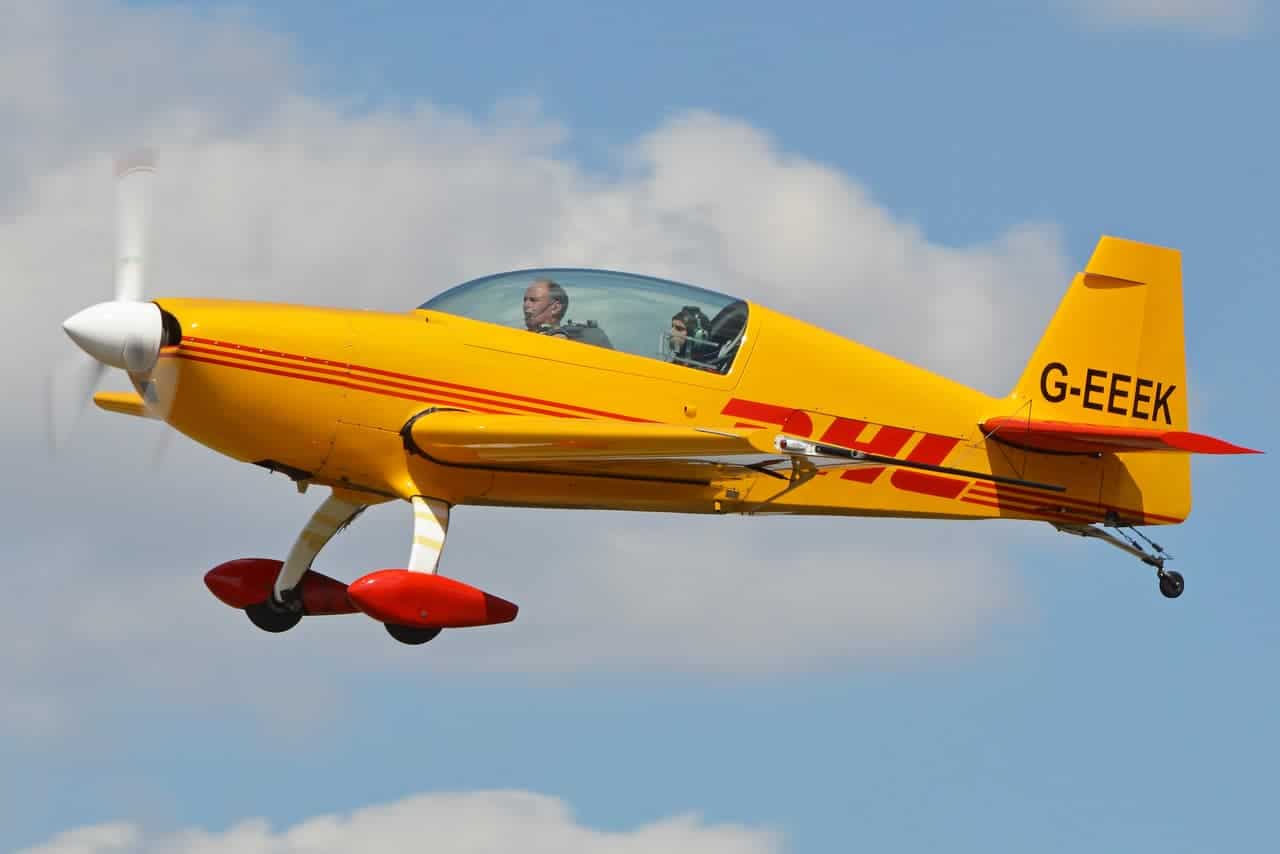
The Extra EA 200 is a two-seat aerobatic aircraft designed for primary and intermediate aerobatic instruction. Developed to offer Extra handling characteristics at lower cost, it provides an accessible introduction to competition flying. The aircraft emphasizes durability and control harmony.

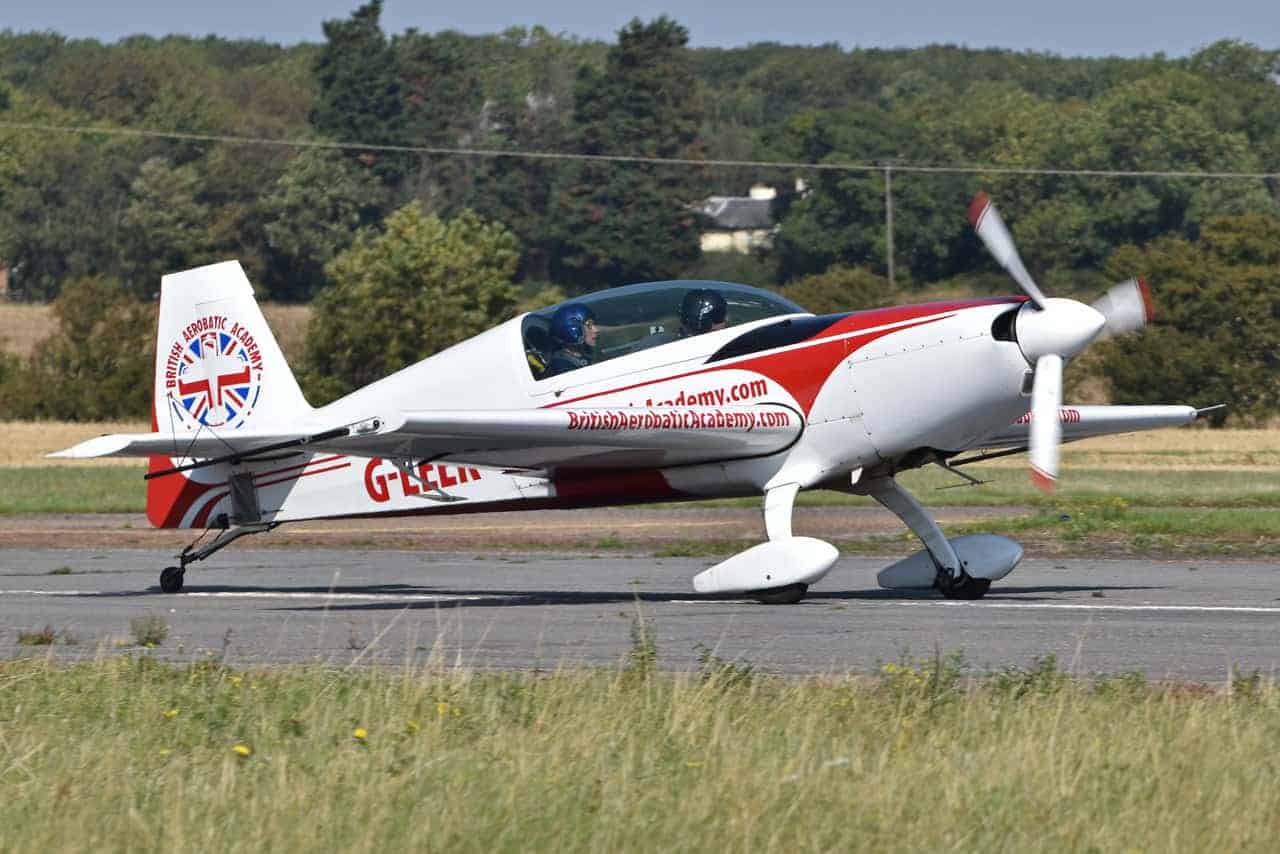


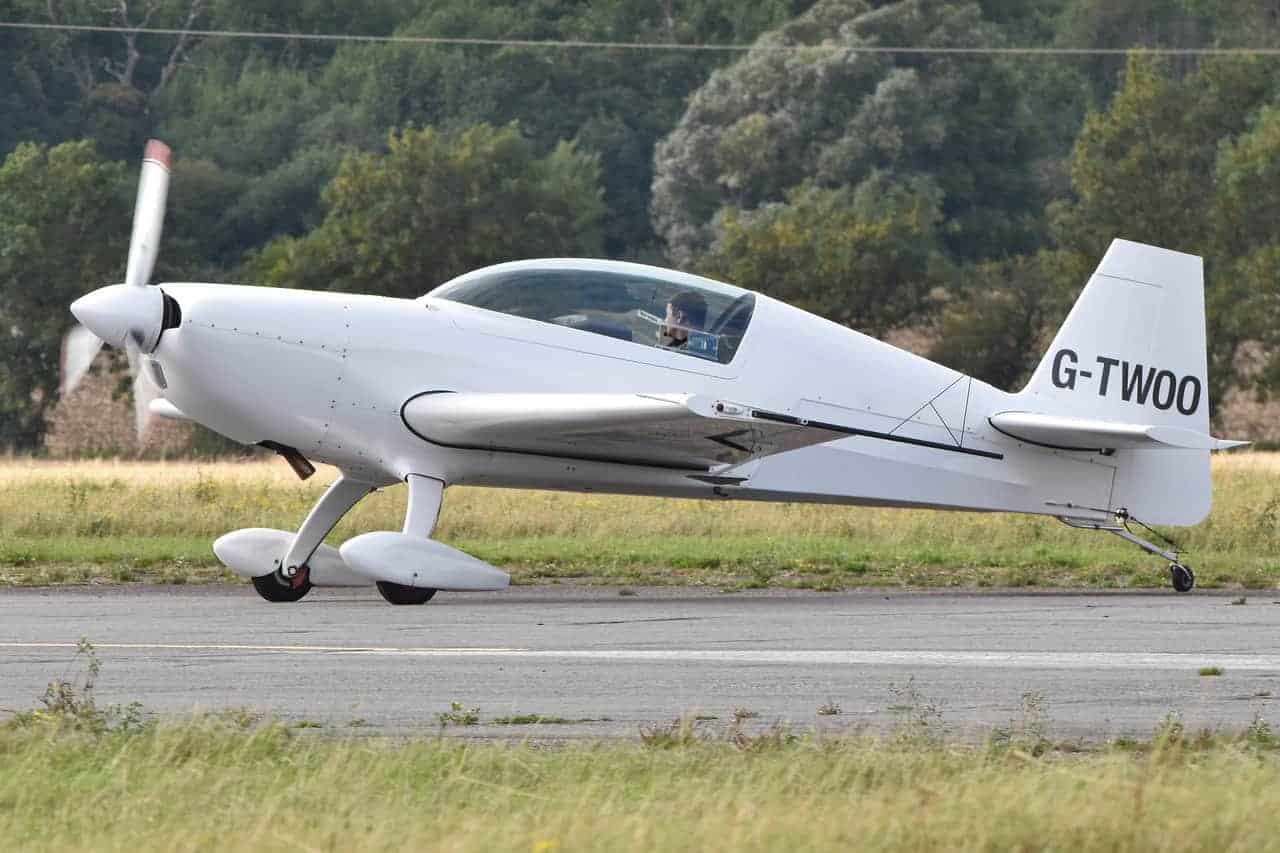
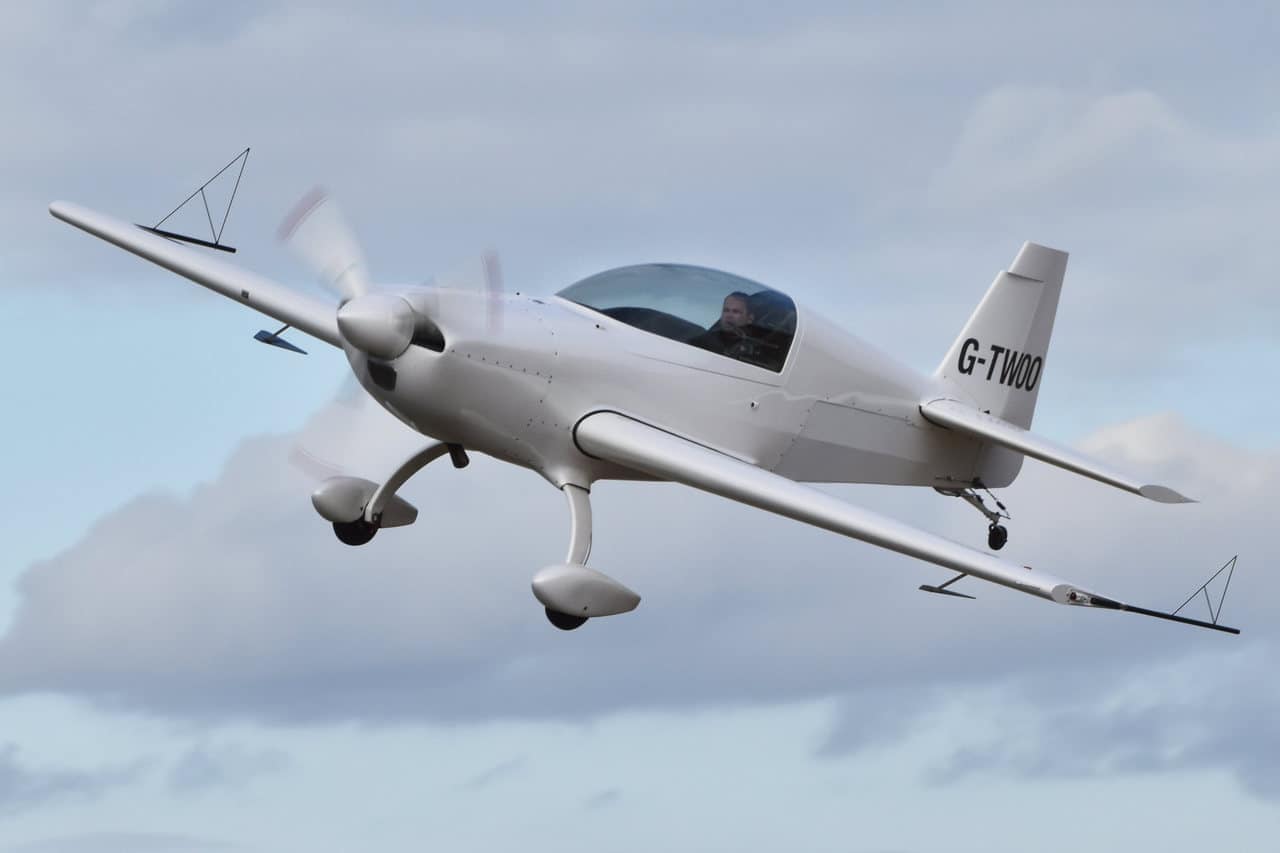
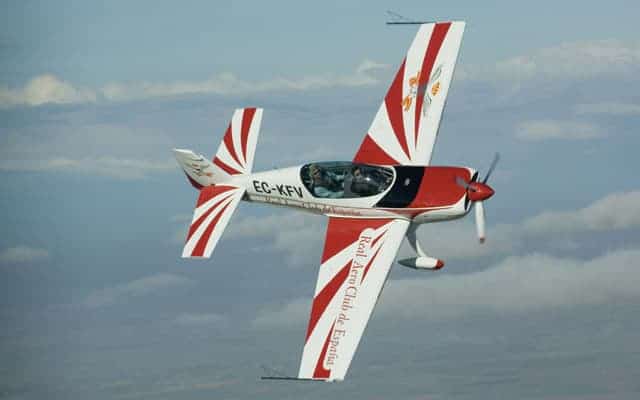
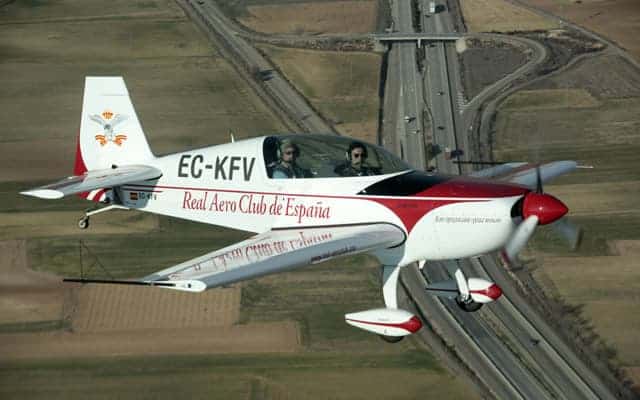
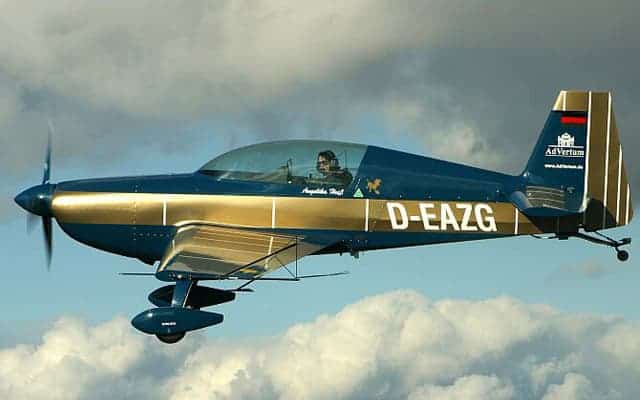
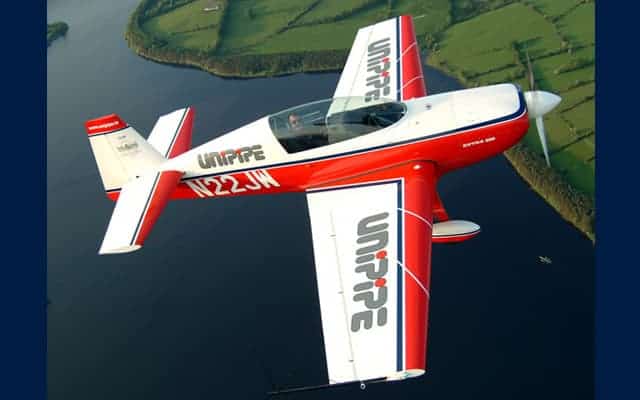
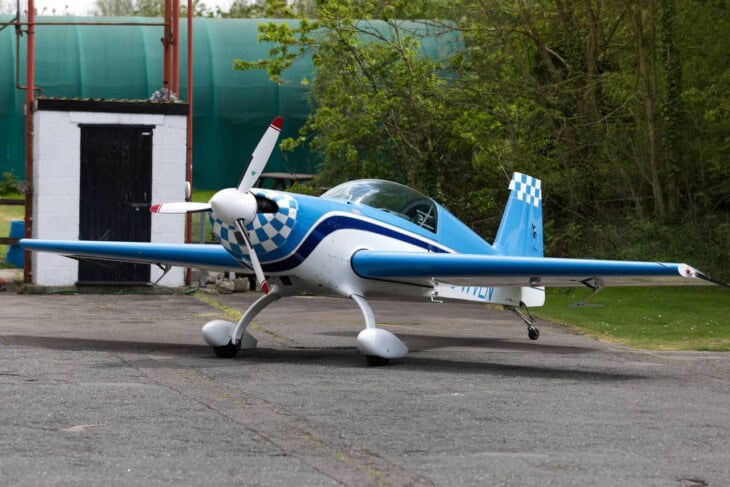
The EA 200 was introduced in the 1990s as a simpler and less powerful companion to the EA 300 series. It retained composite construction and a steel tube fuselage structure while reducing engine power and overall operating costs. The aircraft was aimed at flight schools and private pilots entering aerobatics.
Powered by a Lycoming AEIO-360 piston engine producing approximately 200 horsepower, the EA 200 cruises at around 155 knots (285 km/h). Maximum takeoff weight is roughly 2,000 pounds (910 kg). The airframe is stressed for aerobatic limits typically around plus or minus 8 g.
The EA 200 is widely used for upset recovery training and entry-level aerobatic competition. Its predictable handling and lower fuel consumption make it attractive to training operators. The aircraft serves as a stepping stone toward higher-performance unlimited aerobatic designs.