Aerobatic
The two-seat aerobatic aircraft built for training and advanced competition
The latest aviation news and stories sent to your inbox.
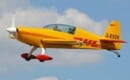
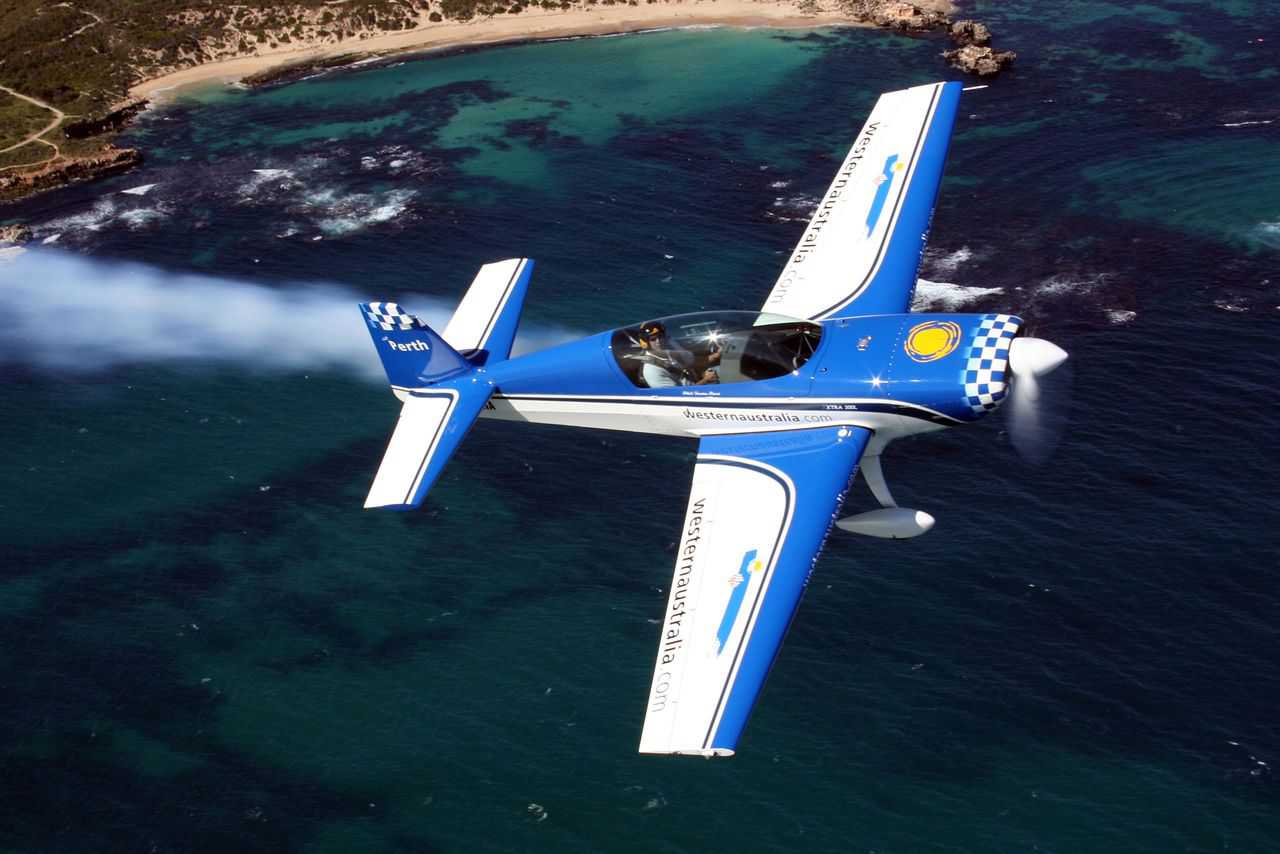
The Extra EA 300L is a two-seat aerobatic aircraft developed for instruction and competitive flying. Combining high power with balanced handling, it has been widely used by aerobatic schools and private owners. The design reflects Extra’s focus on structural strength and control precision.
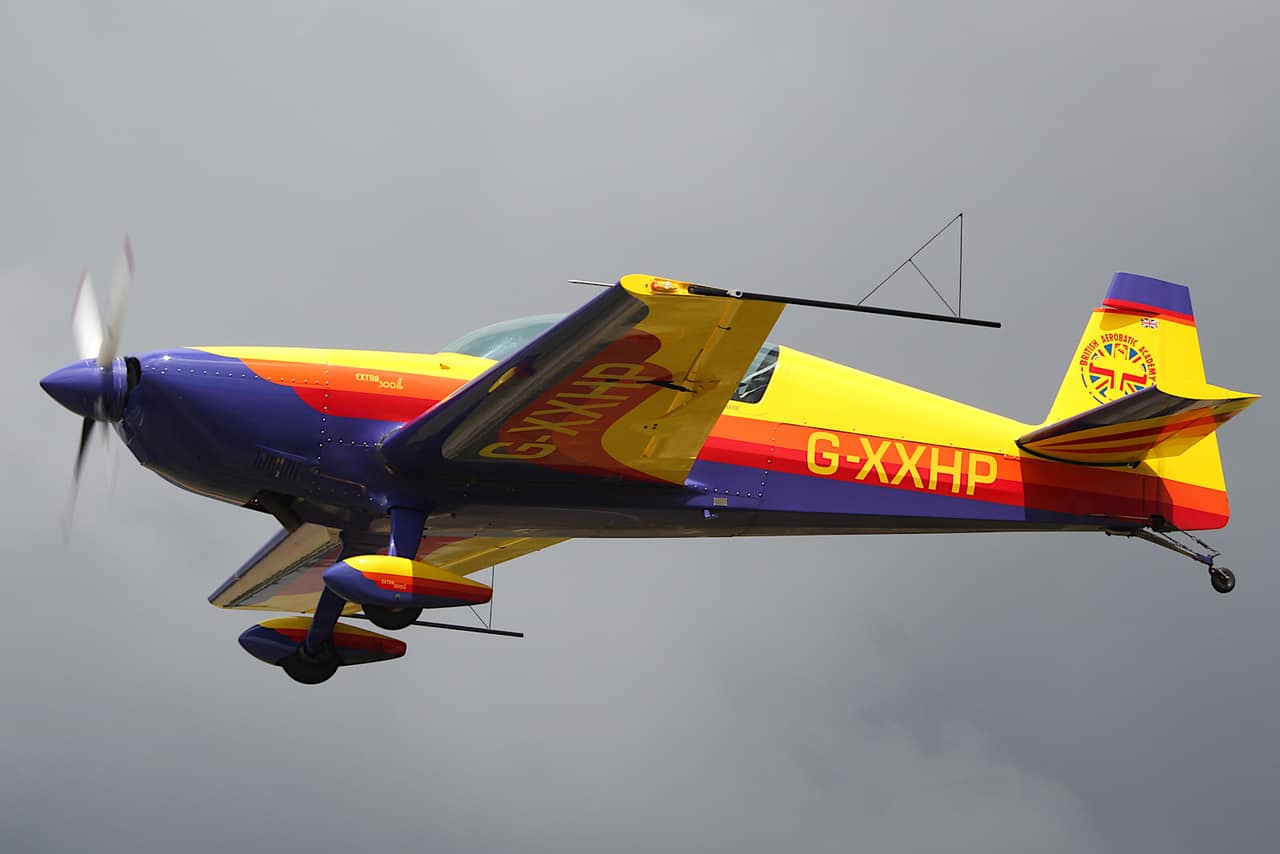


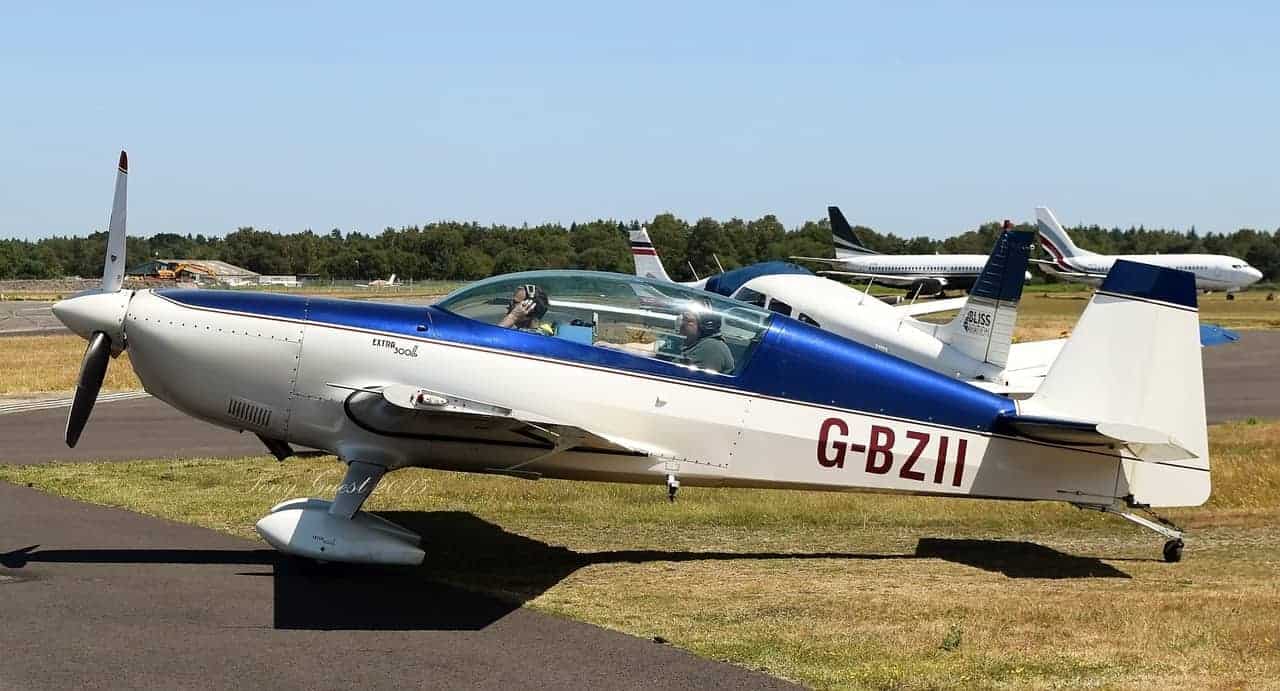


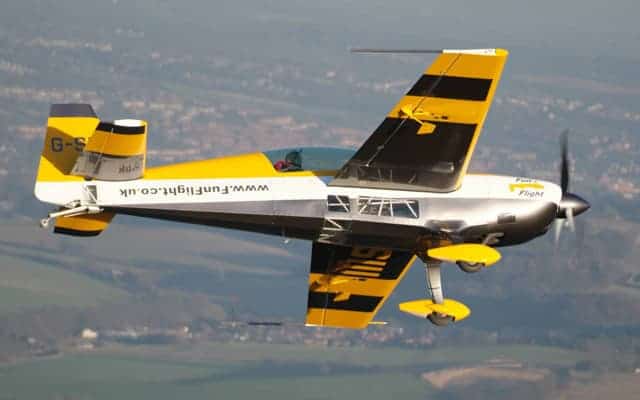

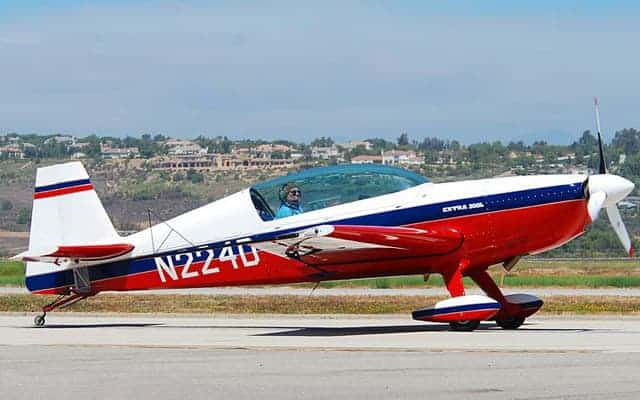
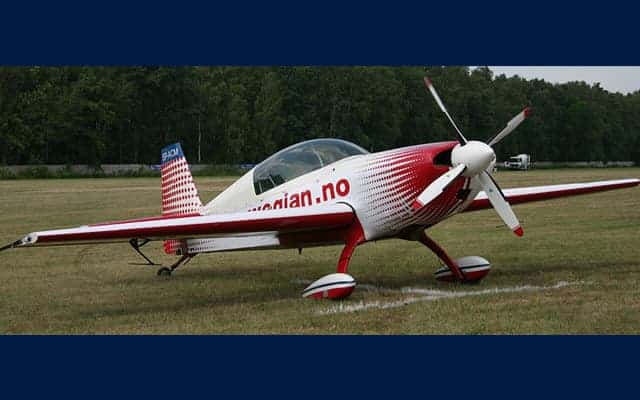
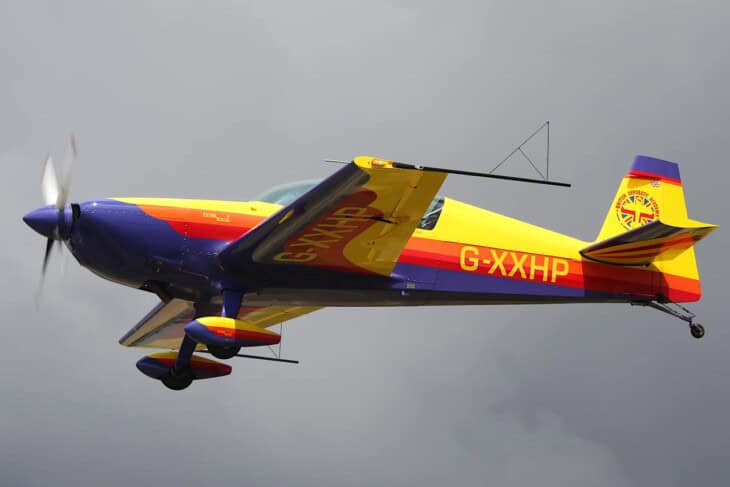
The EA 300 series was introduced in the late 1980s as a high-performance aerobatic platform. The 300L variant features a low-wing configuration and side-by-side seating, differing from tandem-seat variants in the lineup. The aircraft quickly gained certification in multiple countries and entered widespread use.
Powered by a Lycoming AEIO-540 engine producing approximately 300 horsepower, the EA 300L cruises at about 170 knots (315 km/h). Maximum takeoff weight is roughly 2,100 pounds (950 kg). The airframe is stressed for aerobatic limits typically around plus or minus 10 g.
The 300L has become a popular platform for advanced aerobatic training and demonstration flying. Its responsive controls and structural integrity make it suitable for competition up to high levels. The aircraft remains one of the most recognizable two-seat aerobatic designs in operation.