
Mid Size Passenger Jets
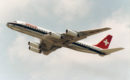
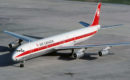
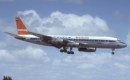
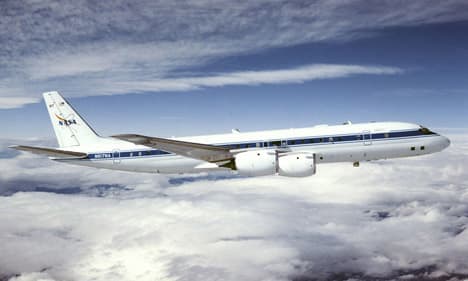
Douglas DC-8-51
ICAO: DC85
The latest aviation news and stories sent to your inbox.
The Douglas DC-8 was a four-engine jet airliner developed to compete in the early jet transport market. Entering service in 1959, it became a cornerstone of long-haul airline operations. The aircraft evolved through multiple series with increased range and capacity.
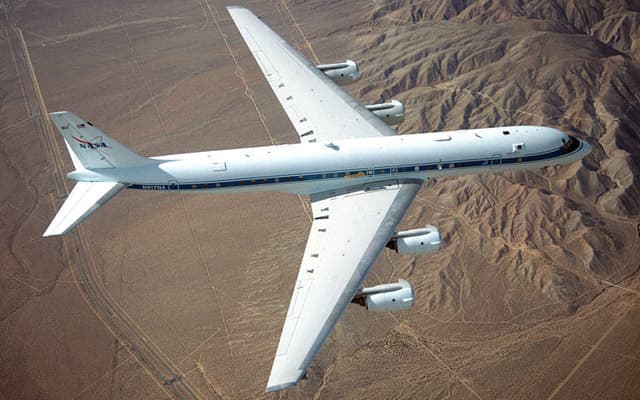
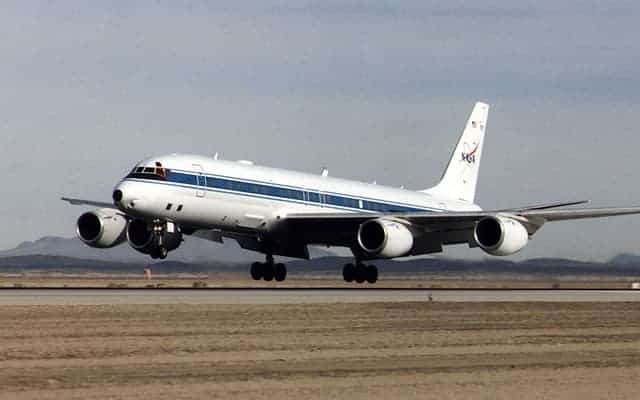

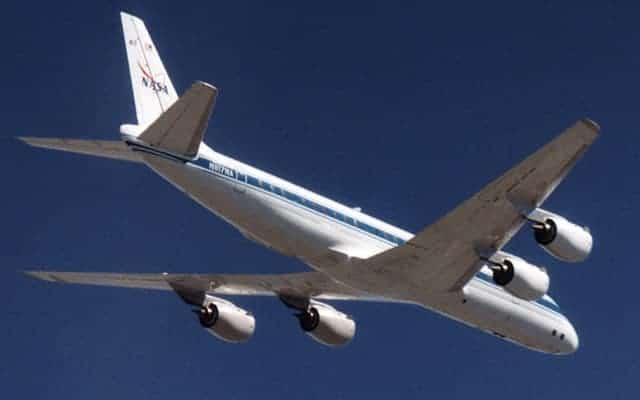
The DC-8 first flew in 1958 and entered airline service the following year. It was designed as a swept-wing, low-wing jet transport capable of transcontinental and transatlantic routes. Later series introduced more powerful engines and stretched fuselages.
Powered by four turbojet or later turbofan engines producing between 17,000 and 22,000 pounds of thrust (76 to 98 kN) each depending on variant, the DC-8 cruised at around 500 knots (925 km/h). Maximum takeoff weight in later models exceeded 350,000 pounds (159,000 kg). Passenger capacity varied widely across versions.
The DC-8 served airlines worldwide and later found extended life as a cargo aircraft. Its durability and adaptability allowed decades of service. The type remains an important part of early jetliner history.