Mid Size Passenger Jets
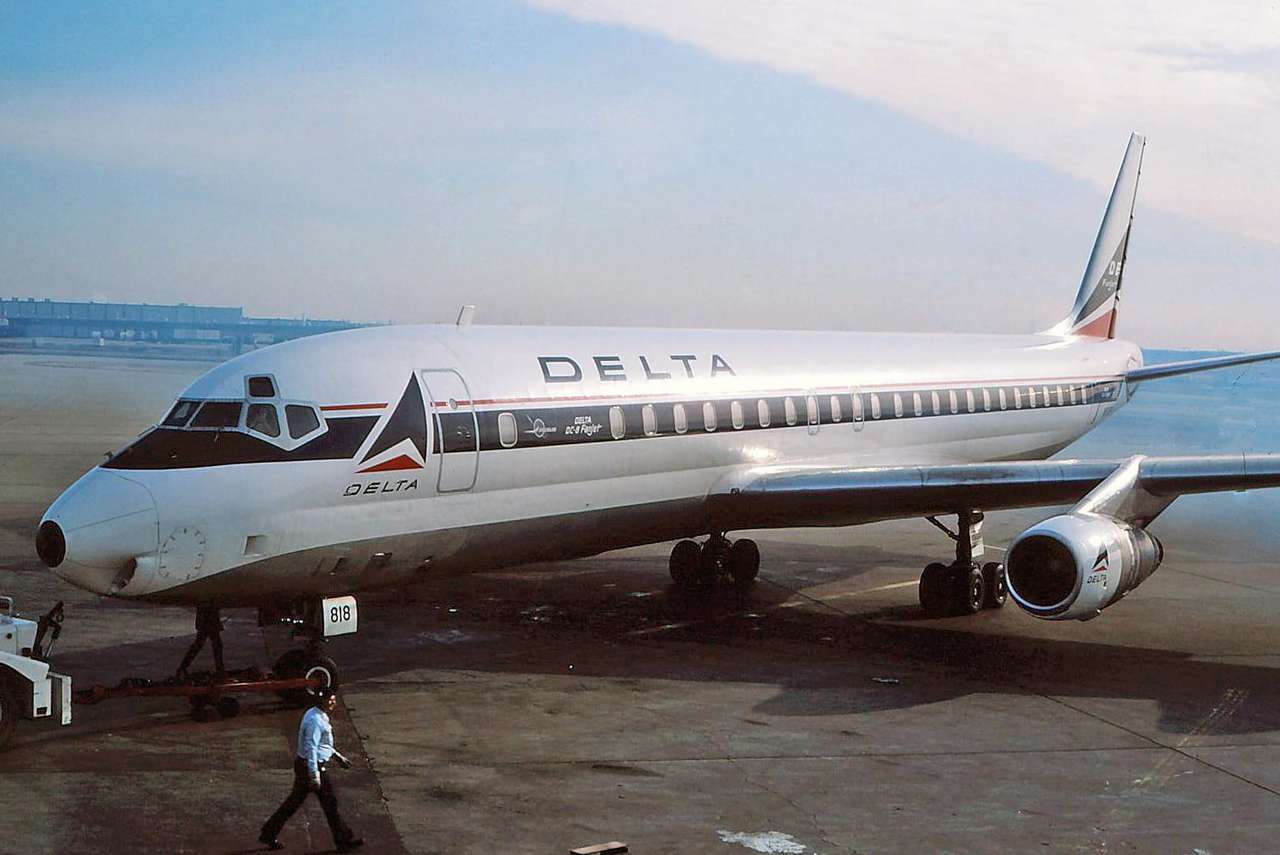
Douglas DC-8-62
ICAO: DC86
First model of the DC-8 Series 50 by Douglas Aircraft Co.
The latest aviation news and stories sent to your inbox.
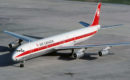
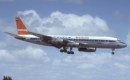
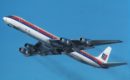
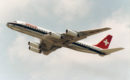
The DC-8-51 is part of the series 50 of the DC-8 narrow body airliner produced by Douglas Aircraft Company. This aircraft is powered by Pratt and Whitney JT3D turbofan engines with a maximum thrust of 17,000 to 18,000 pounds, capable of flying up to 35,000 feet.
Live Fleet Activity (DC85)
Fetching live data…


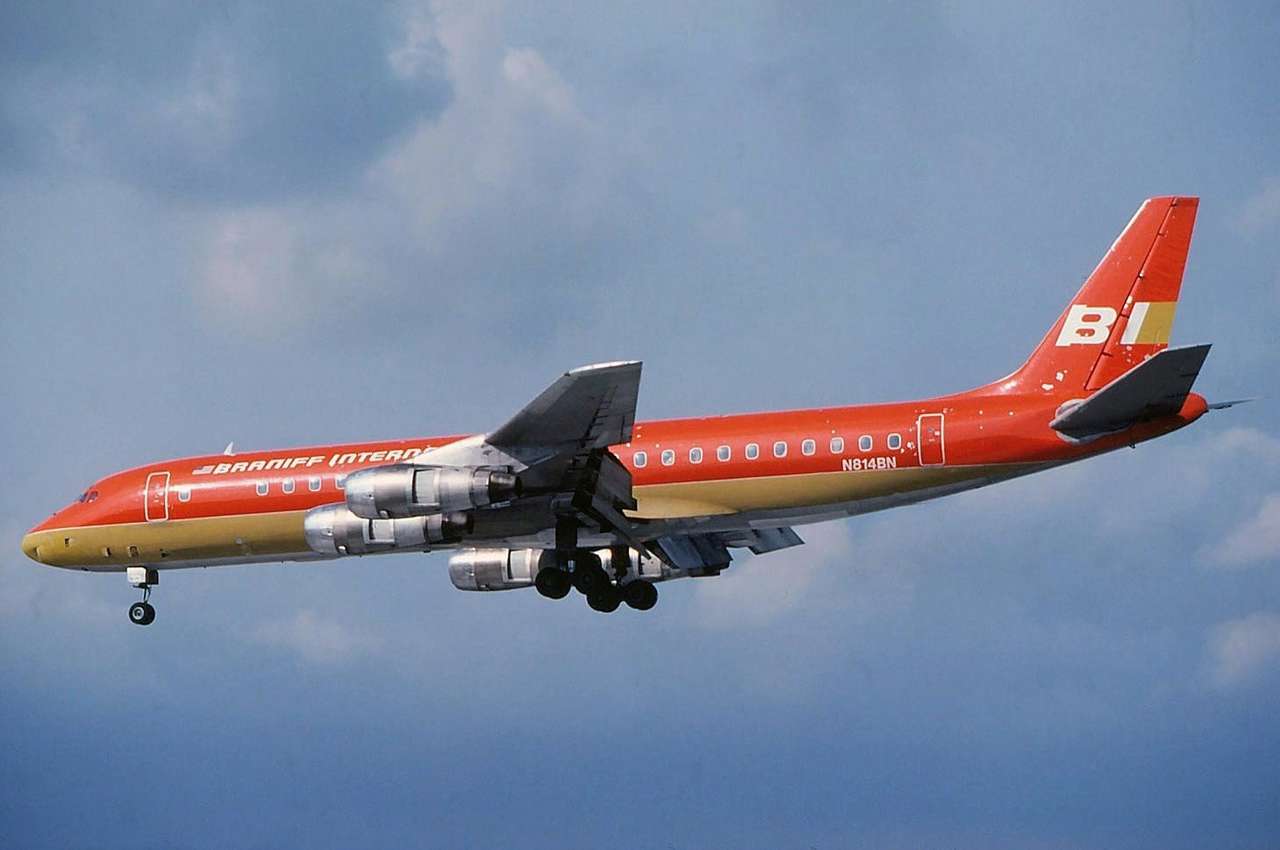
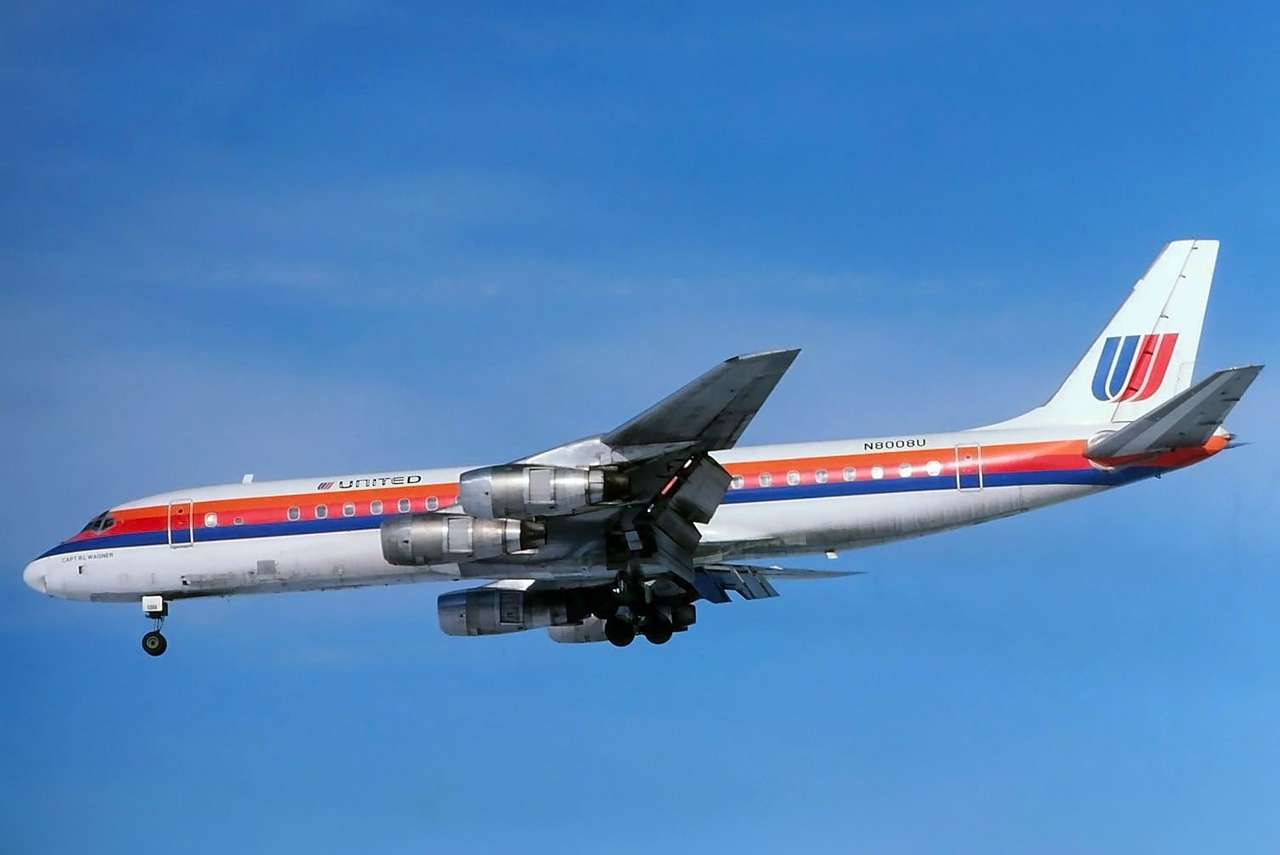


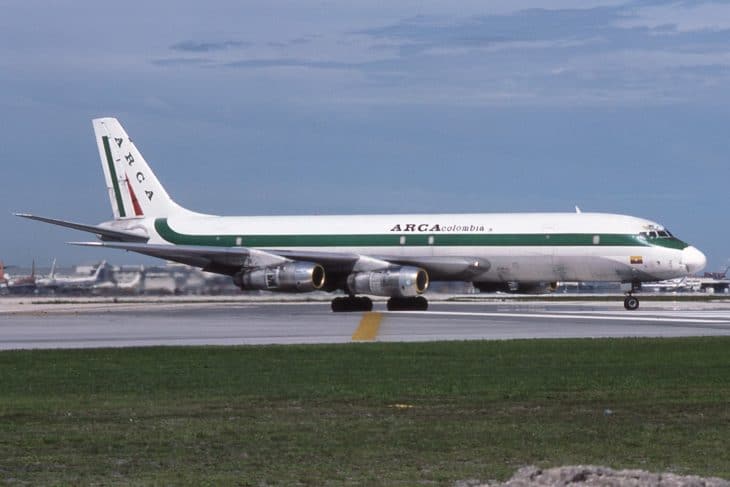
The DC-8 airliner was produced by Douglas Aircraft Company from 1958 to 1972.
In mid-1952, Douglas Aircraft Company privately started studies of jet transport project. After a year, these studies had evolved into a form identical to the DC-8.
On April 28 1967, Douglas Aircraft Company merged with McDonnell Aircraft Corporation to form McDonnell Douglas. By the mid 1960s, United Airlines transformed its five remaining DC-8-10 aircraft to DC-8-50. Delta Airlines then transformed six aircraft to DC-8-50. Five DC-8-30 aircraft were converted to DC-8-50 standard, and three DC-8-40 aircraft were upgraded to DC-8-50.
The DC-8-50 series received its aircraft certification in 1961.
There were eighty-eight DC-8-50s built on top of the converted aircraft from previous series, and a total of 142 DC-8-50 aircraft recorded deliveries. Among the DC-8 Series, the DC-8-50 remained in service as freighter.
The DC-8-51 is a six-abreast low wing aircraft that has a short fuselage with a length of 45.9 meters, outside width of 3.73 meters and inside width of 3.51 meters. It has a tail height of 13.28 meters and a wheelbase of 17.53 meters.
The low wing aircraft has a wingspan of 43.40 meters. It has a cabin length of 31.2 meters, width of 3.51 meters and height of 2.21 meters.
The DC-8-51 can accommodate up to 189 passengers on board.
The DC-8-51 is a four-engine aircraft powered by JT3D turbofan engines from Pratt and Whitney. It has a maximum thrust of 18,000 lbf. The engine has a two stage fan, six stage IP compressor and seven stage HP compressor.
The aircraft has a maximum take off weight of 147,420 kg and a maximum landing weight of 98,431 kg. It has a maximum payload of 23,467 kg and a fuel tank capacity of 23,393 US Gal.
The DC-8-51 can fly up to 35,000 feet. It can climb at a rate of 1,300 feet per minute. IT has a travel range of 5855 nautical miles and a maximum cruise speed of 483 knots. Its take off and landing distance are 3,000 meters and 2,000 meters respectively.
On August 13 1966, an Aeronaves de Mexico DC-8-51 with the registration XA-PEI named as Tenochtitlan crashed during a trip to the real estate in the surrounding area of Acapulco. The aircraft was flying below the minimum altitude published for that area in night flight conditions, the pilot was not able to detect the proximity to the mountains located at the site of the impact, 20 nautical miles from Acapulco International Airport. Six people on board were killed on this accident.
On December 24 1966, an Aeronaves de Mexico DC-8-51 with the registration XA-NUS named as Acapulco from John F Kennedy International Airport crashed landed on the dry Texcoco Lake during approach to Mexico City. There were no fatalities recorded in the incident, however the aircraft was extremely damaged.
On March 30 1967, a Delta Air Lines flight 9877 with the registration N802E crashed during a landing approach at New Orleans International Airport in Louisiana. The six occupants on board were severely injured, however unluckily, thirteen people on ground were killed on the accident.
Sources and references used for research and fact-checking.