Military Transport Planes
Alenia C-27J Spartan
ICAO: C27J
Military transport of Convair introduced in 1950
The latest aviation news and stories sent to your inbox.
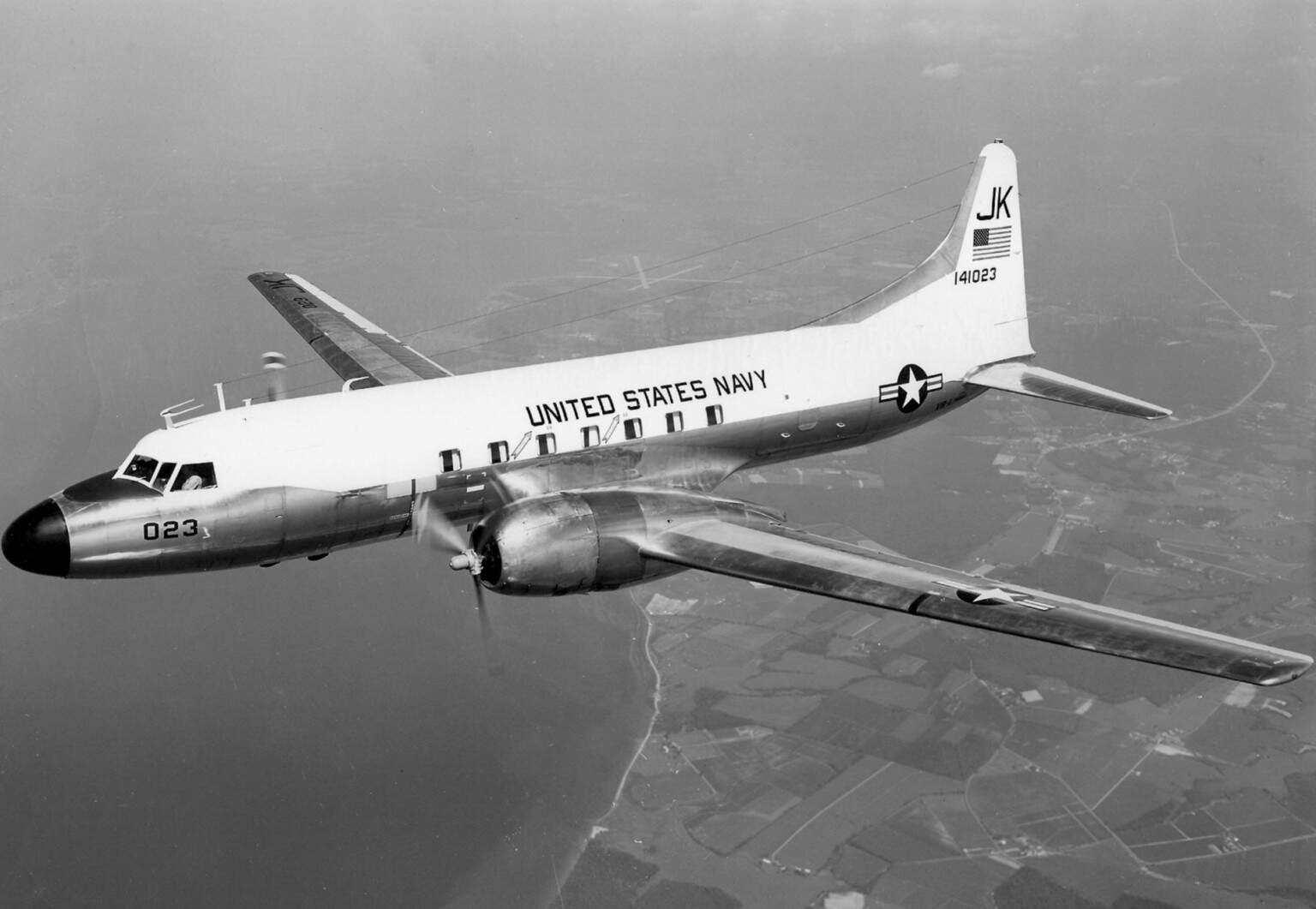
The Convair C-131 Samaritan was introduced in 1950 as a military transport powered by two Pratt and Whitney engines. Produced by Convair from 1954 to 1956, the C-131 Samaritan’s primary users are the United States Air Force and the United States Navy, as well as the Paraguayan Air Force. The C-131 Samaritan is the military variant of the Convair CV-240 series.
Live Fleet Activity (C131)
Fetching live data…


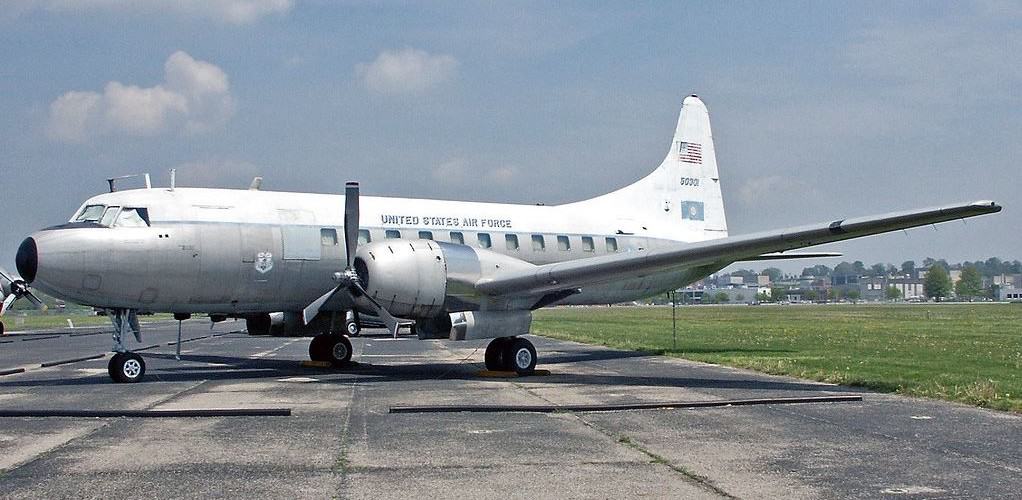


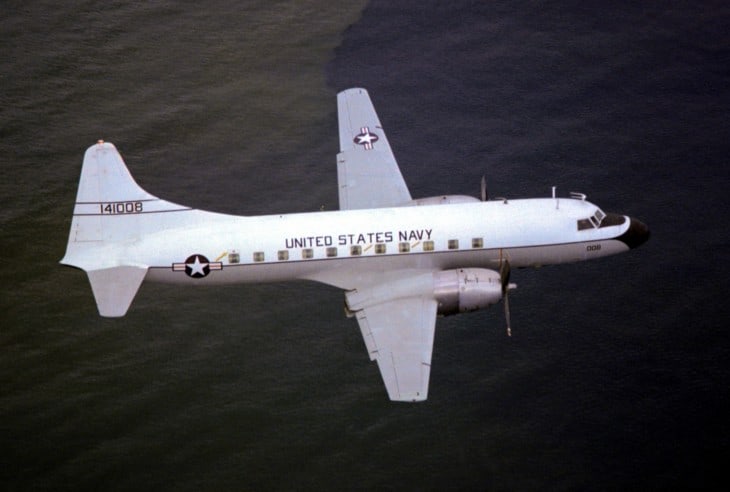
The Convair C-131 Samaritan is the military designation of the CV-240 airliner. It was used by the United States Air Force as medevac and as a VIP aircraft. In 1954, the initial model of the Samaritan designated as the C-131A was delivered to the United States Air Force. The Samaritan was also in service with the United States Navy, with the original designation R4Y before it was renamed as the C-131s in 1962.
During the late 1970s, almost all of the Samaritans disengage from the United States Air Force inventory but were still in service with the United States Coast Guard until 1983. Up until 1990, the Air National Guard and United States Navy units used further Samaritan airframes, mainly as Operational Support Airlift (OSA) for Air National Guard flying wings, as well as naval air station aircraft.
In 1959, a C-131 Samaritan was the initial aircraft engaged in the Project Mercury astronaut training as a reduced-gravity aircraft or also known with the unofficial nickname “vomit comet”. In October 1963, the C-131 was used in the Project Tailchaser as the first flying gunship testbed. A C-131B was installed with cameras located in the cargo bay. In the end, the aircraft was brought to Eglin Air Force Base in Florida to install a 7.62 mm SUU-11A/A Gatling-style minigun from General Electric.
The aircraft is powered by two Pratt & Whitney R-2800-99 “Double Wasp” twin-row, 18-cylinder, air-cooled radial engines rated at 2,500 horsepower thrust each. It has a maximum cruise speed of 255 knots and a travel range of 1,400 nautical miles. The service ceiling is 24,500 feet and the rate of climb is 1,520 feet per minute. The C-131 Samaritan has a maximum takeoff weight of 21,363 kg, a maximum payload of 8,069 kg, and a fuel tank capacity of 1,241 US gallons.
Sources and references used for research and fact-checking.