
Mid Size Passenger Jets
Convair 880
ICAO: CV880
Pioneers of bombers, delta-wing jets, and early space launch systems
AeroCorner features profiles for 6 Convair aircraft. This includes 2 Mid Size Passenger Jets, 1 Military Propellor Plane, 1 Fighter Jet, 1 Military Aircraft, and 1 Military Transport Plane. Each profile includes performance data, photo galleries, dimensions, and operational history.
Convair was a major American aircraft manufacturer known for producing influential bombers, airliners, and experimental research aircraft throughout the mid-20th century. Its designs helped define early jet aviation, strategic nuclear bombers, and Cold War aerospace development. Convair built iconic aircraft such as the B-24 Liberator, B-36 Peacemaker, F-102 Delta Dagger, F-106 Delta Dart, and 880/990 jetliners.
The company also played significant roles in missile development and space research, contributing to Atlas rockets, early spacecraft work, and national defense programs. Although Convair no longer exists, its engineering achievements left a lasting influence on both aviation and space exploration.


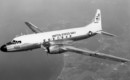
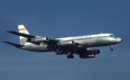
Convair was created in 1943 through the merger of Consolidated Aircraft and Vultee Aircraft, forming Consolidated-Vultee — later shortened to Convair. The merger combined two major U.S. manufacturers to create a unified company capable of meeting large wartime production demands.
During World War II, Convair became one of the largest aircraft producers, building the B-24 Liberator and various patrol bombers. The company’s expertise in large airframes and production-scale manufacturing laid the foundation for major postwar military and civilian programs.
Convair reached its peak during the early Cold War, producing massive strategic bombers like the B-36 Peacemaker, early commercial jets, and high-performance interceptors. The company also pioneered delta-wing fighter designs and led major missile programs that supported the U.S. space effort.
Convair operated major facilities in San Diego, Fort Worth, and Pomona. These factories supported bomber production, interceptor assembly, jetliner development, and missile manufacturing, making Convair an essential part of America’s Cold War industrial base.
Convair emphasized aerodynamic experimentation, large airframe engineering, high-altitude capability, and advanced propulsion systems. Its delta-wing fighters and enormous bombers showcased bold engineering decisions, while its space and missile programs demonstrated strong research capabilities.
Convair became part of General Dynamics in 1953, eventually transitioning into divisions focused on aircraft, missiles, and aerospace research. By the 1990s, its remaining operations were sold or closed, with major assets passing to companies such as Lockheed Martin and Boeing through broader defense industry consolidation.
Convair’s B-24 Liberator program was one of the most significant industrial achievements of World War II. With its long range, heavy payload, and distinctive high-aspect-ratio Davis wing, the B-24 became a strategic asset in the European and Pacific theaters.
Convair’s ability to mass-produce the aircraft across multiple factories—sometimes achieving unprecedented daily output—demonstrated the scale and efficiency of American wartime manufacturing. The aircraft supported bombing, maritime patrol, anti-submarine warfare, and transport missions, making it one of the most versatile combat platforms of the war.
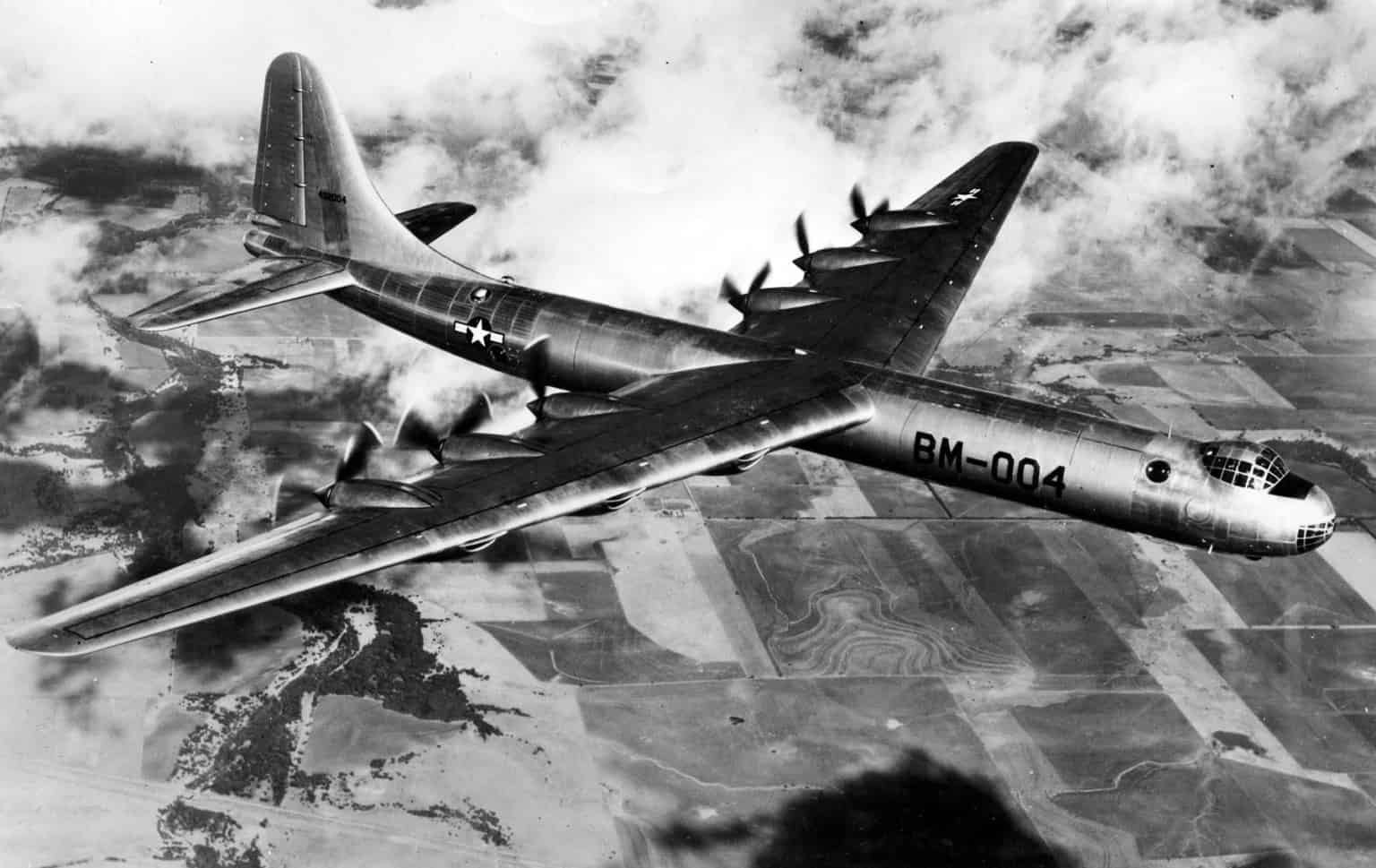
The B-36 Peacemaker marked Convair’s transition into the Cold War era, representing a dramatic leap in engineering ambition. Designed as a true intercontinental bomber, the B-36 could carry nuclear payloads over vast distances without refueling, giving the United States its earliest long-range strategic strike capability.
The aircraft’s enormous size, six pusher-prop engines (later augmented by four jet engines), and remarkable endurance made it a technological landmark. Its development helped define Strategic Air Command’s early doctrine and served as a bridge between conventional wartime bombers and the advanced B-52 era.
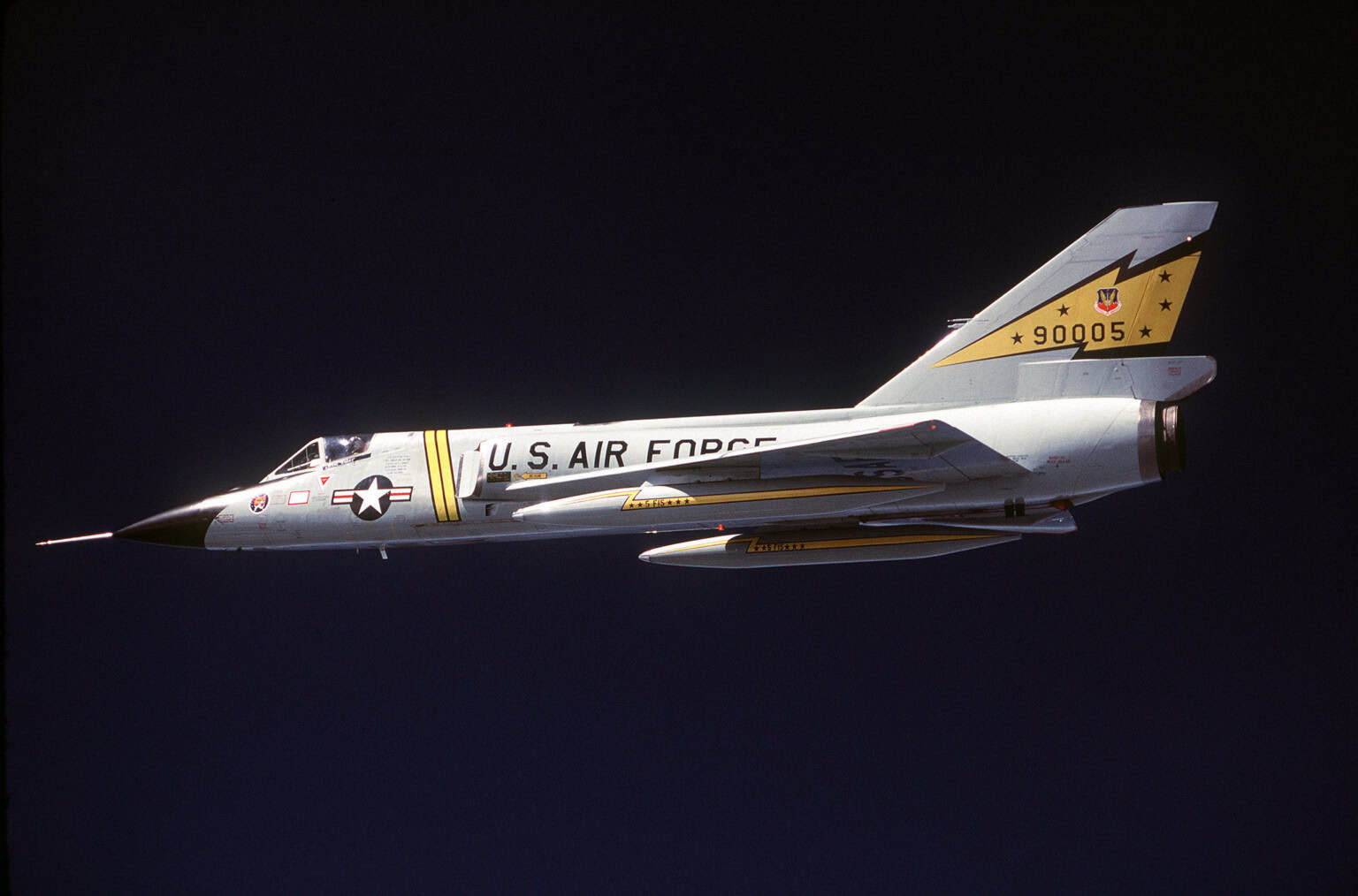
Convair’s F-102 Delta Dagger and F-106 Delta Dart represented major milestones in supersonic aerodynamics and early Cold War air defense. The F-102 was among the first operational delta-wing fighters but struggled until Convair applied the “area rule” principle, significantly improving transonic performance.
The subsequent F-106 perfected the concept, becoming one of the fastest and highest-performing interceptors ever built for the U.S. Air Force. With advanced avionics, all-weather capability, and exceptional climb performance, the Dart served for decades as a critical element of America’s continental air defense network.
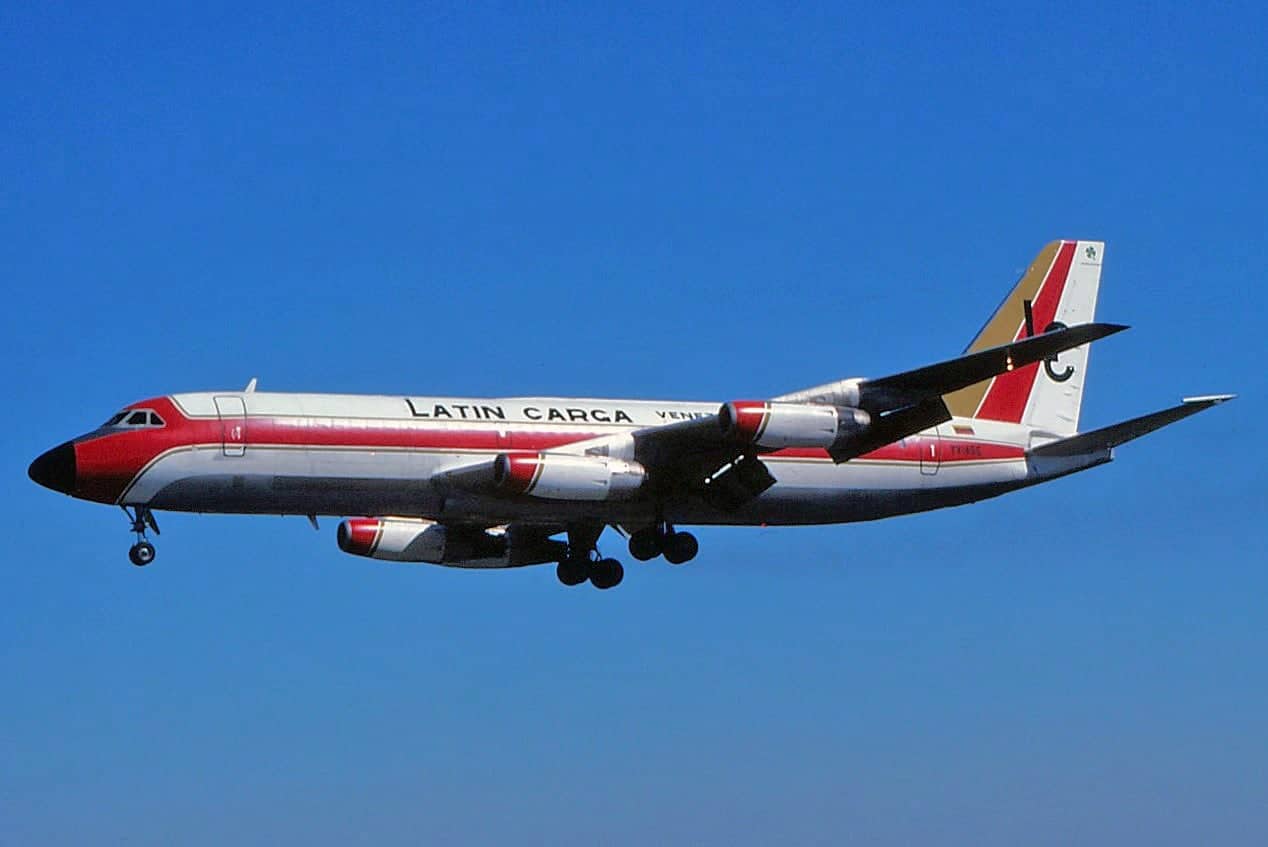
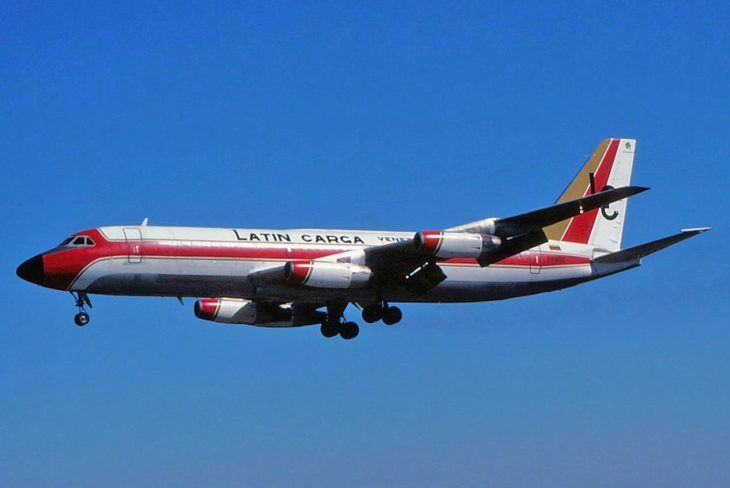
Although not commercially successful, the Convair 880 and 990 Coronado were remarkable engineering efforts aimed at building the fastest commercial jetliners of their era. The aircraft featured clean aerodynamics, powerful engines, and high-speed cruise capabilities that outpaced most rivals.
However, the focus on speed sacrificed capacity and efficiency, making them less attractive to airlines compared to the Boeing 707 and Douglas DC-8. Despite limited sales, these aircraft showcased Convair’s willingness to take bold risks in commercial aviation, influencing aerodynamic research and high-speed design studies.
Convair’s Atlas missile program became one of its most important contributions to aerospace history. Initially designed as an intercontinental ballistic missile, Atlas later evolved into a highly successful space launch vehicle family. It supported early NASA crewed missions, including John Glenn’s historic orbital flight, and became a foundational system for U.S. space exploration and satellite deployment.
The Atlas lineage continued long after Convair disappeared as a brand, proving the long-term value of the company’s engineering and research efforts. This work firmly secured Convair’s role in the origins of the American space program.
Convair’s contributions shaped early jet aviation, strategic bombing, and the foundation of the U.S. space program. Its engineering innovations—especially delta-wing design, large bomber technology, and missile development—continue to influence aerospace systems today through the companies that inherited its programs.