Military Helicopters
Boeing AH-64D Apache Longbow
ICAO: H64
The stealth helicopter built to redefine reconnaissance and light attack missions.

The latest aviation news and stories sent to your inbox.
The Boeing-Sikorsky RAH-66 Comanche was an advanced reconnaissance and attack helicopter developed for the U.S. Army. Designed with stealth features and modern avionics, it aimed to replace older scout helicopters. The program was canceled before production.
Live Fleet Activity (H66)
Fetching live data…

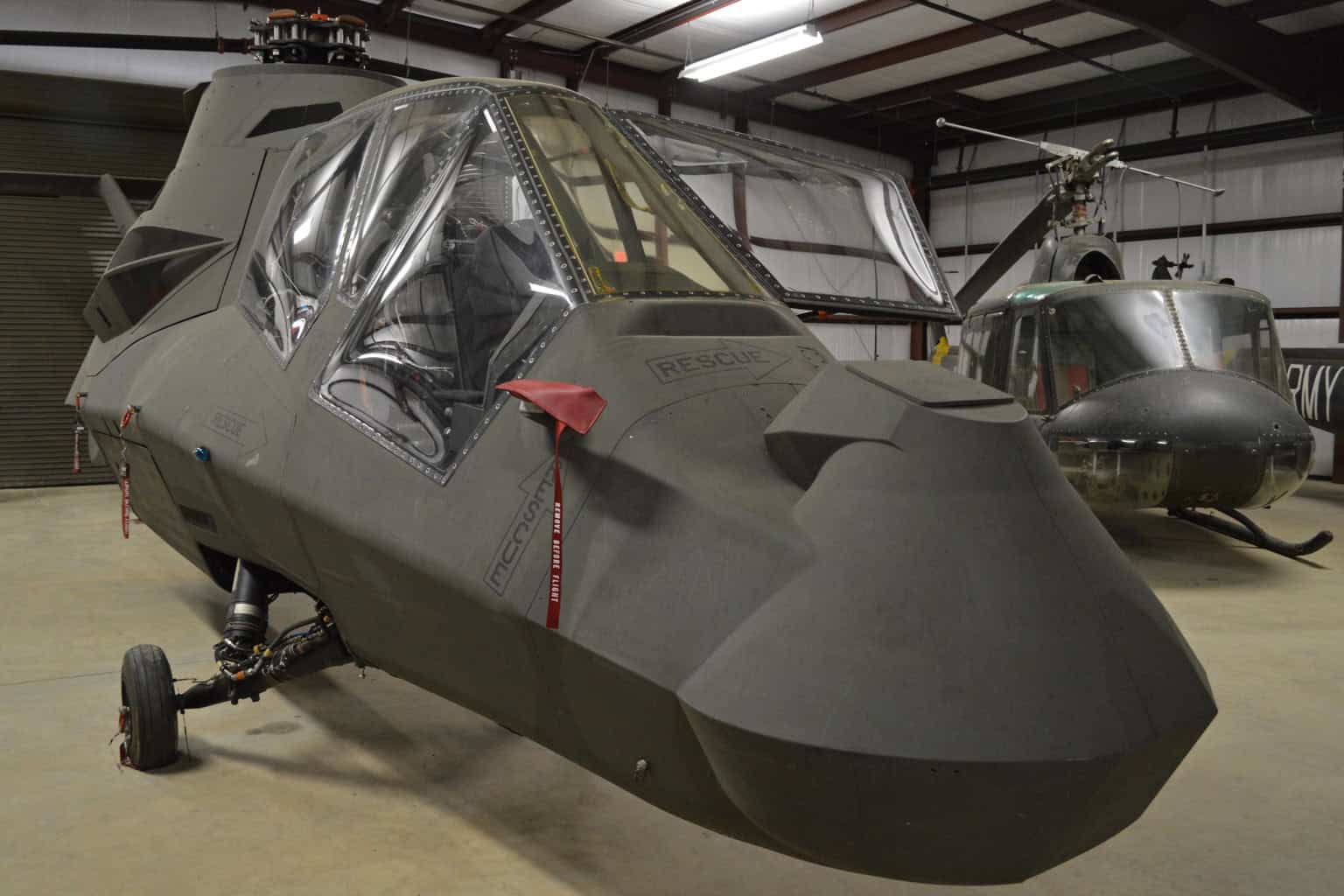

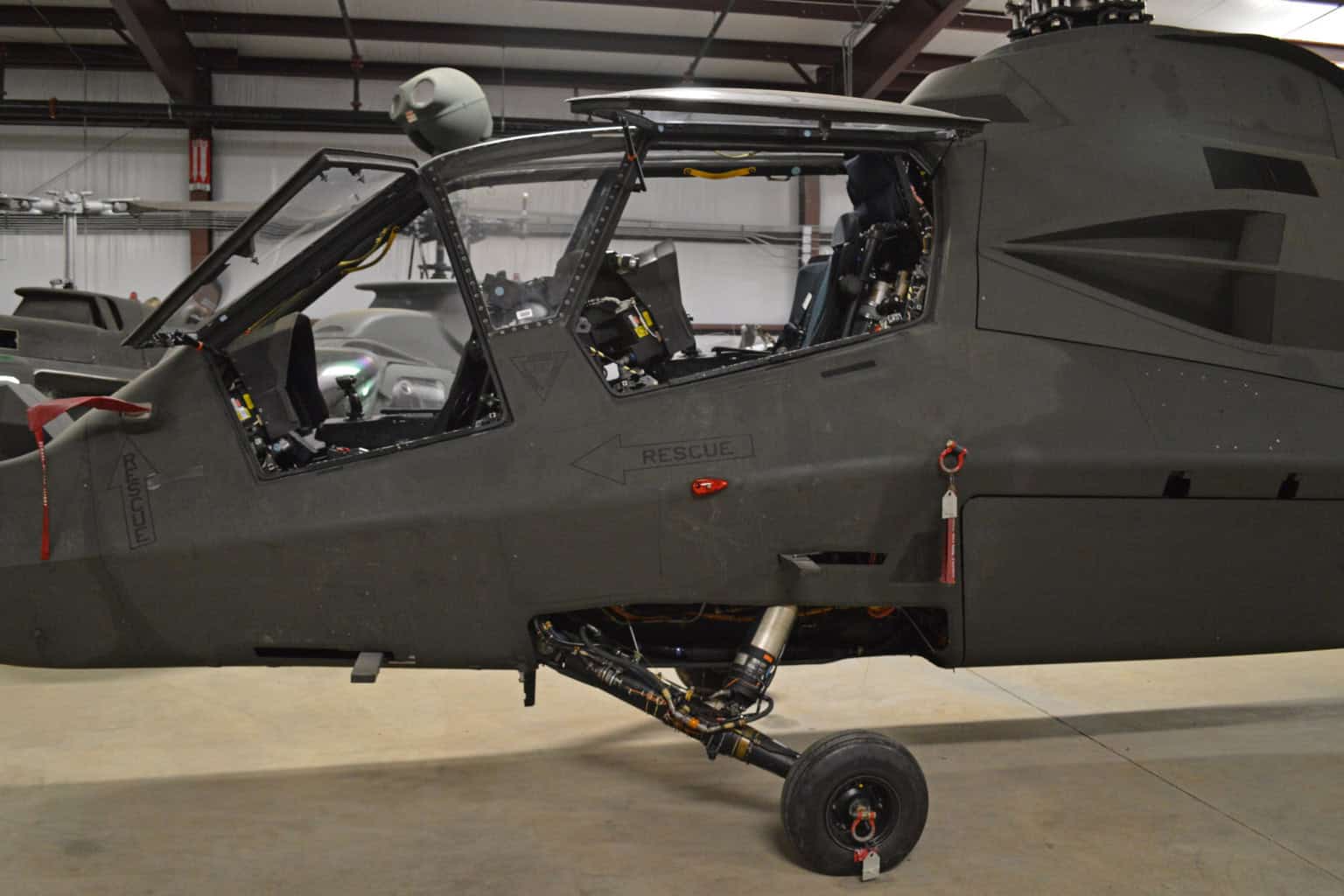

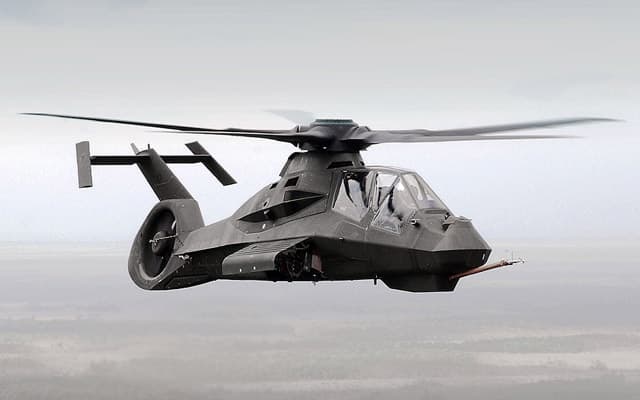
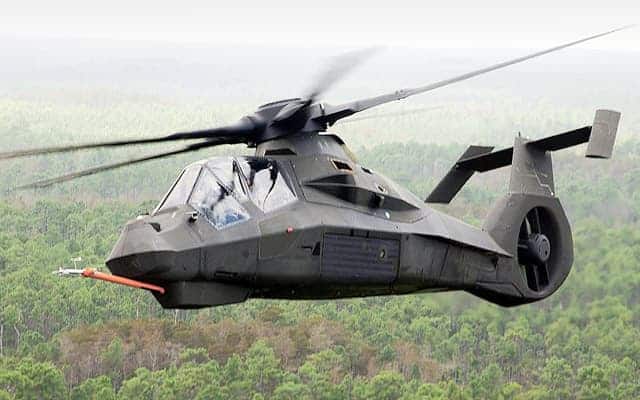


The RAH-66 first flew in 1996 after years of development during the late Cold War and post-Cold War era. It featured a low-observable design with internal weapons bays and composite construction. The helicopter was intended to conduct armed reconnaissance missions in contested environments.
Powered by two turboshaft engines producing approximately 1,500 shaft horsepower each, the Comanche cruised at around 160 knots (300 km/h). Maximum gross weight was roughly 17,000 pounds (7,710 kg). Advanced avionics and sensor systems were central to its mission profile.
Rising development costs and changing military priorities led to program cancellation in 2004. Although only prototypes were built, the Comanche introduced technologies later applied to other platforms. It remains one of the most ambitious helicopter programs of its era.
Sources and references used for research and fact-checking.