

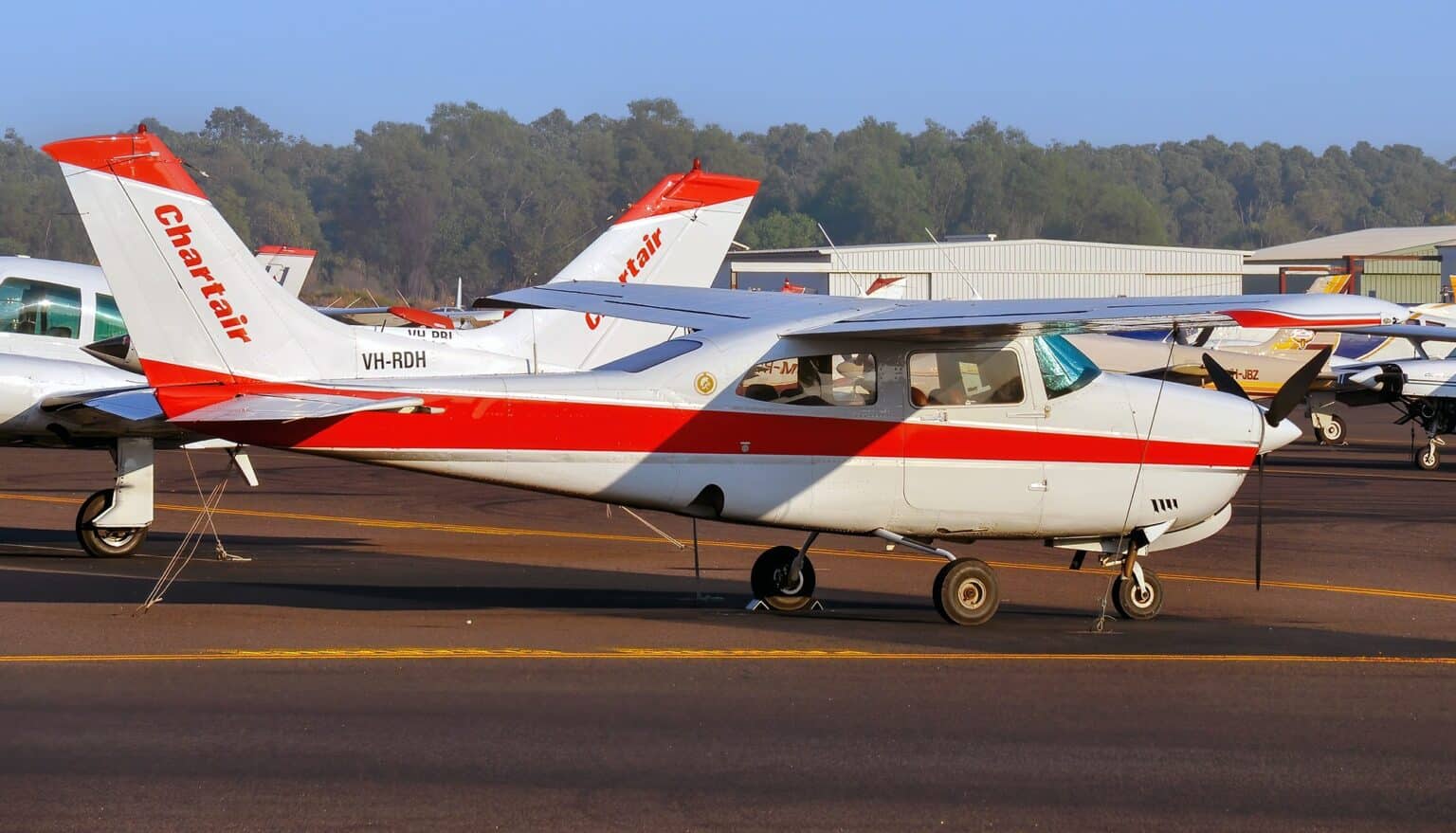
The Cessna 210N VH-RDH that crashed into the water off Goolwa, South Australia, on February 6, 2026, killing all three people on board, was likely put into an intentional spin so the pilot could practice the recovery. That is the first finding of the Australian Transport Safety Bureau’s final report, published on October 28, 2026.
The Cessna 210N is not approved for intentional spins. The ATSB also found that the instructor on board had spun the same aircraft on earlier flights, from progressively lower heights, and that nobody reported it to the operator or to the Civil Aviation Safety Authority (CASA).
What happened on the accident flight
VH-RDH left Goolwa Airport at about 4:08 p.m. on a private local flight. A flight instructor sat in the front right seat, a commercial pilot licence holder in the front left seat, and a passenger with a recreational pilot licence in the second row.
It was the pilot’s last session in a 10-hour Cessna 210 Centurion experience package. The pilot had 199 hours, 8.6 of them in VH-RDH, and had trained on non-aerobatic aircraft with no spinning.
Radar shows the aircraft followed the coast east, then turned back toward the mouth of the Murray River. There it climbed to 3,375 feet while its groundspeed fell to 74 knots, which the ATSB says was consistent with setting up a spin entry.
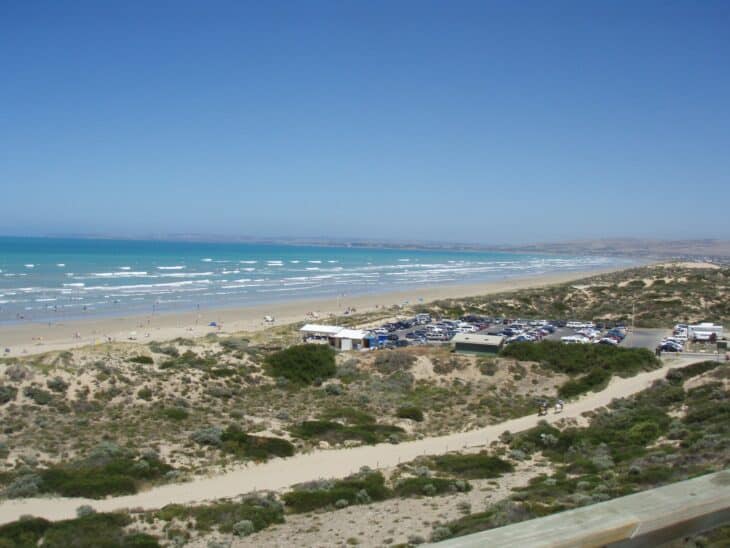

A witness filmed the end of the descent. The ATSB’s frame analysis shows a left spin about 72 degrees nose down with the landing gear retracted, and a rotation rate falling from about 180 to 76 degrees per second, a sign the aircraft was recovering when it hit the water about 9 miles (14 km) south-east of the airport.
The ATSB considered a contributing technical fault unlikely.
The ATSB’s findings
The bureau lists four contributing factors. It found it likely that the instructor entered the spin for the pilot to practice recovery actions, in an aircraft from which a fully developed spin “could be difficult to recover.”
It also found the pilot likely mishandled the recovery from the incipient spin, and the instructor did not intervene in time to stop a fully developed spin and recover within the height available.
The other two factors concern the history behind the flight. Interviews uncovered seven earlier flights with spins instigated by the instructor, and recorded data captured six spins on four of them, three of the flights in VH-RDH.
December 2025
Spins begin in VH-RDH. Spin demonstrations for pilots on the Cessna 210 package start from about 4,500 feet, in the same area as the accident flight.
January 7, 2026
The accident pilot’s first flight. A witness reported the instructor demonstrated a spin and then let the pilot handle the recovery from a second one. Entries were at about 3,500 feet.
February 1, 2026
Spinning near another aircraft. The first of two spins that day bottomed out at 1,952 feet, the lowest recovery in the data. The second, from just under 3,000 feet, descended past a nearby Bristell without warning its crew.
February 6, 2026
The accident. The entry height was about 1,000 feet lower than the instructor had used two months earlier.
The ATSB found that those successful recoveries likely gave the instructor the confidence to keep lowering the entry height. Because the aircraft was recovering just before impact, the bureau concluded it likely could have been recovered had the entry height not been lowered.
The fourth factor is that none of these spins were reported to the operator or to CASA, so nothing was done to stop them. Pilots told investigators they trusted an instructor with 8,692 hours, accepted the instructor’s claim to have “approval,” or doubted reporting would achieve anything.
Separately, a post-mortem showed the instructor was at higher cardiovascular risk than the last aviation medical predicted, though the ATSB could not determine whether it played a part.
Why the Cessna 210 is not approved for spins
The 210N is a Normal category airplane, certified under US Civil Air Regulations Part 3. That standard only requires it to recover from a one-turn spin within one more turn, a margin meant to protect a pilot who mishandles a stall.
Under the same rules, a type approved for intentional spinning must show recovery from a six-turn spin. The 210N was never tested that way, so the ATSB says its behavior in a fully developed spin is unknown and could resist recovery.
The manufacturer told the ATSB the 210N was built for personal and business use, “not as a trainer used for spins.” Cessna supplied a cockpit placard prohibiting intentional spins, but on VH-RDH it was not on the instrument panel, and the ATSB could not locate it from the available images.
For its spin-approved trainers, such as the Cessna 172 Skyhawk in the utility category, Cessna recommends entering spins high enough to recover by 4,000 feet above the terrain. CASA’s flight instructor manual says spins should be taught from a height that allows recovery by 3,000 feet.
Australian rules also let a spin be recovered as low as the pilot’s own aerobatic height limit, unless the flight manual sets a higher one. The instructor’s limit was lowered from 3,000 to 1,500 feet in November 2025, the month before the first reported spin in VH-RDH.
What the ATSB wants pilots to take from it
The final report makes no formal safety recommendation. Its safety message repeats the first key point of CASA’s 2020 advisory circular on spin avoidance and stall recovery training: a spin must not be induced in an aircraft not certified or approved for intentional spinning.
It also asks that reporting systems be designed around why people stay silent. The ATSB concluded that younger pilots felt they lacked the power to act, while more experienced pilots who heard about the spins secondhand did not see it as their duty.
The bureau found no earlier Cessna 210 spin training accidents in the ATSB or NTSB databases.
Sources and references used for research and fact-checking.
Get the Newsletter
The latest aviation news and stories sent to your inbox.
About the Author

AeroCorner News is the aviation news desk of AeroCorner.com. It covers accidents and incidents, safety rulings, airline and airport disruption, and new aircraft. It works from primary sources such as the NTSB, FAA, EASA and the manufacturers' own announcements.