

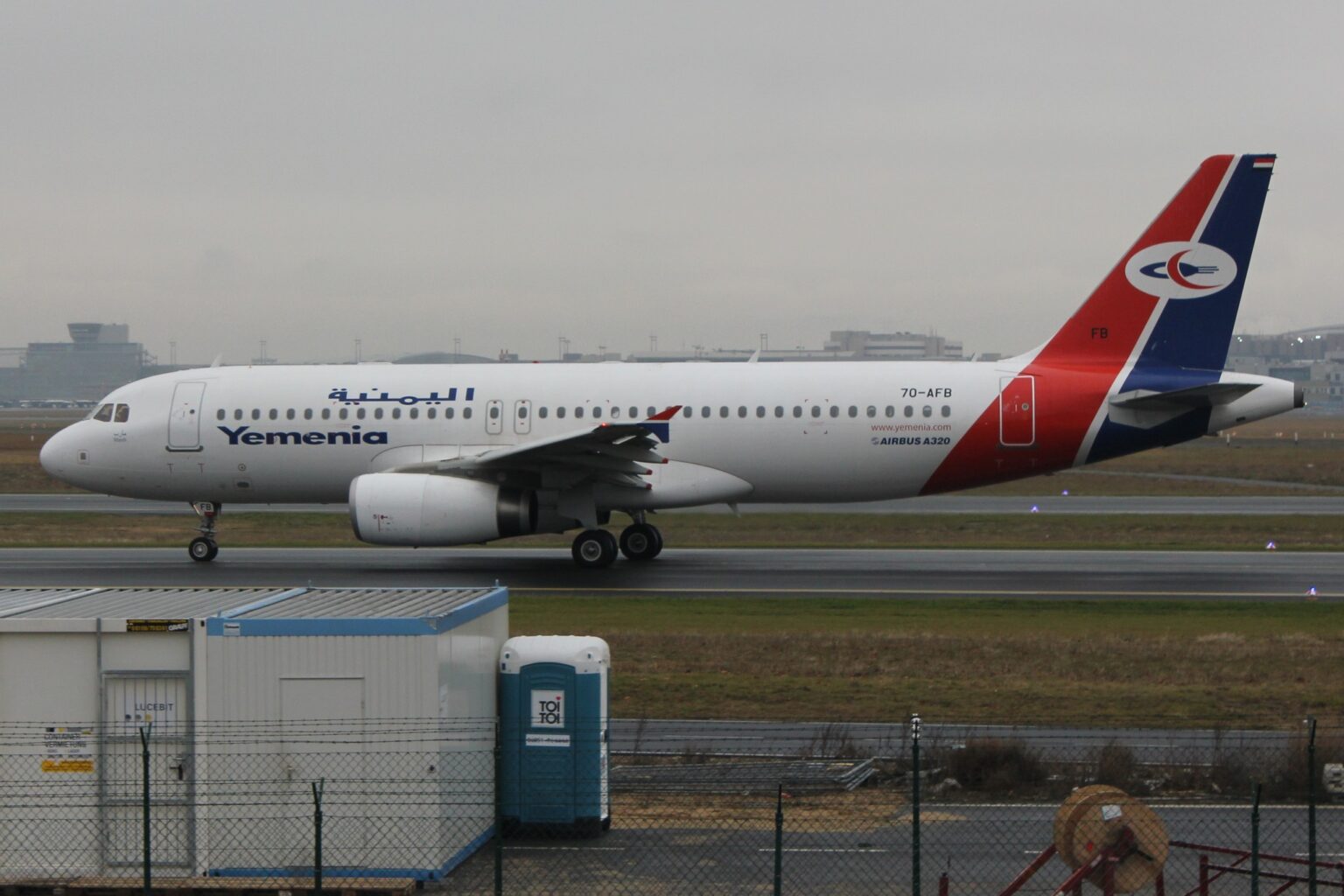
Yemenia flight IY648, an Airbus A320 from Aden, flew through hail on its approach to Amman on Monday, October 26, 2026, and landed safely at Queen Alia International Airport. The airline confirmed the hail strike the next day and said the aircraft would stay in Amman for maintenance.
The jet is registered 7O-AFB, according to The Aviation Herald, which reported that it landed on runway 26L and was still on the ground about 29 hours later.
What Yemenia has said
Yemenia announced on Tuesday, October 27, that one of its aircraft had been struck by hail on the flight from Aden International Airport to Queen Alia International Airport, and that it had landed safely. The statement was carried by Saba, Yemen’s state news agency.
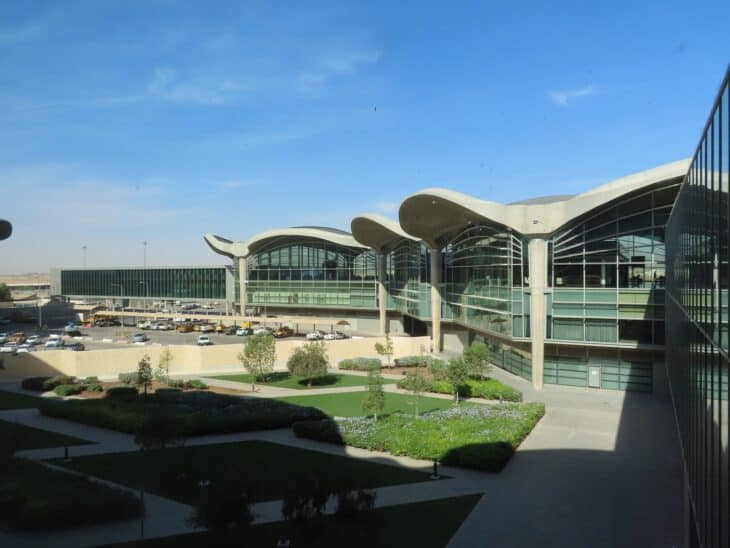

Airline spokesperson Hatem al-Shaabi said the aircraft would undergo maintenance at Queen Alia. Passengers booked from Amman back to Aden would fly on another aircraft at the departure time already on their bookings, he said.
Al-Shaabi framed the event as one of the weather challenges airlines face worldwide and praised the airline’s pilots and technical crews. He did not describe the damage, give a passenger count or say how long the repairs would take.
What the damage looks like
Photos of the jet after landing spread on social media. Greek outlet Proto Thema, relaying a post that cited Yemeni media, reported damage to the nose radome and the cockpit windshield.
The same report said no injuries had been reported among passengers or crew. Yemenia’s own statement says only that the aircraft landed safely, and no damage assessment from the airline or Jordanian authorities had been published at the time of writing.
Why hail hits the nose first
Hail grows inside cumulonimbus storm clouds, where strong updrafts hold ice pellets aloft until they are too heavy to support and fall. An airliner that meets that ice at approach speed takes the impacts on its forward-facing surfaces.
On an Airbus A320, the most exposed parts are the radome, the composite cone over the weather radar at the very nose, and the layered cockpit windshields. The leading edges of the wings and tail face the same way.
The safety knowledge base SKYbrary notes that hail can cause considerable damage to aircraft on the ground or in flight. One case it lists is an Asiana A321 near Seoul’s Gimpo Airport in 2006, which lost its radome and had a cracked windshield.
A closer parallel came in June 2024, when Austrian Airlines flight OS434, an A320 from Palma de Mallorca to Vienna, flew into hail on its way in. As KTNV reported, the crew declared a mayday, photos showed shattered cockpit windows and parts of the nose missing, and the airline said no one was injured.
Yemenia has kept the jet in Amman for that maintenance, which is why 7O-AFB was still on the ground more than a day after landing. The airline has not said when it will return to service.
A small fleet under strain
Every airframe counts at Yemenia. Israeli strikes on Sanaa airport in May 2025 destroyed an A330 and three A320s, and aeroTELEGRAPH reported that the first strike alone hit three of the airline’s seven aircraft.
The airline now flies from Aden, and its operations there have been disrupted twice this month. On October 16, two missiles fell at Aden airport near flight IY612 as it prepared to depart for Cairo.
Five days later, a Houthi missile and drones fell near the runways at Aden and Mukalla, and two Yemenia flights were halted. Losing an A320 to repairs in Amman, even for days, takes another aircraft out of a schedule with little slack.
Sources and references used for research and fact-checking.
Get the Newsletter
The latest aviation news and stories sent to your inbox.
About the Author

AeroCorner News is the aviation news desk of AeroCorner.com. It covers accidents and incidents, safety rulings, airline and airport disruption, and new aircraft. It works from primary sources such as the NTSB, FAA, EASA and the manufacturers' own announcements.