

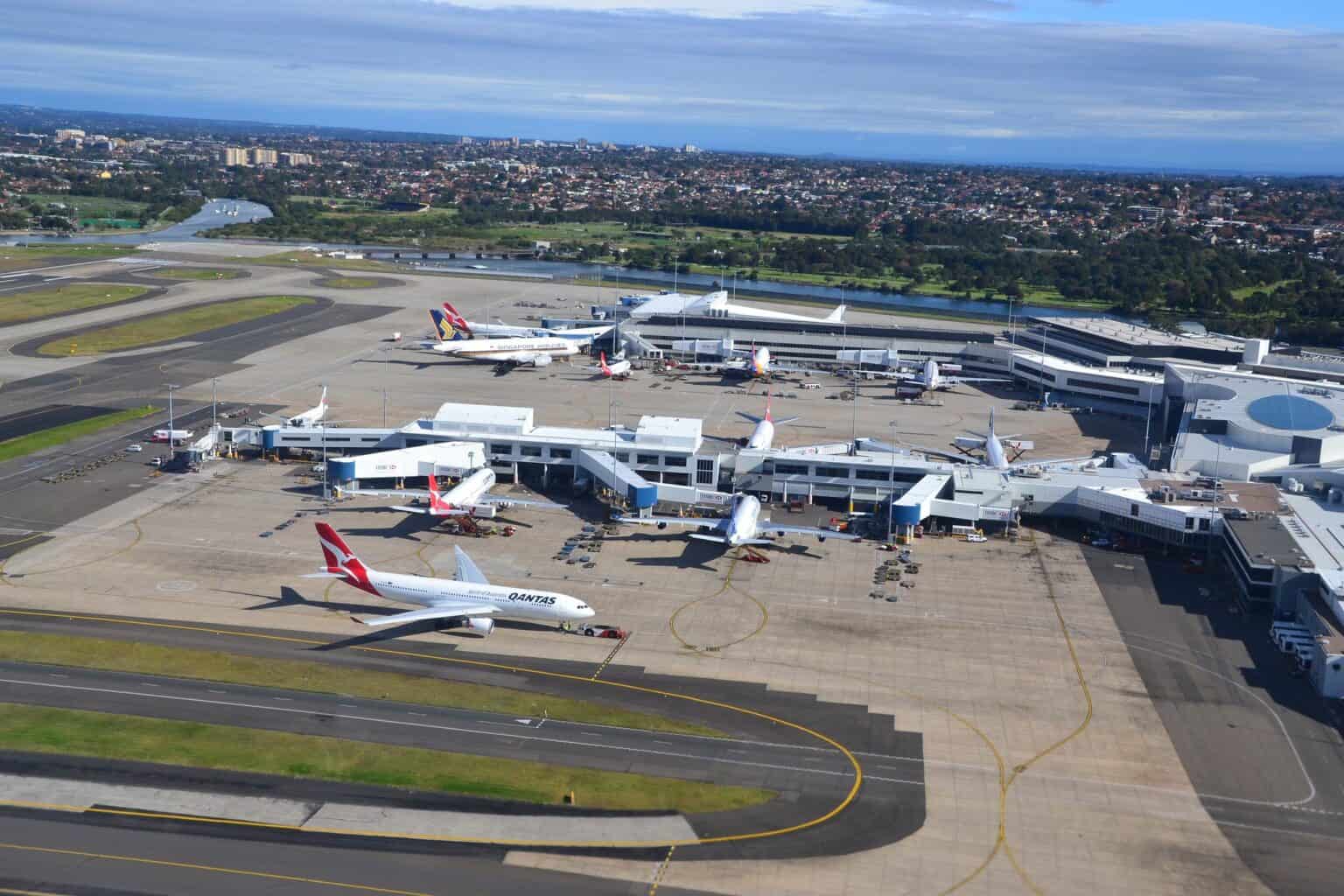
The Australian Transport Safety Bureau (ATSB) has released preliminary reports into two more August close calls on the ground at Sydney Airport, ABC News reported on Monday, October 26, 2026.
In the first, Virgin Australia flight VA1589 taxied in front of Qantas flight QF420 while the controller on duty had a high predicted fatigue risk. In the second, a Jetstar A320 began pushing back into the path of a QantasLink Dash 8.
The ATSB has six Sydney investigations open. It published the first four preliminary reports on September 30, and AeroCorner covered them in its story on the QF124 runway incursion. These two complete the set.
VA1589 and QF420: a give-way instruction half read back
VA1589, a Virgin Australia Boeing 737 registered VH-IXJ, was flying from Melbourne to Newcastle but diverted to Sydney because of bad weather. After landing, it was taxiing to the domestic terminal.
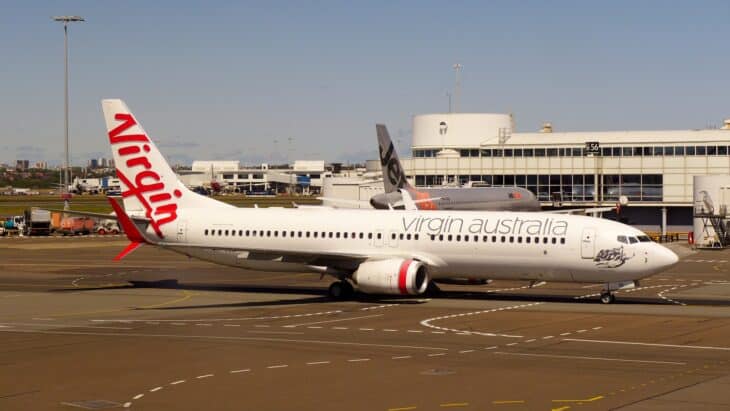

At about 9:40am, the controller told the Virgin crew to “follow the Qantas to vacate ahead, hold short runway 25,” according to the ABC’s account of the report. That Qantas aircraft was QF420, a Boeing 737 registered VH-VZV, arriving from Melbourne.
The Virgin captain read back only the hold-short part, and the controller did not notice the missing half. The QF420 crew saw the Virgin jet approach a taxiway intersection at a speed that suggested it would not give way, and stopped with normal braking.
The Virgin jet passed in front, and its crew did not realise there had been a conflict until the Qantas crew queried it with the controller. The controller later told investigators that equipment in the tower cab limited their view of that intersection, and was taken off duty for the rest of the day.
The date differs between sources. Aerospace Global News, reporting the ATSB’s investigation in August, gave August 16, while the ABC dates it August 17.
What the report says about fatigue
The controller had been rostered to finish at 8:50pm the night before and start again at 5:30am, a gap of under nine hours. The ABC reports that they were the only controller in the tower and had a high predicted fatigue level.
The report stresses that predicted fatigue does not mean a controller was fatigued, only that the roster put them at risk. The controller described themselves as “fine and alert” and “fit for duty.” The report also notes that Airservices Australia, which runs the tower, does not have a fatigue management system approved by the Civil Aviation Safety Authority (CASA).
Predicted fatigue comes from models that score a roster on sleep opportunity and time of day. A short turnaround between a late finish and an early start is exactly what those models flag, because it cuts into the night’s sleep. AeroCorner’s explainer on fatigue in aviation covers how those limits work for pilots and controllers.
JST745 and QLK427D: a pushback onto a live taxiway
On August 25, a controller cleared Jetstar flight JST745, an Airbus A320, to push back from bay 59 onto a taxiway. About 30 seconds later, the same controller cleared QantasLink flight QLK427D, a Dash 8, to taxi along that taxiway past the A320’s bay.
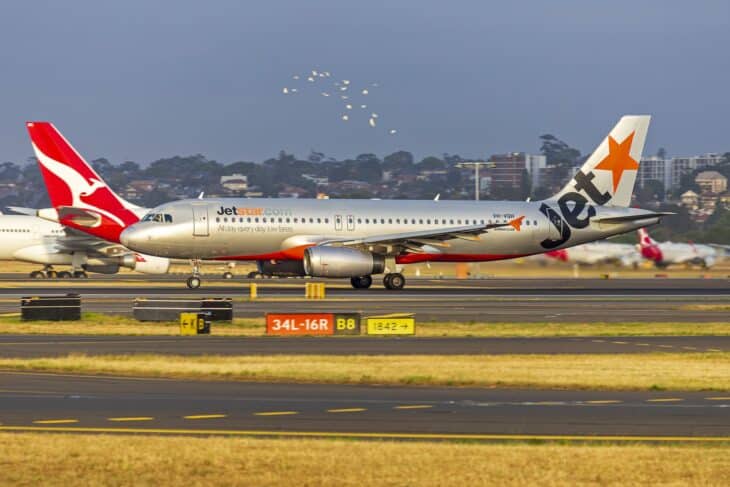

The Dash 8 crew saw the A320’s tail moving backwards and stopped about 100 meters (330 feet) from the bay. The pushback driver and dispatcher also halted the pushback and warned the Jetstar pilots, and the A320 was towed back onto its bay so the Dash 8 could pass behind it.
Three controllers told the ATSB that pushbacks from some gates are prone to conflicts, because aircraft push straight onto an active taxiway rather than onto an apron. The shift manager and a supervising instructor called the area a possible “black spot” where aircraft were not always detected.
The controller on duty said they “felt fine” but had “not had many days off in the past month.” The shift manager was back from another airport and working under supervision while their endorsements were reinstated, and three trainees were on shift.
Where the investigations stand
ATSB Chief Commissioner Angus Mitchell said both events were mitigated because flight crews and ground staff spotted the conflicts and acted. He said investigators have not yet determined whether staffing contributed to any of the six occurrences, or whether it was an underlying condition Airservices was managing effectively.
Airservices said it acknowledged the reports and would review the findings once the investigations are complete.
Preliminary, not findings
Preliminary reports set out the sequence of events and the conditions at the time. They contain no findings, causes or recommendations, which come in each investigation’s final report.
Sources and references used for research and fact-checking.
Get the Newsletter
The latest aviation news and stories sent to your inbox.
About the Author

AeroCorner News is the aviation news desk of AeroCorner.com. It covers accidents and incidents, safety rulings, airline and airport disruption, and new aircraft. It works from primary sources such as the NTSB, FAA, EASA and the manufacturers' own announcements.