

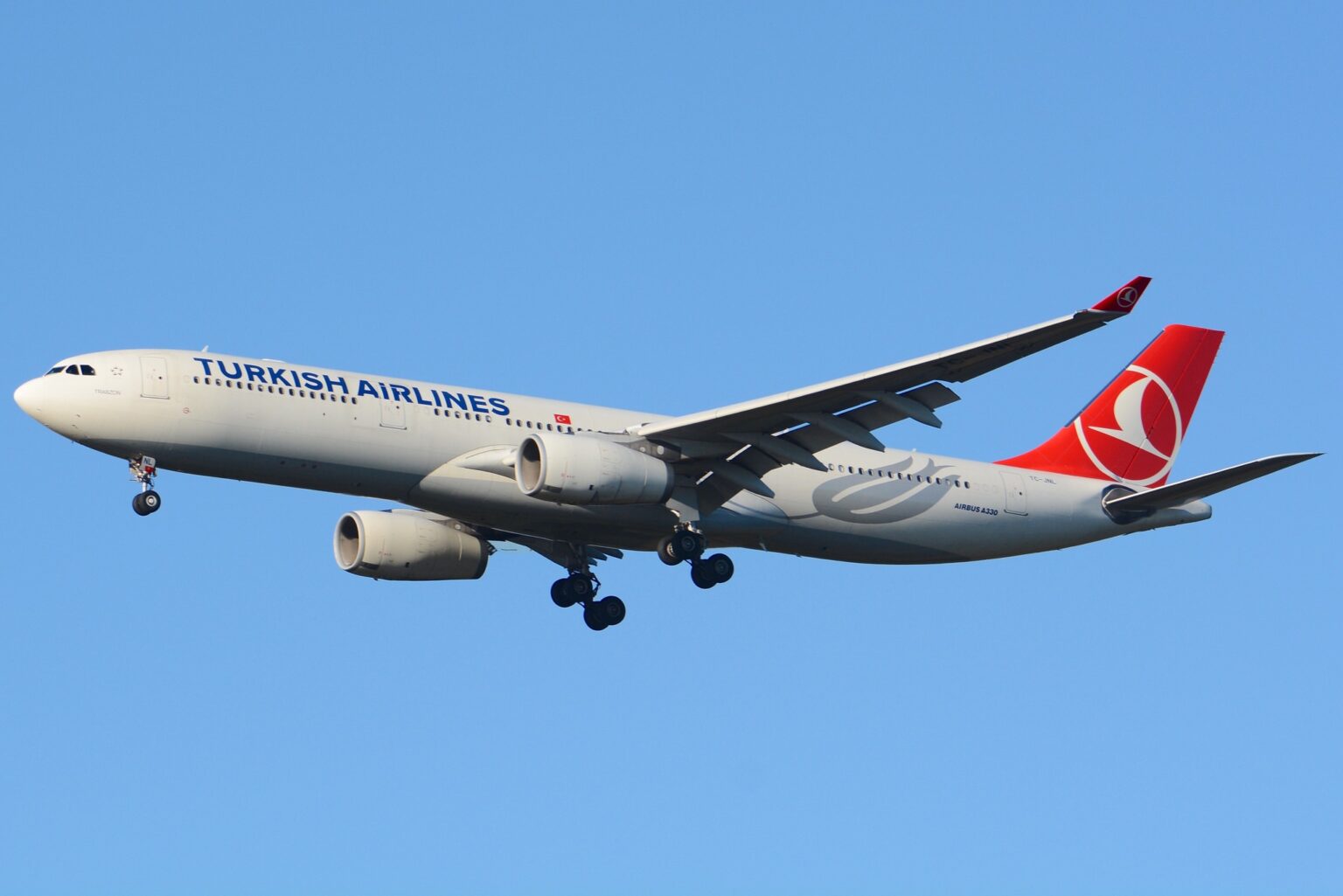
Turkish Airlines flight TK726 from Istanbul hit a pigeon as it came in to land at Kathmandu on the morning of October 21, 2026. Tribhuvan International Airport then stayed closed to all flights until 7:48am local time while the runway was cleaned.
An airside official said the cleanup was delayed because the staff responsible for it were on leave.
What happened on the runway
An airport official told The Kathmandu Post that the bird struck at 6:36am Nepal time, while the aircraft was on approach. An inspection afterward found minor damage to a light on the nose landing gear, and there were no reports of damage to the gear itself.
The flight number comes from a source at the Civil Aviation Office at the airport, quoted by Annapurna Post. That source said a dead pigeon and some pieces of glass were found on the runway, and that landings and takeoffs were halted for a while once the glass turned up.
Accounts of the damage differ slightly. An airport security source quoted by Beema Post said the aircraft was not damaged, while the officials quoted by the Post described minor damage to the nose-gear light.
The exact minute of the strike is also unclear. FlightAware tracking data lists TK726 as an Airbus A330-300 and shows it touching down at about 6:20am, roughly 15 minutes before the time the official gave.
The number of people on board the inbound flight was not immediately available. According to the Post, the return flight was reportedly scheduled to carry 71 passengers.
Airport officials said the jet was ready to fly again after the inspection. FlightAware shows the same aircraft leaving for Istanbul as TK727 at 8:44am, about 34 minutes after its scheduled 8:10am takeoff.
Other flights were disrupted while the runway was shut. The Post did not say how many departures or arrivals were delayed.
Why one dead bird can stop Nepal’s main airport
Tribhuvan has a single runway, so anything that has to be cleared from it stops domestic and international traffic alike. There is no second strip to move arrivals onto.
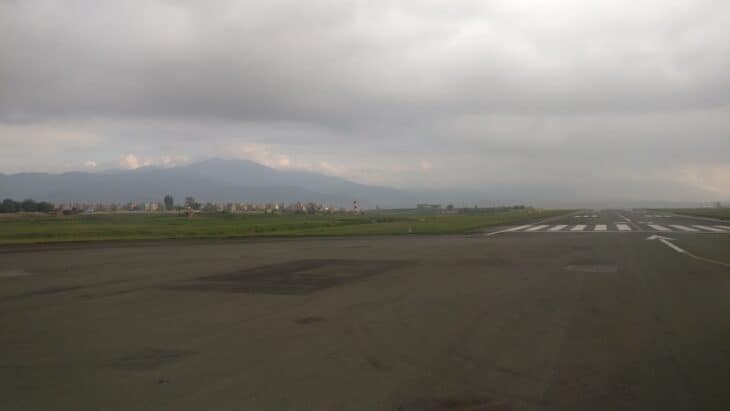

Remains and fragments left after a strike count as debris on the runway. Pieces of glass from a broken light are exactly the kind of debris that can cut a tire or be drawn into an engine, which is why the surface has to be checked and swept before the next movement.
On Wednesday, by the airside official’s account, the delay came less from the debris than from finding the people to clear it.
Kathmandu has been here before. On October 26, 2016, the airport shut for about 90 minutes after a dead bird and pieces of glass were found on the runway, according to then-spokesperson Prem Nath Thakur, and airport sources told the Post the driver of the cleaning vehicle could not be found.
Birds are a standing hazard at the airport. In 2021, general manager Bhola Prasad Guragain told Onlinekhabar that birds were chased off with monitoring equipment and an appointed hunter, and that aircraft were held when a large flock arrived.
Measures like these, and the ways airplanes avoid birds, lower the odds of a strike without removing them. Wednesday’s closure shows that for travelers, how fast an airport recovers afterward matters too.
Not Turkish Airlines’ first Kathmandu closure this year
It is not the first time this year that a Turkish Airlines arrival has closed the runway. On May 11, the right landing gear of a jet carrying 277 passengers and 11 crew from Istanbul caught fire on landing, and the runway was closed for almost two hours, aviation authority spokesman Gyanendra Bhul told AFP, as reported by Euronews.
In 2015, a Turkish Airlines aircraft with 224 passengers skidded off the same runway. The passengers were unhurt, but the runway was closed for four days and scores of international flights were canceled.
Wednesday’s incident was far smaller than either. The accounts published so far come from airport officials speaking to Nepali media without being named.
Get the Newsletter
The latest aviation news and stories sent to your inbox.
About the Author

AeroCorner News is the aviation news desk of AeroCorner.com. It covers accidents and incidents, safety rulings, airline and airport disruption, and new aircraft. It works from primary sources such as the NTSB, FAA, EASA and the manufacturers' own announcements.