

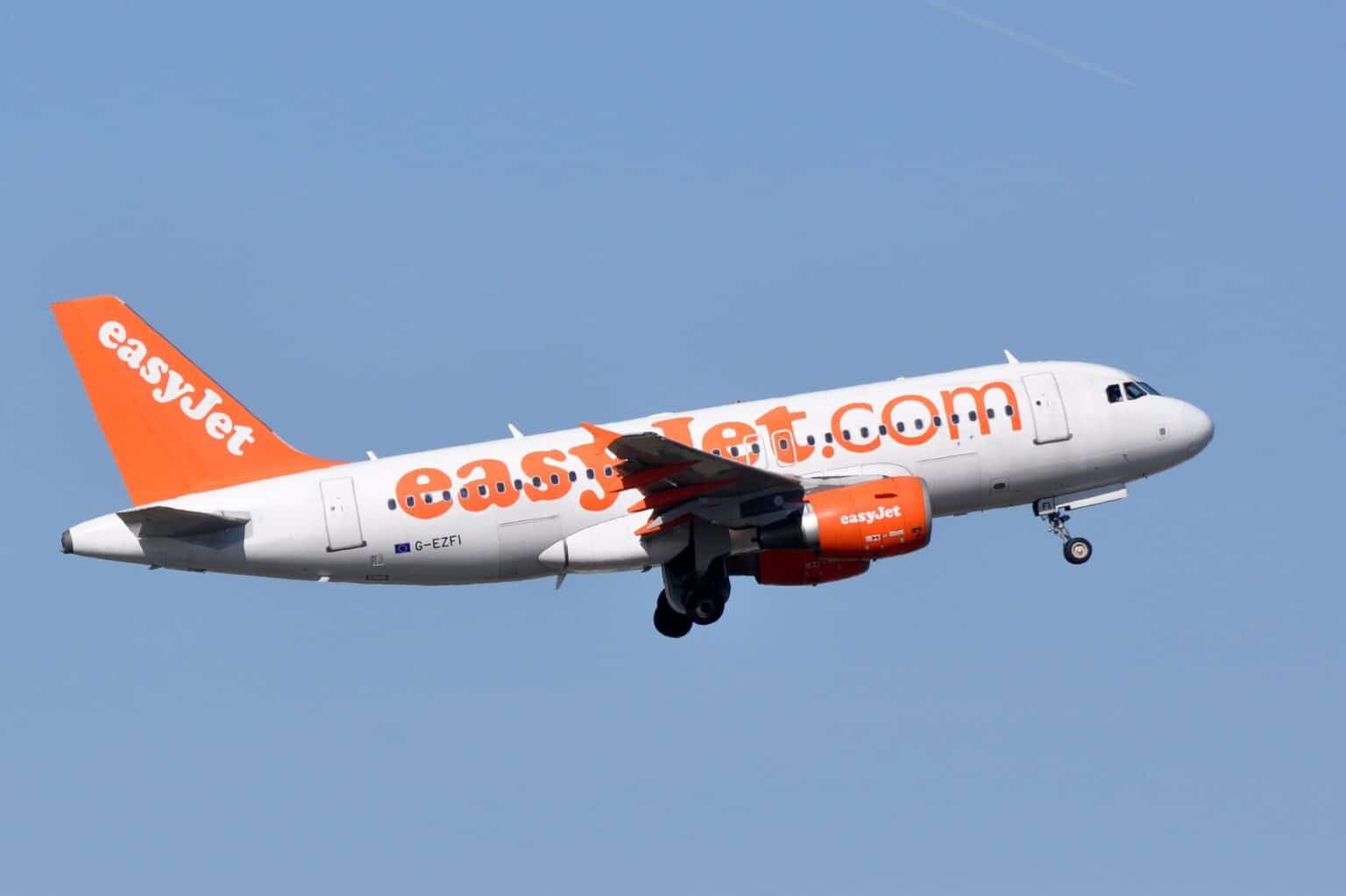
easyJet flight U2415 from Glasgow to Southampton declared an emergency and diverted to Liverpool John Lennon Airport on the morning of Sunday, October 18, 2026. easyJet said the Airbus A319 had suffered a bird strike after take-off.
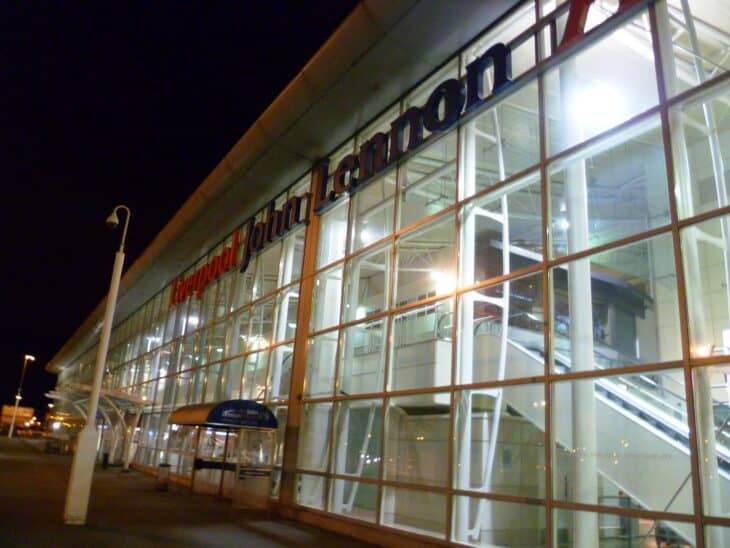
The jet landed at Liverpool at about 10:10 a.m. local time, according to FlightAware tracking data. easyJet said it was arranging a replacement aircraft to take passengers on to Southampton.

What happened on U2415
The flight operates as EZY415 in easyJet’s own numbering, and it was due to leave Glasgow at 8:05 a.m. British Summer Time. FlightAware shows it pushed back about an hour late, at 9:09 a.m., and took off at about 9:25 a.m.
Flight-tracking data identifies the aircraft as the A319 registered G-EZFI, a tail number shown by both Plane Finder and AIRLIVE. Some early reports named the flight EZY12NL, while easyJet’s own statement called it EZY415, the same flight as U2415.
The track shows the jet reaching 31,000 feet near the Solway Firth and heading south along the Cumbrian coast. At around 9:46 a.m. it began a steady descent over the Irish Sea, just off the Lancashire coast near Blackpool.
The crew set the emergency transponder code 7700 at about 9:52 a.m., according to flight trackers cited by the Mirror. The aircraft then made a wide loop west of the airport over Liverpool Bay before lining up to land, about 45 minutes after leaving the runway at Glasgow.
What easyJet said, and what is still unclear
In a statement to the Mirror, easyJet said the flight “diverted to Liverpool in line with procedures due to a bird strike after take-off.” The airline added that the event was outside its control and apologized to passengers for the disruption.
AIRLIVE reported that the crew had flagged high vibration in the right-hand engine while cruising at 31,000 feet. easyJet’s statement did not mention an engine, and it did not say whether any engine was damaged or shut down.
easyJet’s statement did not say how many passengers were on board, or what an inspection of the aircraft had found.
Why a bird strike can end a flight early
Bird strikes are overwhelmingly a low-altitude hazard. US data compiled by the Federal Aviation Administration puts about 70% of strikes between the ground and 500 feet, with only 3% of strikes on fixed-wing civil aircraft happening en route.
The same FAA figures rank engines and wings as the parts most often damaged. A bird drawn into an engine can bend fan blades, and an unbalanced fan shows up in the cockpit as vibration.
That fits easyJet’s account of a strike after take-off and AIRLIVE’s report of vibration in the cruise, though neither has said exactly when the bird was hit.
The Airbus A319, like any twin-engine airliner, is designed to fly and land on one engine. Even so, a crew with an engine problem it cannot fully assess has good reason to land at a nearby airport rather than press on to the destination.
For U2415, Liverpool John Lennon Airport lay directly ahead on the route the jet was already flying when its descent began.
Squawking 7700 tells air traffic control that the crew has a general emergency. It gets the flight priority from controllers, and it does not by itself mean the aircraft is in immediate danger. Our guide to transponder squawk codes explains how the codes work.
easyJet’s recent run of diversions
Sunday’s diversion is the latest of several easyJet emergencies to make headlines this autumn. Earlier this month, flight U23385 turned back to Liverpool after its first officer fell ill.
Those events had different causes, and easyJet described this one as outside its control. Any inspection findings on G-EZFI had not been made public at the time of writing.
Sources and references used for research and fact-checking.
Get the Newsletter
The latest aviation news and stories sent to your inbox.
About the Author

AeroCorner News is the aviation news desk of AeroCorner.com. It covers accidents and incidents, safety rulings, airline and airport disruption, and new aircraft. It works from primary sources such as the NTSB, FAA, EASA and the manufacturers' own announcements.