

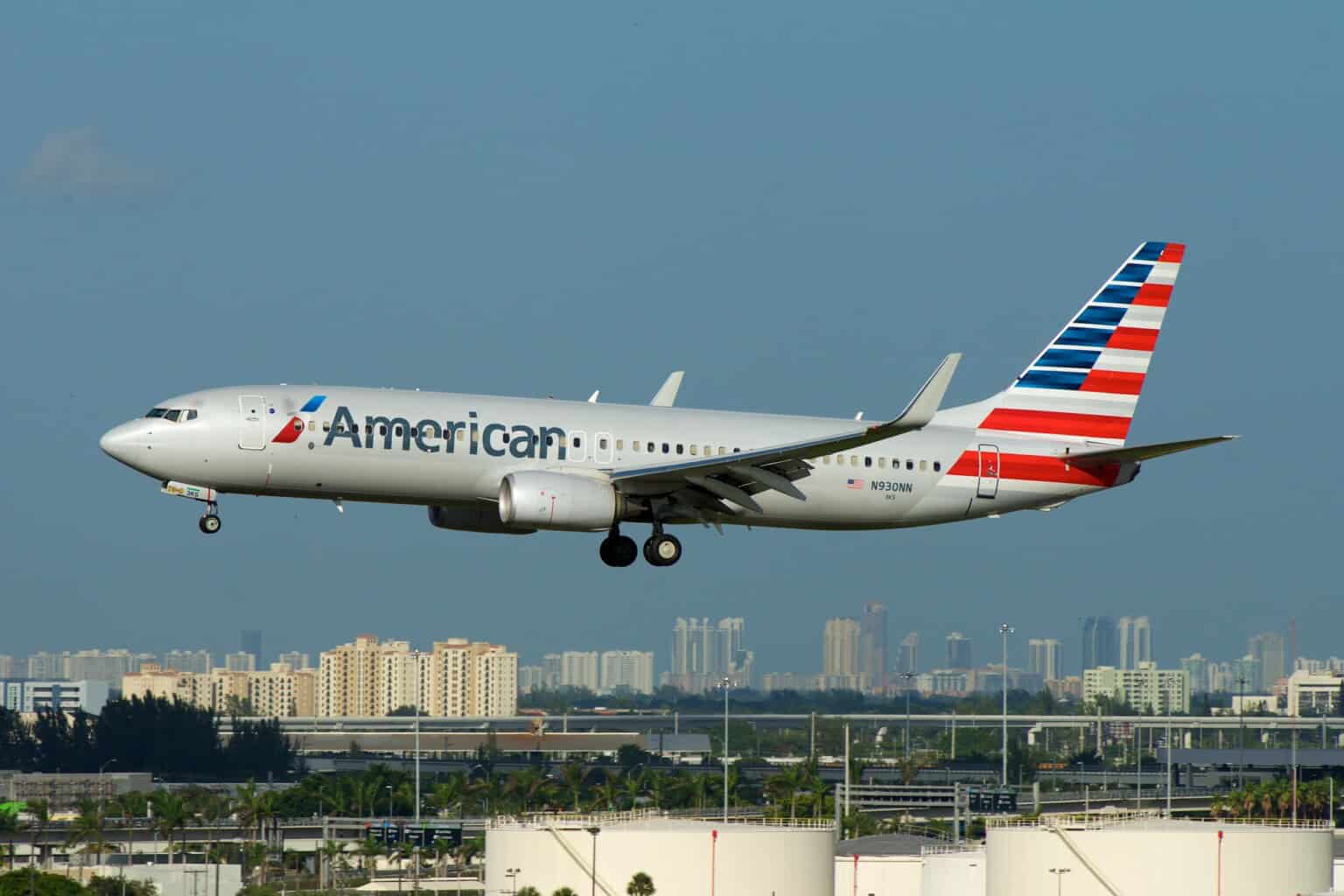
On the morning of August 10, 2026, American Airlines Flight 1760 declared an emergency shortly after taking off from Myrtle Beach International Airport, after the crew reported striking birds. The Boeing 737-800, carrying 181 passengers and crew toward Charlotte, returned safely about 20 minutes later with no injuries.
What happened
Passengers and witnesses on the ground reported loud popping sounds and bright flashes from the left engine moments after the jet lifted off. Some described flames and smoke trailing from the wing as the aircraft climbed, according to CNN.
The crew declared an emergency, radioing air traffic control: “Mayday, mayday, mayday. We’ve got an engine problem here.” They held the aircraft at roughly 2,000 feet while preparing the cabin, then turned back for Myrtle Beach.
The 737 landed safely about 20 minutes after departure and taxied to the gate under its own power. No injuries were reported among the passengers or crew.
American Airlines took the aircraft out of service for inspection and arranged a replacement jet to carry passengers on to Charlotte, according to AirlineGeeks. The FAA, which is investigating, confirmed the crew reported striking a bird on departure.
Bird remains recovered from the engine were sent to the Smithsonian Institution for species identification, AIRLIVE reported.
How dangerous is a bird strike, really?
Jet engines are certified to keep running, or shut down safely, after ingesting birds up to a specified size and number. What passengers see as dramatic flames and bangs is often a compressor stall, air flowing backward through the engine for a moment before it stabilizes or is shut down, not a fire spreading through the airframe.
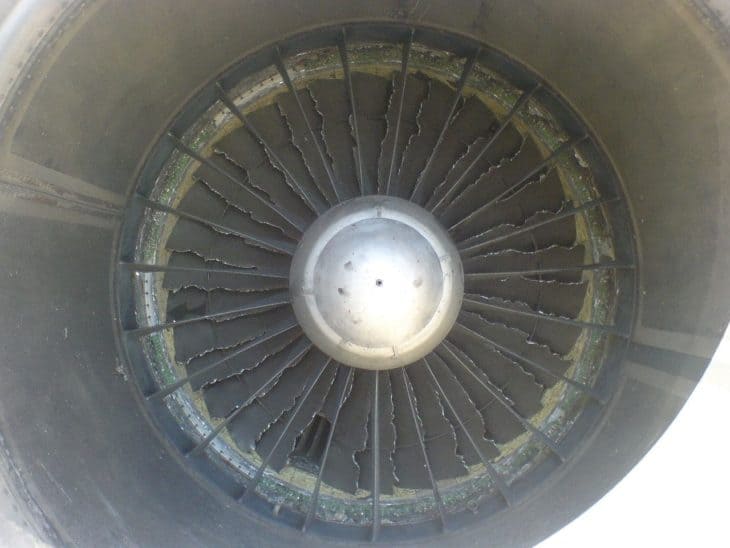
Bird strikes themselves are routine. Airports track and actively manage wildlife to reduce the risk, and pilots train for engine loss right after takeoff as a standard emergency, which is why airports work to keep birds away from runways in the first place.
Twin-engine airliners like the 737 are also designed to fly, climb, and land on one engine alone. Losing thrust on one side shortly after takeoff is one of the emergencies crews drill for most often in the simulator, which is part of why Flight 1760’s return went as smoothly as it did.
Myrtle Beach’s location on the Atlantic coast, with its mix of marshland and open water nearby, makes it the kind of environment where birds are more common near the runway than at an inland airport. That is part of why the FAA and airport operators keep wildlife-hazard data specifically for coastal fields like it.
A common hazard
The FAA’s National Wildlife Strike Database logs thousands of reported wildlife strikes on US civil aircraft every year. The large majority cause little or no damage, because engines are built and certified to survive them.
It is the latest engine-related emergency involving a Boeing 737 this summer, after a Ryanair 737 engine failure shattered a cabin window over North Macedonia in July. That incident had a different cause, but both ended the same way: a crew following procedure and a safe landing.
Get the Newsletter
The latest aviation news and stories sent to your inbox.
About the Author

Tim is the owner and lead editor of AeroCorner since 2019, overseeing aviation content covering aircraft, airlines, airports, and the broader aviation industry. Through years of researching, writing, editing, and publishing aviation-focused content, he has developed extensive practical knowledge of commercial aviation and air travel. Based in Asia and a frequent traveler himself, Tim also brings firsthand passenger experience to AeroCorner’s coverage. Outside of publishing, he has also explored aviation firsthand through hands-on flight training in New Zealand.