

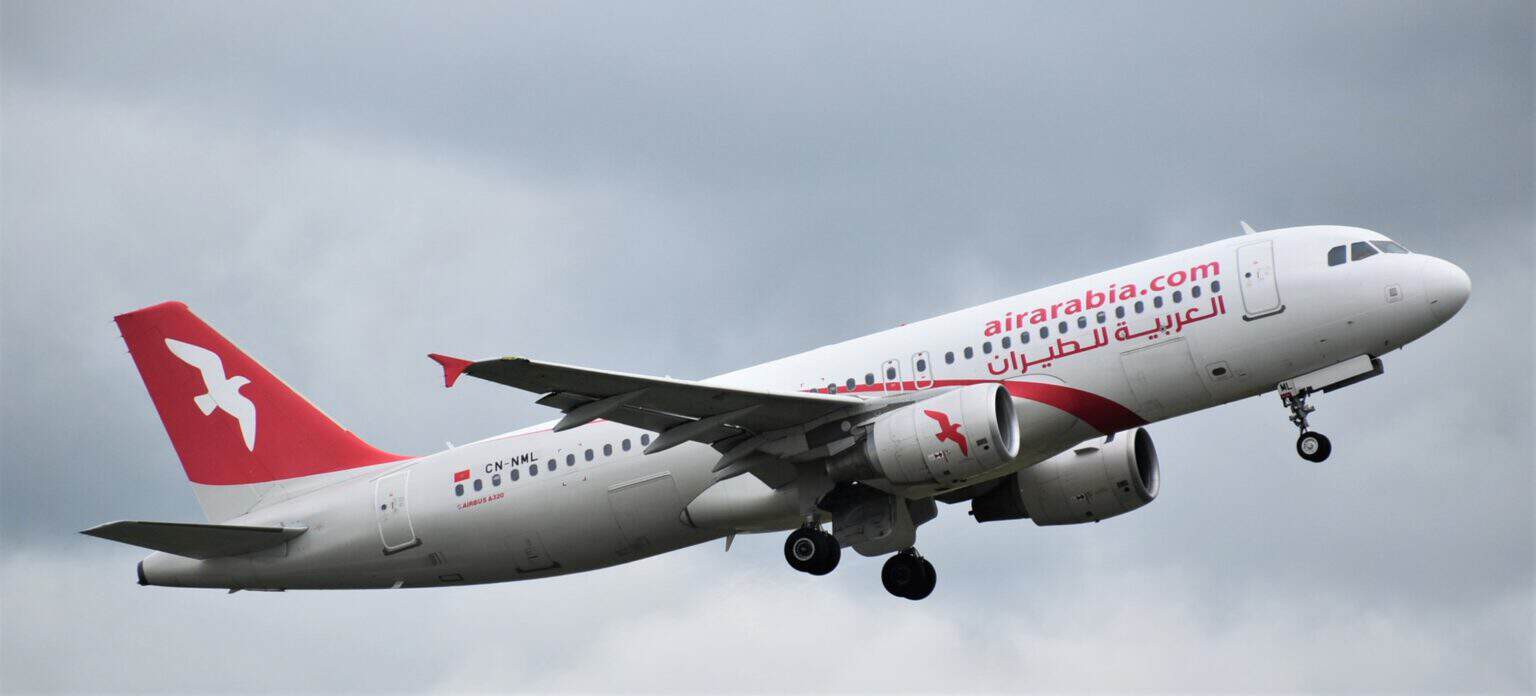
An Air Arabia Maroc Airbus A320, registration CN-NML, descended to 41 feet above the sea seconds after taking off from Catania, Sicily, on September 20, 2025, according to a final report Italy’s air safety investigator ANSV published on November 6, 2026. The report links the descent to takeoff speeds that were most likely never entered and to a somatogravic illusion that may have misled the captain.
The jet was operating flight MAC991, a positioning flight to Amman, Jordan, for scheduled maintenance. Two pilots and four cabin crew were on board, with no passengers, and the ANSV recorded no injuries and no damage.
A rushed departure before the airport closed
The aircraft reached Catania Fontanarossa Airport late from Casablanca, landing at 20:51 UTC with a night closure of the runway due at 22:00 UTC, which was midnight local time. The captain spent much of the 53-minute turnaround on calls with the operator’s dispatch office to fix a flight plan that listed Palermo as the alternate for a flight to Amman.
The tower twice asked the crew to expedite. Both pilots told investigators they had calculated the takeoff speeds on the company’s electronic flight bag and entered them into the flight management system.
Those entries are not recorded, so the ANSV could not confirm them. It found the flight data consistent with an aircraft that had no V-speeds loaded, and no sign of a system fault, and concluded the speeds were probably never inserted.
What the flight data recorder shows
Without a V2 entered, the Airbus A320 does not engage its normal takeoff pitch guidance, known as SRS. The crew noticed the missing flight mode indications at about 60 knots, well below the calculated V1 of 131 knots, and the captain chose to continue at full takeoff thrust rather than reject.
The captain rotated at 144 knots and the jet lifted off at 157 knots. Its pitch peaked at 11 degrees, short of the 15 degrees Airbus procedures call for.
From about 309 feet, the recorder shows nose-down inputs on the captain’s sidestick. The A320 topped out at 383 feet and began to descend while accelerating past 200 knots.
The captain then engaged the autopilot for three seconds. Because the jet was already descending, the autopilot locked onto a 1,900-feet-per-minute descent and the aircraft lost about 140 feet before it disconnected.
A “Sink Rate” alert sounded at 288 feet, followed two seconds later by “Pull Up.” The captain applied takeoff thrust and full nose-up input at 162 feet, and the jet bottomed out at 41 feet (12.5 m) radio altitude at 272 knots, about 30 seconds after liftoff.
The A320 climbed away and landed normally in Amman. The ANSV only learned of the event on October 1, 2025, after the airline’s flight data monitoring flagged it following the captain’s own safety report, and by then the cockpit voice recording had been overwritten.
That gap echoes an Aer Lingus A320 scare where late reporting also cost investigators the cockpit audio.
Why a dark takeoff over the sea is dangerous
A somatogravic illusion is a form of spatial disorientation in aviation in which strong forward acceleration feels like a nose-up pitch. With no horizon to correct it, a pilot can push the nose down to cancel a climb that is not really there.
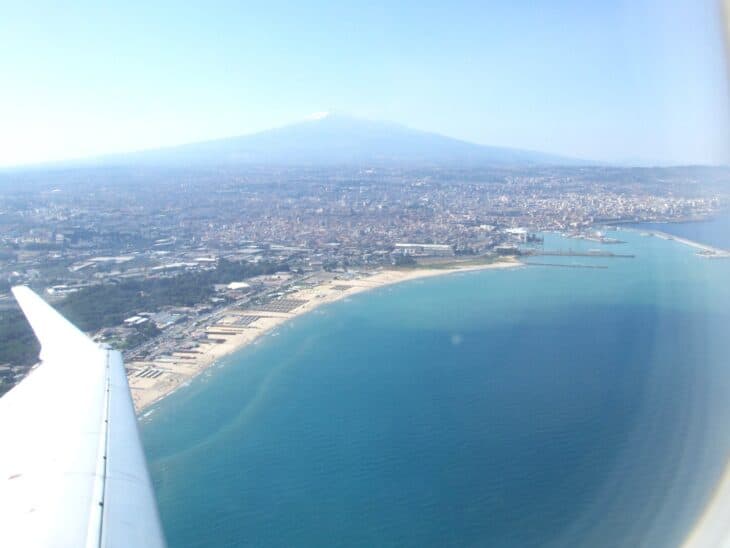
The jet took off at night with the sea ahead and the moon below the horizon, and with no passengers on board it accelerated harder than on its previous takeoff. Using a perceived-orientation model developed by France’s BEA, investigators estimated the captain may have felt a pitch of around 20 degrees during the initial climb, and still above 20 degrees while the aircraft was actually descending.
Neither pilot told the ANSV they had felt disoriented. The report says the effect can be subtle enough to go unrecognized.
What the ANSV found
The report gives the cause as a temporary loss of situational awareness. It lists seven likely contributing factors: an incorrect flight plan from dispatch, time pressure from the closing airport, V-speeds not entered or cross-checked, FMS software with no missing-speeds alert, the captain’s decision to continue, a lack of assertiveness from the first officer, and the somatogravic illusion.
A software alert that half the A320 fleet lacks
CN-NML ran FMS2 Release 1A software. The newer Release 2 shows a “TO SPEEDS NOT INSERTED” caution on the ECAM when the crew presses the takeoff configuration test or sets takeoff power.
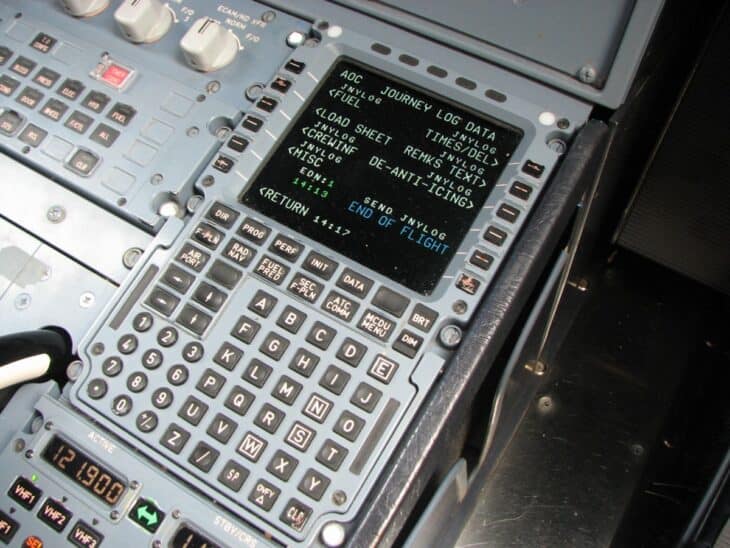

According to the figures in the report, 53.1% of the A320 fleet across all operators has Release 2 and 45.3% still runs Release 1A. EASA’s proposed takeoff performance monitoring rule, NPA 2025-01, would apply only to new designs and to individual aircraft first certified from about 2033, and would not require retrofits.
The ANSV’s single safety recommendation asks EASA to consider making the Release 2 software standard across the entire A320 family fleet. Air Arabia Maroc has already sped up the upgrade on its own A320s and added simulator scenarios on takeoffs with no speeds entered.
The report also states that the airline decided to terminate the flight crew’s employment contracts, citing gross negligence. Airbus revised its flight crew manual in May 2026 after the investigation found that its runway guidance mode engages without a V2 entry, contrary to what the manual said.
Sources and references used for research and fact-checking.
Get the Newsletter
The latest aviation news and stories sent to your inbox.
About the Author

AeroCorner News is the aviation news desk of AeroCorner.com. It covers accidents and incidents, safety rulings, airline and airport disruption, and new aircraft. It works from primary sources such as the NTSB, FAA, EASA and the manufacturers' own announcements.