

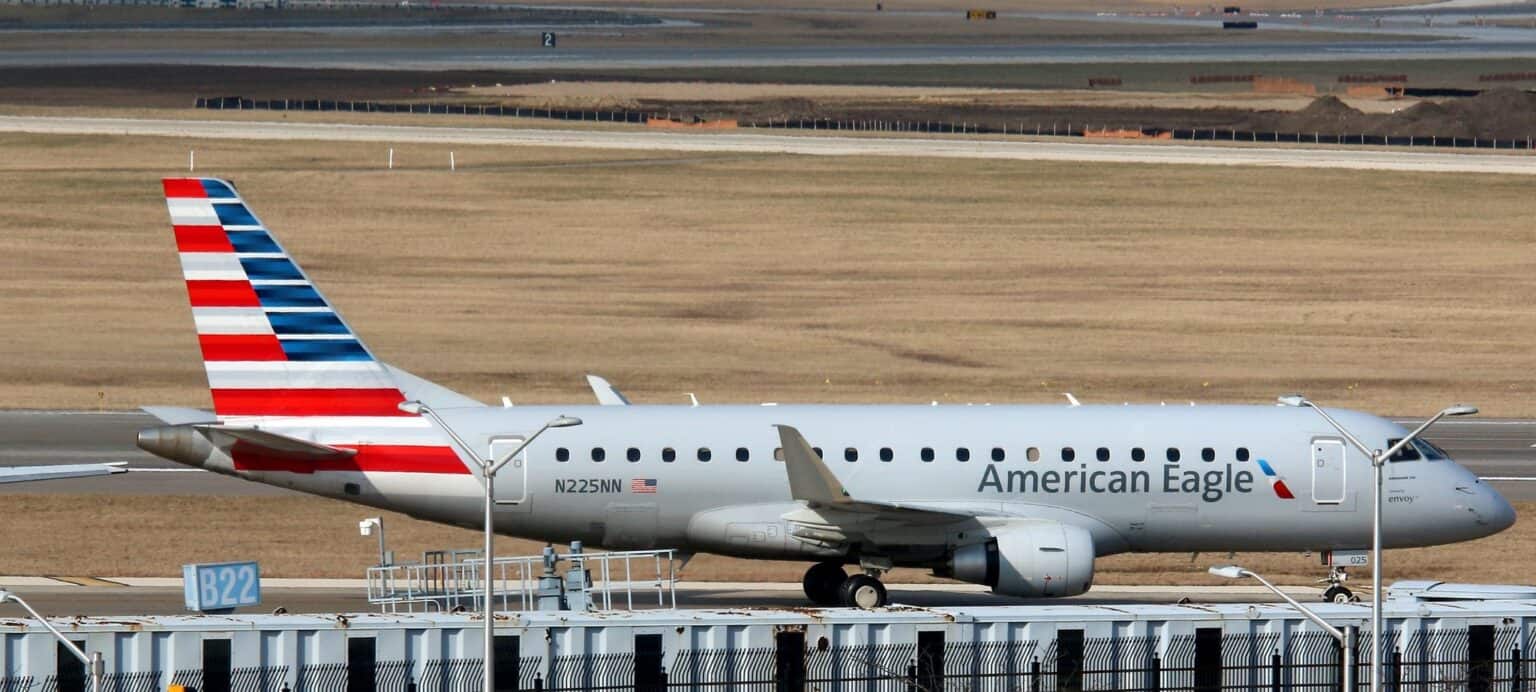
American Eagle flight AA3618, an Envoy Air Embraer E175 arriving from Cincinnati, lost its left nose wheel as it turned off the runway at Miami International Airport on Saturday, November 7, 2026. The jet came to a stop clear of the runway, according to a preliminary FAA notice reported by The Aviation Herald.
The FAA’s entry, as quoted by the outlet, reads in full: “LEFT NOSE WHEEL DETACHED WHILE EXITING RUNWAY.” The report does not give the number of people on board or mention any injuries.
What we know about the flight
FlightStats lists AA3618 as a Cincinnati/Northern Kentucky to Miami service operated by Envoy Air on behalf of American Airlines, flown that day by the E175 registered N225NN. It left the gate in Cincinnati at 1:45 p.m. Eastern, 51 minutes behind its 12:54 p.m. schedule.
Flightradar24’s history for N225NN shows the jet landing in Miami at 21:15 UTC, or 4:15 p.m. local time. The Aviation Herald says it touched down on runway 12 and had already slowed before the wheel came off during the turn onto the exit.
The FAA aircraft registry lists N225NN as an Embraer 175 (type designation ERJ 170-200 LR) built in 2016 and registered to American Airlines Inc. Envoy, a wholly owned subsidiary of American Airlines Group, flies it under the American Eagle brand.
The aircraft was still on the ground at Miami International about 43 hours after landing, The Aviation Herald reported on November 9. At the time of writing, Flightradar24 shows no flight by N225NN since AA3618.
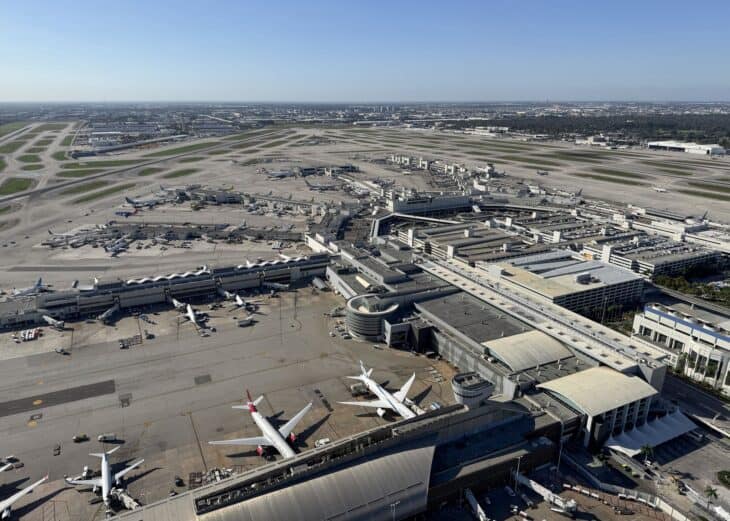

AeroCorner found no public statement from American Airlines or Envoy about the event at the time of writing. How the passengers left the aircraft, and how the jet was moved afterward, have not been reported.
Why a lost wheel is usually an “incident,” not an accident
Under US rules, the label on an event like this depends on damage and injuries, not on how alarming it looks. The National Transportation Safety Board’s definitions in 49 CFR 830.2 call an occurrence an aircraft accident only when someone is killed or seriously injured, or the aircraft suffers “substantial damage.”
That same regulation expressly says damage to landing gear, wheels, tires and brakes does not count as substantial damage. Everything else that “affects or could affect the safety of operations” is an incident.
So a wheel separating after landing, with no other damage or serious injury reported, sits on the incident side of that line unless more comes to light. The NTSB investigates every civil aviation accident in the US, and the FAA keeps its own separate database of incidents.
The one-line FAA entry is a preliminary notice: a first record of what happened, not a finding on why. The FAA’s Accident/Incident Data System holds incident records gathered from several sources, including incident reports filed on FAA Form 8020-5.
The cause is not known
Nothing published so far explains why the wheel came off. The FAA notice records only the event, and no account from American or Envoy of what was found once the jet stopped has been published.
Why the aircraft stayed in Miami for nearly two days has not been explained either. Any work done on the nose gear, and whether the event is reviewed further, will be up to Envoy, American and the FAA.
It is not the first E-Jet event this fall. In September, an Envoy E170 returned to O’Hare after the captain’s control yoke came loose in the climb. In October, a Republic Airways E175 flying as Delta Connection turned back to Columbus when its landing gear would not retract.
Sources and references used for research and fact-checking.
Get the Newsletter
The latest aviation news and stories sent to your inbox.
About the Author

AeroCorner News is the aviation news desk of AeroCorner.com. It covers accidents and incidents, safety rulings, airline and airport disruption, and new aircraft. It works from primary sources such as the NTSB, FAA, EASA and the manufacturers' own announcements.