

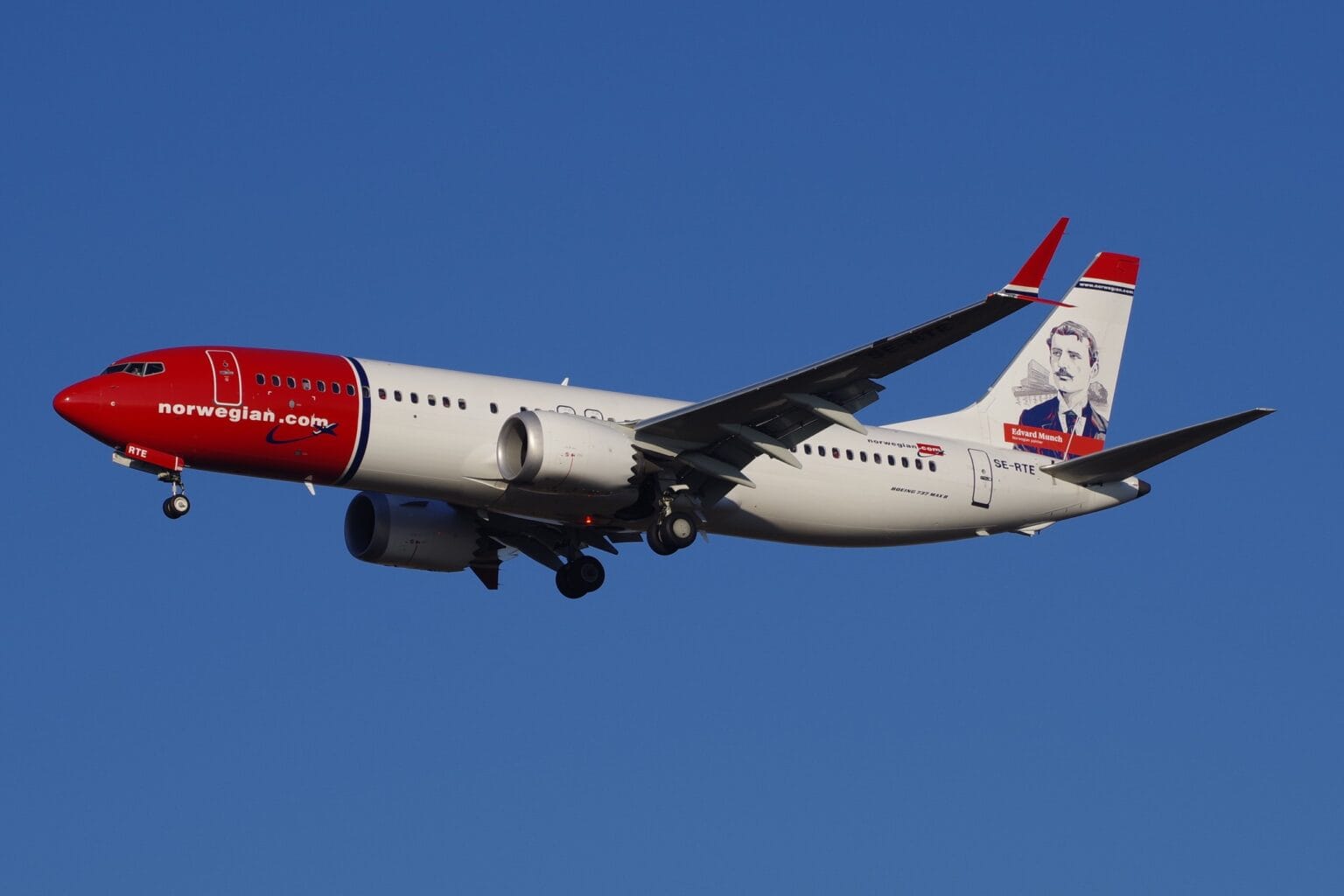
Norwegian flight D84016, a Boeing 737 MAX 8 registered SE-RTE, began its takeoff at Umeå, Sweden, on October 1, 2026 from a different runway entry point than the one its takeoff performance had been calculated for. Sweden’s accident investigation authority, the Statens haverikommission (SHK), classified the event as a serious incident on November 6 and has opened an investigation.
According to the SHK, the jet lifted off about 1,640 feet (500 m) before the end of the runway and crossed the runway end at a height of about 70 feet.
What the investigators have said
The SHK’s notice is short. It says the 737 MAX 8 started its takeoff from a different intersection than the one used in the takeoff performance calculations, so the takeoff distance available was shorter than the distance the calculation had assumed.
The authority rates it a serious incident “as there were limited remaining safety defences between the occurrence and a potential accident.” The case is numbered L-122/26, with Mats Trense as investigator in charge.
The SHK does not name the airline or the flight. Those details were published on November 9 by The Aviation Herald, which identified the aircraft as SE-RTE of Norwegian Air Sweden, operating D84016 from Umeå to Stockholm.
By The Aviation Herald’s account, the jet entered runway 14 at taxiway C, about 3,440 feet (1,050 m) from the runway 14 threshold. Instead of turning to taxi back along the runway to its start, it turned the other way and took off with about 3,840 feet (1,170 m) of runway ahead of it.
The same outlet reports that SE-RTE had flown out of Umeå earlier that day as D84012. On that departure it also entered from taxiway C, but backtracked to the threshold and used the runway from its start.
Neither the SHK nor The Aviation Herald has said how many people were on board, or why the entry point and the calculation did not match. The SHK has not said which intersection the calculation assumed.
Why the entry point changes the numbers
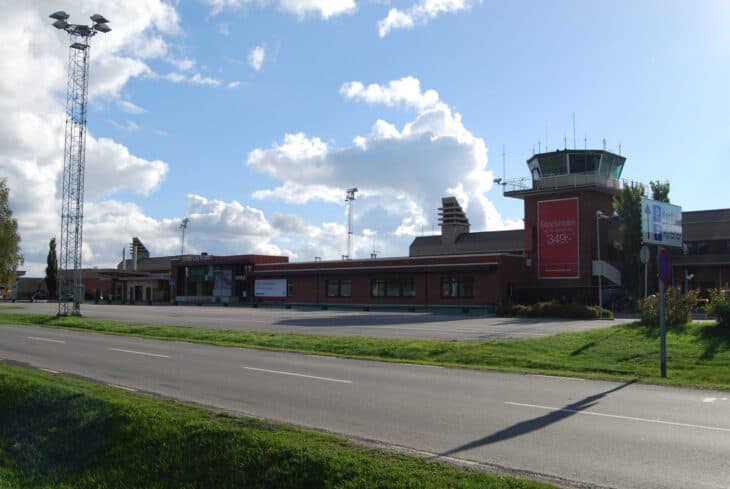
Umeå’s runway is 7,552 feet (2,302 m) long, according to airport operator Swedavia. Taking off from an intersection partway down a runway is routine at many airports, but only when the takeoff calculation is run for the distance left from that point.

That calculation sets the thrust and the takeoff speeds for the weight, weather and runway length available. Numbers worked out for a longer runway can call for less thrust than the shorter distance actually needs, and they leave less room if an engine fails or the crew has to stop.
That is why backtracking matters at an airport like Umeå. Taxiing back to the threshold turns a mid-runway entry into a full-length departure, while turning straight onto the runway hands the crew only the distance in front of them.
Regulators have tracked this failure mode for years. In a 2018 bulletin on an Airbus tablet app that did not update takeoff data after a change of runway entry, EASA noted that such recalculations “typically occur during high-workload flight phases (taxi) and under time pressure.”
It is a different error from the one at Frankfurt on October 20, when Pegasus flight PC996 turned the wrong way on entering its runway. Pegasus says that jet stopped and no takeoff was attempted, but both cases began at the moment a crew joins a runway.
A warning system on the regulatory agenda
EASA opened a rulemaking task in August 2023 to protect large aeroplanes, through on-board systems, against accidents “caused by the use of erroneous take-off performance parameters, and by erroneous take-off positions,” by alerting the flight crew in time. The agency said such errors can lead to runway excursions, upsets and loss of control.
Its Opinion No 07/2026, dated September 22, 2026, proposes requiring a takeoff performance monitoring system on large commercial aeroplanes produced from six years after the rule enters into force. EASA’s summary of the opinion does not mention fitting the system to aircraft already in service.
The Umeå investigation has only just begun. The SHK’s findings on why the calculation and the actual takeoff point differed are still to come.
Sources and references used for research and fact-checking.
- Statens haverikommission (SHK), Serious incident involving a Boeing 737 MAX 8 at Umeå Airport on 1 October 2026 (L-122/26)
- Swedavia, Umeå Airport: about the airport
- EASA, ToR RMT.0741: Take-off performance parameters and position errors, large aeroplanes
- EASA, Opinion No 07/2026: Take-off performance parameters and position errors, large aeroplanes
- EASA, SIB 2018-19: FlySmart+ Applications for iPad, Change of Runway Entry Not Taken Into Account in Take-Off Computation
Get the Newsletter
The latest aviation news and stories sent to your inbox.
About the Author

AeroCorner News is the aviation news desk of AeroCorner.com. It covers accidents and incidents, safety rulings, airline and airport disruption, and new aircraft. It works from primary sources such as the NTSB, FAA, EASA and the manufacturers' own announcements.