

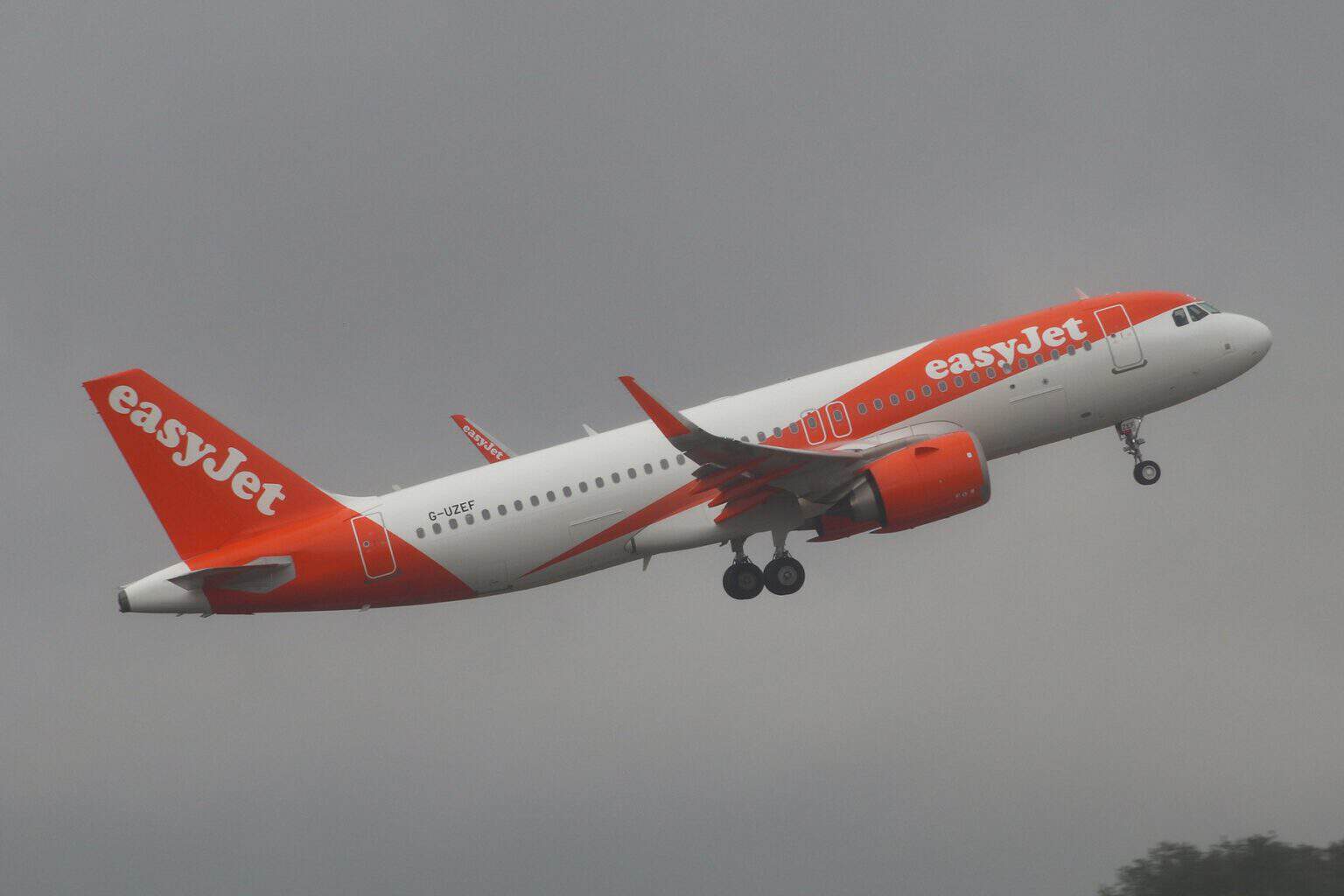
easyJet flight U23385 from Liverpool to Fuerteventura turned back shortly after takeoff on the morning of October 7, 2026, after its first officer became unwell in flight. The Airbus A320neo, registered G-UZEF, landed back at Liverpool at 8:07 a.m. local time, according to FlightAware tracking data.
The return was reported by AIRLIVE, which said the crew flagged a medical issue involving the first officer about 20 minutes into the flight. At the time of writing, easyJet had not commented publicly.
Back on the ground in Liverpool within the hour
Flight data on FlightAware shows the jet leaving the gate at 7:06 a.m. and taking off from Liverpool John Lennon Airport at 7:21 a.m. It was due in Fuerteventura, in Spain’s Canary Islands, later that morning.
Instead, the flight was still climbing over the UK when the captain decided to turn around and asked for an immediate return to Liverpool, AIRLIVE reported. Air traffic controllers gave the aircraft priority for its return.
FlightAware logs the Fuerteventura leg as diverted and records a 45-minute flight from Liverpool back to Liverpool, landing at 8:07 a.m. AIRLIVE reported that medical services had been requested to assess the pilot once the aircraft was on the ground.
The nature of the illness, the first officer’s condition and the number of passengers on board have not been made public. FlightAware showed the Fuerteventura flight rescheduled to leave Liverpool about an hour and a half late, but easyJet has not said how it will crew it.
The return comes less than two weeks after another easyJet A320, flight U22014, diverted to Gatwick with a hydraulic failure on September 26. The two events are unrelated.
What happens when one pilot is incapacitated
An airliner like the Airbus A320neo is flown by two pilots, and a sudden illness in one of them is a scenario crews train for. It is a large part of why airplanes have two pilots in the first place.
The aviation safety reference SKYbrary says that losing one pilot on a two-pilot aircraft is unlikely to present a significant risk. Pilots train for it, and airlines have standard operating procedures for the remaining pilot to follow.
The same reference notes that the most common cause of flight crew incapacitation is gastroenteritis, while most recorded in-flight deaths of operating pilots have been due to heart disease. Airlines commonly stagger crew meals and give each pilot a different meal so food poisoning cannot take out both.
How often pilots become incapacitated
Hard numbers are scarce. A study by the UK Civil Aviation Authority’s medical department, published in 2012, counted every incapacitation among the 16,145 professional pilots holding a UK or JAR license and Class 1 medical certificate in 2004.
It found 40 incapacitations, in flight and off duty and including four sudden deaths, for an annual rate of 0.25%. About half were cardiac or cerebrovascular, while the in-flight cases were mostly psychiatric in cause.
Age mattered too: a male pilot in his 60s carried five times the risk of one in his 40s. The authors suggested the 0.25% figure could serve as a basis for judging the acceptable risk of single-pilot commercial flights.
On U23385, the second seat did its job: one pilot became unwell, and the captain brought the aircraft back to Liverpool.
Sources and references used for research and fact-checking.
Get the Newsletter
The latest aviation news and stories sent to your inbox.
About the Author

Tim is the owner and lead editor of AeroCorner since 2019, overseeing aviation content covering aircraft, airlines, airports, and the broader aviation industry. Through years of researching, writing, editing, and publishing aviation-focused content, he has developed extensive practical knowledge of commercial aviation and air travel. Based in Asia and a frequent traveler himself, Tim also brings firsthand passenger experience to AeroCorner’s coverage. Outside of publishing, he has also explored aviation firsthand through hands-on flight training in New Zealand.